

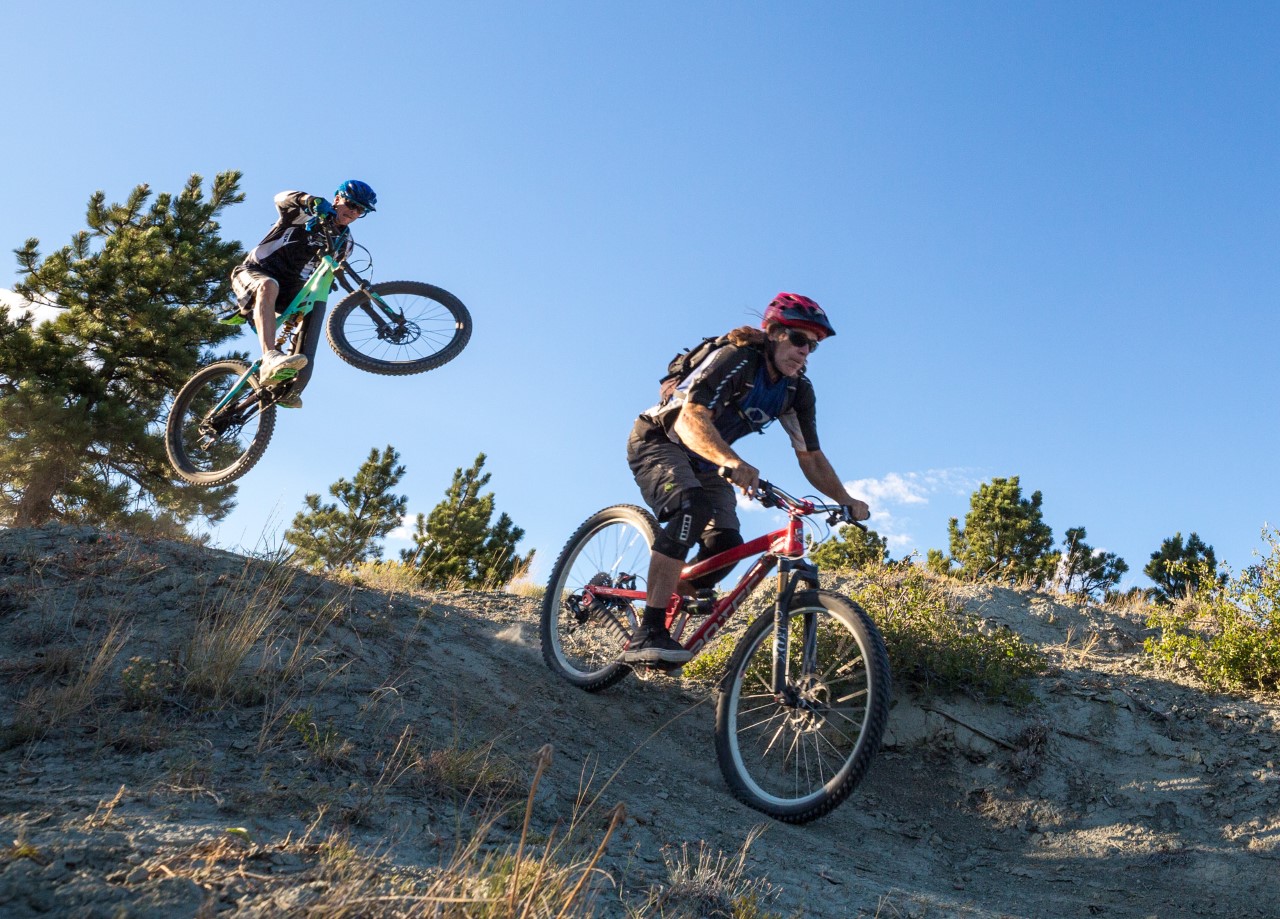
Electric bikes are growing in popularity as more people find pedal-assisted riding eases work commutes, leisure rides and even mountain bike outings. But with their increased power and appeal to beginner cyclists, should they be allowed alongside hikers, dog walkers and fellow mountain bikers on certain national forest trails?
That is the question Bridger-Teton National Forest officials are considering with a years-in-the-making project that could allow e-bikes on Teton Pass area trails and expand their season on others.
Under the original project scoping proposal, the agency would open 27.5 miles of national forest trails around the pass to class one electric bikes. That class includes bicycles with a motor that assists riders while pedaling up to 20 miles per hour, but no throttle. Class one generally includes models like mountain bikes, low-end commuters and bikes used around town.
The Forest Service proposal would also expand the season that people can ride e-bikes on trails near Munger Mountain and Horsetail Creek, and it contemplates a permit system that uses stickers sold at bike shops to identify the class of e-bike.
Following a scoping period that gathered comments and included public meetings, the BTNF this month released the draft environmental analysis for the project, “E-bike Use Designation on Select Jackson Area Trails.” That analysis includes two alternatives, or options, along with the original one. One would take no action and the third would focus e-bikes in areas already managed for motorized use and make e-bike-specific improvements to those trails. The third option was developed in response to earlier comments and is meant to address public concern.
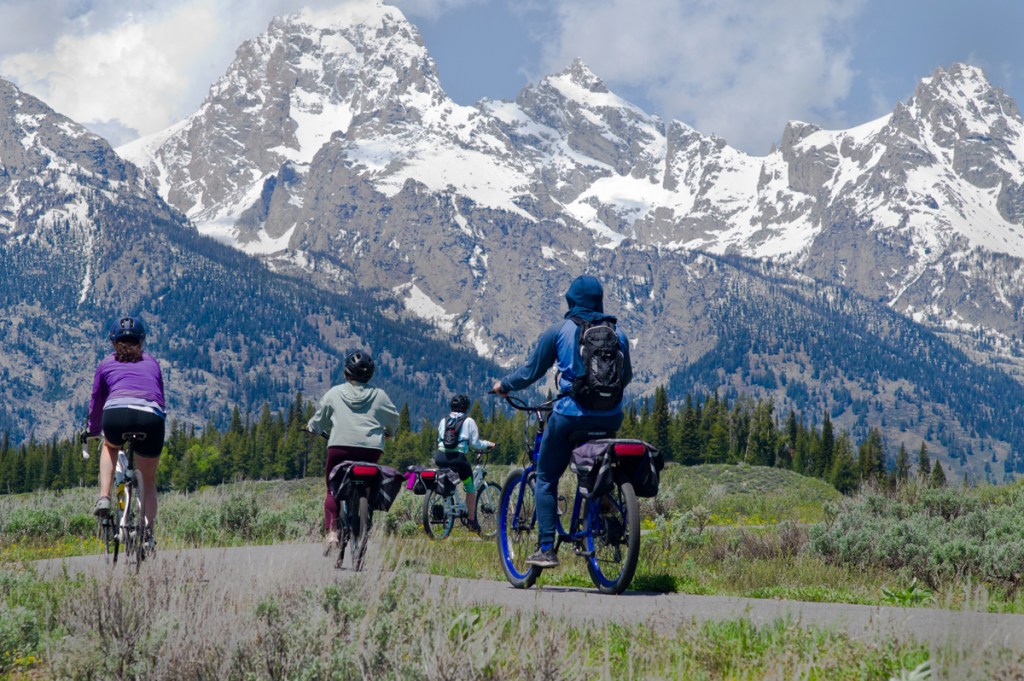
Now, the agency wants to hear from the public on the draft analysis and its alternatives. People can learn more about the project online, or during an open house Thursday in Jackson.
Vroom
Bicycle sales surged during the COVID-19 pandemic, and none more than e-bikes. Sales of e-bikes spiked 145% in 2020 compared to 2019, outpacing sales of all bikes, which were up 65%, according to market research firm NPD Group.
The growing popularity of electric bikes also led to conflicts and management challenges. A sudden influx of more powerful bikes on roads and trails — often piloted by relative newcomers — led to concerns over impacts to wildlife, safety of fellow trail users and trail degradation.
“With a rapid increase in e-bike use in the Jackson area, Bridger-Teton National Forest staff believe now is the time to address this topic,” the draft environmental assessment reads.
Staff initiated the project in the fall of 2023 with what’s known as scoping. After laying out a proposal to allow e-bikes on new trails and expand the seasons in other places, the agency collected hundreds of comments.
Themes that emerged from those comments included worries about safety, trail damage, wildlife impacts, the potential for battery-started fires and a lack of forest service staff to enforce permitting and proper trail use. However, many people also highlighted the benefits of the proposal, which include offering an on-ramp for more people into outdoor recreation, boosting tourism and increasing healthy activities.
This sample of comments illustrates the wide spectrum of sentiments:
“These ‘bicycles’ are dangerous and can go ridiculously fast.”
“These trails are underutilized and can easily handle any increase in user traffic.”
“As an aging mountain biker, Ebikes have allowed me to continue to access our public lands.”
“As it starts to get excepted, (sic) it’ll be all over wilderness. that is my biggest future concern.”
“E bikers tend to be novice riders and are clueless about how their speed is totally in conflict with other users.”
The draft environmental assessment’s first alternative, which was drafted in response to public comment, would focus on existing motorized trail areas, which are already open to all three e-bike classes. Under this alternative, the Forest Service would expand and improve these areas to meet growing e-bike demand.
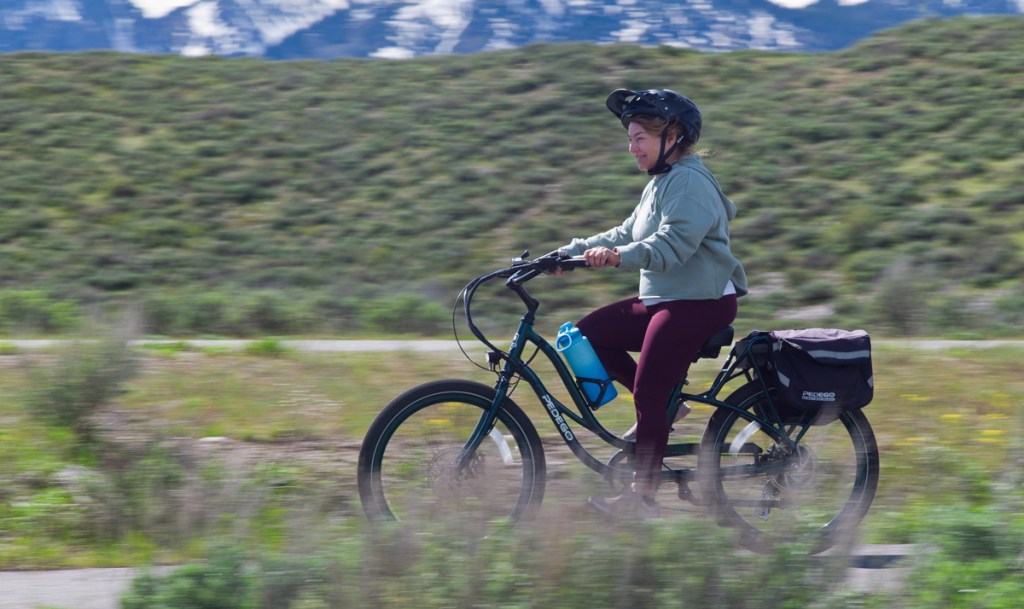
These areas include Shadow Mountain, Mosquito Creek and Swinging Bridge — all in proximity to Jackson. The work would entail constructing new trails specifically designed for e-bike use; rerouting existing motorized trails to improve rideability and experience for e-biker users; adopting closed roads or non-system trails as Forest Service trails; and relaxing seasonal restrictions to expand the e-bike season in certain areas.
Under that alternative, Teton Pass-area trails and the entire Cache-Game trail system would be managed only for non-motorized uses.
Questions, thoughts?
An open house will take place from 5-7 p.m. Thursday at the Jackson Ranger District Office, where staff can answer questions about the proposed action, alternatives and the timeline moving forward.
The public can comment on the draft environmental assessment online using this form, or via written responses delivered to the Jackson Ranger District Office on North Cache Street in Jackson. They will be accepted through Feb. 24.
This round of comments will help inform the final environmental assessment and draft decision, which will be released later this spring, according to the agency.

Ms. Klingsporn’s opening photo inflames anti-Ebike sentiment by showing a riding style that, while common, is not particular to those riding eBikes. One of the bikes in the photo is categorically NOT an eBike! Using words like, “VROOM, speeding and zooms” reinforces the incorrect assumption that all eBikes are always moving at top speed & well beyond the pace of traditional bikes (and the speed limit!). Conflating MOUNTAIN eBike use on trails with other types of eBike riding taking place on public roads & paved pathways is confusing to folks not familiar with the differences. Surely it is important to consider the facts of how eBike and ALL increased use on public lands affects the resources and the public’s enjoyment of OUR public lands.
Change is the Eternal Law!
It’s tough to say no, in particular in regard to older and perhaps health compromised individuals. Yet, e-bikes open up a whole new can of worms. Novice riders can be their own worse enemies in regard to speed on twisty-turny descents. The bike allows an individual to venture where perhaps they shouldn’t, and if a mechanical, flat tire, etc occur, would they be able to cope with the situation. Ε-bikes are also heavier, and will that novice or older cyclist be able to “hoof it out” with the E-bike if the need arises. That said, most cyclists will stop for someone having difficulties.
E-bikes should be allowed on any trail a regular mountain bike is. Many of the comments show the ignorance of them. They are bicycles with motor assist. While they can be fast on flat trails, you could only allow certain classes or post speed limits. I can flat out fly on my mountain bike as well. These bikes do no more damage to a trail than a regular bike. They use the same tires and on many, fat tires which do even less harm. The concerns voiced are mostly ignorance of the actual e-bike and riders of them.