

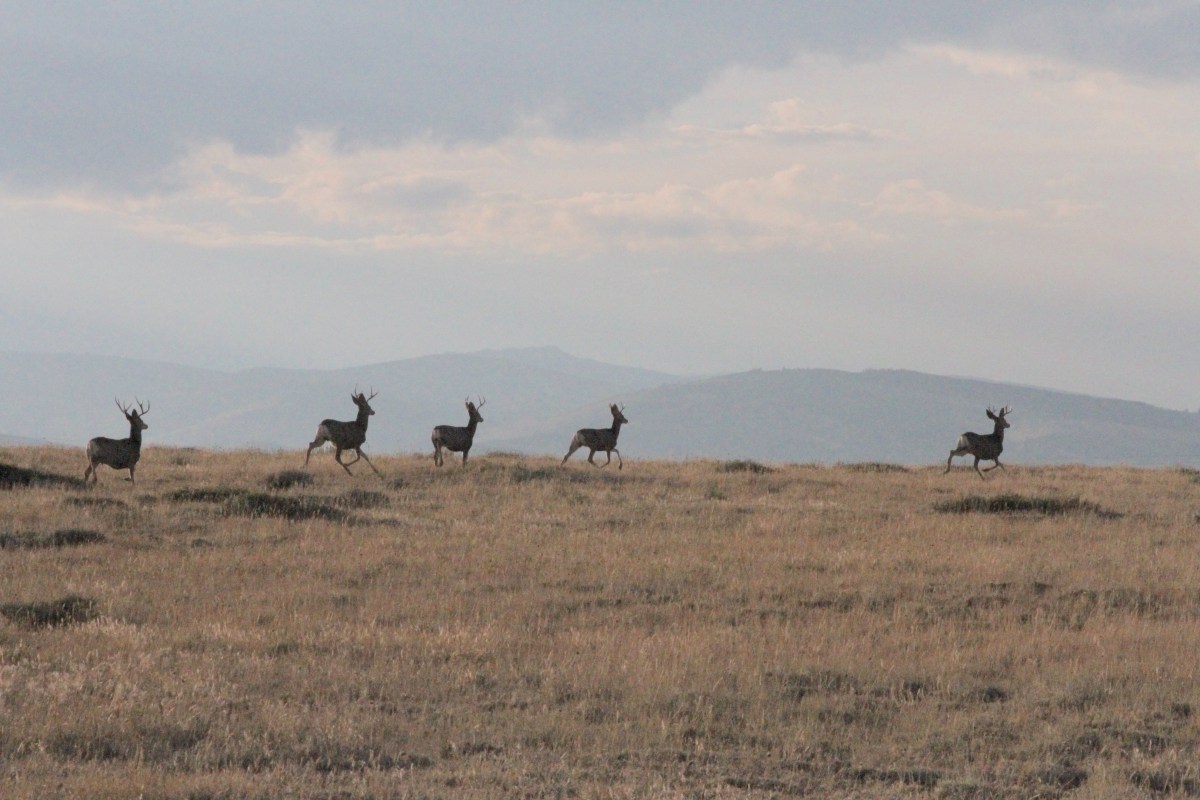
A week from now, the appointed officials who oversee Wyoming’s wildlife are devoting an extraordinary seven hours to a single agenda item.
The topic is proposed changes to the state’s system of awarding special hunting tags to landowners. It’s a system that causes some problems. Specifically, in some hunt areas, almost all the licenses available are gobbled up by landowners, leaving the general hunting public empty-handed.
Wyoming Game and Fish commissioners are allocating an entire day of their Casper meeting to the proposed reforms after seeing landowners’ responses to the changes at presentations given by biologists and wardens this spring around the state. Meetings went late into the evenings, Game and Fish Commissioner Rusty Bell told WyoFile, and public comments, mostly opposing the changes, piled up by the hundreds.
In response, the Wyoming Game and Fish Department reversed course. The department is no longer recommending most major changes, though the decision-making will happen on a higher level, Game and Fish spokeswoman Amanda Fry said.
“Ultimately, it’s up to the commission what happens,” Fry told WyoFile. “Our agency, we can only provide recommendations.”
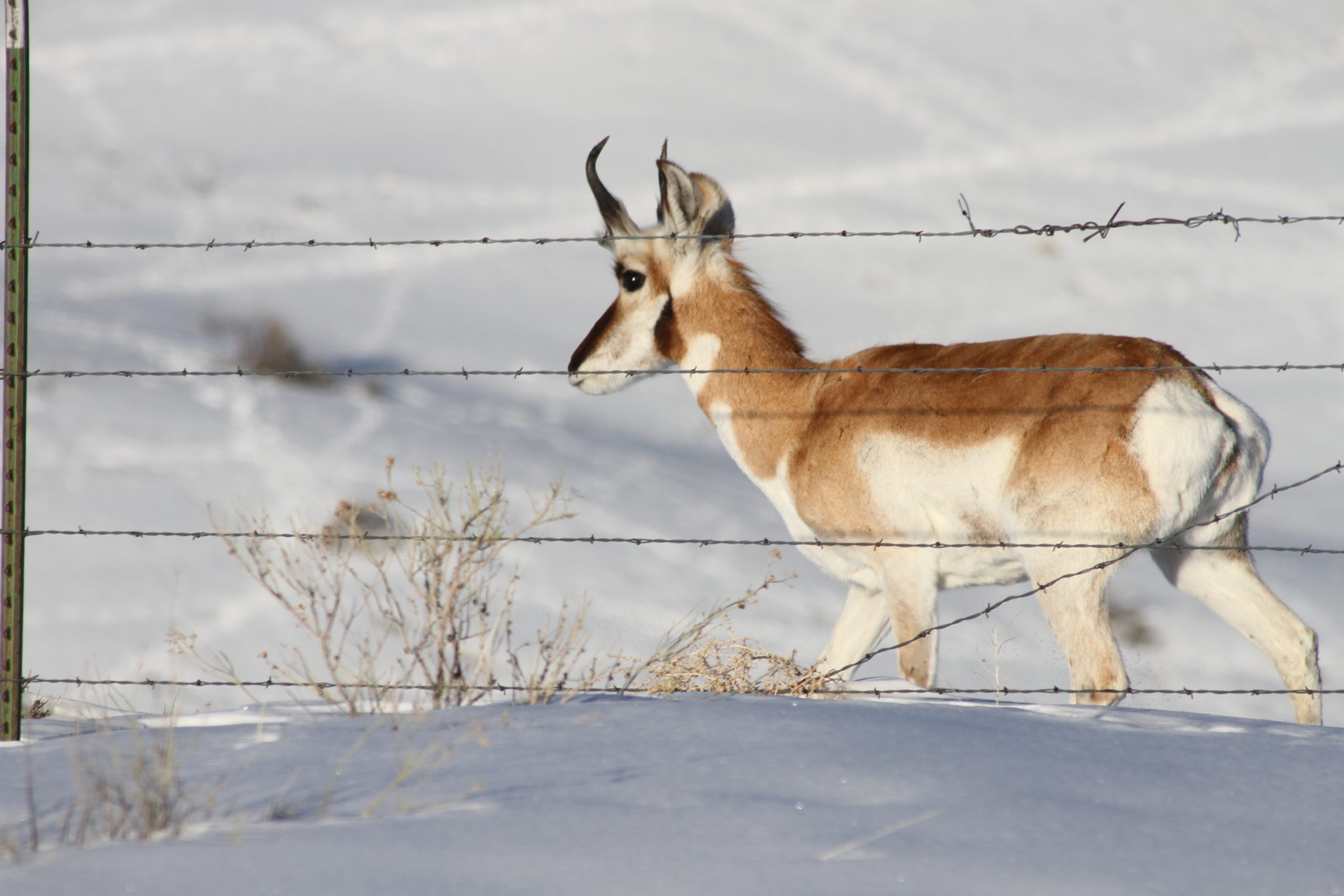
The changes once being recommended, which were several years in the making, would have made it more difficult for landowners to acquire coveted tags that “come off the top.” That means they’re allocated in advance of the lotteries where rank-and-file public hunters vie for limited opportunities. Before the outcry from landowners, Game and Fish had proposed several big changes:
- Acres owned to qualify for landowner licenses would have quadrupled, going from 160 to 640 acres. (Cultivated land was exempted from the change, and would have remained the same.)
- The number of “animal use-days” that must be demonstrated for landowner tag eligibility was proposed to increase from 2,000 to 3,000.
- Wildlife managers also sought to require that landowner tag holders possess “significant interest” in a property or at least 20% ownership of a land-owning corporation, trust or LLC in order to be eligible.
Those proposed regulation changes are all no longer being recommended, according to a “public comment summary and response” memo that agency staff sent the Game and Fish Commission on June 19. The memo shows that about 70% of the 380 comments the department received opposed the proposed changes. Just 9% of respondents stated support.
One reform is still being recommended. Notably, it will make it easier for big game and turkey hunters to acquire landowner tags. Specifically, the definition of “immediate family member” would be expanded to include “step-parents,” “step-grandparents,” “step-siblings” and “step-children” in order to accommodate blended families.
The changes to landowner licenses that were being pursued dated back to the Wyoming Wildlife Taskforce, which was co-chaired by Josh Coursey and Bell, who later became a Game and Fish commissioner. During the group’s 2021 and 2022 meetings, the public learned that in some hunting areas, the majority of coveted licenses for quarry like bull elk were ending up in the hands of landowners. The meetings also highlighted that properties were being subdivided into 160-acre parcels for the purpose of owners obtaining more hunting licenses for friends or family.
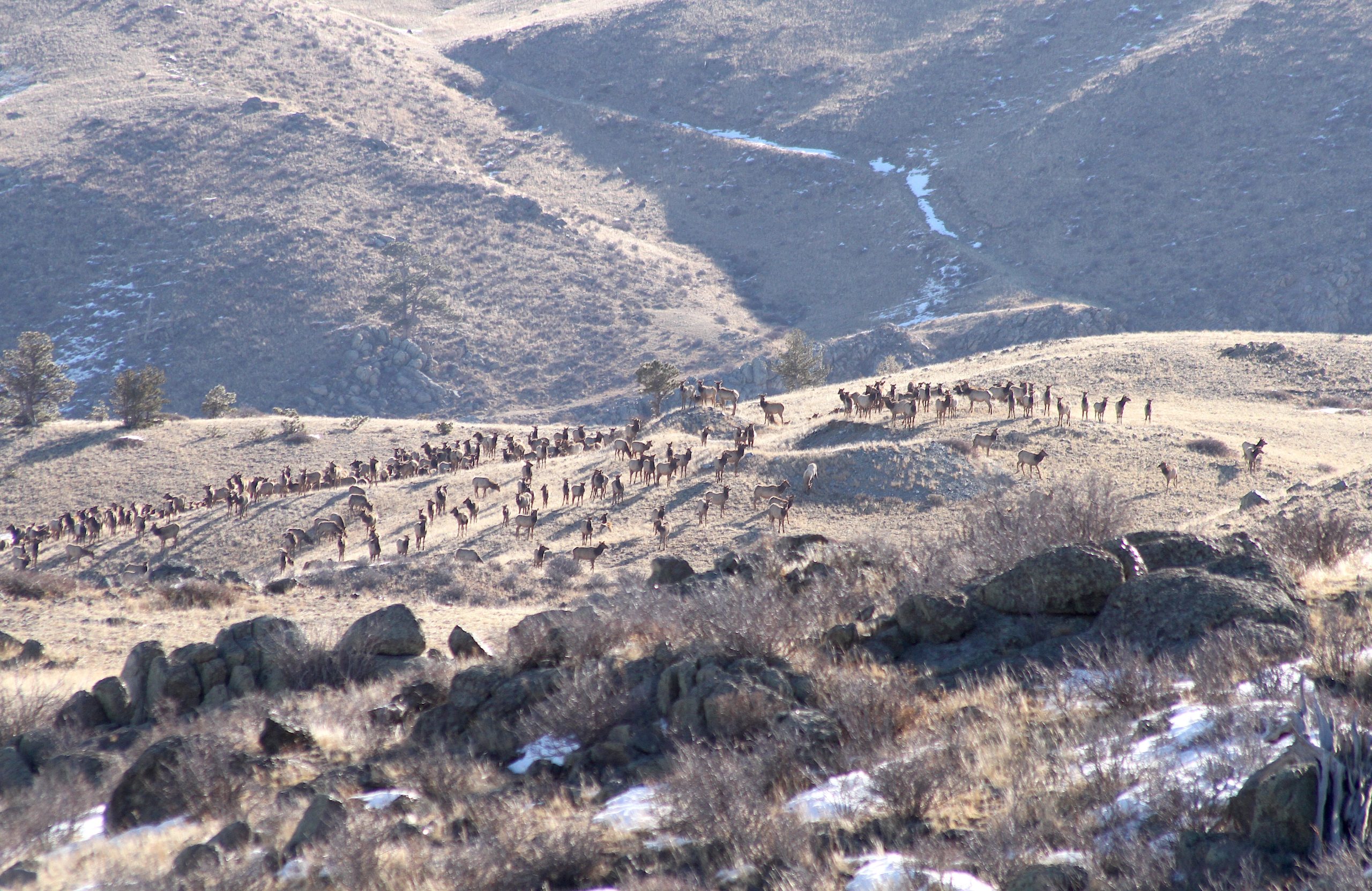
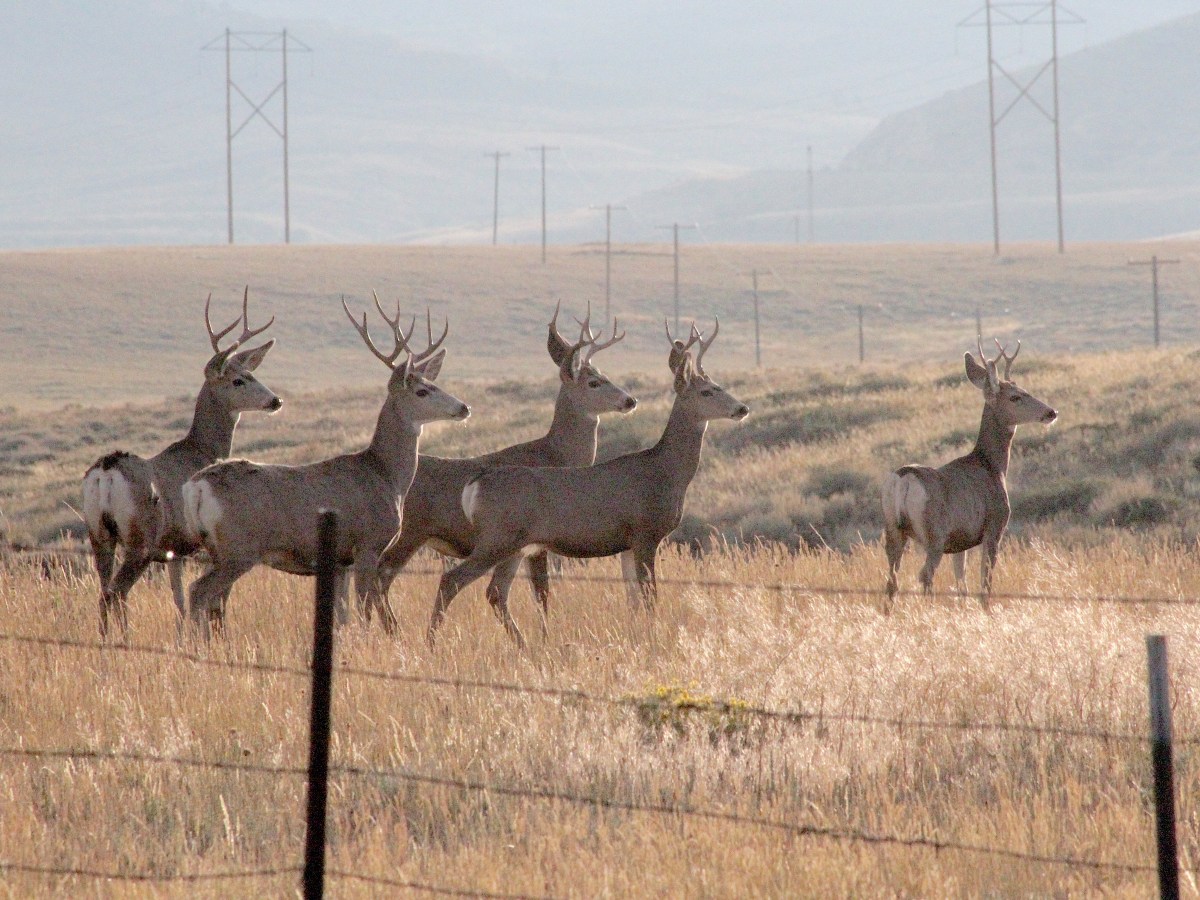
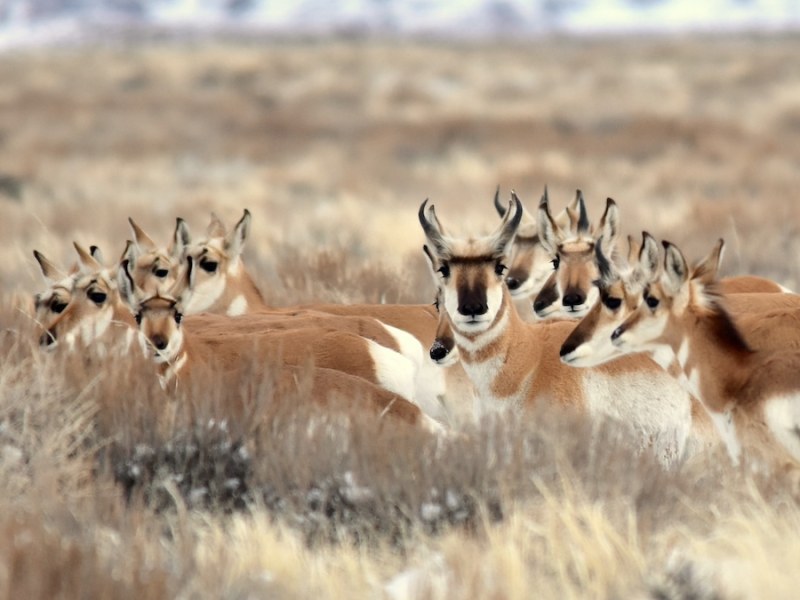
In Wyoming, landowner licenses date to 1949. They can only be used by an applicant or an immediate family member. Apart from the acreage requirement, landowners must provide habitat for the applicable species: elk, deer, pronghorn or wild turkeys. Recipients — who are capped at two licenses for each species, good throughout the hunt area — are supposed to prove that they’re providing that habitat via the “animal use days” condition (e.g., 2,000 elk on their property for a single day or 20 mule deer for 100 days.)
The Wyoming Wildlife Taskforce, charged with addressing the top-priority wildlife policy issues facing the state, was unable to agree on recommendations for landowner tag reforms.
In 2023 and 2024, however, the Wyoming Game and Fish Department hosted a series of public meetings about the topic. Then in November 2024, the agency’s commissioners directed the department to craft proposed regulations.
In the meantime, the Wyoming Legislature got involved.
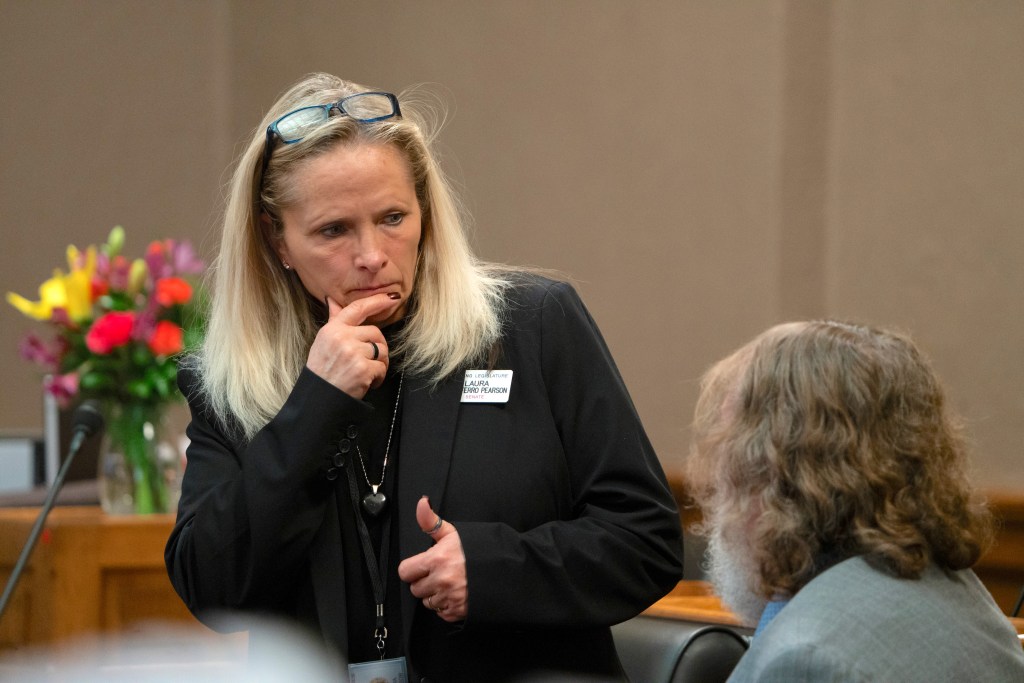
During the Legislature’s 2025 general session, Kemmerer Republican Sen. Laura Pearson introduced a bill, Senate File 118, “Landowner hunting tags-amendments,” that would have allowed landowners to sell their landowner tags via an open market — a structure some other western states allow, where the tags often fetch big bucks. Hunting organizations lobbying in Cheyenne worried that the bill would create more interest in the landowner license program, exacerbating problems that already exist for public hunters disadvantaged by the current system.
Pearson pulled back her bill. But already, landowner licenses have been broached in two legislative committees during the interim period ahead of the 2026 budget session. Dave True, a Natrona County rancher, pitched an idea in June to the Travel, Recreation, Wildlife and Cultural Resources Committee that would allow for landowner licenses to be saleable under certain conditions, such as by those who possess at least 2,000 acres.
The transferable tag idea also came up at a June meeting of the Agriculture, State and Public Lands & Water Resources Committee. Tempers flared, the Powell Tribune reported.

Bell, the Wyoming Wildlife Taskforce co-chair who’s now a Game and Fish commissioner, told WyoFile that he believes the Legislature is where the “best solutions” are going to come from. He specified that he spoke only for himself.
“Something that the Legislature can take up … is allowing the [Game and Fish] commission to put a cap on the amount of landowner tags in any given area,” Bell said.
But Bell also warned that a firestorm awaits if lawmakers hit the gas on making landowner tags saleable. During his time on the Wyoming Wildlife Taskforce, he heard and reviewed hundreds of public comments that revealed what resident sportspeople make of the idea.
“It will change the landscape of hunting in Wyoming forever — that’s what we got back from that public comment,” Bell said. “It’s not going to go over well with sportsmen. It’s going to go over just about as well as selling our public lands.”

I would love to be in a room where the question is asked “who is surprised about this?”Then, “who is against it?” I think it would be really telling.
A fair solution to part of the problem would be to limit the proportion of landowner licenses issued in any given unit based upon the proportion of private land in that unit. So, if only 15% of the land in the unit is private, only 15% of the total license quota would be available to landowners.
I think I understand that. When the wealthy owners buy the public land that the politicians are trying to sell they will have 100 percent of the tags.
Instead of your suggestion, why not just leave landowner tags out of the total quota completely. You seem to think that landowners should not receive any kind of compensation for supplying habitat for wildlife.
Just like selling PUBLIC land, this topic comes up every few years. It’s a bad idea so give it up. We’ll never give up.
Bell thinks the legislature is where the “best solutions” are going to come from. I have my doubts, unless the public pays attention. How about starting a counter movement to completely do away with landowner tags.
How smart woud that be? The land owner has the right to forbid anyone on his land to hunt or whatever.
hunting tags marion. he’s talking about hunting tags. please try to read the article.
I think her point was that there wouldn’t be any increase in actual land available for hunting. Don’t be so quick to condescend.
The point being, why as a landowner would I allow hunting on my land, if I couldn’t hunt it myself.
I agree Mike. 90% of the hunting population can’t get on private land anyways and that’s where most of the elk go to anyways specially when they are getting pressured on public land. Maybe then some land owners may start to let people hunt and have a chance at getting a elk, deer or whatever they are hunting. After all these land owners don’t own these animals.