

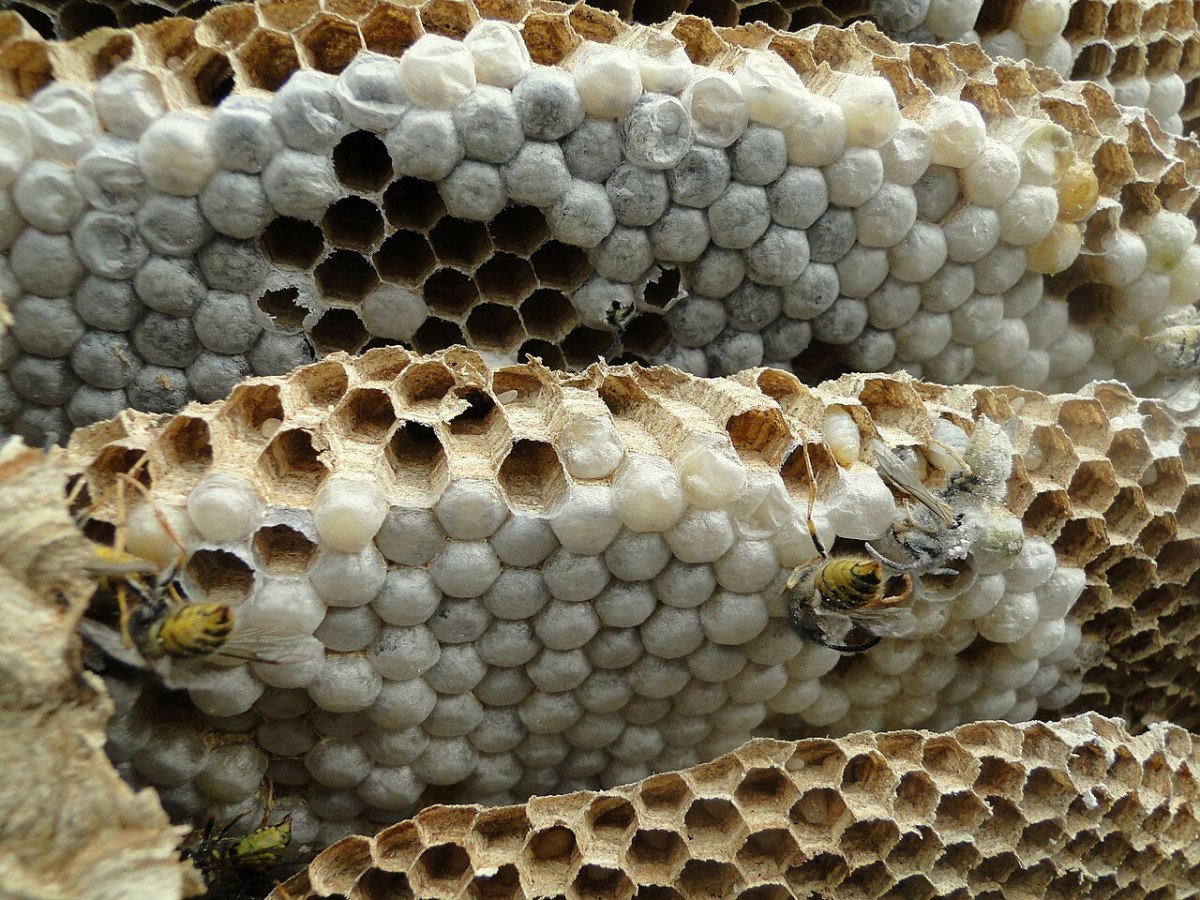
In July, federal officials reported that a radioactive wasp nest was found at the Savannah River nuclear site, an area of slightly more than 300 square miles in the sandhills of South Carolina. Built in the 1950s, the site produced plutonium and tritium to be used in the production of nuclear weapons. In 1996, following the end of the Cold War, the Department of Energy’s Office of Environmental Management began cleanup at Savannah River. This requires dealing with 34.5 million gallons of radioactive liquid waste stored in 43 underground tanks. Other cleanup work includes diluting and disposing of surplus plutonium, and storing or transporting highly enriched uranium as well as both foreign and domestic spent nuclear fuel. Finally, crews will need to dismantle the site and restore the soil and groundwater to a safe condition. The Office of Environmental Management estimates that the process will be complete by 2065, meaning that cleanup will take longer than the site operated.
Opinion
The Savannah River radioactive wasp nest was sprayed to kill the wasps and then bagged as radiological waste. The Department of Energy reported that radioactivity in the nest resulted from the release of past radioactive contaminants, labeling that as “on-site legacy radioactive contamination.” The radioactive nest was not, they said, the result of a leak or loss of contamination control, adding that it posed no health risks.
A few weeks after that first discovery, workers found three more radioactive wasp nests, an indication, according to University of South Carolina biologist Dr. Timothy Mousseau, that there are contaminants in the area that have not been encased and protected. Dr. Mousseau, who studies organisms living in radioactive environments, noted that the government report didn’t indicate the absolute level of radioactivity, the specific isotopes in the nest or the species of wasp that was found, details that would provide clues to the source of contamination. Many wasps, for example, make nests out of wood they have chewed to pulp,which would suggest the presence of radioactive wood nearby. Calling the radioactive wasp nests a red flag, Mousseau said we need to determine if other radioactive material is moving through the ecosystem.
Two things have made the story of the radioactive wasp nests feel personal. One is the introduction during the 2025 Legislature of a bill to allow the manufacture of small nuclear reactors in Wyoming while also opening us to being a disposal site for spent nuclear fuel generated both inside and outside the state. This bill did not become law, but there are several proposals for similar legislation to be introduced during the 2026 session. We need to address not only the risks associated with building nuclear reactors and storing nuclear waste, but also the dangers associated with possibly bringing high-level radioactive spent fuel into Wyoming for reprocessing.
I don’t see how we can engage in further nuclear development until we can guarantee a way to safely and permanently store spent nuclear materials — radioactive garbage. We don’t currently know how to get rid of this stuff and we know that even the proposed new nuclear reactors will generate radioactive waste that will need to be stored for what, in practical human terms, amounts to just about forever. And while the new reactors are said to be safer than the old, safer does not necessarily mean safe. That’s the reality we face.
This brings me back to the wasps who may be building radioactive homes as a result of chewing up radioactive wood left over from radioactive contaminants released in the past. I often sit on my back porch, where I covered the underside of the metal roof with willow branches — hundreds and hundreds hammered in place with 5 penny finishing nails. The smell of willow fills the porch, especially on hot days. It’s beautiful not only to me but to wasps who build their nests in the cracks and crannies made by the overlapping willow branches. I knock the nests down by hand and sometimes spray them like crazy with water. While I never get rid of the wasps, I keep their numbers low enough that they’re not much of a nuisance. Actually, I like wasps, finding them to be elegant creatures living lives far beyond our own. I hate that at Savannah River, they’re being irradiated by activities associated with the production, storage and disposal of radioactive materials. They are examples of what we often call innocent victims, those we are called upon to protect.
I don’t like the idea of radioactive wasps either but have a hard time getting what he’s saying. Wasps are elegant? Worker wasps live a few weeks and die so I don’t get how that’s a life beyond our own. They hatch, work, breed the queen and die.
Thank You, David. We must be ever vigilant in this regard. The Radiant campaign calls for a change in the law which would open up our beautiful Wyoming to become a nuclear garbage dump. The thought of that is sickening.
Wyoming has become a repository for toxic politics, empowering the Orwellian clowns of the Freedom Caucus and their ilk who support a toxic dictator. Make it a trifecta…go for the radioactive garbage! What can possibly go wrong?