
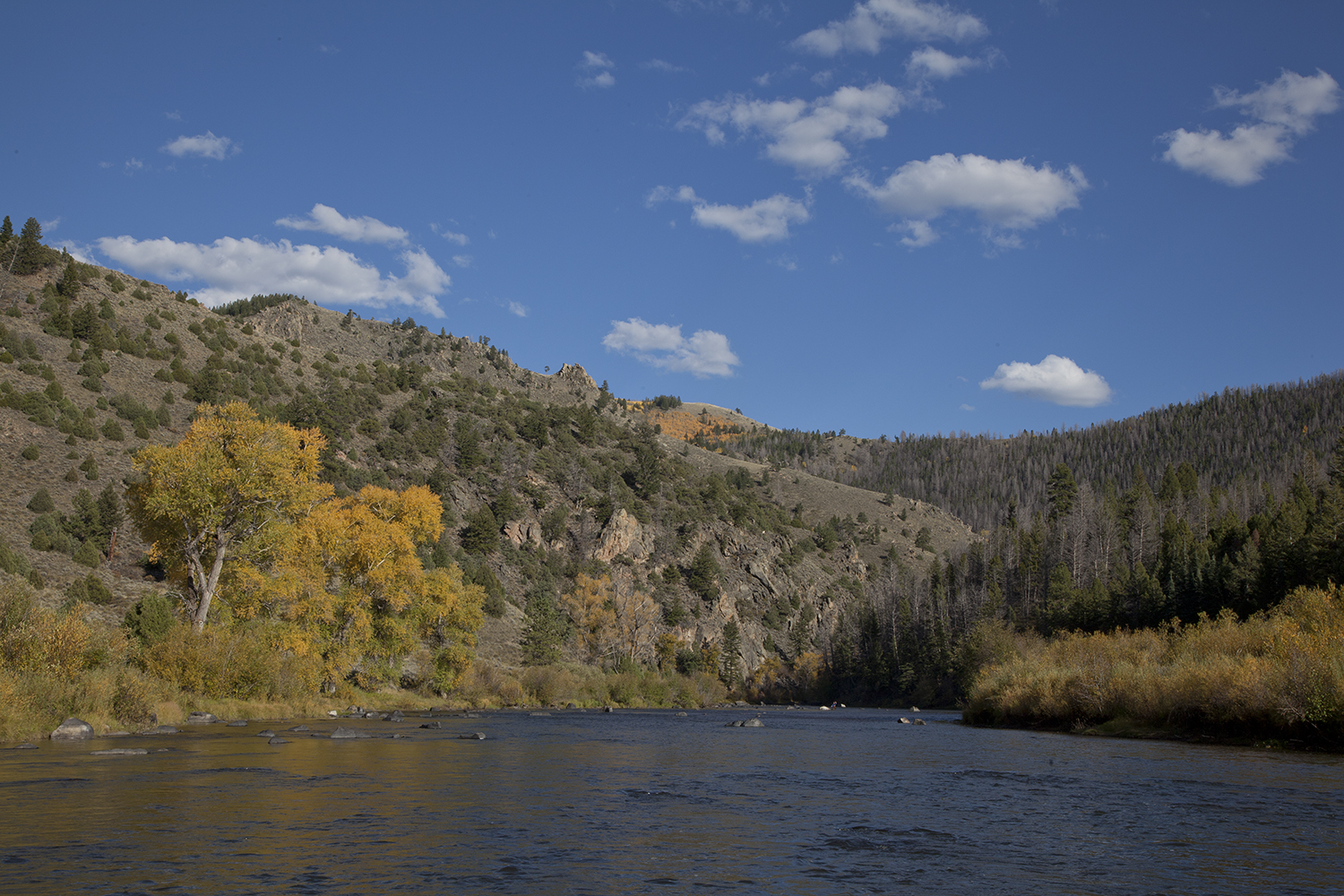

A lingering “snow drought” has triggered an early season restriction on diversions from the North Platte River and its tributaries, primarily shutting off water spigots for municipalities and some large industrial users — from Guernsey Reservoir all the way upstream beyond Pathfinder Reservoir.
The Wyoming State Engineer’s Office issued a “priority administration” order Thursday, requiring junior rights water holders along the river system to immediately cease diverting water. The order could remain in effect through April.

Before Thursday’s official notice, the engineer’s office contacted 18 municipalities and five “major” industrial water users “to prepare them for a potential call,” the agency told WyoFile. The entities include Encampment, Riverside, the Sierra Madre Joint Powers Board, Saratoga, Rawlins, Sinclair, Rock River, Elk Mountain, Hanna, Medicine Bow, Casper, the Central Wyoming Regional Water System Joint Powers Board, Rolling Hills, Mills, Evansville, Glenrock, Douglas and Glendo.
“Nearly all have secured replacement water options or mitigation strategies to address impacts on junior water rights,” State Engineer Brandon Gebhart told WyoFile.
Low snowpack compounded by “multiple years of drought” and “low reservoir storage carryover” are to blame.
“Based on existing water supply, snowpack and forecasted runoff, it is anticipated that water supplies will be below average in 2026,” the office said.
The “snow-water equivalent” along the North Platte in Wyoming ranges from 35% to 63% — well below average for this time of year, according to the National Weather Service in Cheyenne.
“Pretty much the whole region along the North Platte is experiencing at least some form of drought,” NWS meteorologist Colby Goatley told WyoFile on Monday.
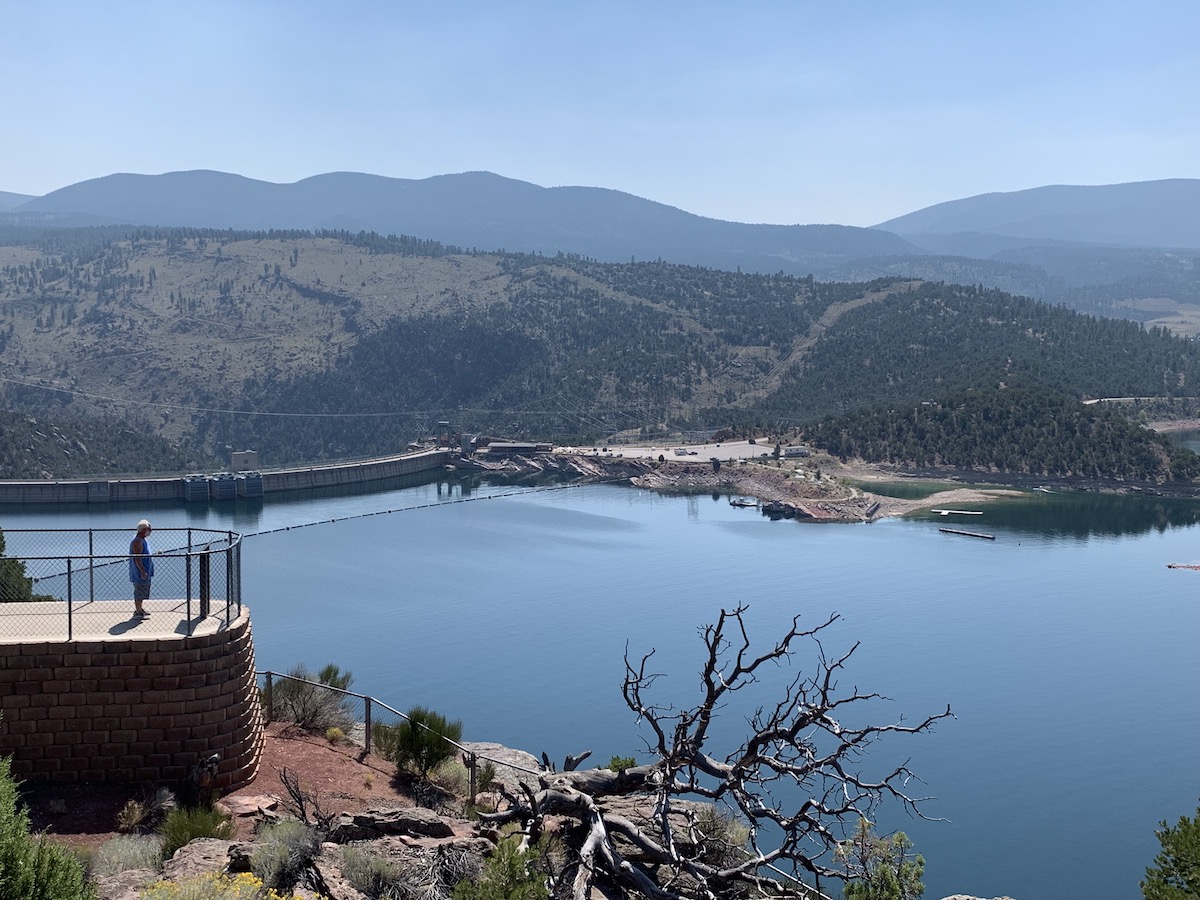
Last month, the state engineer warned that continuing drought conditions and lack of snow make it likely that Colorado River water managers will tap Flaming Gorge Reservoir for significant extra releases this spring to help maintain Lake Powell.
Who gets shut off?
In water law legalese, the restriction applies to water rights upstream of Pathfinder that are junior to the Dec. 6, 1904 priority, and water rights upstream of Guernsey that are junior to the April 20, 1923 priority, according to the engineer’s office.
More generally, the first-in-time, first-in-right water appropriations doctrine means those who gained their water right last are the first held to restrictions. The oldest, most senior water rights, are last to be restricted.
Typically, agricultural operations make up the bulk of senior water rights.
The exact water appropriation protocols for the North Platte River applicable today are spelled out in the 2001 Modified North Platte Decree, the agency noted.
“This call for administration may impact any municipality or industrial water with groundwater or surface water rights diverted in the North Platte Basin,” Gebhart told WyoFile via email. “Many of North Platte water users hold a portfolio of water rights that include both senior and junior priorities. Only those with junior priority dates are affected by this call.”
Municipalities typically rely on a portfolio of water sources, and they may even acquire some “senior” water rights. However, as towns grow, they inevitably acquire water rights that are junior — first in the pecking order to be shut off, according to one city official who didn’t want to be named. In some cases, a golf course may have a water right that is senior to the town’s water rights, the official said.

A 2022 WyoFile examination found that in southwestern Wyoming — where the Colorado River Compact is the water law of the land — municipalities are among the most vulnerable in a restriction order. In some instances, industrial users have purchased senior water rights to protect themselves from water restrictions. That was the case for the Sinclair refinery outside Rawlins, which bought a ranch in the upper North Platte River valley in south-central Wyoming with senior water rights.
Preparations
The engineer’s office is asking towns and industrial users that may be impacted to assess their water rights portfolios and determine whether their water demand will exceed their “reliable water supply for the upcoming year.” The office also indicated “many of the municipalities located within the North Platte River basin have secured replacement water … in the event their existing rights cannot meet the water demand of the community.”
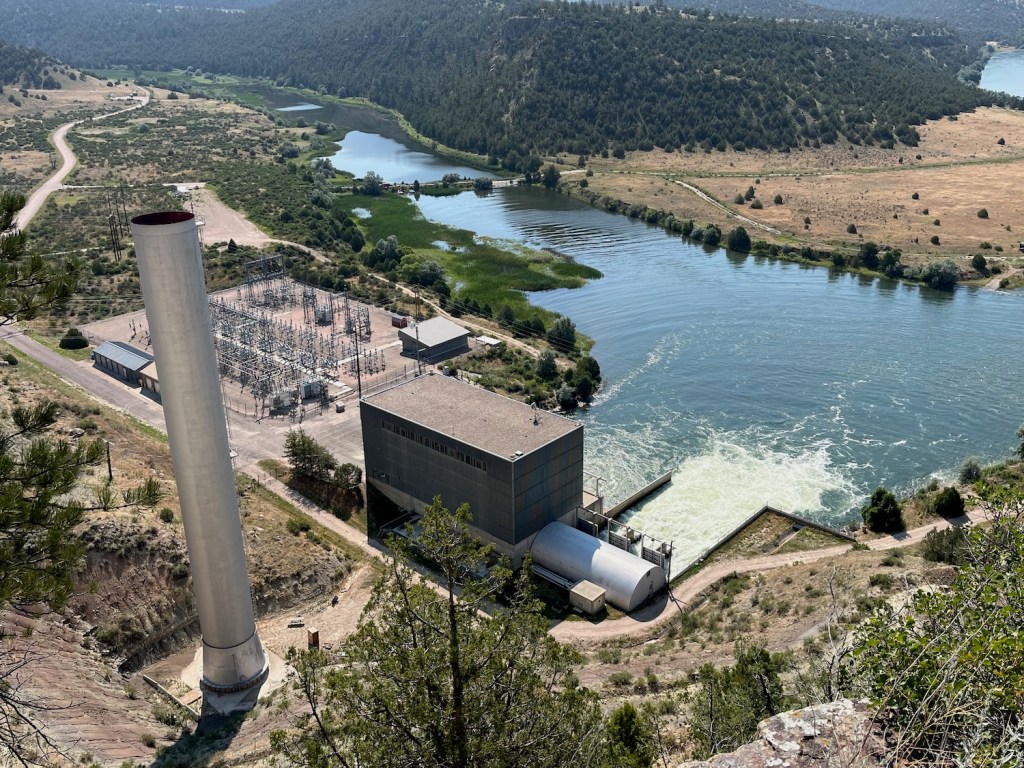
The state holds some “contracted storage” in Pathfinder and Glendo reservoirs to serve as an emergency backup for water-strapped communities in the North Platte River system, according to the engineer’s office. This backup storage includes about 12,237 acre-feet in Pathfinder today, Gebhart said.
“This allows municipalities and industries to lease water from these accounts to meet their replacement requirements.
“Additionally,” Gebhart added, “the Bureau of Reclamation has the right to issue temporary, one-year-or-less contracts for water for beneficial use in the Platte River Basin in the State of Wyoming from Glendo Reservoir. These contracts may be used for irrigation, municipal and industrial uses, if water is available.”
Whether it’s a town or otherwise, junior water users along the North Platte subject to the call “will be granted a brief grace period to make necessary arrangements before services are shut off,” Gebhart told WyoFile.
Agriculture, of course, is the largest water user along the North Platte, and ranchers are bracing for a poor snowmelt this spring with few good options to prepare.
A wintertime call to shut down junior right diversions on Pass Creek, for example, is “futile,” Carbon County rancher Chris Williams told WyoFile. That means the water savings, right now, still doesn’t leave enough water for senior water right holders to manage water in preparation for a below-average spring runoff.
“We’re on the razor edge of disaster if it doesn’t start snowing,” Williams said. “There’s nothing, man.”
