

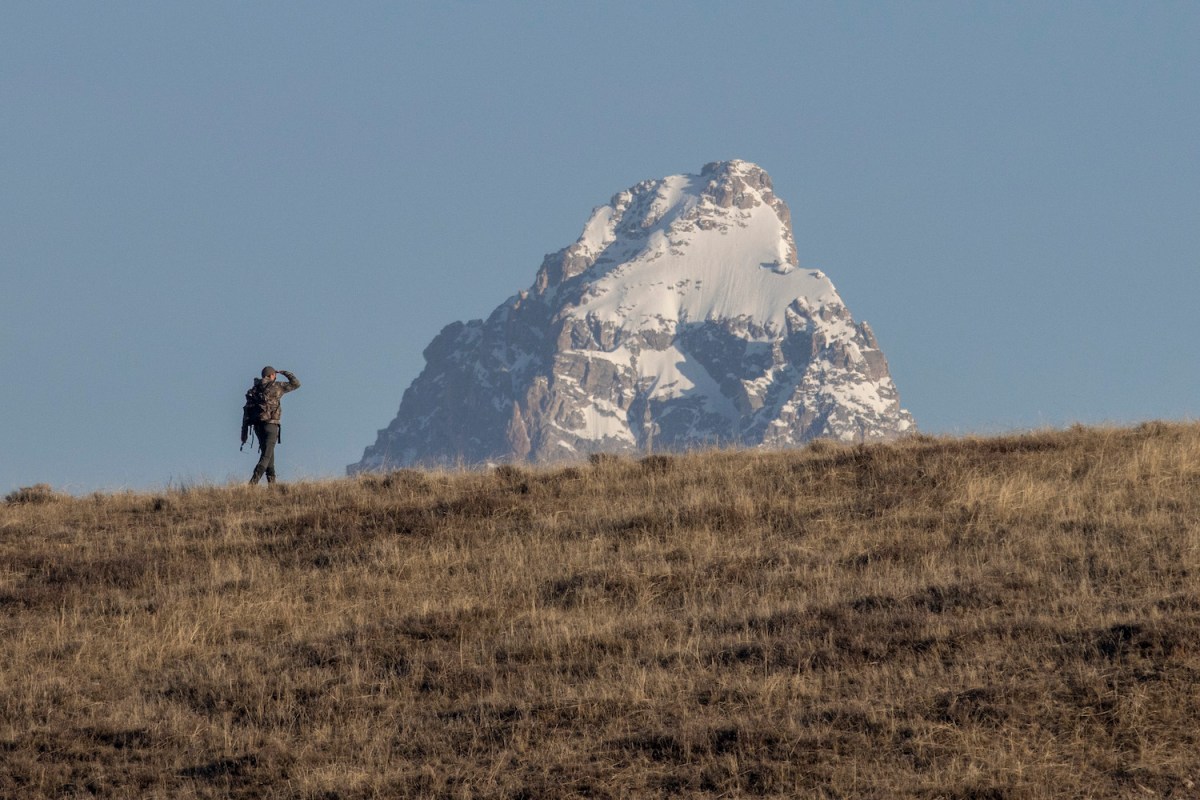
Lobbyists who advocate for Wyoming’s sportspeople showed up to the state Capitol this winter geared up for a big fight over two “landowner” hunting license bills. The measures sparked worries about the effects of pay-to-play hunting and stoked concerns that the change in law could hurt ordinary hunters’ odds of acquiring tags in public lotteries.
There wasn’t much of a fight to be had, however. Despite having legislative committee support, both bills were killed decisively by the Wyoming Senate almost right away.
“I expected that conversation to keep going during the session, and was surprised when it didn’t,” recalled Jess Johnson, a longtime lobbyist for the Wyoming Wildlife Federation. “I was able to switch efforts, and [work on] moving the positive things through, which was a really pleasant surprise.”
Later, a third landowner license bill — Senate File 25 — died on its final reading in the House of Representatives. The bill, to let the Wyoming Game and Fish Commission set limits on landowner license recipients, was voted down 29-31. The majority of those opposed were Wyoming Freedom Caucus members and allies.
A bill that sought to conform Wyoming law to recognize the legality of corner crossing met the same fate. House Bill 19, “Corner crossing clarification,” died in the Senate after controversial amendments caused critics to argue it caused more confusion than clarity in the law.
But for lobbyists who advocate on behalf of wildlife and wild places, the quick death of the first two more divisive landowner license bills mostly set the tone of the Wyoming Legislature’s 2026 budget session. Amid big fights over the so-called Checkgate controversy and high-profile cuts to institutions like the University of Wyoming, wildlife and public lands mostly were “left alone,” Johnson said.
It was a contrast to the Legislature’s 2025 general session, when there was a plethora of wildlife-related bills that caused a stir. That winter, there were controversial measures related to divesting of federal lands, grizzly bears, mountain lions, river otters, landowner licenses, running over wildlife with snowmobiles and more.
A year later, many of the notable wildlife and wildland-related tensions were related to funding levels — no surprise, because the chief purpose of the session was passing a budget. Gov. Mark Gordon signed a two-year, approximately $11 billion budget last week that was only about 0.5% less than his recommended funding level.
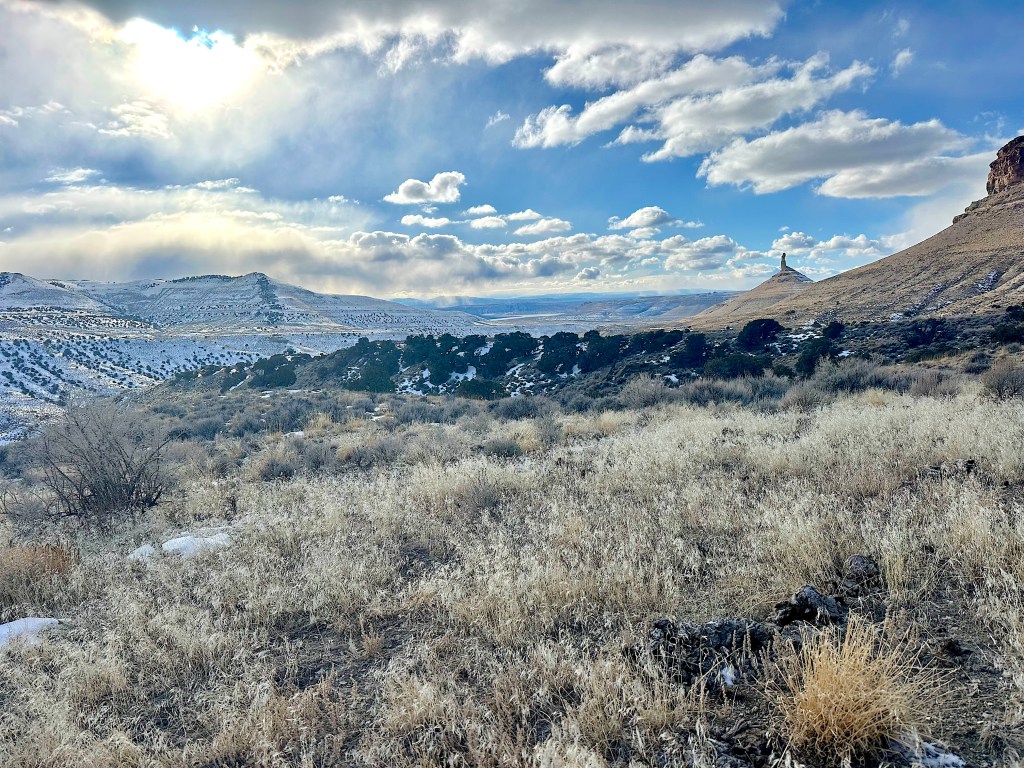
One gap between Gordon’s recommendation and the proposal from the powerful Joint Appropriations Committee related to funding for spraying cheatgrass and other invasive annual grasses, which are slowly overtaking Wyoming rangelands and threatening western ecosystems.
Split between two pots, the governor wanted to spend roughly $40 million on the cause. The Wyoming Senate agreed to that spending level, but the Joint Appropriations Committee and Freedom Caucus-controlled House stood firm on cutting $13 million.
When lawmakers from the two chambers met to negotiate in a Joint Conference Committee, they closed the gap. They agreed to add $9 million back, meaning that the final cut was only $4 million.
“We’re very pleased with what they’ve done,” said Wyoming Wildlife and Natural Resource Trust Executive Director Bob Budd, who’ll help administer the funds.
There was also some disagreement over how much to spend on creating Wyoming’s first-ever professional wildland firefighting teams. The Joint Appropriations Committee pared down Gordon’s $5.1 million budget request by half, so it would have funded one team, not two. Early on, however, the House reinstated funds for a second team, and the higher spending stuck through to the completed budget, recalled Wyoming Outdoor Council lobbyist Auna Kaufmann.
“Everybody knows that we need to put our money where our mouth is when it comes to wildfire,” Kaufmann said. “Seeing that [funding] actually come together this session was really, really good.”
One public lands-related measure got a surprising show of support in the statehouse this session. Just one year ago, the Wyoming Senate almost signed off on a symbolic resolution demanding Congress turn over all federal land in the state but Yellowstone.
“It was really hard to kill,” Johnson said. “We killed it by one vote.”
So public lands advocates weren’t especially optimistic for the prospects of Senate Joint Resolution 9, which calls in its title for “Keeping public lands protected and decisions local.” Gillette Republican Senator and gubernatorial candidate Eric Barlow was the lead sponsor on the measure.
Although it was essentially the antithesis of the hard-fought 2025 resolution that called for getting rid of federal land, Barlow’s resolution passed by wide margins in every vote and was signed by Gordon on Monday.
“It was such a huge, 180-degree flip,” Kaufmann said. “It really brought folks together. And it articulated Wyoming’s actual values around public lands, because it’s overwhelmingly supported in Wyoming to keep public lands public.”
For more legislative coverage, click here.

Thanks for the recap.