

This story is part of a collaborative legislative initiative by WyoFile, Wyoming Tribune Eagle, The Sheridan Press and Jackson Hole News&Guide to deliver comprehensive coverage of Wyoming’s 2026 budget session.
CHEYENNE—Businesses from around the world have access to Wyoming’s tax structure by relying on registered agents who operate in the state and shield their clients from public scrutiny. For now, a registered agent must only have contact information for the business.
A bill to require registered agents to keep more detailed information on file failed to advance in the Wyoming House of Representatives during the Legislature’s 2026 budget session.
Senate File 82, “Duties of registered agents-amendments,” sought to require registered agents to retain the names and addresses of each entity’s owners, unless the entity has more than 100 owners or maintains a fixed, physical business location in Wyoming.
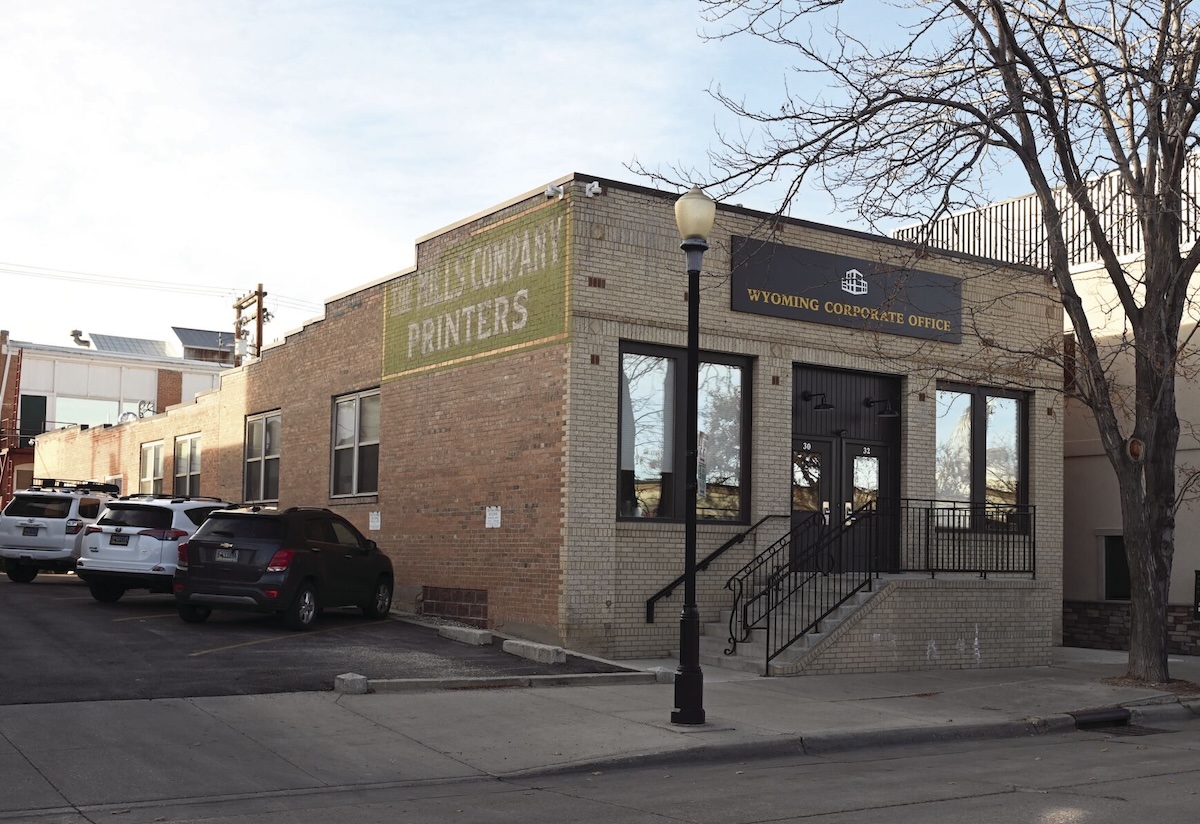
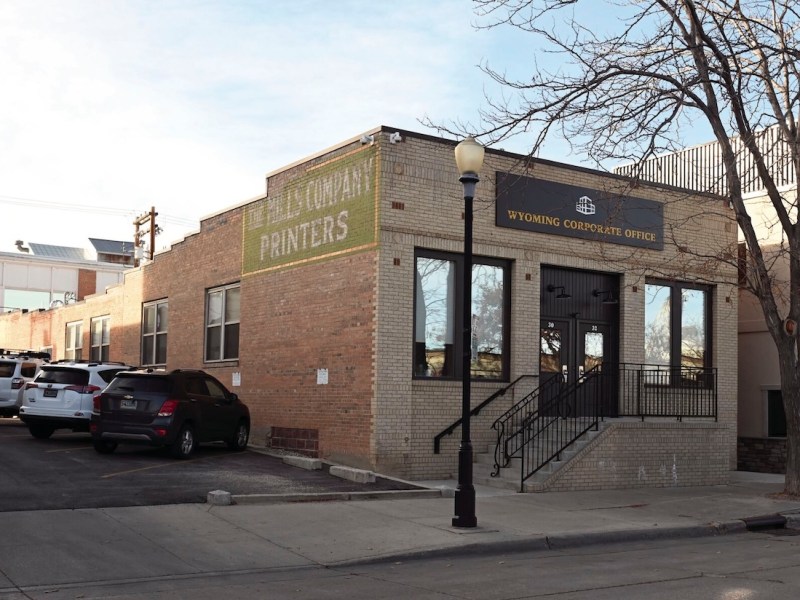
The bill took aim at criminal activity around the state, and specifically in Sheridan County. Every year, the Sheridan Police Department, Sheridan County Chamber of Commerce and The Sheridan Press all receive calls from people concerned they’ve been scammed by businesses registered at 30 N. Gould St. The 4,125-square-foot office building in downtown Sheridan is the listed address for hundreds of thousands of limited liability companies. They’re not physically operating there, but using registered agents that operate out of the building. Other locations in Sheridan County and Wyoming operate similarly.
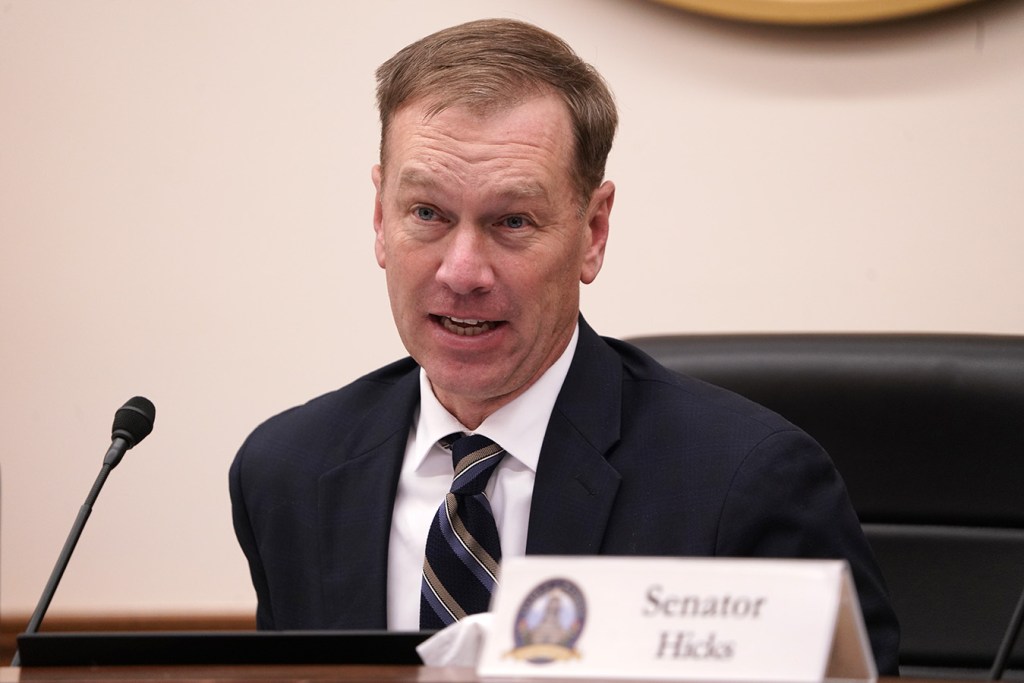
The House Corporations, Elections and Political Subdivisions Committee voted to table the bill, sponsored by Sen. Barry Crago, R-Buffalo, until the interim, which killed it for the session. While Crago would have liked for the bill to become law this year, it ultimately achieved its broader goal.
“I’m not terribly disappointed, because the bill really did what it was supposed to do, which is open some eyes and some ears and get people talking and thinking,” Crago told The Sheridan Press.
Secretary of State Chuck Gray previously testified that the state had more than 830,000 business filings in fiscal year 2025, which generated about $59.6 million. By Gray’s estimates, though, Wyoming’s business filings could decrease by 35-40% if the bill becomes law.
David Pope, a Cheyenne Certified Public Accountant and a Wyoming registered agent, told the committee and The Sheridan Press the decrease would likely have come from legitimate business entities with a need or desire for privacy.
“You wouldn’t lose the fraudulent ones, because that bill wouldn’t have done anything to catch that,” Pope said.
Working through fraud related to Wyoming’s registered agents in the interim between the Legislature’s 2026 budget session and 2027 general session will allow the Joint Corporations, Elections and Political Subdivisions Committee to solicit more input from stakeholders and work more diligently to find broader, more effective solutions than SF 82’s requirements to retain additional information.
Solutions could include implementing technology similar to programs used by Nevada and Delaware, two states also home to many LLCs through registered agents.
Nevada launched “Project Orion” in 2023, an overhaul of the state’s business licensing portal. Pope said the system helps identify patterns among managers and registered agents.
“That helped them to really prevent fraud up front in a very big way,” Pope told The Sheridan Press.
In an email to The Sheridan Press, Gray said his 2024 budget request included an upgrade to the state’s existing business filing system, though that request was denied. The upgrades, Gray wrote, would have given his office tools similar to those of other states “to better address fraudulent filings” and improve service for the state’s legitimate business filers.
He did not answer a question asking what he knows about the software used in Delaware and Nevada, nor about the dollar amount of his 2024 budget request.
Before the House corporations committee voted to table the bill, Pope proposed seven amendments to SF 82 to strengthen the bill and combat fraud. Among them was purchasing software similar to Nevada’s “Orion Project” and creating an enforcement division in the secretary of state’s office, as well as various updates to the state’s registered agent statutes.
House Corporations Committee Chair Rep. Tony Locke, R-Casper, and Senate Corporations Committee Chair Sen. Cale Case, R-Lander, both expressed a desire to study registered agent issues during the interim.
Interim topics will be approved at the April 1 Management Council meeting.
For more legislative coverage, click here.