

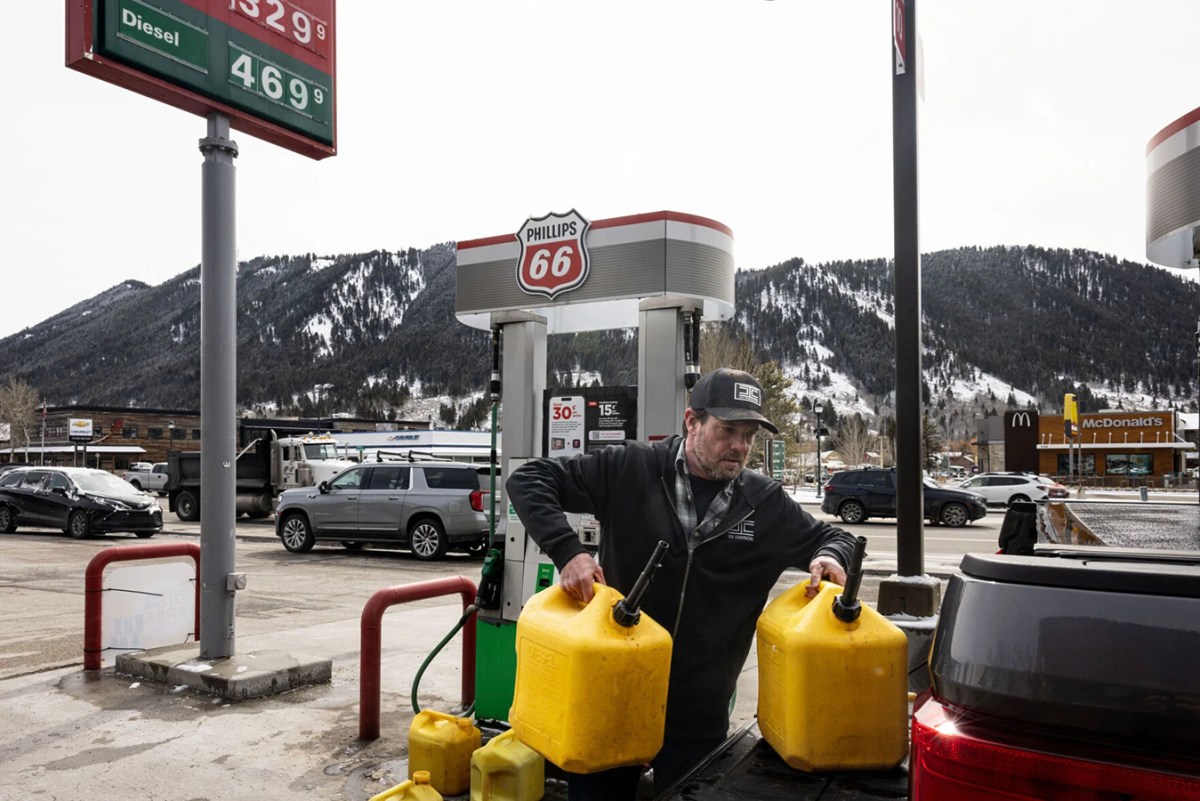
The Iran war has spiked oil prices around the world, risen prices at the pump and driven speculation about inflation as the Trump administration pleads with other nations to help reopen the Strait of Hormuz — a choke point for nearly 20% of the world’s crude oil supply.
What all that means for Wyoming depends on your perspective, according to University of Wyoming Associate Professor of Economics Rob Godby. While higher oil revenues may offer a boon to local producers and state government coffers, he said, the broader and likely longer-lasting implications for consumers and the economy are not good.
For Wyoming consumers, the average price-per-gallon at the pump has jumped 28% from $2.69 a month ago to about $3.45 on Monday, according to the AAA Fuel Prices website.
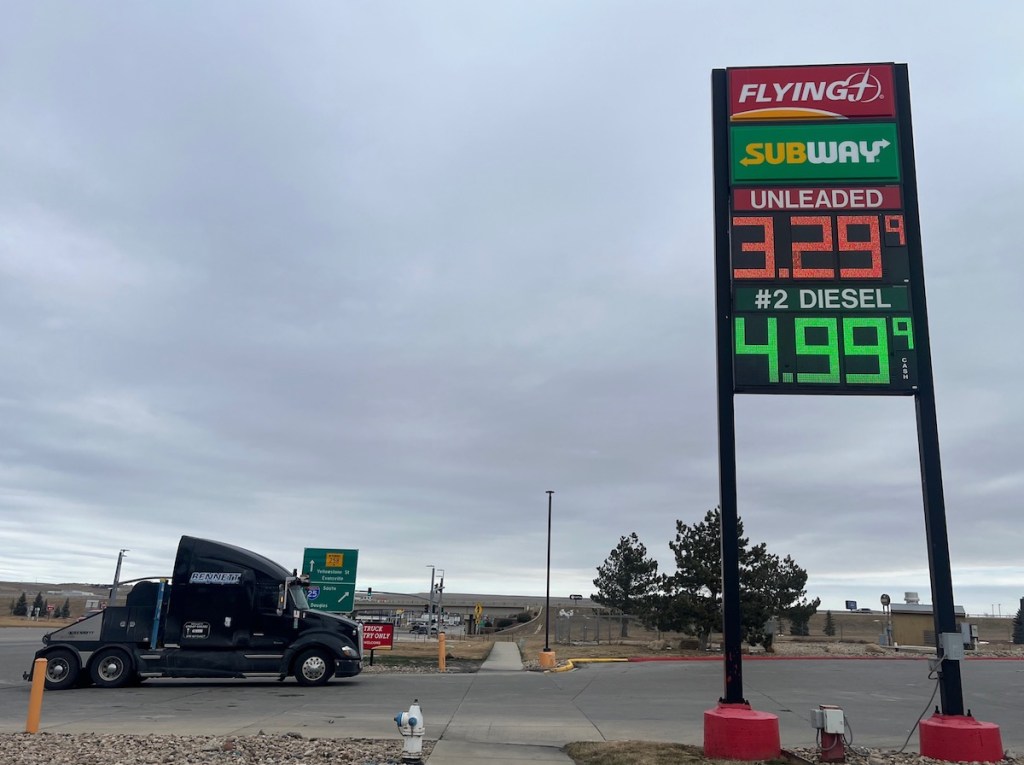
“If you are a consumer,” Godby said, “clearly gasoline prices increasing by 30% to 40% is not so much a benefit, and the benefit to the state’s savings accounts will be cold comfort while you are sitting next to the gas pump watching the price increase at a faster rate than you’ve seen in a few years.”
There are the myriad “secondary effects,” Godby noted, like shipping costs that tend to raise the cost of just about everything that Wyomingites consume, as well as the cost of local services such as trash pickup. More broadly, some economists warn that a prolonged oil market disruption threatens to fuel global and national inflation.
“From a national perspective, concerns of higher inflation mean interest rates will be higher for longer, and that will have continuing negative effects on housing markets and other interest sensitive sectors,” Godby said. “The other problem is fuel prices tend to take a lot longer to come back down than they do to go up, which means consumers will pay a higher price for fuel even after oil prices come back down, even if this is a short-lived conflict.”
A boon for industry and state coffers?
Though the Trump administration’s domestic policies have inspired renewed optimism for boosting the flow of oil and natural gas, producers in Wyoming — who generally, for obvious reasons, favor higher prices — aren’t exactly toasting the global market disruption due to the war in Iran.
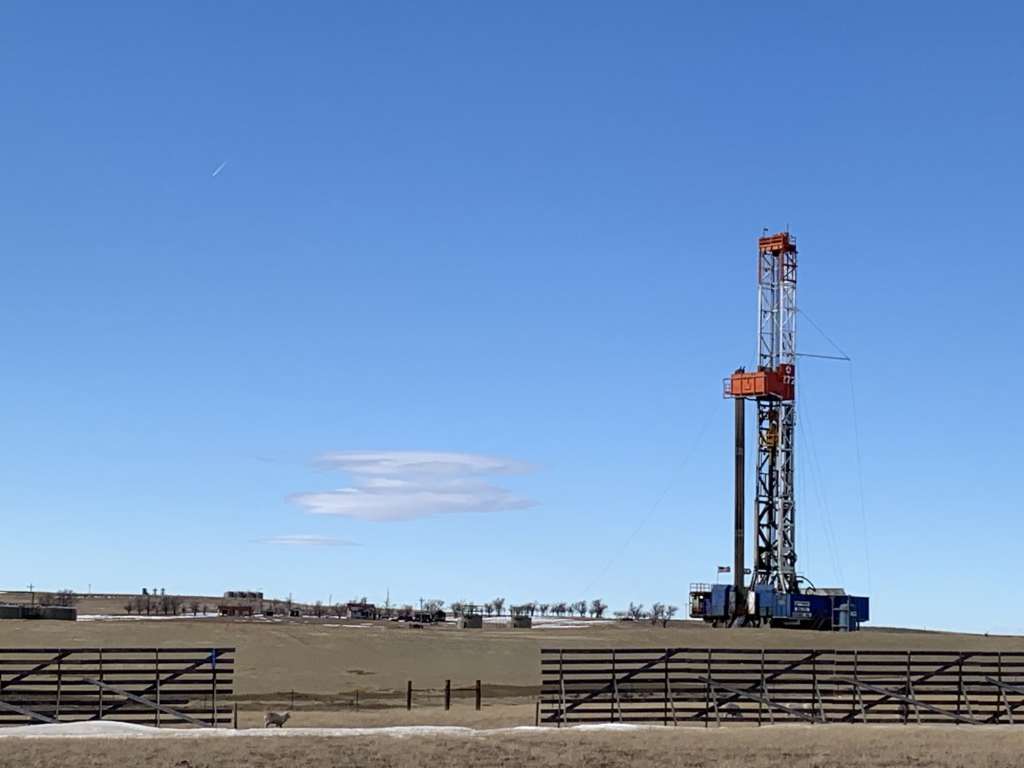
As the price per barrel rises, producers tend to respond by pushing their drillbits down, and refiners crank open their spigots — all eager to chase the dollars. And right now, the industry is looking at a market that has jumped from about $60 per barrel of oil in January to nearly $100 today.
But the reason for it — an escalating war in the Middle East — is a dramatic shock to the system rather than a predictable market trend that inspires confidence, according to industry insiders.
“There is a lot of upheaval in the oil market right now, which can create a lot of uncertainty for producers,” Petroleum Association of Wyoming Vice President and Director of Communications Ryan McConnaughey told WyoFile. “Dramatic increases in prices bring in additional revenues to producers, and to the state in the form of additional tax revenues. But high prices can also suppress economic activity, which in turn reduces demand.”
Fears of a consumer retraction at the gas pump — where the national average Monday had jumped 27% from $2.93 per gallon a month ago to $3.72 — haven’t come to fruition yet. In fact, domestic gasoline consumption trended upward immediately following the U.S. and Israel-led bombings in Iran, according to the Energy Information Administration’s analysis of gasoline supplies.
Some energy analysts have cautioned that the uptick is simply a seasonal increase heading into the spring, as well as a typical reaction to a global event that’s likely to have lasting impacts.
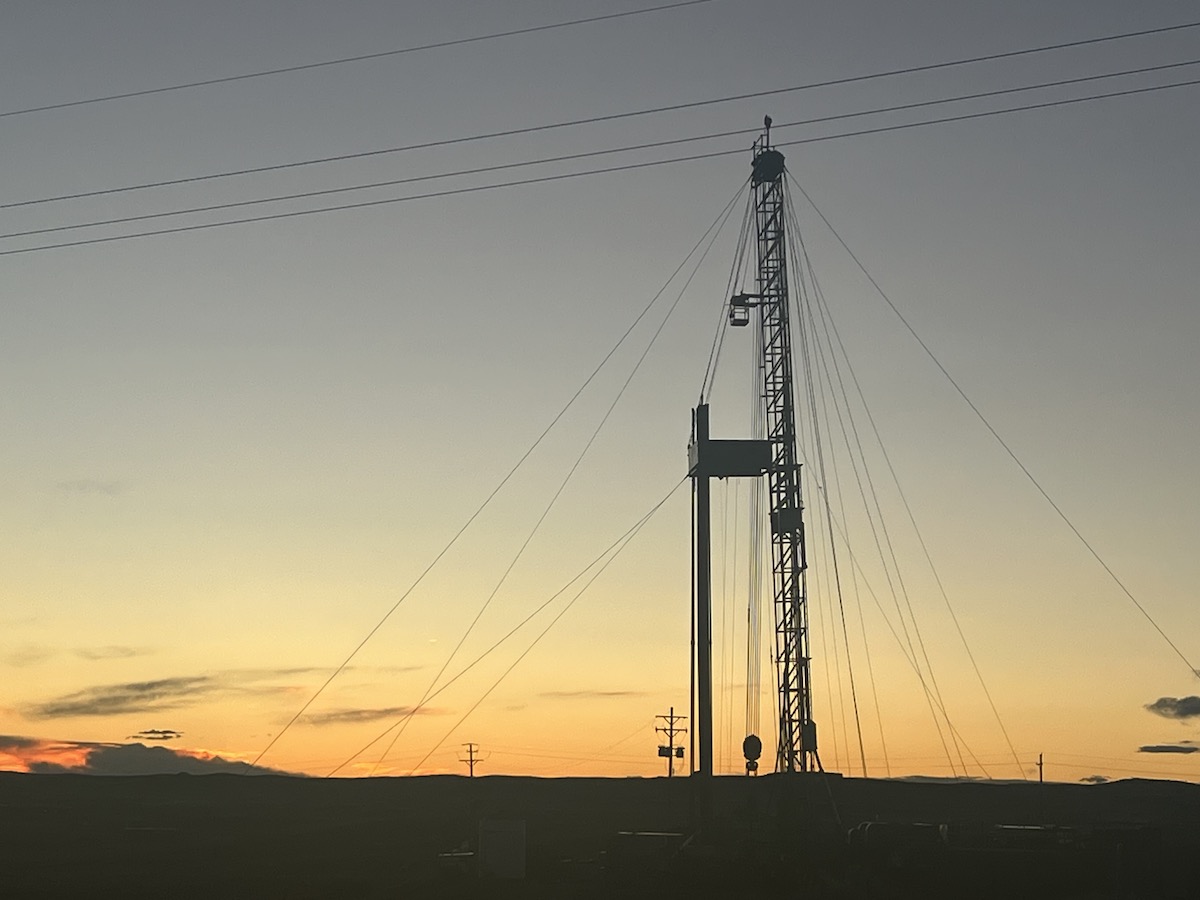
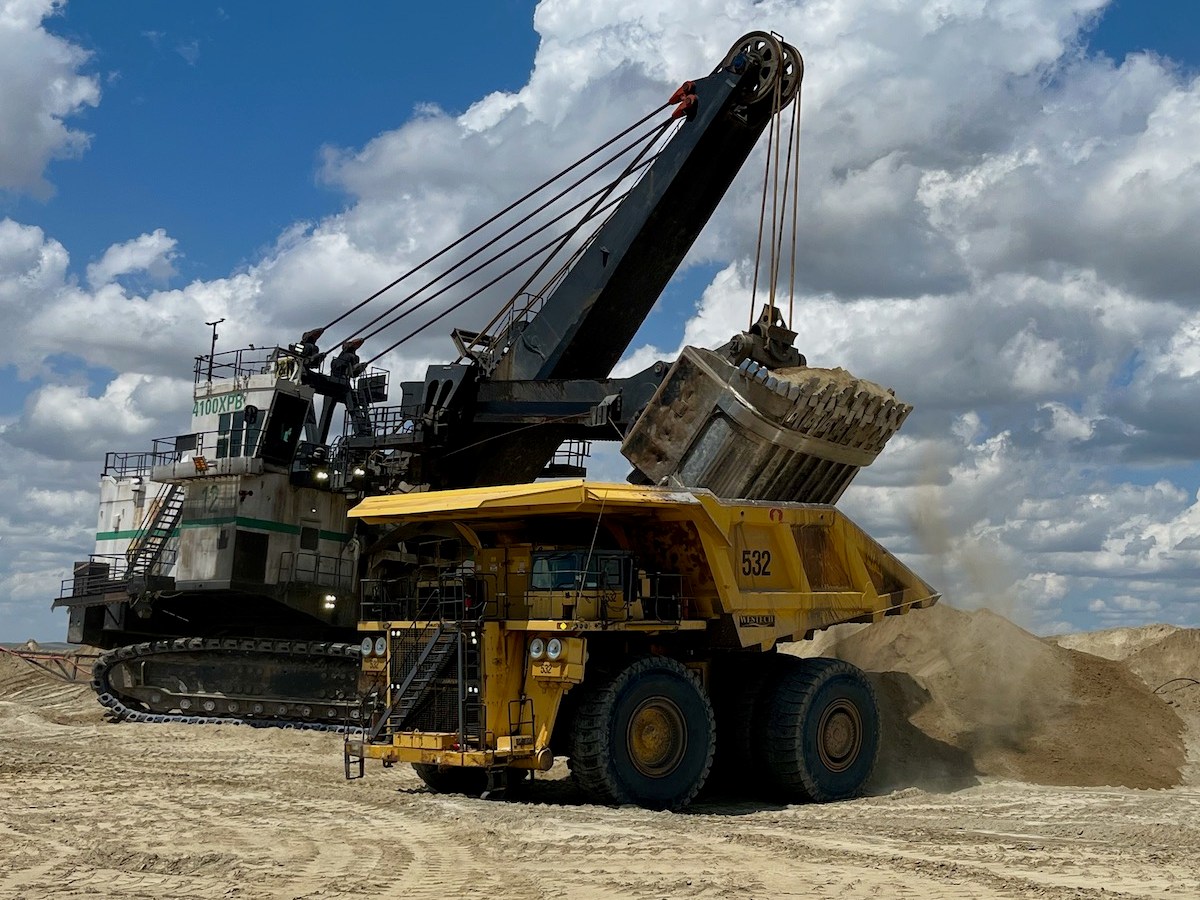
Though Wyoming oil producers will undoubtedly want to respond, there’s only so much they can do to capitalize, according to Godby.
“Producers have very little immediate capacity to increase production, and a war is too uncertain to make a bet on investment and expansion of facilities,” he said. “I expect this will not be a benefit to the Wyoming economy in terms of a production effect.”
If Wyoming oil producers could have their way, they’d choose less chaotic circumstances that sustain a robust $80 per barrel of oil, “where operators are incentivized to increase drilling while not triggering the drain on the economy,” PAW’s McConnaughey said. “Operators tend to have a longer time horizon when it comes to investment decisions and consider oil price forecasts, the regulatory environment, geology and many other factors.”

Unrelated, but in the background there is a McDonald’s. A McDonald’s in Jackson? Where do they find workers? Do they live in the woods and sleep in their cars or something?
Most of Jackson’s workforce is immigrant labor, McD’s, Albertsons, Target etc, etc, etc,.
Guessing they’re used to many people living in a a small apt.
I have to agree with most of the comments that were previously submitted, especially those regarding our egomaniacal orange menace. However, I would have to assign some serious responsibility for the goings on in Washington to Wyoming’s “Three Blind Mice”.
I have yet to hear peep from any of them no matter how illegal, unethical or criminal Trump’s activities are; how they affect your voters doesn’t seem to matter.
Apparently tariffs weren’t enough to hurt families in the U.S.A. and around the world. Unconstitutional tariffs have increased the costs of household items, food, vehicles, etc., at a cost to families in the U.S.A. of $1,000 in 2025. Let’s start a war and increase gas prices for every family another $1,000 a year. Apparently the president and Republican Congress have forgotten all about the Iraq War and the egregious wasted money spent on it, $1.922 trillion (source, Boston College, Political Science Dept.). The Iran War, that our president has started, is nothing more than a red herring ploy to take the focus away from his involvement with Jeffrey Epstein (Epstein files), as many believe. A war that the Republican controlled U.S.A. Congress should have stopped, but chose not to. The president stated he destroyed (3) nuclear sites in Iran in June 2025, so I ask, how could there be an imminent nuclear threat on the U.S.A.? NATO countries aren’t buying the president’s claim that Iran was an imminent threat either and will not support escalating this war. It’s good to know that intelligence still exists somewhere in the world. Our president isn’t working for the American family. All I see him doing is creating disruption, chaos and inflation in the U.S.A. and around the world. Projected increases in fuel costs to every family in 2026, is estimated to be $1,000, as a result of this war. Did this Republican Congress and president consider the collateral damage that would be created by this war? Apparently not. One closing thought, the federal deficit is exceeding $38 trillion, did these geniuses give any thought to that and the natural disasters, e.g., hurricanes, tornadoes, floods and fires that are coming our way? Impeach Trump! Restore honor and democracy to our country and world, PLEASE!
Brian, Trump can and should be removed. But that will not “restore honor and democracy” as you put it.
Many don’t seem to realize that Trump is simply one lymph node in a body(Washington DC) that has metastasized to stage 4.
You realize 39 trillion now is insurmountable and the USA is essentially bankrupt right? And that is due to the BIPARTISAN cancer that is our federal government.
When the hurricanes, fires, tornadoes, and floods come, one day Americans better damn well know how to get by on their own cause Uncle Sam died of syphilis and won’t be there to print money for their govt check.
Trump should be impeached and REMOVED for the Iran war. PERIOD. Just as he should have been removed at the beginning of his first term for bombing Syria.
Instead we got nonsense from the Washington DC dog and pony show over a phone call to Zelensky doing the exact same thing Biden admitted to doing as VP.
Are you not entertained?
OMG, gas went up! Run chicken little.
If the hormuz remains closed then thats a fifth of global oil out of circulation. Thats going to be way more than a little gas increase, your looking down the barrel of an energy crisis that makes the 70s embargo look like a minor supply hiccup.
Richard, most of us need every single penny we can keep in our pockets.
This increase in every Americans spending was COMPLETELY unnecessary and essentially criminal like Trumps predecessors wars.
Trump is under Israel’s thumb and has completed their objective of destabilizing the ME with Iran being the final piece of the puzzle.
Like Bush1/Clinton/Bush2/Obama/Biden, Trump should be removed from office following being Impeached. They should all have adjoining jail cells.
Blind loyalty is the kind chrump likes best
On a positive note this mayhem, created by the felon in the White House, will push the importance of alternative sources of energy. Are we winning yet MAGA?