

Author's Note:
It was a blinding flash of the obvious that hit me as I was driving west toward Centennial. The Laramie Plains were beginning to green up, and we all hoped that this wouldn’t be the bone-dry summer that was predicted. That’s when I realized that most of the best adventures of my life began like this: In a pickup, with the people I love, headed for public land not too far from home.
You don’t have to hire an outfitter or buy a ton of fancy gear to experience nearby public lands. This is Wyoming, and those wild places are closer to you than you might think. The outdoor experiences that shaped me and my family mostly happened less than an hour from home. Public lands are the great American equalizer — they belong to you, no matter where you live, how much leisure time you have or what your financial resources might be.
Opinion
The first outdoor adventures of my life happened with my mom and dad on the river that gave its name to our hometown. My earliest memories of it come from a time before the dams, when the Green River flowed freely from the mountains to its junction with the Colorado, hundreds of miles below. It was our river and we knew it intimately. It was the setting for our family picnics, our hunting and fishing adventures, and my first lessons in the history of my home and family. It was our home water. Now, it’s the river of my memories, the thin ribbon of life flowing through the dry sagebrush country and the deep sandstone chasms of southwest Wyoming. I remember that river — how she smelled, how she looked and how she felt in much the same way I remember my mother’s voice — difficult to describe, but impossible to forget.
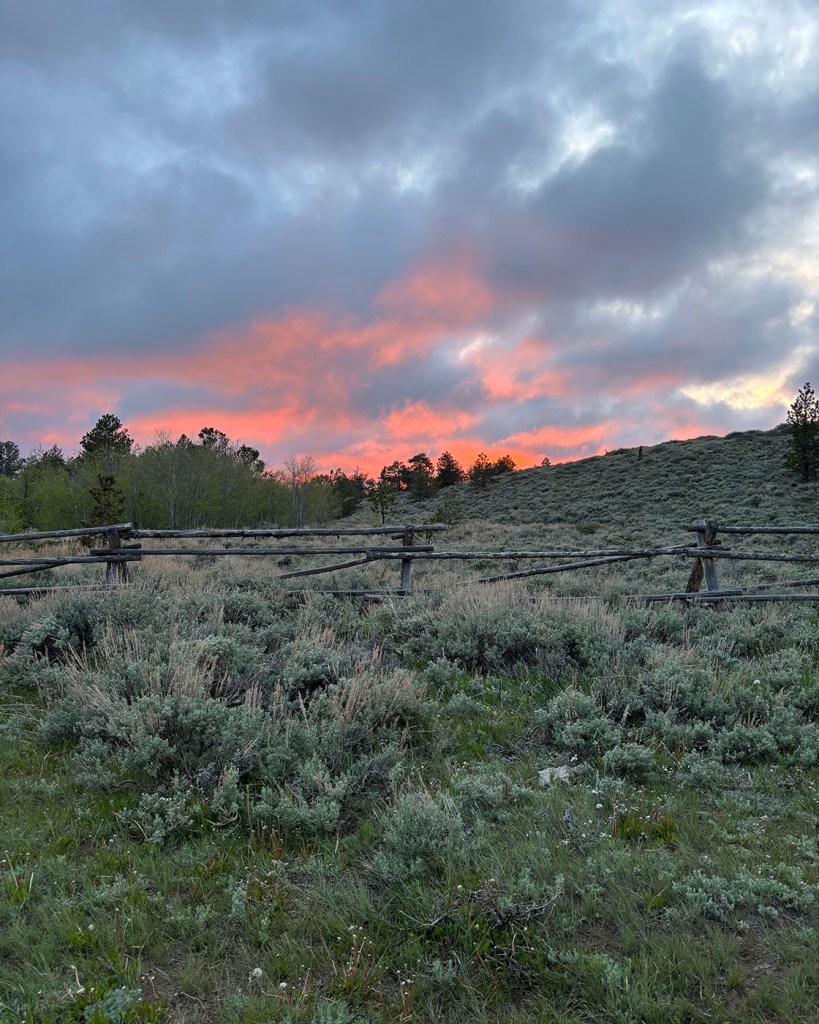
My time in that place has grounded me and sustained me for over 70 years. And the good news is that there is probably a place near you that can be your place. I was reminded of that recently when Kim, my wife, and I spent a few days on public land only 25 minutes from our house in Laramie. It’s heavily used, make no mistake. We did a little reconnaissance mission over Memorial Day weekend and were stunned by the sheer number of folks we saw. But by Monday evening, they were all gone. The place was nearly deserted, and we found a dandy spot to camp in no time. We were on the edge of an aspen grove in a small canyon alive with birdsong as the shadows got long and the cool evening breeze started up.
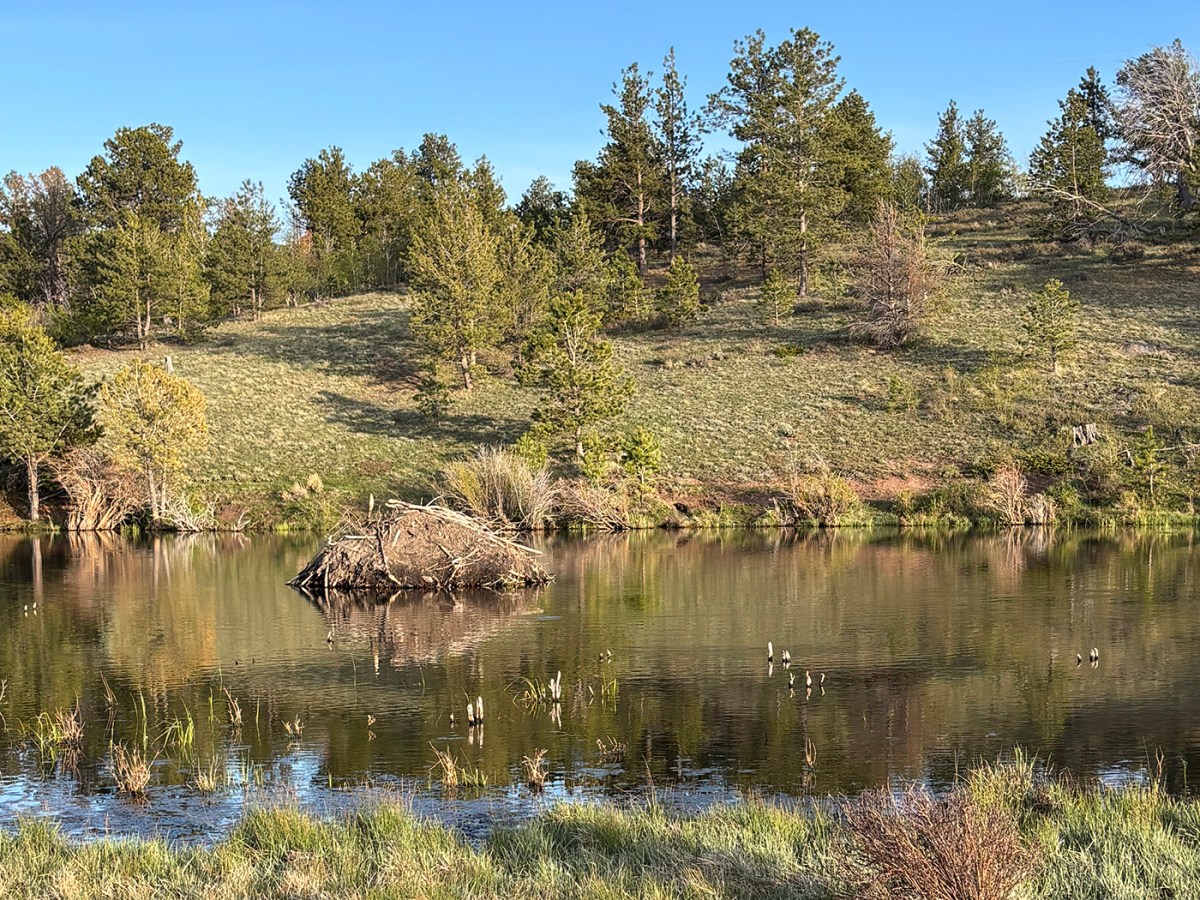
A tiny tributary of Wyoming’s longest creek ran nearby, and we walked up a closed road that followed the stream. We found a series of beaver ponds that stretched for miles. My old friend Leonard Hay said of these aquatic rodents, “They work cheap and I never met a lazy one yet.” Amen, Leonard. Like a string of pearls, these small ponds reflected the sunset. More importantly, they were absolutely alive with wildlife: Moose and muskrats, ospreys and eagles, ravens and woodpeckers and every warbler that I know. Just a small stream on a postage stamp of public land, but it was a magical place.
We just stood there, watching the sun go down on the Laramie Range, and talked about the places we had been together: the Snowy Range, the Wind Rivers, the Red Desert and the Black Hills. Each was special in its own way, and we have loved them in the times and seasons of our 56 years together. But this place, only a half hour from our front door, was unique. It was a place of peace just minutes away from two of Wyoming’s largest cities. It was as far removed from the 21st century as two gallons of gas can take you. It was a wild place that was ours, if just for that moment.

I went back the next morning to fish and caught 15 brook trout, casting a nymph rig on just one pond. Were they trophy fish? No, they were pretty small, maybe 10-13 inches each. Are they native fish, living here from time immemorial? They were not. They, or at least their ancestors, hitched a ride here on a hatchery truck. But they were the kind of fish each generation of our family grew up catching. They’re easy to catch and they taste great. They are the perfect fish for teaching new anglers how to fish. And if there’s anything better than teaching a youngster to catch fish like these on public lands, I’m sure I don’t know what it is.
I do know that this is exactly the kind of place that gave me a passion for the wild things and wild places of my home state. It’s the kind of place Kim and I grew to love more than 50 years ago. It’s the kind of place we took our kids, and later, the kind of place they would take their own kids. It’s not far from home. It’s magnificent. And it’s yours. Don’t let anyone tell you otherwise.

Yep, brook trout are the best tasting trout!
Well said. Enhanced my excitement for a multi day outing this week. Roadlesspublic land has a precious and productive use.