

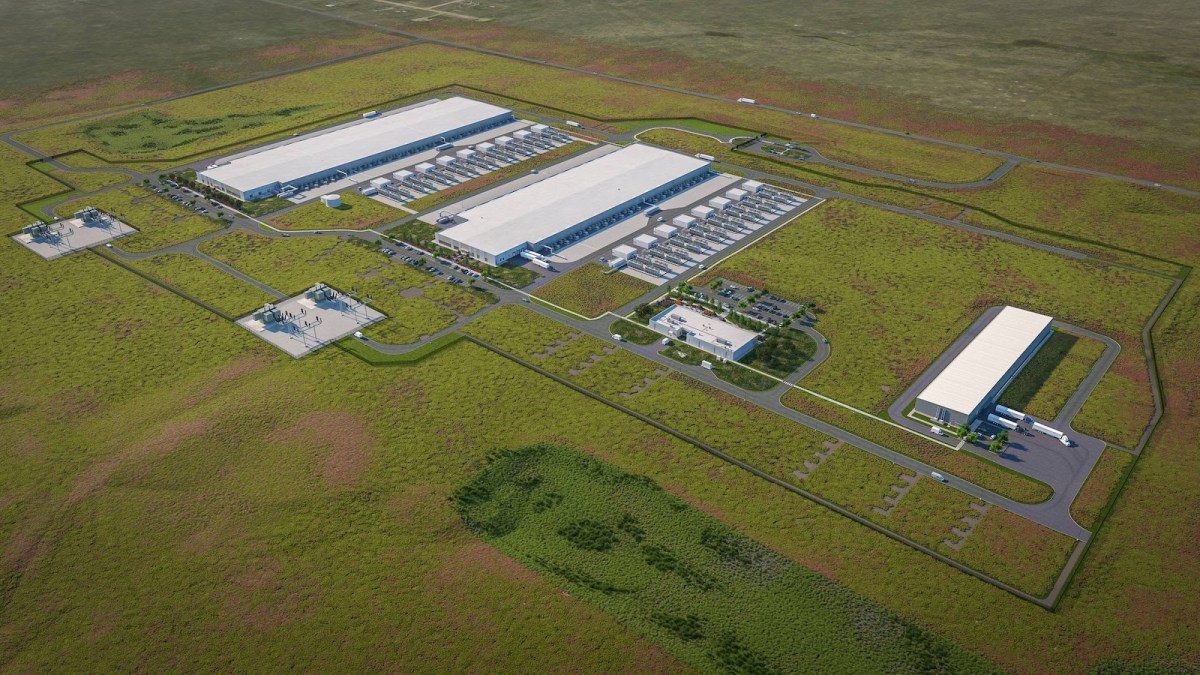
Meta, parent company of Facebook, has told the Cheyenne Board of Public Utilities that a $10,000 fine Meta paid for a pollution citation at a data center construction site is not supported by evidence and should be refunded.
In a six-page appeal of a “notice of noncompliance” Meta asserts that the Cheyenne agency named the wrong party, didn’t explain the legal basis for the fine and provided no evidence that a dangerous bacteria came from Meta Cheyenne Data Center as charged.
The appeal asks for a hearing with the state’s independent office that examines administrative conflicts. The Meta appeal also states that Cheyenne has not established that cleanup costs it may seek to recover were caused by Goat Systems, a company Meta used to conduct business before it unveiled its plans for the center in 2024.
The Cheyenne utility agency has balked at answering questions regarding the discovery of Cupriavidus gilardii bacteria, known to be deadly, which it said it traced to an industrial user. But the Meta appeal provides some information about the incident, including that Cheyenne indicated it will seek to recover cleanup costs stemming from what it called “significant remediation efforts.”
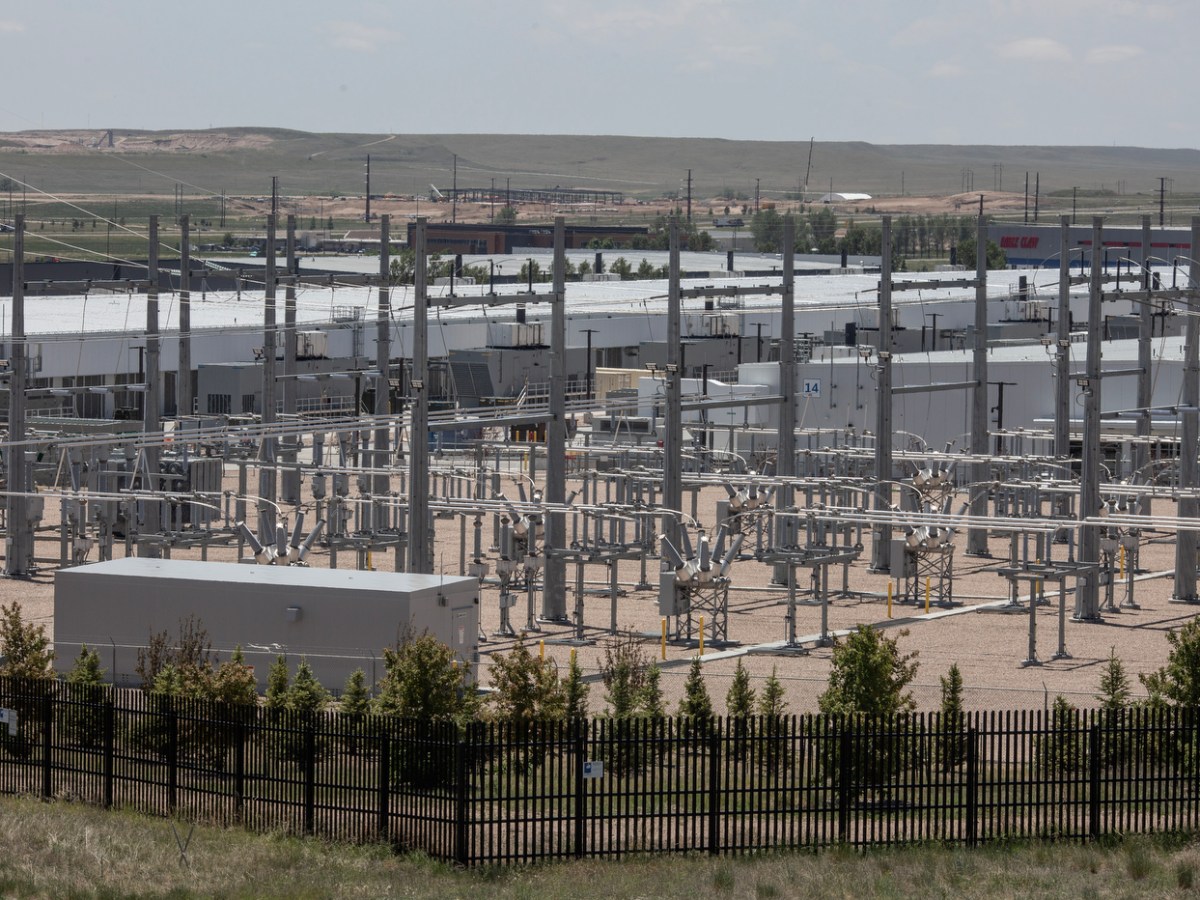
The bacteria was found in the city’s wastewater reclamation system, which cleans and recycles sewage for use on city fields like golf courses and parks. Discovery of the bacteria required “draining and disinfecting the entire reuse water system,” over the course of two months, the city said.
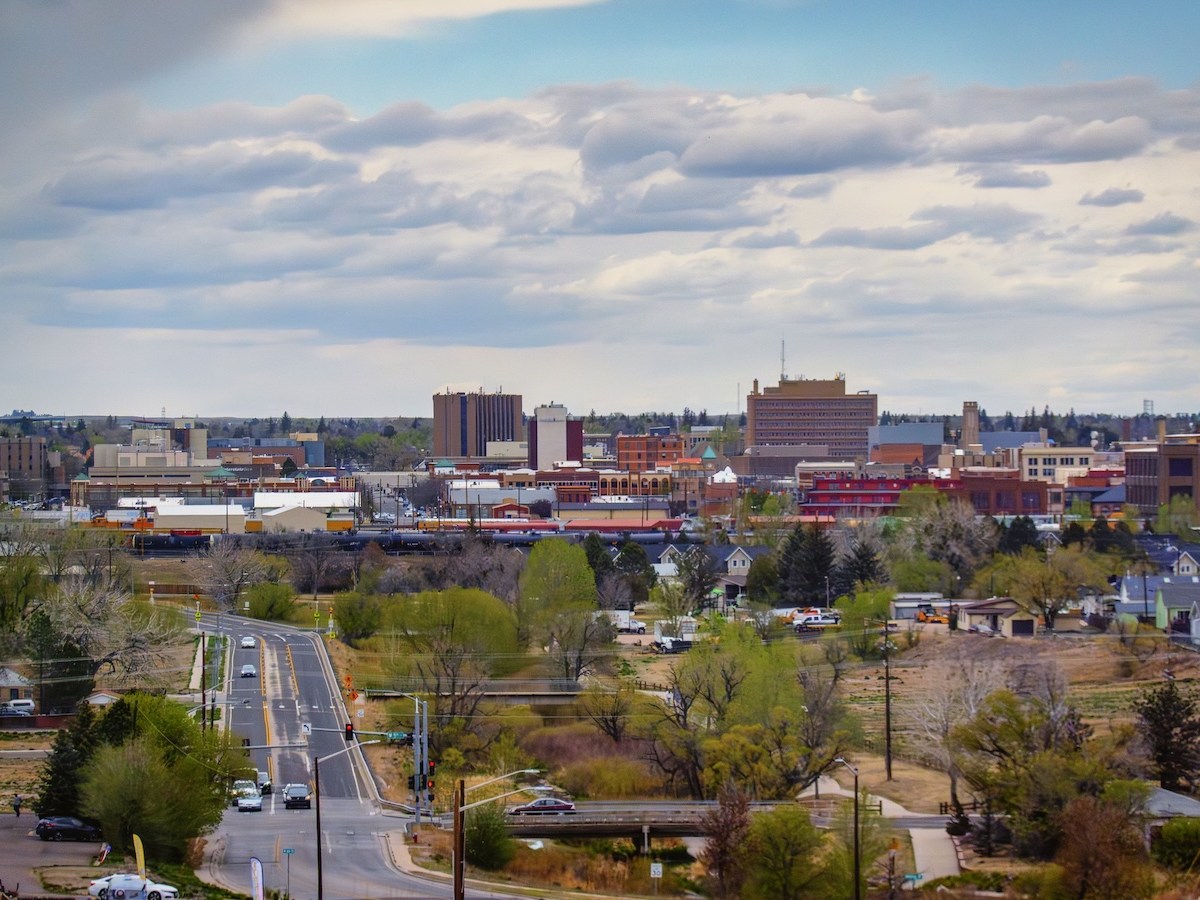
Fouling part of the city’s water system — even though the bacteria was in the reclaimed sewage system and not in drinking water — has implications for a metropolis that can’t sustain its needs locally. Cheyenne pulls half of its water from the far side of the Continental Divide 115 miles away. The city used potable water to cleanse the reclaimed sewage system and water fields during the time the recycling system was off line.
“Given the flaws outlined above, BOPU has failed to prove the causal basis for any such increased costs,” Meta states of the cleanup. It asks the utility board to “[d]isapprove, withdraw, or vacate” the citation as “arbitrary, capricious, an abuse of discretion, unsupported by substantial evidence, and not in accordance with applicable procedures.”
Fill, flush, fine
Although Cheyenne cited Goat Systems for the bacteria it discovered, it was the construction company Fortis that held the permit to discharge wastewater into the Cheyenne sewage system, according to the appeal. Cheyenne verbally ordered Fortis, not Goat Systems, to stop discharging on March 24, 2026, the appeal states.
“Goat Systems was not engaged in any activities on the site related to the discharges and could not have caused a discharge of the bacteria in question,” the appeal states. Cheyenne discovered the bacteria at the data center “discharge point” on March 18, according to the appeal, but provided no evidence that the sample collected “was representative of the alleged discharge or any activities associated with Fortis’ fill/flush activities.”
Cheyenne said it traced the bacteria to the Meta Cheyenne Data Center after “extensive field investigations and targeted sampling.” Cupriavidus gilardii has high resistance to metals and is used in advanced manufacturing and industrial systems, the utility said.
Fill-flush activities are conducted on data center cooling systems, essential systems that keep data center computers from overheating. The Meta Cheyenne Data Center is designed to use a closed-loop system — akin to a car’s radiator, instead of consuming water by cooling through evaporation. Such systems need a fill-flush cleaning before startup.
“Goat Systems was not engaged in any activities on the site related to the discharges and could not have caused a discharge of the bacteria in question.”
Meta
Meta also challenges the discovery of the bacteria itself, saying it hasn’t received information and data about quality analysis and control to support the charge against Goat Systems.
There is not now any “significant noncompliance,” Meta says.
“The [citation] does not reflect the fact that discharge from the construction operations was permanently halted in March 2026,” the appeal states. “Since that time, all wastewater has been hauled offsite. To the extent any bacteria contamination occurred, it has already been fully remediated.”
Cheyenne revoked the discharge permit permanently following the discovery.
Construction contractor Fortis “began its own water testing with an independent environmental specialist which has found no trace of the substance,” Meta said. That conclusion came from “four separate testing rounds across discharge samples, passivation water, source water, stagnant water from uncleaned systems, and samples with added dirt,” Meta said.
Meta is “committed to being a good neighbor,” a spokesperson said, “and will continue encouraging collaboration between Fortis and the [utility] board until this situation is resolved.
“It is important that the community has all the information about what happened,” Meta said in a statement.


Meta said they would be a good neighbor but of course the opposite is what happened. Is anyone surprised? These communities sell out for a few jobs and then find themselves on the hook with no recourse. Other Wyoming communities need to learn from this.
When a company with a $1.6 trillion market cap, whose founder is worth $232 billion, wants $10,000 back, it’s about forcing the community to comply. They want to set a precedent so everyone just initially complies. Please refrain from repeating their talking points about being a good neighbor, etc. because they are so obviously disengenuous. Don’t do their PR for them.
Hold their feet to the fire. They do not get a free pass to trash our state.
Dear Wyoming, don’t bend the knee to META. Don’t give them any tax payer money or reduce their costs.