


The Cheyenne City Council voted down a one-year moratorium on new data center development Tuesday after about five hours of public comment from more than 50 residents.
“We need to slow down and make sure that none of these are going to be in our populated areas,” Cheyenne resident Michelle Cobb told the council, adding that there are too many unanswered questions regarding water use and property values. “We need a big buffer zone, because a lot of our open areas in Cheyenne are being pegged for rezoning.”
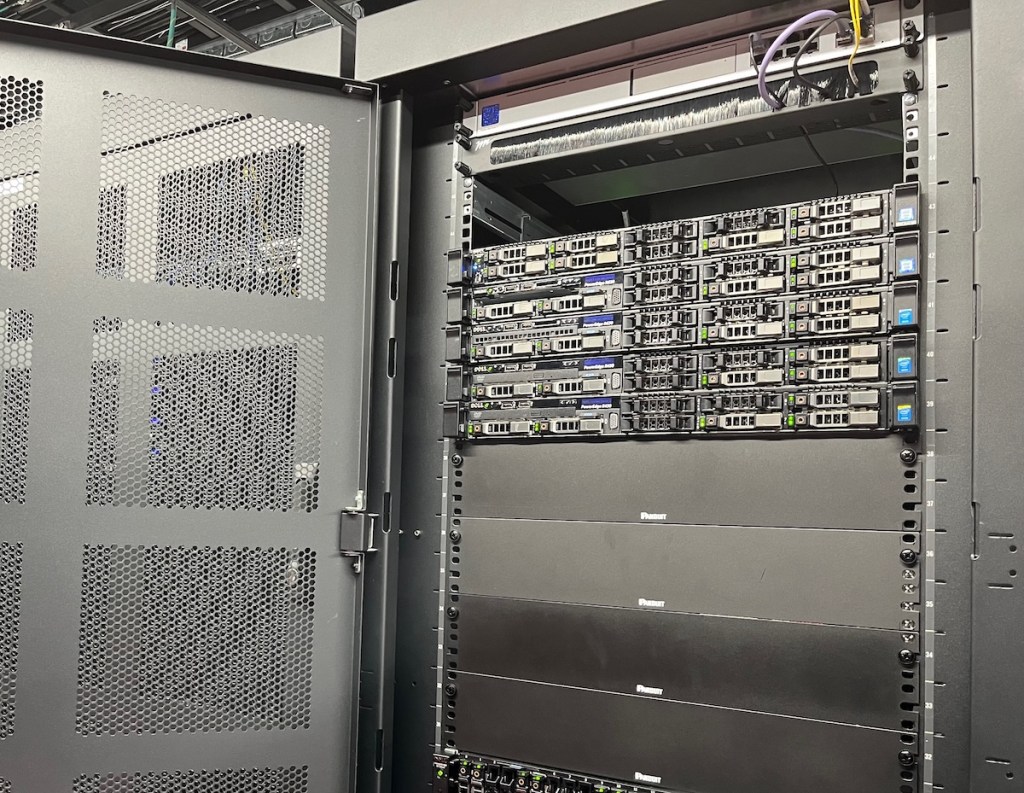
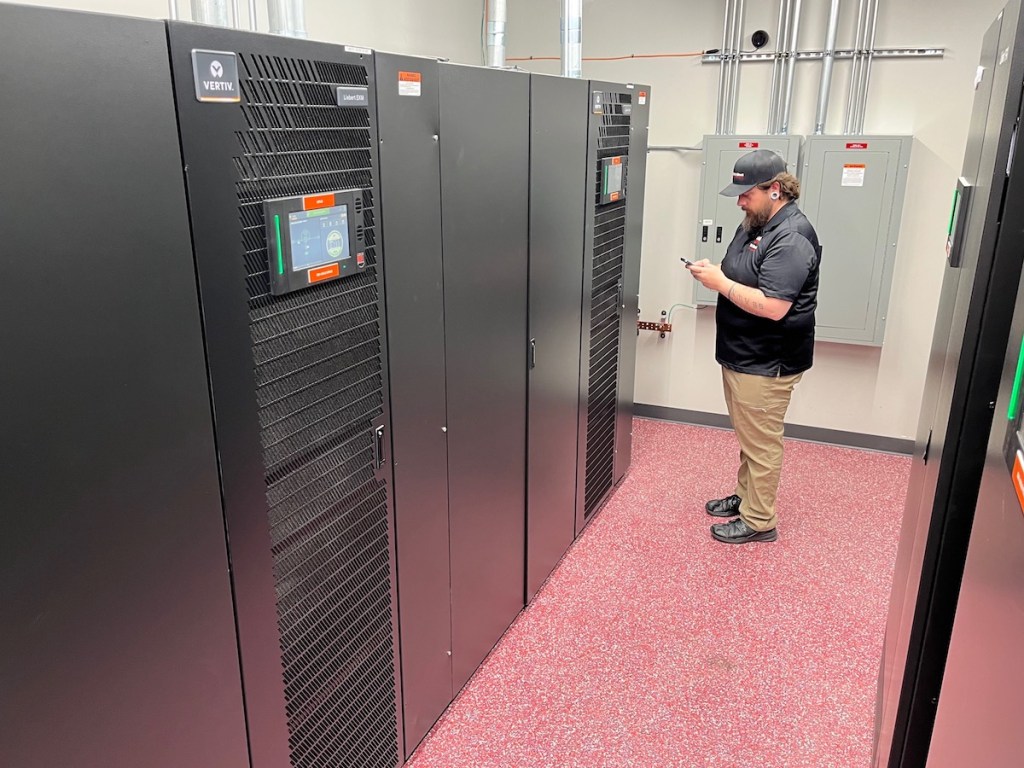
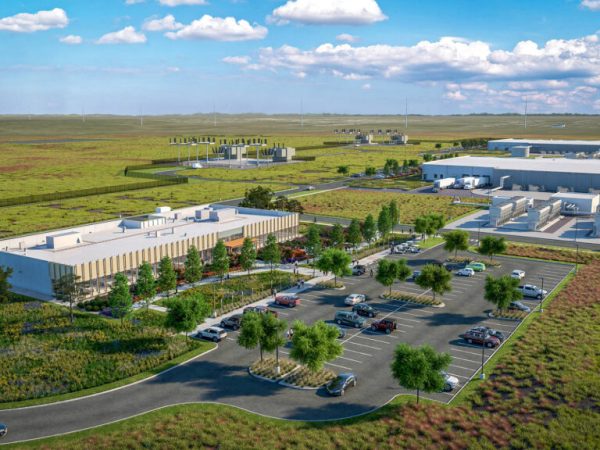
Already home to more than a dozen computing centers, Wyoming’s capital city is entertaining proposals from industry heavyweights such as Meta and Microsoft for a potential 40 to 70 new data centers, according to some estimates. Current plans in the region could require double or triple the volume of all electricity consumed in the state. The scale of investment, construction, jobs and demands on the city is so massive and, by nature, speculative, many said, that it’s difficult to fathom its impact with any accuracy.
For some, like Mark Moody, who sponsored the measure, that’s reason to hit pause, but his fellow council members outnumbered him 8-1 against pausing data center development.
Others, including about a dozen union workers, warned that a moratorium — albeit temporary — would chill data center investment in the region, along with steady construction work that’s already allowed local trade workers to stay close to home rather than chase jobs around the country.
“Until Meta ramped up and brought all of us home, all of these guys from Casper, Cheyenne, South Greeley, Laramie and other parts of the state were in a completely other state,” said Matthew Miles, a journeyman pipefitter with United Association Local 192. “[They were] away from their families, away from anybody they cared to share life with, trying to earn money to support not just their family, but the town they live in.
“This moratorium will only achieve one thing,” Miles added. “These companies will find somewhere else that doesn’t care about what the locals think or which locals want to stay home and have jobs and stay with their families.”
Even those against the moratorium, however, implored the council to demand that data center developers invest in the city beyond their facilities to ensure Cheyenne can handle growing demands on schools, healthcare and other local services. It was a sentiment shared by council members who voted against the moratorium.
“I think we need to do a better job,” councilman Larry Wolfe said. “We, the council, we the city, need to demand more of these companies.
“Yes, it’s great that Microsoft gives us money and Related Digital gives us money,” Wolfe continued. “But it’s chump change in the whole economic calculation for them. I think we have an opportunity to do that.”
Dozens of residents cast doubt on assurances that the industry is moving toward cooling technologies that require far less water than in years past. Yet Mayor Patrick Collins and several council members said they have more than 10 years of data from city water managers, showing that the current data center fleet is not straining water supplies.
The industry accounts for 1.48% of all water consumed in Cheyenne, Collins has testified before lawmakers. Plans on the books would boost that figure to 3%.
Several council members acknowledged they don’t know for certain how a proliferation of data centers might change Cheyenne, but said they’re committed to economic growth and setting expectations for the companies driving it. But imposing a year-long moratorium probably isn’t going to make skeptics more comfortable, councilwoman Michelle Aldrich said.
“I believe that our job as the council is to enter into things like this, to continue to get answers to our constituents, but also to hold our corporate partners accountable,” she said.

It looks like Cheyenne needs to turn over their politicians, and elect some that represent the people instead of out of state billionaires.
Is there an article coming about the data center near Cheyenne being built on land that the Lummis family owned? Lummis corruption and greed all tangled up with data centers. We need to know much more about that.
I agree with Cheyenne council member Michelle Aldrich, “Council members need to address resident concerns and hold corporate partners accountable”. Hopefully, to provide assurance that residents concerns are addressed, Cheyenne is holding current and future corporate partners accountable through binding contracts or existing regulations that address citizen concerns. Some concerns beyond water and power that could be considered included regional traffic and drainage management, low frequency noise and light pollution, community character, loss of agricultural land, and final reclamation bonding to reclaim land when future corporate partners go bankrupt or walk away. To adequately address these concerns, a moratorium seems reasonable.
I live in VA and we have more data centers than is needed. For one thing they’re huge and use a lot of electricity. And you will lose your water, since they depend on a ton of water. Don’t do it….do not let them build in your state; you will be so damn sorry if you do. Sorry not sorry.