

Opinion
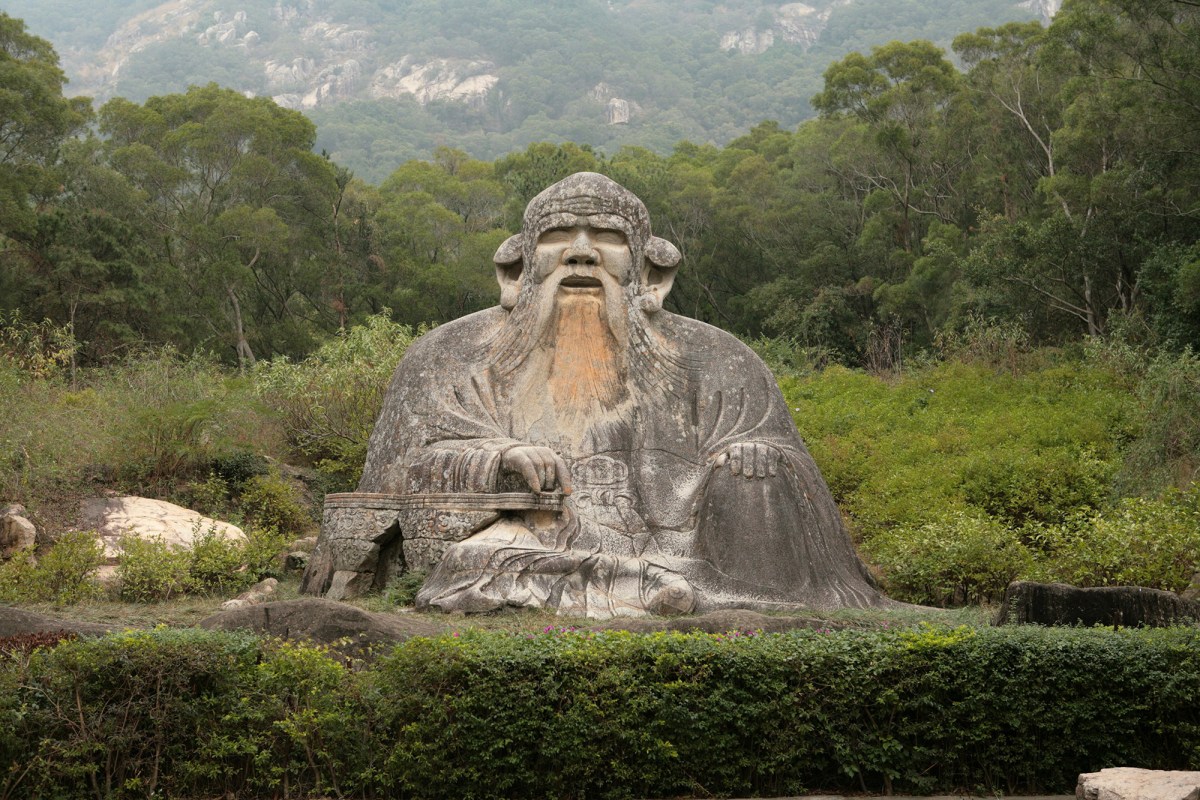
It was in high school when I first read the “Tao Te Ching” (The Book of the Way), the sixth or seventh century B.C.E. text by Lao-tzu that translator Stephen Mitchell has called, “the classic manual on the art of living.” Others say it’s a book about good government, both of the self and the state.
The opening words are:
The way that can be spoken
is not the constant way.
The name that can be named
is not the constant name.
The unnamable is the eternally real.
Maybe that means the only people who should run for office are those who don’t belong to a political party.
I’m old enough to have been thought of as a sage in ancient China. That is, if I were in ancient China and also wise. For better or worse, I’m a 21st century American and, in this country and time, a person of my age is simply old, notwithstanding the honorific title “senior citizen.”
Alaska writer John Haines wrote about the God whose name we cannot say, what he called the owl in the mask of the dreamer, the reality behind reality, the words on the tip of the tongue. That one might mean “don’t vote for those who are glib.”
I imagine myself at the edge of the continent looking out to sea. I can’t see the other shore. I jump in and the waves roll over me, the undertow drags me along the bottom and spits me up once again into the air. I shake the sand from my hair and look back to see the next wave on its way. “Oh, Lord,” I say. “No way.” Really, I’m eager to be dragged under again.
Or consider this: I ride a bicycle. In winter, I float down a snowy hill, drifting as if I were sailing on a great white sea. In summer, I haul my daughter behind the bike in a lightweight nylon and aluminum trailer. But now my daughter is grown. I feel bereft, riding toward my dissolution. It’s my attachment to my daughter, to the past, to the bicycle, and to my own legs churning that hurts. Still, it’s not so bad to feel these attachments — I’m happy because of them.
The English poet John Keats said that truth is beauty, and I thought he was wrong. I agreed with the Jamaican-born American poet Louis Simpson who, commenting on the Holocaust, wrote, “There is the truth, you show me the beauty.” Now I think both were right. My father would beat me then go outside to tend his iris beds.
I’m aware that this is a risky stance to take, especially in politics. I must embrace some ways of living and repudiate others. Will I follow the path of truth or beauty? Are truth and beauty linked? Can there be beauty in the ugly truth? At some point in life, each of us is asked to stand for what we believe. What if we’re not sure?
In “The Gift,” author Lewis Hyde reminds us that in some cultures a person of substance is recognized for what is given, for being a vehicle through which gifts flow. In our culture, the big person is measured by getting rather than giving. If you start a dot-com company with $4,000 borrowed from your in-laws and sell the company three years later for a billion dollars, you are a success.
Ours is an age of exaggeration. Everything must be bigger, bolder, louder, longer, more nerve jangling and upsetting. Even the movies must be drenched in blood as the world itself, a thing as real as we are likely to know, is drenched in blood.
Twenty-five hundred years after Lao-tzu wrote the “Tao Te Ching,” that miracle of gemlike lucidity and deep wisdom offering guidance in the conduct of life. Donald Trump now leads the free world. The book lies open with its warning — abandon the way and great beings fall while the mediocre rise to prominence. How prescient they were, those ancients.
But it’s not helpful to dwell too long on what can go wrong in society. Even as the Tao offers a warning, it also reminds us that there is beauty everywhere and there are people worthy of our admiration and respect. That’s a good place to begin.


Good reminder to hold your opinions lightly and be cautious about laying claim to wisdom. And that there is beauty everywhere and the mighty will fall. Boy howdy, I’m ready for that last bit.