


UPDATE—Unions reached a tentative agreement in the early morning hours of Sept. 15 to avoid a nationwide railroad strike, which represented a potential threat to Wyoming’s economy and coal industry. Members of all 12 unions involved in the bargain still must ratify the proposed agreements in coming weeks.
A dispute between railroads and labor unions could result in a shutdown as early as Friday, grinding to a halt most train traffic nationwide. Trains carrying freight, coal, soda ash and other commodities in Wyoming would “stop right where they’re at,” one local union representative told WyoFile.
That’s a major concern for utilities across the country that rely on coal from Wyoming’s Powder River Basin. The region supplies half the coal used to generate electricity in the U.S.
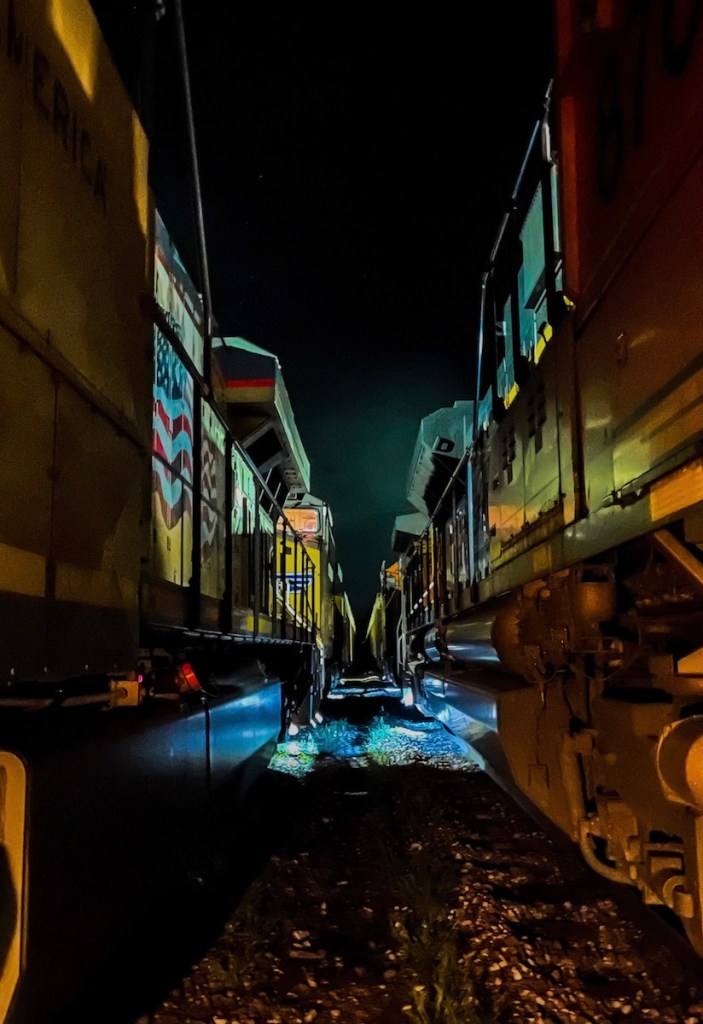
Even without a work stoppage, the Powder River Basin’s only two rail service companies — Union Pacific Railroad and BNSF Railway — have failed to keep pace for nearly a year amid increased demand and higher prices for Wyoming coal.
Although both sides in the labor dispute expect that a shutdown will spur Congress to swiftly order crews back to work, a mass rail service disruption for any length of time will prove costly for coal producers, utilities and the state, Wyoming Mining Association Executive Director Travis Deti said.
“The state is already losing tens of millions of dollars in lost tax revenue,” Deti said. “Demand for [Powder River Basin] coal right now is quite strong. Prices are strong. And we should be having a pretty darn good production year. The fact that we can’t get rail service to move the coal, like we need to move it, is — to say it’s frustrating for the companies is an understatement.”
Labor dispute
The labor dispute involves 12 unions dissatisfied with wages, time off and working conditions. Before the pandemic, many rail carriers, including UP and BNSF, had trimmed crews, partly in response to declining demand for Powder River Basin coal. Rail carriers have since struggled to attract and retain workers, leading to efforts to force more productivity from fewer workers, according to Gillette-based BNSF Railway conductor Kevin Knutson.
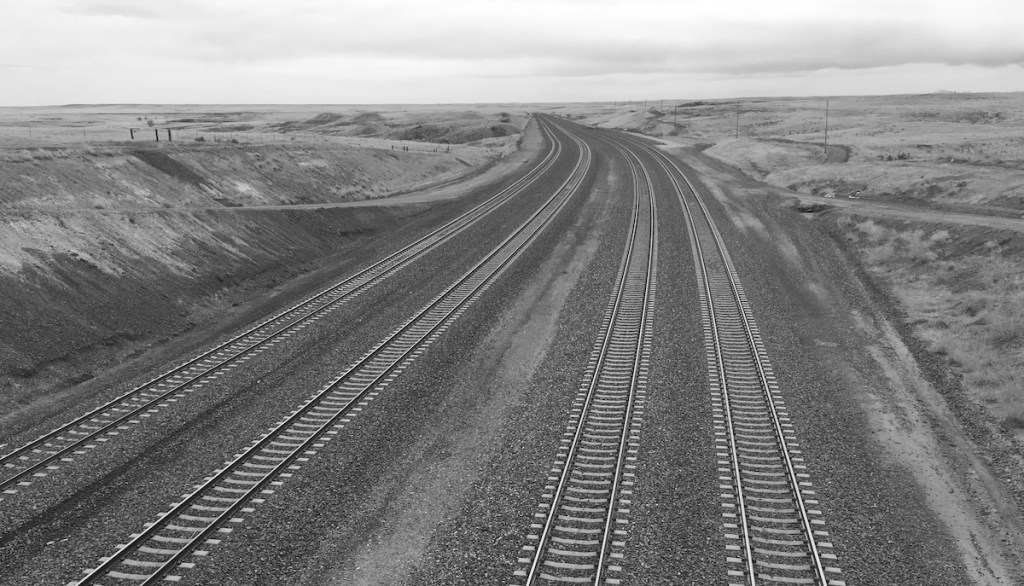
“When in February of 2022 the BNSF initiated a new policy cutting our time off, literally in half, what did we do? We went to work,” said Knutson, who serves as chairman of the SMART Transportation Division Local 65 union. “We are asking for raises because we are due them. But more than anything, we are asking for dignity, respect and, concurrently, better working conditions.”
President Biden convened a Presidential Emergency Board earlier this year to hash out a deal that might either avoid a nationwide strike or give Congress a blueprint for imposing a compromise and a back-to-work order.
The PEB proposal, finalized in July, would give union members a 24% wage increase through 2024, based on 2020 wages, along with increased health benefits. However, the administration’s proposed deal doesn’t address several demands regarding “working conditions,” according to unions.
The PEB bargain instituted a 30-day “cooling off” period, which ends Friday, Sept. 16. As of Wednesday, there were still a couple of holdouts among the 12 unions, leaving the door open to a nationwide strike.
Although hopeful of either a labor-management bargain or congressional action, rail carriers are securing hazardous commodities that can’t be left abandoned on rail lines and warning customers of indefinite delays.

“While these actions are necessary, they do not mean a work stoppage is certain,” Union Pacific Railroad Communications Manager Robynn Tysver said in a prepared statement. “Union Pacific is hopeful for a prompt resolution of the labor agreements so that we can continue to provide rail service to our customers.”
“While President Biden’s Presidential Emergency Board recommendations markedly exceeded the rail carrier’s proposal, the railroads agreed that in the interests of all stakeholders involved, we would support agreements based on those recommendations,” BNSF said in a prepared statement.
Wyo coal’s vulnerability
Predictions of an extended rail industry shutdown, dramatically compounded supply-chain issues and economic shockwaves are overblown and amount to “propaganda,” Knutson said. Because the situation is politically volatile, especially with mid-term elections less than two months away, swift congressional action is almost a certainty, he said.
“More than likely, Congress will step in and they’ll put us to work with the recommendations of the [Presidential Emergency Board],” Knutson said, adding that a strike probably won’t last more than a few days. “It really is not going to mean anything to anybody,” Knutson said, referring to the general public.
Deti, of the Wyoming Mining Association, disagrees. If coal mines can’t load trains, they can’t dig more coal. The same logistical challenges apply to soda ash and other industries in Wyoming that rely on rail transportation.
“When in February of 2022 the BNSF initiated a new policy cutting our time off, literally in half, what did we do? We went to work.”
Kevin Knutson, SMART Transportation Division Local 65 union in Gillette
“We’re all in a holding pattern to see what happens with this,” Deti said. “We’re all gonna have to deal with the effects of it.”
Although coal-burning utilities typically keep a 30-day stockpile on hand to account for unforeseen supply disruptions, there couldn’t be a worse time for a disruption in coal deliveries, Deti said. Coal stockpiles at utilities are already below average and this is the time of year they normally try to increase stockpiles in preparation for winter demand.
“This only exacerbates the problem,” Deti said.
Gov. Mark Gordon’s office is monitoring the situation closely, according to spokesman Michael Pearlman.
“A strike would have significant impacts to not only Wyoming’s economy through supply chain disruptions, but to energy prices and grid stability nationally,” Pearlman said. “It is the Governor’s hope that a strike can be averted because it would specifically affect our oil, trona and coal industries.”
The headline for this story has been updated to reflect the results of ongoing negotiations — Ed.

Great Article.
I want to point out that our Democratic President Biden played an instrumental part in negotiating the settlement. He used to be anti- union but has changed.
as a retired locomotive engineer i am well versed in this dispute. It is not so much about wages but about quality of life. The railroads have demanded so much from the remaining workers that they have no family or personal life. Almost all engineers and conductors work on an as needed on call basis. They never know when they will be going to start a shift and then those that take trains to another city stay away from home until they get a return trip home. Time off for more than the federally required rest period is extremely limited. Even personal days and vacation a difficult to schedule. The problem is so bad that workers with 20+ years are quitting very high paying jobs with great benefits’. The last new hire class in Sheridan attracted 1 student to a scheduled class size of 25! The job has become slave labor, monitored constantly by computer with discipline and dismissal for non-compliance! It is no longer the great job it was when i worked for BNSF. The amount of pay and benefits becomes secondary when you are unable to spend any time with your family and hobbies. Operating personnel are on call 24/7 365 days a year! On call means the phone rings and you go to work one hour thirty min later! No notice, no warning, no exceptions! Go to work no matter if you are ill, sleepy or have a family emergency like a sick spouse or child. Your only scheduled time off is your vacation.
Well said.