

There is no sweeter fragrance in my memory than rain approaching through sage-perfumed Wyoming air. Anvil-shaped thunderheads would creep toward me across the hot sky, trailing blue veils of rain. I’d sit my horse, close my eyes and just breathe it in by the lungful. I can smell it now just by writing about it. The memory is cool on my face.
Opinion
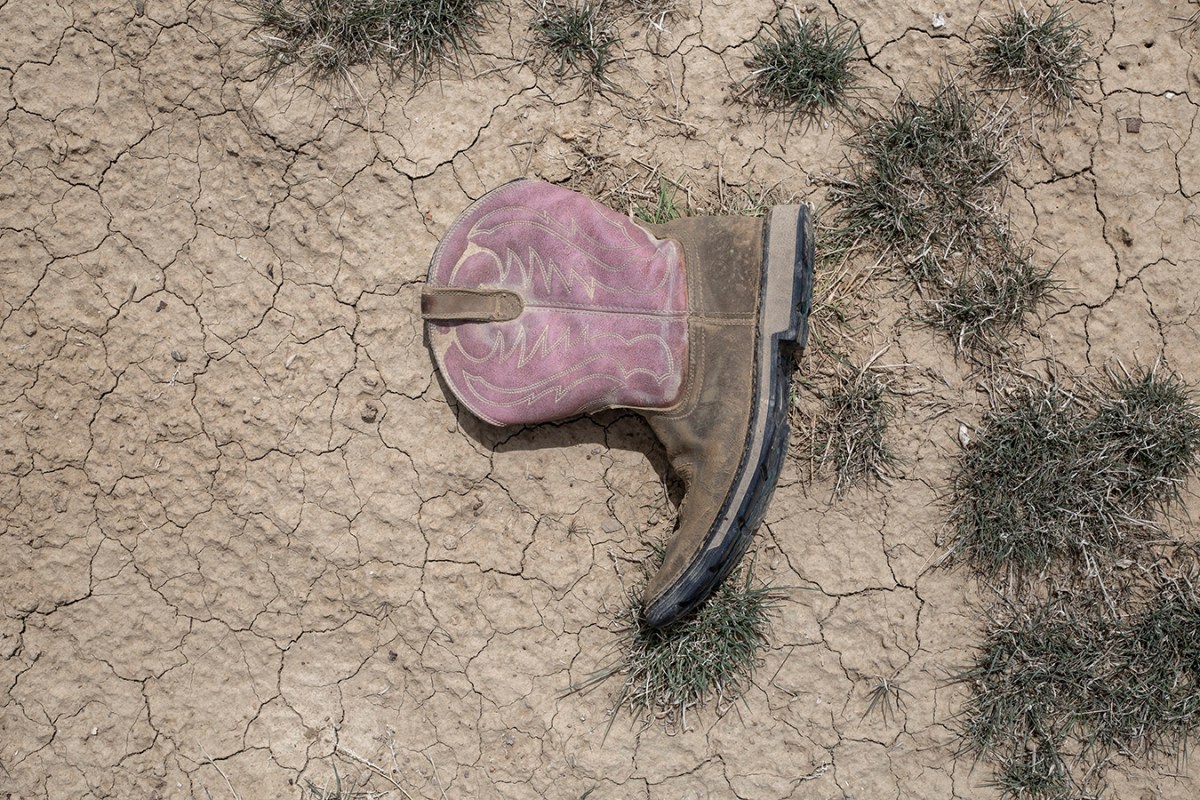
That olfactory reverie may remain just a distant memory, given how dry this winter has been. We might be looking at a summer so dusty that our boot leather cracks and our saddles squeak in protest.
I only used my snow shovel once this winter, and I could have avoided the effort, since the snow melted by itself in a day or so. I’ve been watering the Rustles for months — a half-dozen aspen saplings that my son Vic and I “rustled” from up near Vedauwoo to plant in the front yard. I’ve never seen a winter this dry.
Out in the hinterland, prairie fire season is off to an early start. The rolling hills around Cheyenne should be greening up by now, but they remain a persistent beige. Unless we get a hefty dose of spring moisture, the creeks will get so low that brookies will need to jump from puddle to puddle to stay wet.
But we’ve gone through this before. If you live in the Big Empty long enough, you’ll see your share of droughts. I can argue whether this is man-caused or just nature’s cycle, but the fact remains that a dry spell is upon us, and all the arguing in the world won’t produce a stray drop of rain.
My late amigo, Pat O’Toole, told me once that every cupful of water that God created is still here on earth somewhere. Pat said that it’s all Newtonian physics: that water — like energy — can neither be created nor destroyed, only changed.
So every original squirt of water is still here, just rearranged. It’s either in the oceans, in glaciers, in snow, in clouds, in subterranean aquifers, in creeks and rivers and in cans of Pabst Blue Ribbon beer. It didn’t disappear; it’s just hiding somewhere.
That is scant comfort, though, when your lawn is dying and watering is restricted, and when downstream states demand their share of water that originates in Wyoming’s mountains. We have developed a complex system of water laws and interstate compacts, but they, like arguing, won’t yield a drop of water.
I read somewhere that the Sahara Desert was once a green and lush savanna, populated by thriving civilizations. Then, it stopped raining and now you can only venture into it on camels. That didn’t happen because those folks lacked water laws. They just lacked rain.
Droughts are scary, and they make us feel inadequate to control our lives. In our nightmares, we tremble at the thought that Wyoming might turn into the Atacama Desert if we get too many more winters like this one. We get desperate and resort to cloud seeding or rain dances, or we just shake our fists at the sky and cuss.
But we’ve been through this before, and we’re still here.
I remember being a kid in the late 1950s during a drought so severe that Dad hauled his family up to Washington to see if he could find a greener place to raise cattle. We scouted around the Pacific Northwest for a bit, and then went deep-sea fishing. We ended up getting seasick, probably because the ocean is way too much water in one place for kids from Wyoming.
We came back and weathered that drought, just like we’ll weather the next one.
I remember that childhood dry spell because I couldn’t put enough ChapStick on my lips to keep them from cracking. Cowpies dried out as soon as they hit the ground. The cowboys on the ID Ranch grumbled daily about how poor the country looked, how the cows suffered and how we’d never get a hay crop.
My granddad Kirk finally got enough of their bellyaching and said, “Boys, if we don’t get some moisture pronto, we’ll just hafta do like we did in the old days.”
Cowboys turned their dry, wrinkled faces to Kirk and asked what they did in the old days.
He smiled and said, “Fellers, it was hard work but worth it. We’d just bring in a trainload of frogs from back east an’ beat the piss out of ‘em.”
The way this spring is shaping, up we’re going to need more than one trainload of your frogs Rod to bring Wyoming some much needed moisture to this region.