



Under Wyoming law, a juvenile convicted of second-degree murder can, in some cases, receive a harsher sentence than they would under the more serious first-degree murder charge.
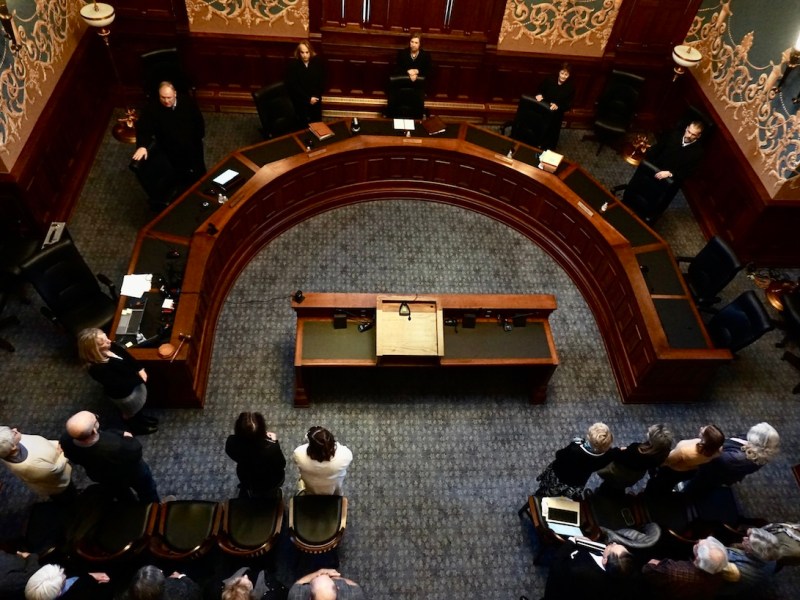
The Wyoming Supreme Court affirmed Tuesday that a 42- to 75-year sentence for a Casper teen who pleaded guilty to second-degree murder is not unusual punishment under the Wyoming Constitution, nor does it violate state statute.
Casper teen Eavan Castaner’s sentence “was legal under Wyoming law,” the high court’s decision states. Further, Castaner had “failed to demonstrate a clear consensus of state legislatures has abandoned the sentencing practice, or that a clear consensus of courts has deemed his sentence to be contrary to the law.”
His sentence, therefore, is “not unusual” under the Wyoming Constitution, the ruling concludes.
Wyoming is among 28 states today that outlaw life sentences without parole for kids. Castaner didn’t receive a life sentence, but the teen’s attorneys argued that a Natrona County District Court judge gave him an overly harsh punishment for a juvenile offender. The judge did so under a quirk in Wyoming statute that allows minors to potentially receive worse sentences for second-degree murder than for the more severe first-degree murder, the boy’s lawyers argued.
In 2013, the Wyoming Legislature changed statute to ensure a juvenile convicted of first-degree murder, which is punishable by life imprisonment, could have their sentence reduced to a term of years or be eligible for parole after 25 years. That change followed the U.S. Supreme Court’s 2012 decision in Miller v. Alabama, which found that mandatory life sentences without the possibility of parole violates constitutional protections against cruel and unusual punishment.
Wyoming lawmakers, however, didn’t change the language for second-degree murder, leaving the sentencing range at 20 years to life.
Though this idiosyncrasy ultimately led to a potentially harsher sentence for Castaner than he might have served for first-degree murder, the state’s high court concludes that the teen’s punishment “falls within the permissible statutory limit set by the Legislature for second-degree murder.”
“To apply the statute to a juvenile homicide offender who received a term of years sentence, we would have to ignore the plain language of the statute,” the decision states.
“We are cognizant of the important doctrine of separation of powers that is implicated when courts engage in statutory interpretation.”
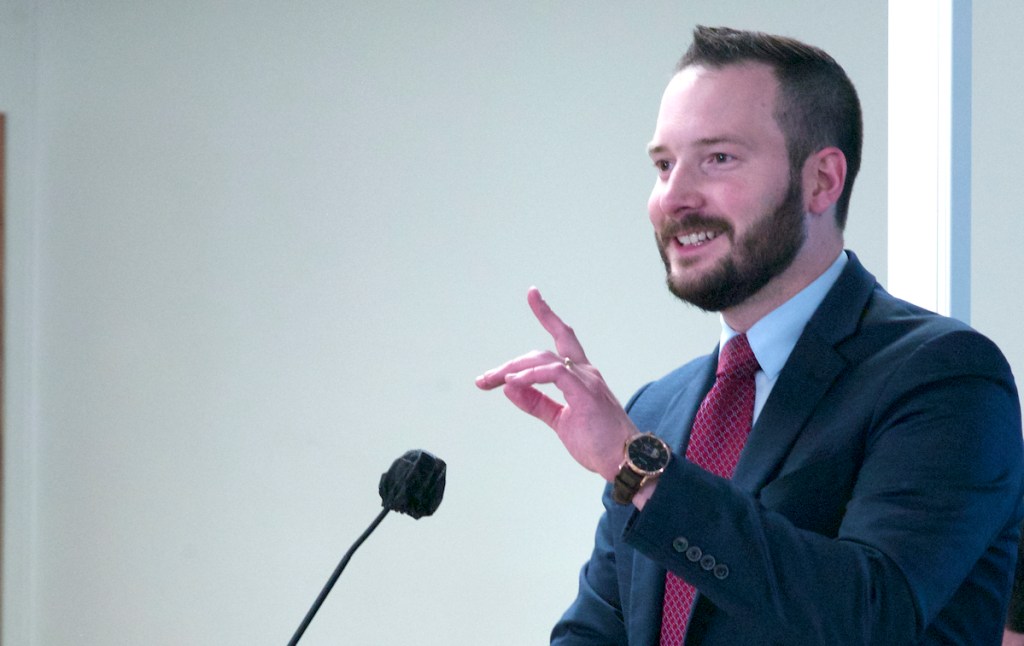
“I understand how the Supreme Court got where it got,” Ryan Semerad, Castaner’s attorney, told WyoFile on Tuesday. “I disagree with it pretty strongly. The decision today I think is wrong, and we are considering filing a petition for rehearing on a few issues.”
Deadly shooting
Castaner admitted last year to shooting and killing his ex-girlfriend, Lene’a Brown, at a park in May 2024. He was 15 at the time, and she was 17. Castaner sent a series of texts to Brown leading up to the shooting, at one point saying he wished her to die “in the most painful way possible.”
Brown’s father, David Henrickson, buried his daughter, who was Northern Arapaho, on the Wind River Indian Reservation. At Castaner’s sentencing, Henrickson told District Court Judge Dan Forgey, “I scream inside all day long,” according to an article on the hearing by Oil City News.
The state initially charged Castaner with first-degree murder. But Castaner pleaded guilty to the lesser offense of second-degree murder and made a bid for a lower sentence. Semerad, Castaner’s attorney, argued for 22- to 30-years, saying the teen was capable of reform, Oil City News reported.
But that approach didn’t pay off. Forgey’s 42- to 75-year sentence for Castaner means the teen could be in his late 50s before he gets his first chance at release.
The case landed on appeal before the Wyoming Supreme Court, where Castaner’s attorneys maintained he shouldn’t be treated as an adult offender and that mental illness, addiction and other developmental disabilities had played a role in the teen’s case.
The state, meanwhile, argued that if Castaner behaves well in prison, he could be eligible for parole in 28 years. Kristen Jones of the Wyoming Attorney General’s office also asserted that the defense was asking the court to sign off on a new minimum for juvenile offenders rather than allowing the Legislature to set statute. “That’s a very large piece of legislation for this court to sign,” she said.
The high court ruled Tuesday that Castaner’s sentence doesn’t exceed the penalty for second-degree murder under Wyoming statute, and that state law allowing juveniles a chance at parole after 25 years “applies only to juvenile offenders who received a life sentence,” which Castaner did not.

“To reach Mr. Castaner’s interpretation, we would have to read additional language into the statute which would be an impermissible overstep by the courts,” the decision states.
Semerad remains unconvinced.
“By affirming this sentence in the way that they did, a juvenile who is convicted of a lesser crime than first-degree murder could receive functionally and practically a much worse sentence, and we think that’s wrong,” he told WyoFile.
Asked if he had talked to lawmakers about the statute in question, Semerad said he hadn’t, but that he would “be happy to talk to anyone who could fix this, because it’s wrong.”
Getting way too squeamish about punishing murder. Dude killed his girlfriend. HE sentenced her to death.