

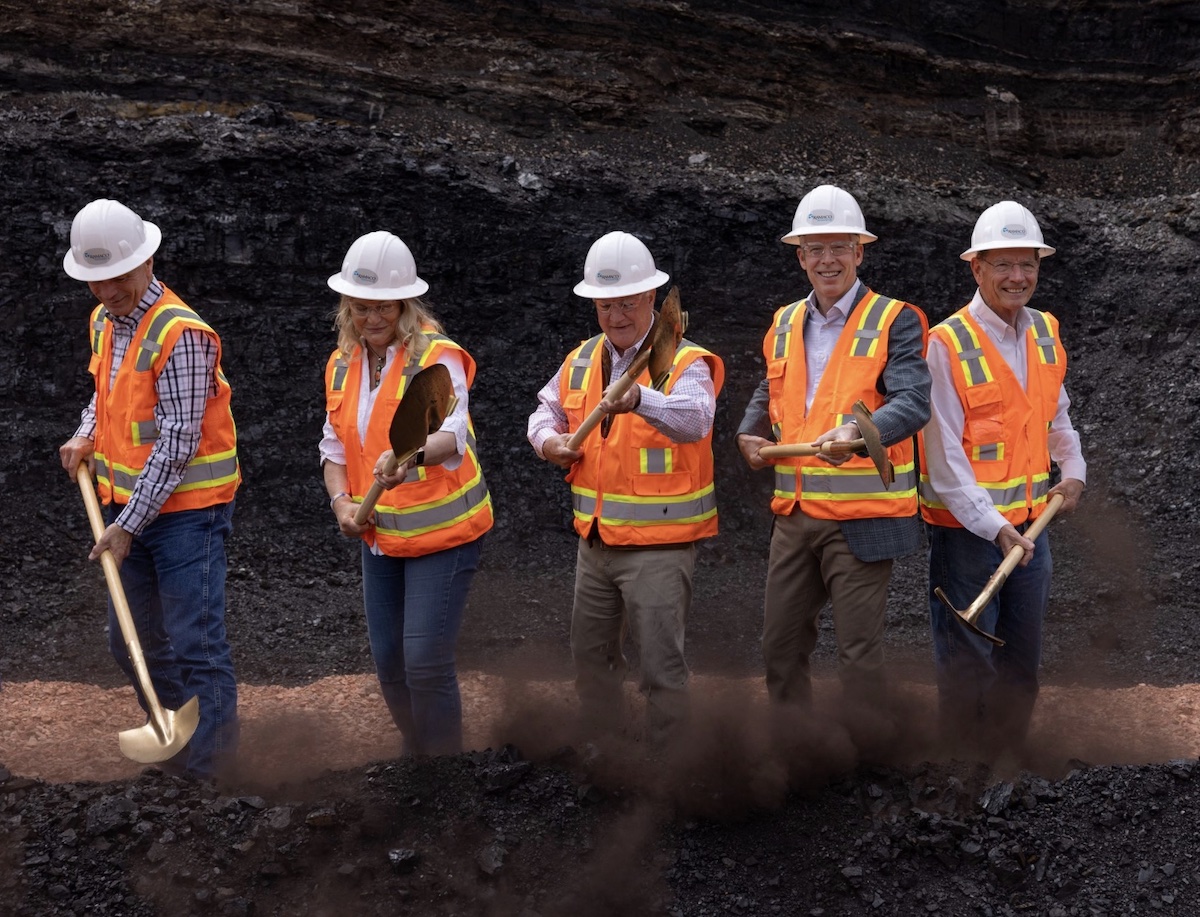
The coal company touting its Brook Mine near Sheridan as “perhaps” containing the nation’s largest “unconventional deposit of rare earth elements” faces a class action lawsuit from investors.
A complaint filed in January in the U.S. Southern District of New York by Lynn Henning alleges Ramaco Resources Inc., along with Chairman and CEO Randall W. Atkins and Chief Financial Officer Jeremy R. Sussman, misled investors regarding progress at the mine.
The 28-page complaint refers to reports from market-investor advocate and short-seller Wolfpack Research claiming that drone footage showed no progress at the coal- and rare-earth element mine following a highly publicized July grand opening ceremony. U.S. Energy Secretary Chris Wright, along with Gov. Mark Gordon, Sens. Cynthia Lummis and John Barrasso and Rep. Harriet Hageman attended the event.
Former U.S. Sen. Joe Manchin of West Virginia was also in attendance, in his new role as a Ramaco board member.
In the months following, according to the complaint, “defendants made materially false and/or misleading statements, as well as failed to disclose material adverse facts about the company’s business, operations and prospects,” and “no active work was taking place at the Brook Mine.”
As a result of the company’s actions and Wolfpack reports, the suit alleges, Ramaco’s market value dropped and investors “suffered significant losses and damages.”
Henning, along with other investors joining the suit, seeks compensatory damages and a jury trial.
Reached for comment, a Ramaco Resources spokesperson told WyoFile via email, “We believe we have meritorious defenses to all claims in this matter and provide no additional comment.”
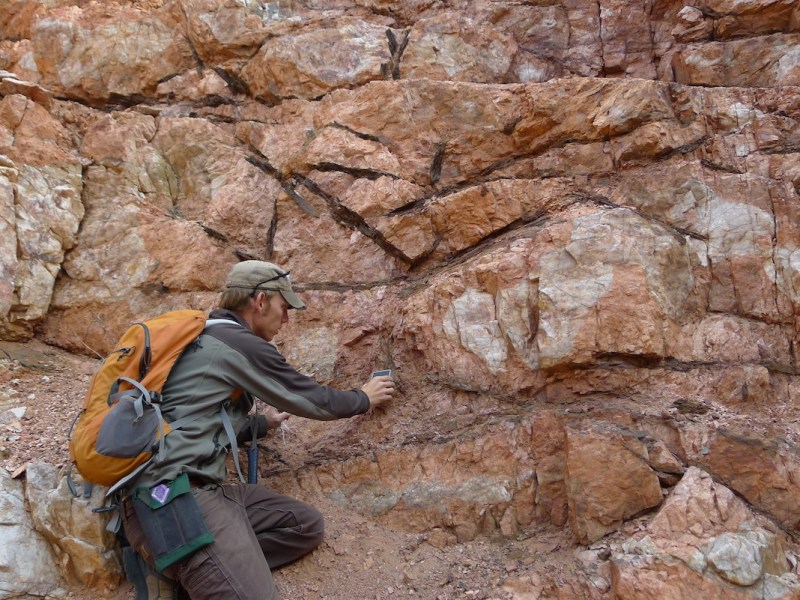
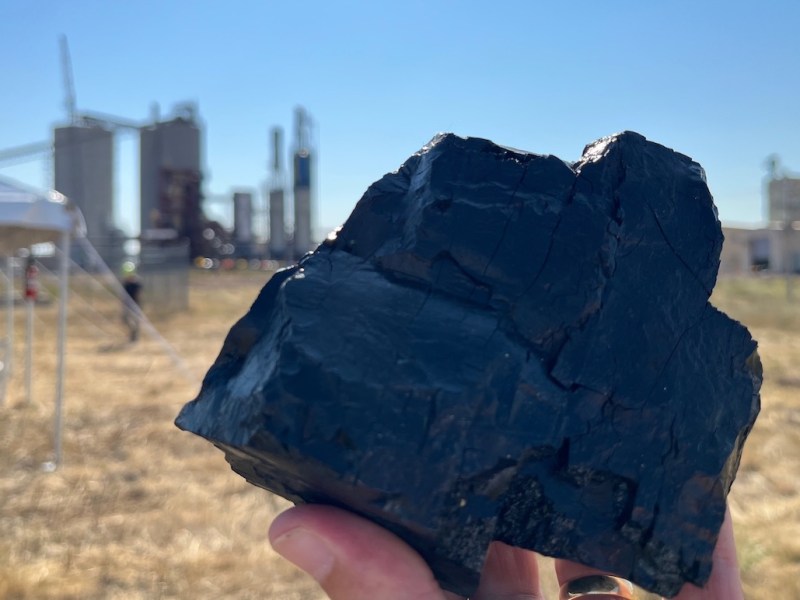
During Ramaco’s Feb. 26 earnings call regarding the company’s 2025 fourth-quarter performance, Executive Vice President of Mine Planning and Development Chris Blanchard said the Brook Mine pit was expanded “to excavate additional thermal coal for an upcoming trial with a regional customer,” according to a transcript of the call.
“During this mining,” Blanchard continued, “we also segregated several hundred additional tons of rare-earth element and critical-mineral ore from two different enriched strata zones for continued optimization testing.”
Rare-earth minerals — metallic elements occupying 17 spots on the periodic chart — are vital components for high-tech uses, such as military lasers, industrial magnets and batteries. They’re also used in televisions, cell phones and computer screens.
Class action analysis
Based on a quick analysis of the Ramaco shareholders’ complaint, the lawsuit appears to be a “fairly standard securities class action” challenge of allegedly misleading characterizations of a company’s performance and outlook, according to University of Wyoming Professor of Finance Ali Nejadmalayeri, a senior editor at Global Finance Journal.
“From a finance perspective,” Nejadmalayeri told WyoFile via email, “it’s not uncommon to see litigation follow situations where there is a sharp price adjustment tied to new information — especially when that information challenges prior disclosures about project progress or operations.”
Ultimately, such cases hinge on whether plaintiffs can convincingly establish clear links between company disclosures and a change in its market value. “Those are highly fact-specific determinations that courts evaluate over time,” Nejadmalayeri said.
Ramaco in Wyoming
Lexington, Kentucky-based Ramaco Resources was chasing lumps of coal when it bought the defunct Brook Mine for $2 million in 2011, according to CEO Atkins. The company eventually struck proverbial gold instead: An estimated $37 billion worth of magnetic rare-earth elements and other critical minerals, according to one account by the company.
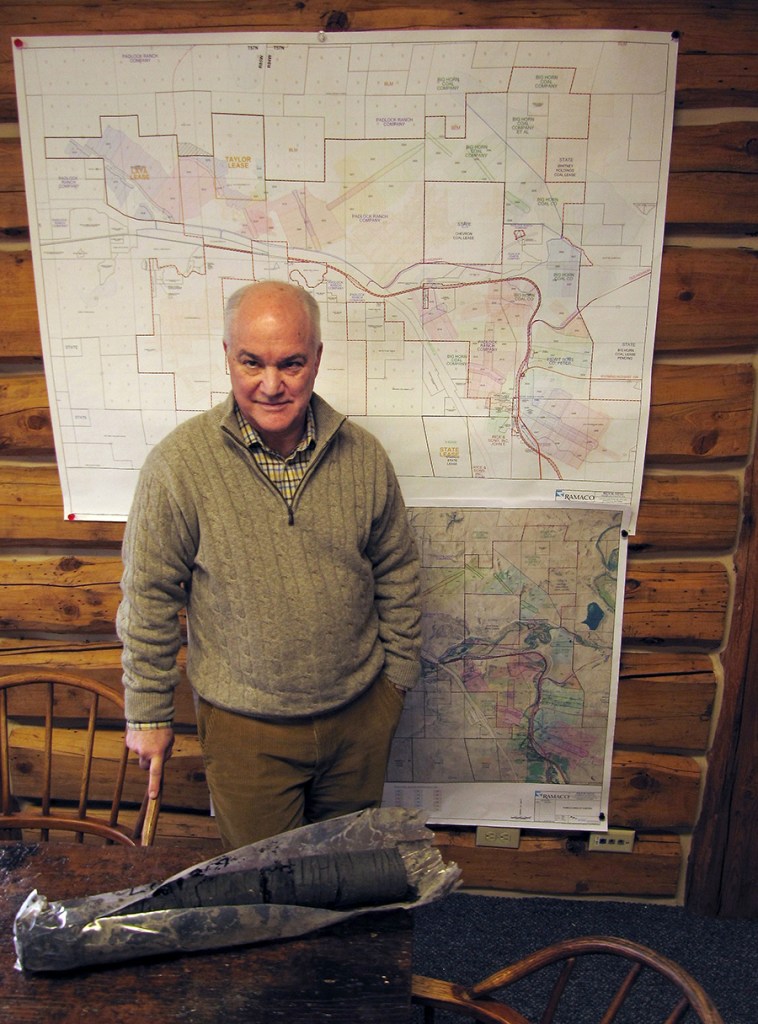
“I learned long ago that mining is kind of a funny business,” Atkins told attendees of a July 11, 2025, ribbon-cutting ceremony at the Brook Mine. “Often, Mother Nature does not give you what you’re looking for, but sometimes she smiles on you and blesses you with something you completely didn’t expect.”
He credited the National Energy Technology Laboratory, which, during President Donald Trump’s first administration, asked to evaluate samples of Brook Mine coal and intermingled clays. Based on NETL’s discovery of rare-earth minerals, ongoing analysis suggests the mine holds “enough rare earths that we may be able to supply this country for well over the next 100 years,” Atkins said.
Wyoming has seen increasing interest from mining companies hoping to build a rare earth extraction and refining industry in the state. Rare Element Resources has mined critical materials in northeast Wyoming and is advancing a processing plant near Upton. Speculators have also analyzed deposits in the Laramie Range foothills west of Wheatland and areas in the southern Bighorn Mountains for potential mines.
Peabody Energy, the largest coal producer in the nation, was recently awarded a $6.25 million grant from the state to “establish a new, secure domestic source of rare earth elements from unconventional deposits located within Peabody’s Powder River Basin coal operations in Wyoming.”
Wyoming also gave Ramaco Resources a $6 million Energy Matching Funds grant in May 2025 “to develop, mine, design, construct and equip a facility deploying innovative technologies to produce concentrated mixed rare-earth oxides and other critical minerals from Wyoming’s abundant coal resources,” according to a description of the project.
The company remains in good standing regarding the grant project, a state spokesperson told WyoFile this week.
