

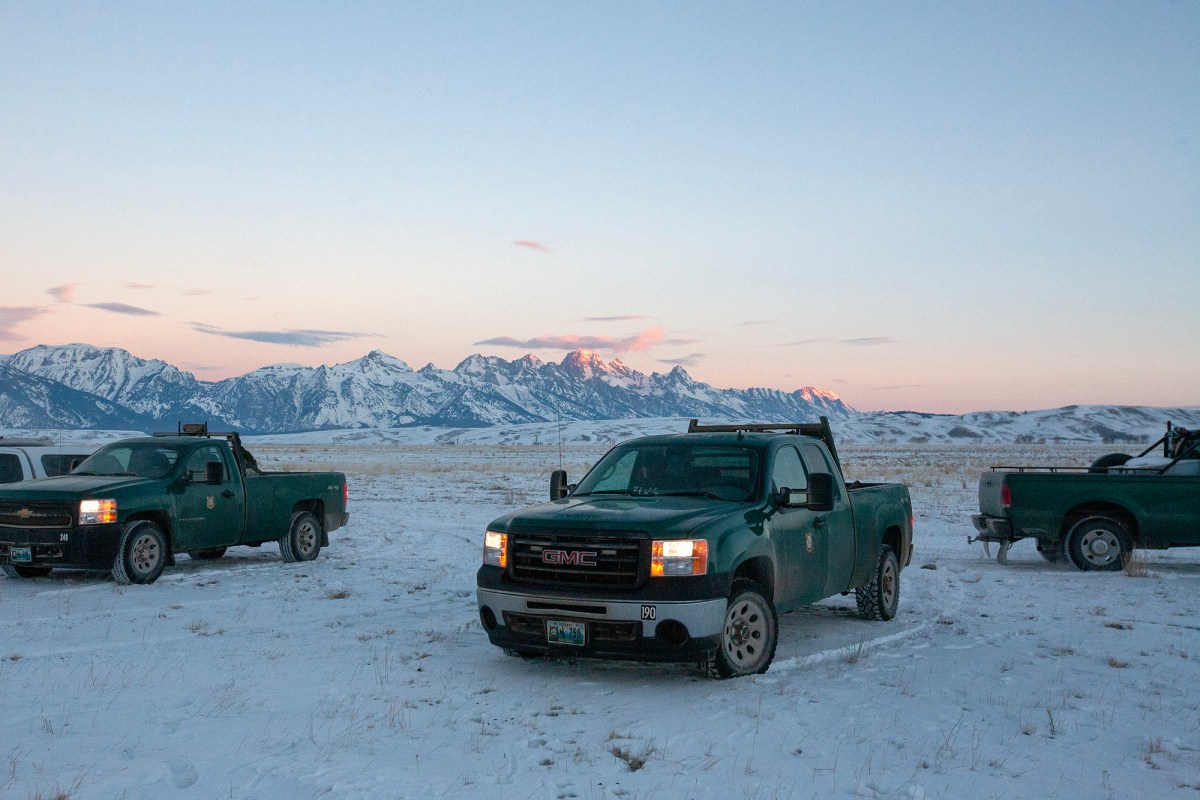
POWELL—The Wyoming Game and Fish Department budget has jumped by its highest amount in years and the interim director is calling budget concerns “dire” as inflation, especially in transportation costs, dramatically increases costs to the department.
The budget has increased by 8.3%, according to department Chief Financial Officer Meredith Wood, who presented during the July commission meeting in Sheridan.
The commission voted unanimously to approve an annual budget for 2027 of more than $108 million and a one-time expenditures budget of just over $2 million for a grand total of $110,640,013.
The final year of a five-year mule deer study accounts for $1.275 million of the one-time budget expenditures.
The 2026 standard budget was just over $100 million.
The department had been running a largely flat budget for about a decade, but the cost of diesel fuel, vehicles and the need to increase salaries to compete for top employees has been pushing the need for more revenue.
During the commission’s September meeting last week in Evanston, Interim Director Eric Wiltanger called the budget situation of great concern.
“Our costs continue to rise, and without intervention, our financial outlook over the coming years will become increasingly difficult,” he told commissioners. “A few weeks ago, I described our projected financial situation as dire, and I stand by that statement. I use the word intentionally because I want to make sure there is a clear understanding of the importance of acting now.”

Wiltanger had first sounded the alarm during the Legislature’s Joint Travel, Recreation, Wildlife, and Cultural Resources Committee hearing Sept. 9.
Yet in front of the commission, Wiltanger only had to mention the price of diesel fuel to get his point across.
“I’m sure everybody that drives a diesel truck right now, when you drive by the gas station, you recognize it’s over six bucks a gallon. Well, those hit our divisions every day,” Wiltanger said. “I mean,we’re spending more money than we anticipated just this budget cycle, just in gas alone.”
While the budget has increased for next year, Wiltanger said the real problem will rear its ugly head in the early 2030s. He might send the Wyoming Legislature a message to possibly increase fees for tags and licenses, something that hasn’t happened since the department was cut off from state general funding.
The foundational costs for standard hunting and fishing tags (such as resident and nonresident big game licenses) require an act of the Wyoming Legislature to change or adjust. Other ideas, like a trust fund that could possibly increase revenue by a few million, have been discussed. Wage increases over 2026 account for about $4.8 million of the budget increase. Deferred maintenance and capital construction costs account for another $4.5 million.
Wood told the commission that a little over $68 million of the budget are fixed costs such as salaries, animal damage costs and utilities. The rest of the budget (about $40 million) pays for everything else the department does, she said, including all conservation efforts, vehicles and fuel, education, the Access Yes program, stocking programs and payable grants.
Salaries for the department’s more than 400 employees account for nearly $59 million of the budget, or about 54% of the total cost to run the department. Retaining employees has been a priority in recent years due to federal and state agencies offering higher pay and better benefits.
Wiltanger is temporarily replacing former Director Angi Bruce, who left the department in July. Yet he hasn’t hesitated to warn of future financial struggles should solutions not be found soon.
“We have time to navigate these challenges, but that time is an opportunity, not a reason to wait. Being proactive is … exactly what we are doing. Our responsibility is to understand the financial trajectory, identify the challenges ahead and work together on solutions before those challenges become a crisis,” he told the commission.
His responsibilities as interim director are to lead the department toward continued success in every aspect of the mission, not just in managing the budget but in managing and conserving wildlife, supporting employees and partners, and maintaining the outstanding outdoor opportunities that Wyoming is known for, he said.
A permanent hire for director is likely to occur after a new governor is elected.
“Looking ahead, we will continue to focus on our wildlife and habitat conservation, landowner partnerships, public access and responsible management of Wyoming’s fish and wildlife resources,” Wiltanger said.

Looking back, as a game and fish retiree, and having learned from the previous generation of employees, it always seemed like the Wyoming legislature wanted to keep the department weak and underfunded since they didn’t have control over the G & F budget. We had to fight for the resources to do the things the public demanded of us and about all we got in return was grief about a new truck that replaced a worn out one. In today’s world it takes a lot more to handle the increased demands and program additions without the funds to adequately deal with them.
Up until 2020 the legislature reimbursed G+F for all the free and reduced hunting and fishing licenses they imposed on them. They should re-establish that program and pay back those payments missed the past 6 years.
Remember that the State of Wyoming does not fund WGFD. The agency is dependent on sales of hunting, fishing, trapping, outfitter licenses, etc. That might have been enough in the past, but running an agency like Game & Fish – regardless of how you feel about how it’s being managed – in these economic times this funding model is wholly inadequate. Adequate funding is tied to effective management and the Legislature needs to address this.
The entire business model of Wyoming Game & Fish is flawed. First , it treats wildlife as a game animal. That game animal is managed more like domestic livestock than a public free ranging population. Animals become a commodity to be harvested ; put and take stock on a shelf ; a retail inventory. The G&F Depends on selling all that.
Except they shouldn’t be marketing any of it at all. The G&F is so far off the paths of genuine wildlife conservation and landscape ecology into the weeds and the bureaucratic briars and brambles they can no longer see where they are going. The entire system is hopelessly flawed, from Legislative funding , Executive branch oversight, and agency operation on down. It was more than a century in the making. It will not be easily remedied and certainly not quickly . A couple decades , maybe.
The American public’s attitudes about hunting and fishing have moved on from the late19th – early 20th century. It is unrealistic to expect old business model to apply in the 21st century. The G&F really shouldn’t be in business at all , expected to pay its own way managing a public resource cluster. Solutions will be complicated and require some serious soul searching and a real Reformation. I’m not confident anybody engaged today can take us there.
I’m glad I lived when I did , to enjoy Wyoming’s wildness and wildlife symbiotically. The future looks grim. We screwed up.
Somebody needs to get a grip on this org. The current crop of interim directors, assistant directors, deputy directors etc etc aint getting it done. Clean house, Mr. Governor
Maybe the ranchers and big landowners should pony up the cash. Game and Fish has been in the pocket of these barons. Don’t believe me? Get into a game and fish tussle with one of these big daddy barons and see who the Redshirts cuff and stuff. This interim Director is obviously over his head
The quality of Wyoming hunting and fishing is at an all time low. Correct me if I’m wrong but, isn’t the WYGFD in charge of wildlife? While there are some good folks employed there, a bunch of goofballs and do nothin’s are driving around in new green pickup trucks burning $6 diesel. Have any of you seen the new GFD palace built in Cody? This agency simply has not done it’s job and it is vastly over staffed. Layoffs, massive layoffs are needed and that should also include their poor management team in Cheyenne. The dead weight needs to go, are you listening Governor?