

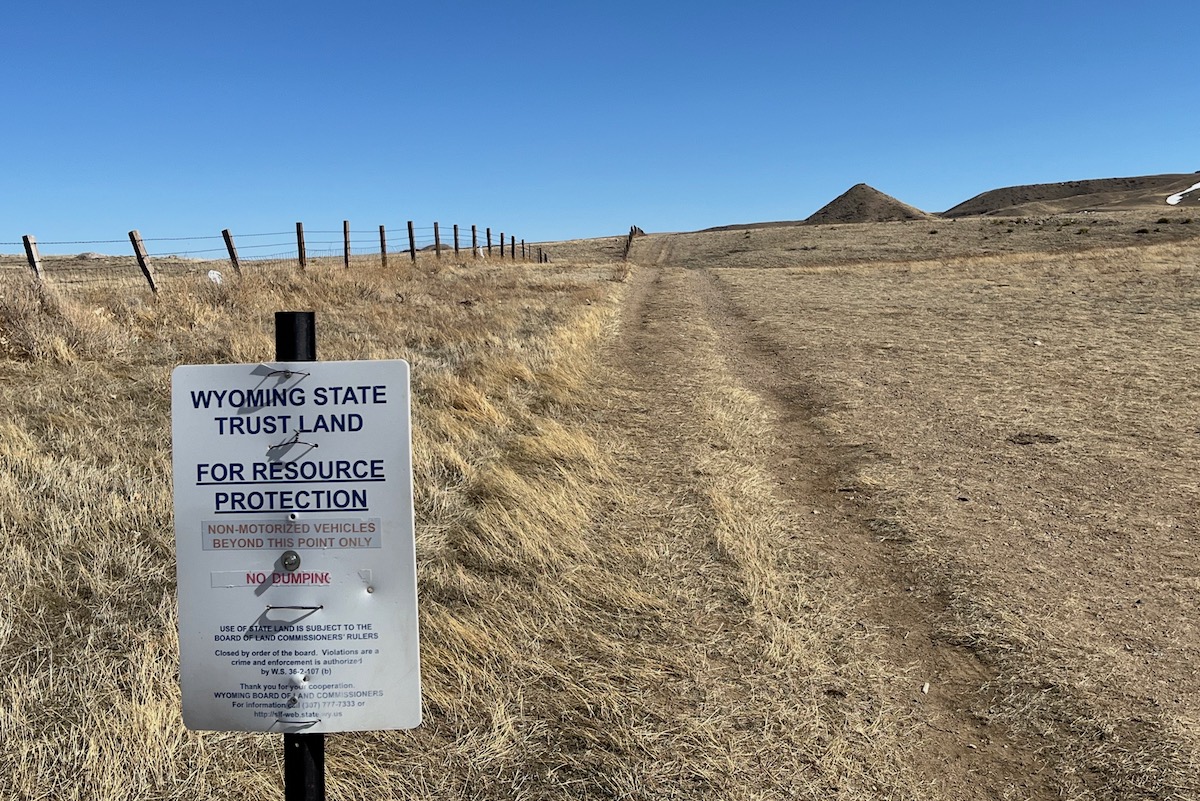
Many are aware of the current controversy surrounding the proposed gravel pit on Casper Mountain, and the threat of future expansions of the operation without knowing exactly how it will affect the Casper community.
Opinion
As a Casper resident, I have witnessed first-hand my neighbors, friends, and other concerned citizens raising the alarm about the proposed gravel pit’s impacts on people and the state lands we care for deeply.
Though it is already a pressing issue for local residents, what if the situation got a lot worse — not just for Casper, but for many more communities across our great state?
Unfortunately, making the situation worse is exactly what the Legislature’s Joint Minerals Committee is slated to consider at its upcoming meeting on Tuesday.
Building off last session’s controversial Senate File 44 – Limited mining operations-amendments, the Minerals Committee wants to expand the types of mines that qualify for the limited mining operations, or “LMO” permit exemption. Gold, lithium and rare earth minerals are all up for potential LMO exemptions.
In essence, LMOs are operations up to 15 acres in size that are exempt from the standard mine permitting process and its more rigorous review. Currently, this category of mining is limited to inert materials — resources like sand and gravel that are not chemically reactive. While small sand or gravel operations are important for ranchers or landowners for use on their own property, larger-scale mining operations for those materials can significantly impact local communities with dust, changes in water quantity, heavy truck traffic and noise.
The major issue with LMOs is both the lack of public information about the mining and reclamation plan and lack of public input in the approval process. Currently, the public has no opportunity to weigh in on the details of LMOs, including how they are constructed and potential expansions. Additionally, the requirements for getting an LMO approved are extremely loose, with operators submitting an initial one-page application without specificity about the potential impacts of their operations.
As seen through the example of Casper Mountain, and the potential for a swath of other, even larger LMOs, there are obvious problems with exempting some mines from mining permit requirements. So why is it that our elected officials are now moving to make the problem worse by allowing more types of minerals, which could cause greater long-term damage, to be considered for LMO exemptions?
It’s no secret that minerals like gold and lithium can cause significant environmental issues, some that even require perpetual treatment to address legacy pollution. Just take a look at all of the ongoing acid mine cleanup in Colorado. Wyoming DEQ recognizes these dangers, and that’s why mining for those more risky minerals requires more, not less, oversight and permitting, and full bonding for cleanup so taxpayers don’t end up on the hook. Those mine permit processes also include opportunities for the public to weigh in.
Exempting new minerals under the LMO category not only lacks foresight, but it shouldn’t be possible because of the lack of information about reclamation and potential impacts. It also effectively takes away public comment opportunities on smaller mines that absolutely should be subject to permitting.
Given the massive pushback from the public to the proposed gravel pit on Casper Mountain and current issues with LMOs, we should be working to improve the LMO process, not make it worse. That’s why it’s baffling that legislators are now seeking to expand those operations. There’s no doubt that it will wreak havoc in other Wyoming communities.
Wyoming citizens deserve a say in what happens in their communities and on our treasured state lands. It’s essential to our quality of life. The real question is, as citizens speak about the problems with LMOs and oppose their expansion at next week’s Minerals Committee meeting, will our elected officials listen? If not, citizens should carry that memory with them to the ballot boxes in August and November.

Well said Neil. Thank you.
Great opinion piece, Neil. Thank you. LMOs were originally called ‘2-acre exemption permits’ as they are exemptions from regulation. They were meant for non-commercial, private use. They have since expanded in size (and sneakily changed the name to the less-obvious ‘limited mining operation’) and now include commercial use. If industry gets its way, we will soon look like Colorado.
I totally agree. Thank you for putting this so plainly. I am not against mining our natural resources but to do it in such a sneaky and underhanded way is not what Wyoming should be advocating. To expand LMOs is extreme which will result in extreme responses from the citizens of our state.
The powers that be like to say that state land isn’t public land. So who’s the state? Folks, you can stop anything you want, it’s our state.
Thank you, Mr. Short. You were very pail as to the reasons this expansion should not happen. This is clearly not good for our state.