


Grazing along roadways, pilfering gardens or silhouetted on snowy hillocks, mule deer are such a customary part of the Wyoming landscape that it’s easy to overlook them.
Pay a little closer attention, though, and you’ll find an animal that’s more than just a placid backyard ungulate. You’ll find a formidable traveler and a hardy survivor. A creature whose inherent intelligence compels it across disparate landscapes on annual migrations, treks made ever trickier by the proliferation of human-made obstacles.
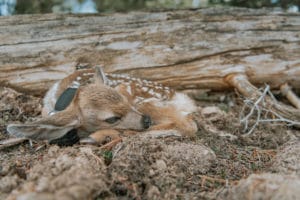
Sam Dwinnell knows this well. Dwinnell, a research scientist at the University of Wyoming’s Haub School of Environmental Resources, studies mule deer in the Wyoming Range. As a result, she understands that mule deer migrations are not only remarkable treks, but ones facing mounting threats.
To help a wider audience appreciate the story of mule deer migrations, she came up with an audacious plan: Track the migration path of one particular doe that criss-crosses 85 miles from scrub desert to craggy peaks and make a film about it.
That film, “Deer 139,” has just been released. The movie, which premiered in Jackson and just showed at the Banff Mountain Film Festival in Canada, embarks on a tour through Wyoming communities this week. The tour begins today in Laramie before traveling to Etna, Lander, Cody and Big Horn.
The film, which is part science, part adventure and part comedy, is a love letter to Wyoming landscapes, gritty human adventure and, mostly, the incredible annual cycles of migrating animals.
Dwinnell said the team strove to use the vessels of humor and outdoor adventure to deliver a message about wildlife, science and land management.
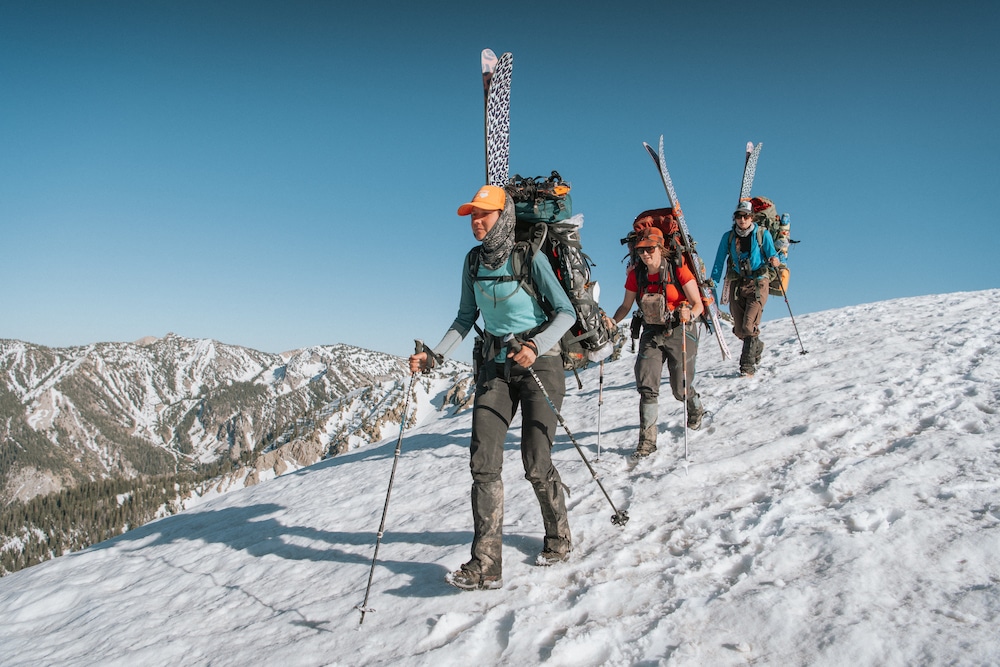
“We just want to get these stories of migration out there,” she said. “For conservation to happen, the knowledge has to be in the public domain. And so, these visual storytelling projects are really our attempt at getting the science that’s normally locked up in the ivory towers of academia … out to … a broader audience.”
It’s also an adventure film, she said. “We’re targeting an audience that usually isn’t a target for science education or conservation-oriented type stories.”
‘To see what it’s like’
Dwinnell has been studying mule deer since 2011, first in the Jackson area and more recently in the Wyoming Range. As part of her work, she and other scientists collar and track mule deer migrations. One thing she’s noticed is just how incredible those routes are. Pregnant does give birth to fauns in rocky amphitheaters, bucks crest peaks, the animals travel over 100 miles through vastly diverse landscapes.
It’s one thing to envision these routes based on GPS coordinates and computer mapping, she said. But over the years, a curiosity grew to experience them first-hand too.
“I wanted to go out to see what it’s like,” she said. “We have this research on [mule deer] following the green wave as vegetation greens up, but what does that look like on the landscape?”
The documentary was born. Dwinnell enlisted two friends — radio reporter Tennessee Watson and field naturalist Anya Tyson — to join her, as well as filmmakers Morgain Heim and Jayme Dittmar. And one overcast day in May of 2018, loaded with heavy packs, they set out to follow the 85-mile spring migration of Deer 139.
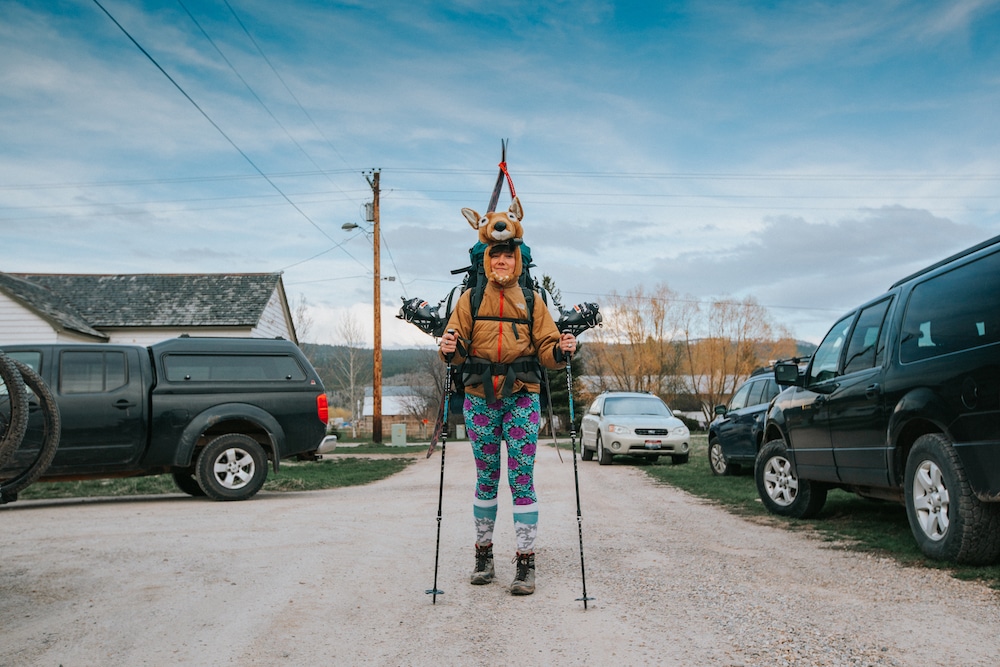
Why Deer 139? This female deer has an exciting route. From the rolling sageland of her winter range, she moves up and over rocky ridges and into the snowy Wyoming Range to her summer destination: a stunning cirque high in the mountains. She does so all on the verge of giving birth.
Mishaps, miles and mercurial weather
The task humbled the group from the start. Dwinnell injured her ankle immediately — within sight of the car — and the mileage goal proved too ambitions. They were forced to slow down.
That turned out to be a boon. As the group began to cover ground more deliberately, Watson said, they discerned nuances about the behaviors of animals they wouldn’t have if they had been charging across the land.
Not that their trek was made any easier. Wyoming’s spring brought frigid temperatures and blustery storms. Tyson contracted giardia. The women post-holed through miles of snow, climbed brutal ridges and crawled over downfall. And, just as migrating deer, they were forced to negotiate a gamut of obstacles, including rivers swollen with spring runoff, energy development complexes and too many fences to count.
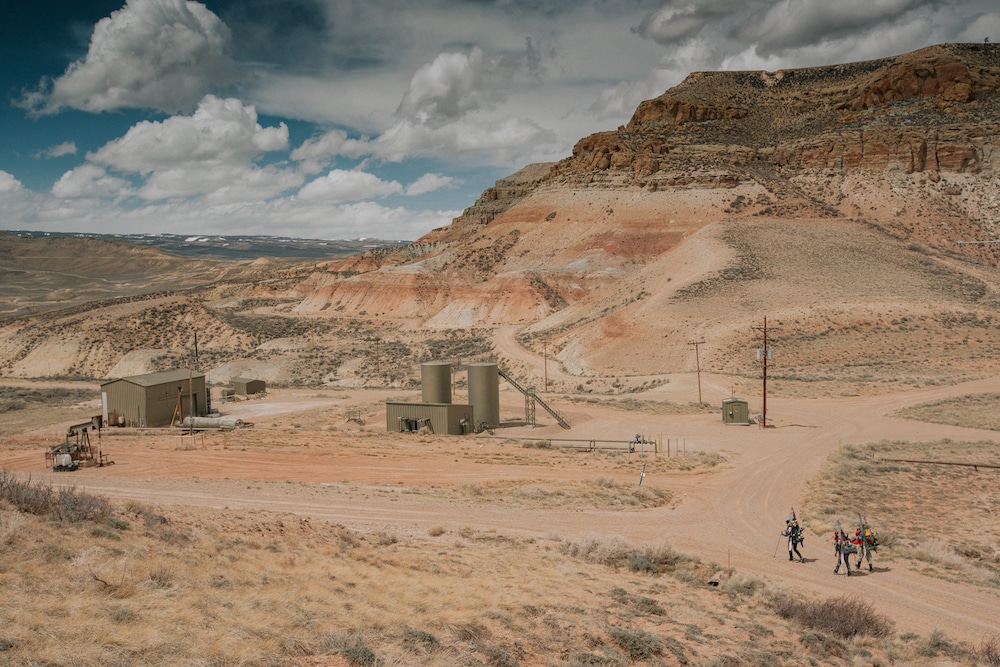
Despite that, they kept it light: the film is buoyed by David Attenburough impressions, body sledding scenes and twerking jokes. They also experienced a great deal of beauty: They spied elk and songbirds, watched sunrises and noticed how the landscape sprung to life with green-up — the very vegetation that sustains deer on their migration.
By protecting migration corridors, Watson said, “we’re protecting a lot of diversity, which I didn’t think about until I got out there and walked that path.”
Mile by mile, they also gained an important understanding of, and respect, for Deer 139, mule deer, all migrating species and the lands they travel.
“Habitats can’t be considered in isolation,” Dwinnell says in the film. “There is a purpose for each of the habitats that they use along their path. Making sure that we connect those landscapes is so critical for the survival of the population.”
Takeaways
One charming aspect of the film is that the women aren’t pros, yet they manage to pull off a burly adventure. Dwinnell said that’s by design. The outdoor sports world can be intimidating, particularly for women, she said, and she hopes to convey that anybody can hatch a crazy plan and pull it off.
As far as that assumption that mule deer live anything resembling a mundane existence? The film shatters that, too.
Most important to the team is that “Deer 139” opens eyes, sparks conversations and, they hope, changes a few perspectives.
“We hope that the film will sort of plant this idea in the public consciousness about what landscape connectivity really means for wild animals, as far as their need to move such long distances,” said Emilene Ostlind of the UW’s Haub School, who worked as a producer on the film.
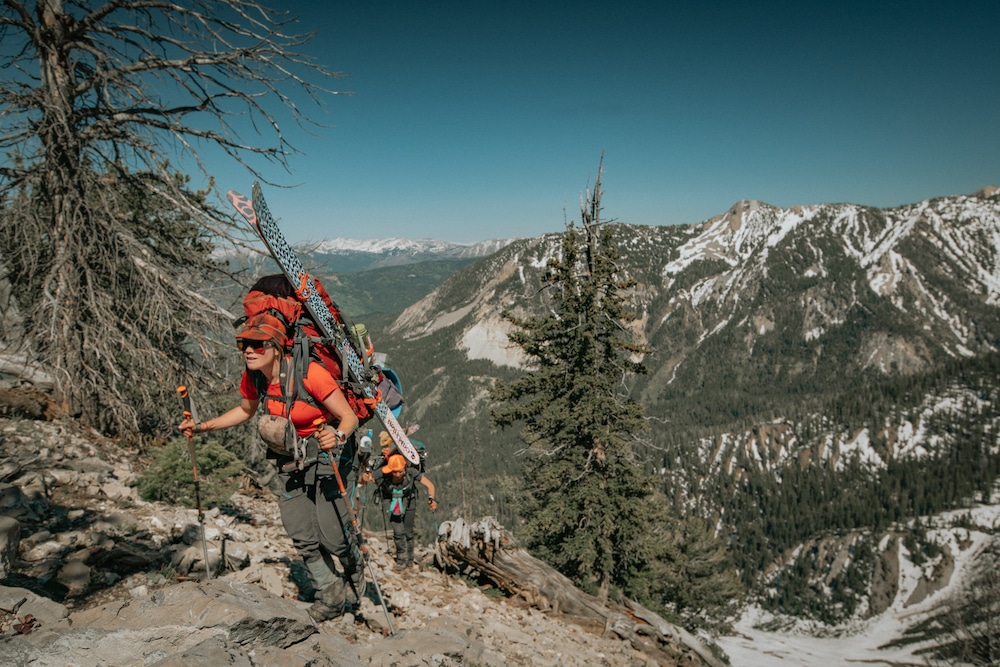
Watson said she has generally found Wyoming residents to be “quite knowledgeable of the land, and there is a pride in their connection to the land and landscape.” That’s a good thing, but she said it can also result in some becoming entrenched in their own sets of experiences.
“What I’m hoping is that the film helps to facilitate conversations in a different way, where people are like, ‘oh maybe there are some limitations to my experience,’” she said.
Support in-depth reporting with a tax-deductible donation today
After all, Watson admits, before the trip, the depth of her imagination about mule deer existence was informed by seeing them stand in fields and jump in front of her car.
“And now looking out across Wyoming and seeing them, I’m thinking ‘whoa, where did you come from, and where are you going?’” she said.

Way to go Deer 139!!! Thank you Katie. Im interested in finding out where and when the film will be shown in Big Horn! Looking forward to seeing it! Recently I heard about another doe mule deer that traveled some 250 miles here in Wyoming! Amazing! Hey Sam that could be another adventure! Best
A great read., looking forward to seeing the film.