
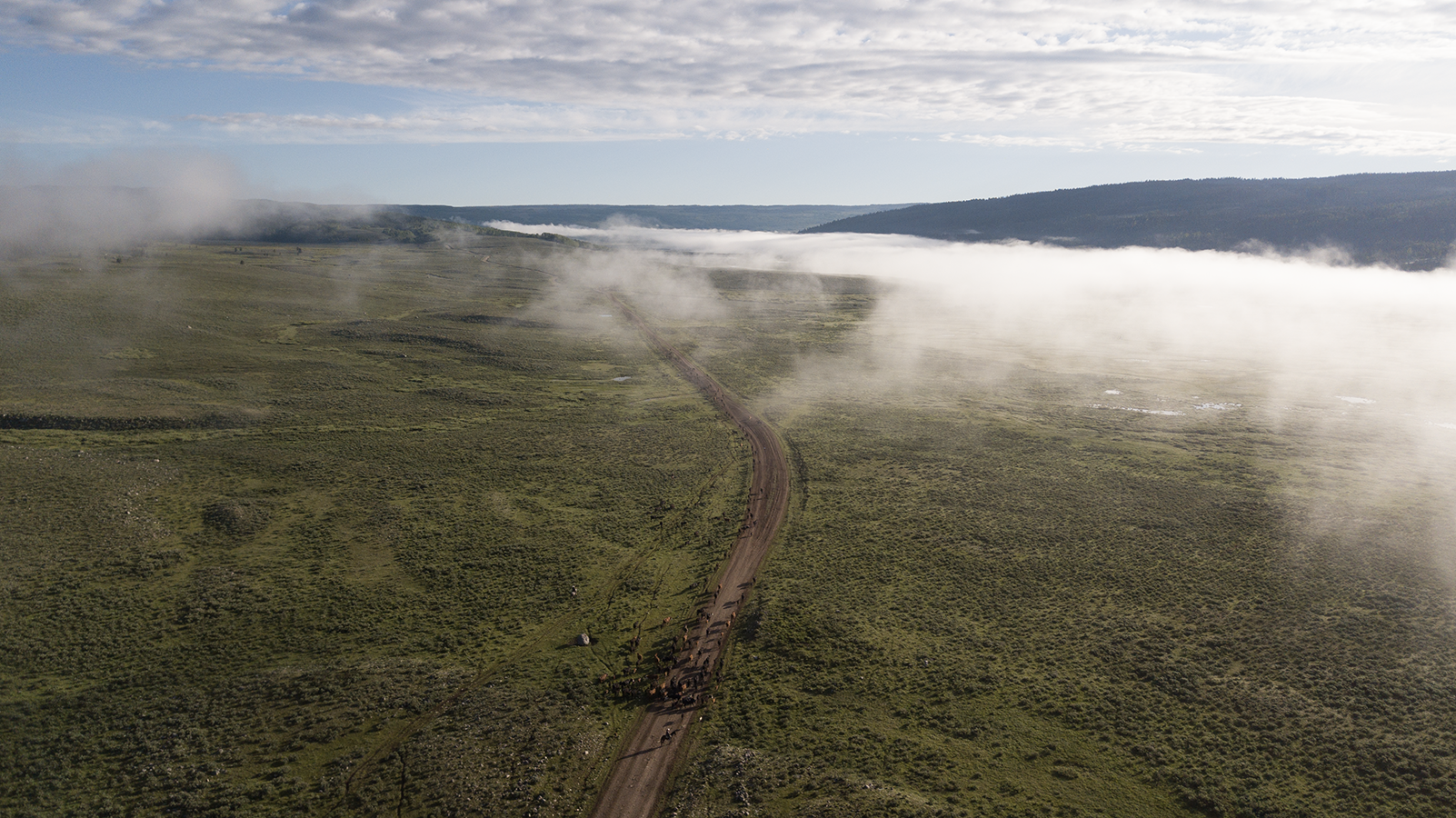

Cattle growers can use a roughly 48-square-mile swath of the Gros Ventre Range this summer that was retired from sheep grazing a decade ago, and rangeland watchdogs are raising questions about the process federal land managers used to authorize the restocking.
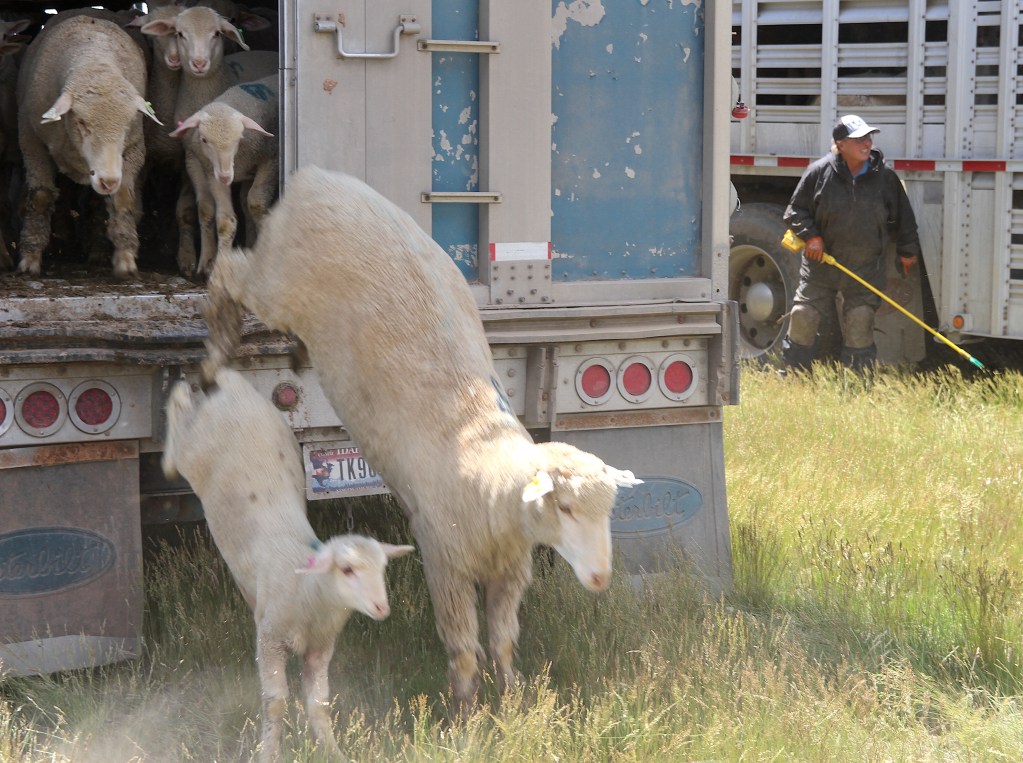
Controversy over the Bridger-Teton National Forest’s decision to temporarily allow cattle stocking in four allotments known collectively as the Elk Ridge complex is heightened by a 2016 voluntary buyout deal struck to protect bighorn sheep in the area. Woolgrower Mary Thoman agreed to waive her permit to graze sheep in the complex in exchange for an undisclosed sum in a deal that was funded by the Wyoming Wild Sheep Foundation, Sagebrush Habitat Conservation Fund and other groups. Many of those involved assumed that deal effectively withdrew the allotments from all grazing, not just sheep. Then about five years ago, cattlemen led an effort to stock domestic cows and calves there instead. The Bridger-Teton never completed its analysis of that proposal and the allotments have remained vacant of sheep and cattle ever since.

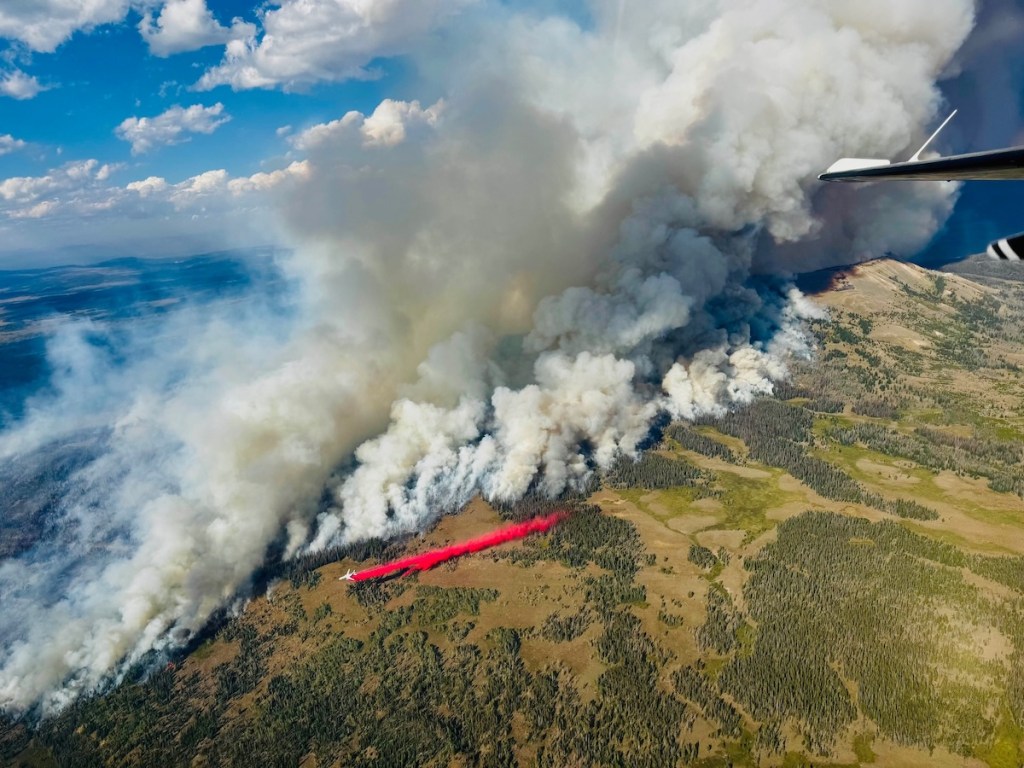
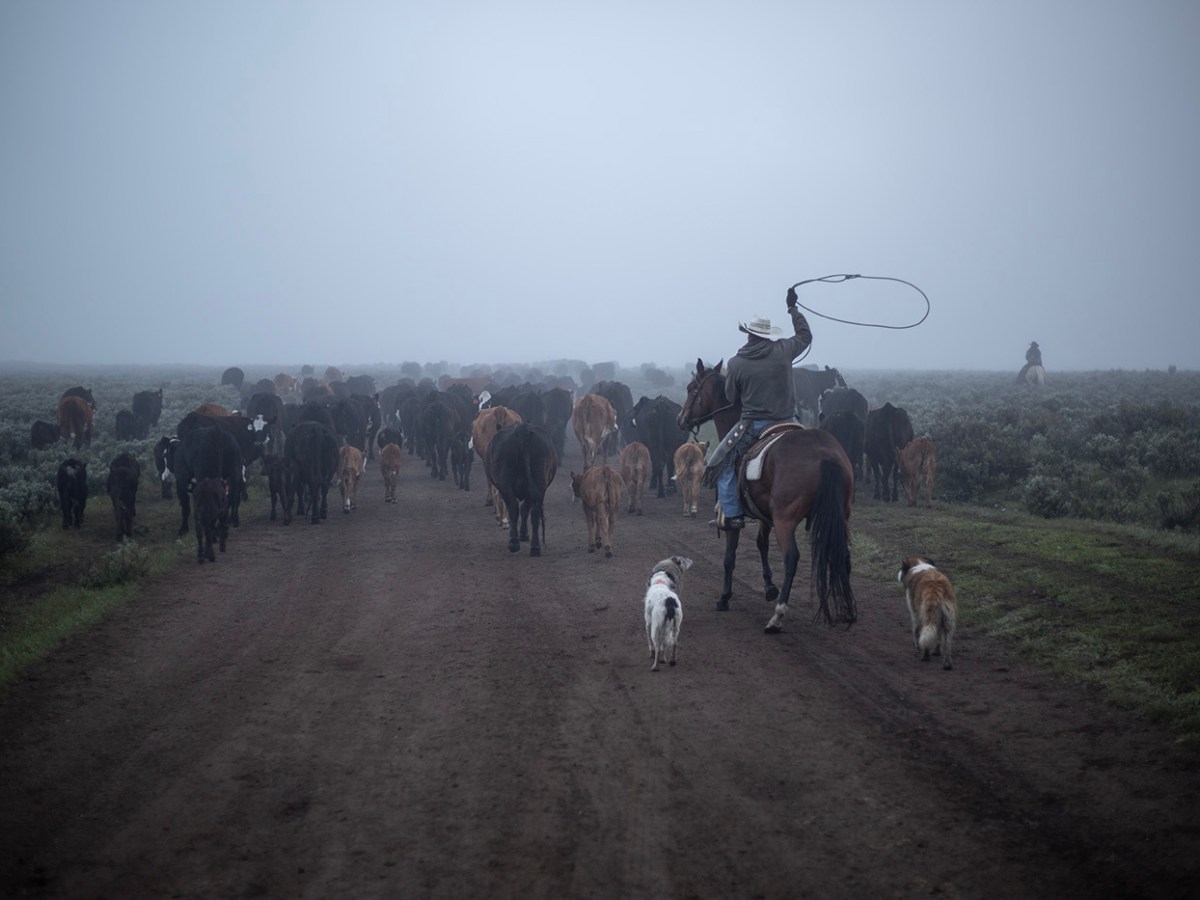
Now, up to 650 cattle have been temporarily approved to run on the allotments in 2026 and 2027. Explaining the shift, Bridger-Teton Supervisor Chad Hudson pointed to a 2025 wildfire that raged through adjacent allotments used by the Upper Green River Cattlemen’s Association.
“The Dollar Lake fire did severely impact about 15,000 acres of the Upper Green River Rangeland management area,” Hudson told WyoFile. “The temporary use of the Elk Ridge allotments provides a critical short-term solution to a fire-related forest deficit and … supports the recovery of the fire-damaged area.”
The four grazing areas in question — the Elk Ridge, Rock Creek, Lime Creek, and Tosi allotments — total about 31,000 acres. They’re located about 30 miles southeast of Jackson, and the westernmost acres, in the Tosi Creek drainage, include portions of the Gros Ventre Wilderness. Others farther east are in the Green River drainage.
The authorization for the Upper Green River Cattlemen’s Association to run its cattle in the area is briefly described in the Bridger-Teton’s “Annual Operating Instructions” for its Pinedale Ranger District, which states livestock would be allowed to graze there “if necessary.”
“A small group of people came up with this concept,” Hudson said, “to use adjacent acres to provide adequate forage, but also rest those burnt acres.”
Parties that generated the idea include the Sublette County Conservation District, Wyoming Game and Fish Department, The Nature Conservancy and the Upper Green River Cattlemen’s Association, Hudson said.
Some livestock industry watchdogs aren’t pleased with the arrangement.
‘Beyond flimsy’ rationale
Bondurant resident John Carter, who runs the Yellowstone to Uintas Connection, formally asked Bridger-Teton leadership in a July 5 letter to reconsider its approval of cattle grazing at the Elk Ridge complex, and to release a plethora of related documents.
“This request is not based merely upon disagreement with the decision to authorize grazing,” Carter wrote. “Rather, it arises because the administrative history of these allotments, the Forest Service’s own environmental analyses, and the agency’s current monitoring information raise significant questions regarding the basis for authorizing livestock grazing after nearly a decade of vacancy.”
Upper Green resident Jonathan Ratner doesn’t buy that the Dollar Lake Fire was the true reason for the restocking. The blaze, which nearly burned down his house, didn’t burn the non-forested meadows and shrublands used by cattle, he said.
“Their rationale is beyond flimsy,” said Ratner, a former Bridger-Teton rangeland scientist who’s a longtime critic of public lands grazing. “The federal government is not allowed to act arbitrarily and capriciously, and they’ve manufactured rationale that can’t withstand even the slightest examination.”
Ratner and Carter argue that the public was improperly cut out of decisionmaking and that federal land managers haven’t met their legal obligations. And they also take issue with Bridger-Teton’s reliance on a 1978 environmental assessment to temporarily allow cattle on the allotments 48 years later. Additionally, the duo say the Forest Service misrepresented its plan in a review conducted to comply with the Endangered Species Act.
That review, known as a biological assessment, found the restocking would “not be expected to have any additional impacts to grizzly bears” — a conclusion that the U.S. Fish and Wildlife Service agreed with in a May letter.
“They concurred,” Hudson said. “Given the proximity, it’s essentially the same bears and the same cows” as the previous grazing arrangement.
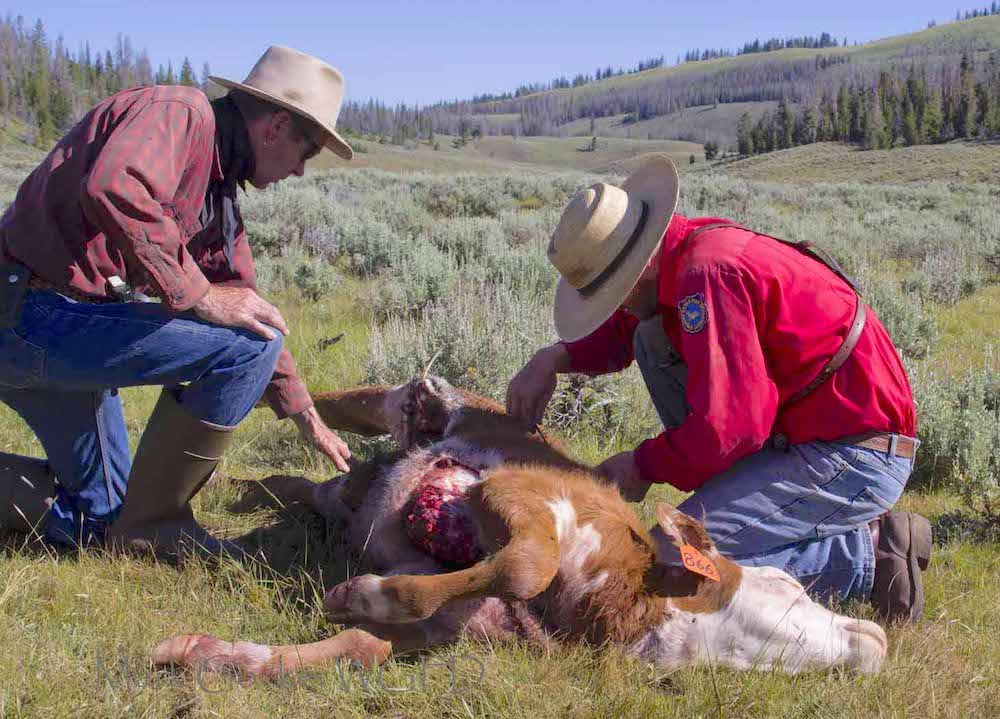
The Elk Ridge complex is sandwiched between allotments where the Upper Green River Cattlemen’s Association runs cows each summer after driving its herds up the Green River Drift. For over a dozen years, the area has seen a remarkable concentration of grizzly bear-cattle conflict. Despite efforts to diminish depredations, the conflicts have continued to grow more common, often with lethal outcomes for both species. Between 2010 and 2024, there were 964 “confirmed conflicts” on the Upper Green allotments and 50 grizzly bears killed by wildlife managers as a result, according to Fish and Wildlife Service data.

Conservation groups’ bought out the Elk Ridge sheep allotments mostly to protect bighorn sheep, not grizzlies: The Whiskey Mountain and Jackson herds had a “high risk of interaction,” and that interspecies mingling can cause catastrophic diseases in the wild sheep. But the Forest Service noted in a 2016 letter to the bought-out permittee that there’d been “significant predation from both grizzly bears and wolves” and that “recurrent scatter events associated with predation continue.”
For that reason, the Forest Service officials stated they “would not restock these allotments with domestic sheep” and that additional National Environmental Policy Act analysis “would be necessary” before restocking cattle.
EIS coming soon
Although the Forest Service didn’t complete the NEPA review it started in 2021, Hudson anticipates a new analysis soon.
“We are, most likely, going to look at more of a permanent option and kick off an [environmental impact statement] this fall,” Hudson said. “But as far as this temporary authorization, if needed, we relied on [the 1978] environmental documents.”
Sagebrush Habitat Conservation Fund Vice President Jon Marvel, who contributed to the 2016 buyout, said that he’s still waiting to see the authorization.
“They haven’t supplied a copy of any document that actually authorizes this temporary two-year use,” Marvel said. “It’s illegal, let’s get that straight.”
Marvel and others who were involved in the 2016 buyout were not part of discussions as the Bridger-Teton assessed the temporary restocking. Wyoming Wild Sheep Foundation executive director Katie Cheesbrough learned that cattle could move back onto the allotments come Aug. 15 when she took WyoFile’s call.
“We’re not necessarily upset with the thought of cattle being restocked,” Cheesbrough said.
But she wondered what the restocking meant for the future effectiveness of grazing allotment buyouts, which are a conservation tactic the Wyoming Wild Sheep Foundation has heavily relied on historically. Between the 1990s and 2017, her organization put over $300,000 into “quite a few” buyouts.
“It really begs the question: Is this tool viable anymore?” Cheesbrough asked.
Cheesbrough also shared concerns about the Forest Service process, and broader changes to restocking procedures under the Trump administration that diminish the public’s ability to weigh in.
“There’s not that opportunity to go through the NEPA process and have public comment and analyze what the proposal is,” Cheesbrough said. “We would be interested to look at the analysis, and comment. I do anticipate engaging with it, if we are allowed to.”
The U.S. Department of Agriculture has directed national forests to expand access to and prioritize permitting vacant and closed grazing allotments. Trump administration undersecretary Michael Boren told Forest Service line officers in a June 12 memo that they should “utilize emergency authorities” to “expedite authorization of livestock use.”
Hudson, the Bridger-Teton supervisor, said that the restocking is “consistent with the current administration’s agenda and desire to increase access for our [livestock] producers.” But the federal directives weren’t the driving force, he added.
“It’s really a reaction to the Dollar Lake Fire,” Hudson said. “The analysis that we’ll do starting this fall is being a little bit more proactive, too.”
Authorizing long-term cattle grazing in the Elk Ridge complex would give cattle ranchers “options when and if their allotments are impacted” by future wildfires, he said.
Upper Green River Cattlemen’s Association President Coke Landers told WyoFile he was unavailable for an interview this week. Although Wyoming Stock Growers Association lobbyist Jim Magagna drove earlier efforts to restock vacant Bridger-Teton allotments, he said he wasn’t particularly engaged in recent changes to the Elk Ridge complex.
Still, Magagna was pleased with and defended Bridger-Teton’s decision.
“Nobody’s asking for more head of livestock out there,” Magagna said. “They’re just asking for more land to be available, and it gives the permittee more flexibility.”
“It seems like it’s a win-win for everyone,” he added.
Correction: Chad Hudson’s job title has been updated. –Eds.

As usual, wild things will eventually suffer from this decision.
This decision by Trump-appointed officials is criminal and will have lasting impacts on future buyouts and grazing management if allowed to stand. Hopefully, the final decision can be put off until the next administration can appoint qualified leaders who actually care about science, proper land management, public lands, and wildlife.
Uhhh… no, it is not a Win-Win Situation. The grizzlies lose in this one. Historically there’s already been bear conflicts in the region (because humans keep moving livestock and buildings into their areas where they live). This will cause the conflicts to increase, no doubt about it.
Once again, a “protected species” – so designated to help with the recovery of a viable healthy breeding population – takes it in the shorts when Commerce rears its ugly head. There is no value placed on the bears as a natural component in that ecosystem.
Those whose cattle are grazing the allotments should be required to fund surveys for weeds such as cheat grass and other undesirable species for at least four years. If weeds are found the ranchers should foot the bills for the weed control. Creeks and other important riparian areas and wetlands should be fenced to exclude cattle, paid for by the ranchers grazing their cattle there.
Grazing these allotments shouldn’t be just be a “gift”.
Great reporting once again, Mike! Thanks for bringing these important stories to light. I hope this exposure keeps grazing allotments from taking over the entire west. This is EXACTLY why grizzlies cannot be delisted. Look how many are already killed!
I have a question: since these areas are in grizzly bear habitat and ranchers who choose to graze their animals there know the risks involved; are the Grizzlies who prey upon the livestock in danger of being euthanized or do ranches just accept the fact that some predation will occur and they knew that risk going in to this area?
Richard: I was hoping this article would include a map of grizzly bear habitat which clearly defines the original core habitat, the DMA ( data management area ) and the current occupied habitat. Author Koshmrl has previously published an article which clearly showed the current occupied habitat. This is important since the grizzlies have expanded their range far beyond the designated habitat and thus are encroaching upon range where they not expected to occupy. I would have to see Mike’s occupied habitat map to better understand just where these allotments are located with respect to the original designated habitat.
A lot of the reason for the sheep grazing buy out was to protect the bighorn sheep from disease
The Nature Conservancy is a joke with a revolving door of 90 day wonder employees and this state shouldn’t allow their opinions on what happens on public lands.
Great. Allowing cattle to graze the Gros Ventre will fatten them , which in turn will fatten the grizzlies. Perfect.