

Help, resources for workers
Workers facing unemployment can contact the Department of Workforce Services.
The agency is also coordinating rapid response, in-person meetings this week at Western Wyoming Community College in Rock Springs.
If you or someone you know is having suicidal thoughts, you can call or text the Suicide and Crisis Lifeline at 988.
To find a local food bank near you, go to the Food Bank of Wyoming website. Go to the same website to learn how to help.
Because there are so many different social service organizations in each Wyoming town, one of the best ways to find help or to learn how to help is to visit the Wyoming 211 website or dial 2-1-1. The call center can connect you to services and organizations in your community.
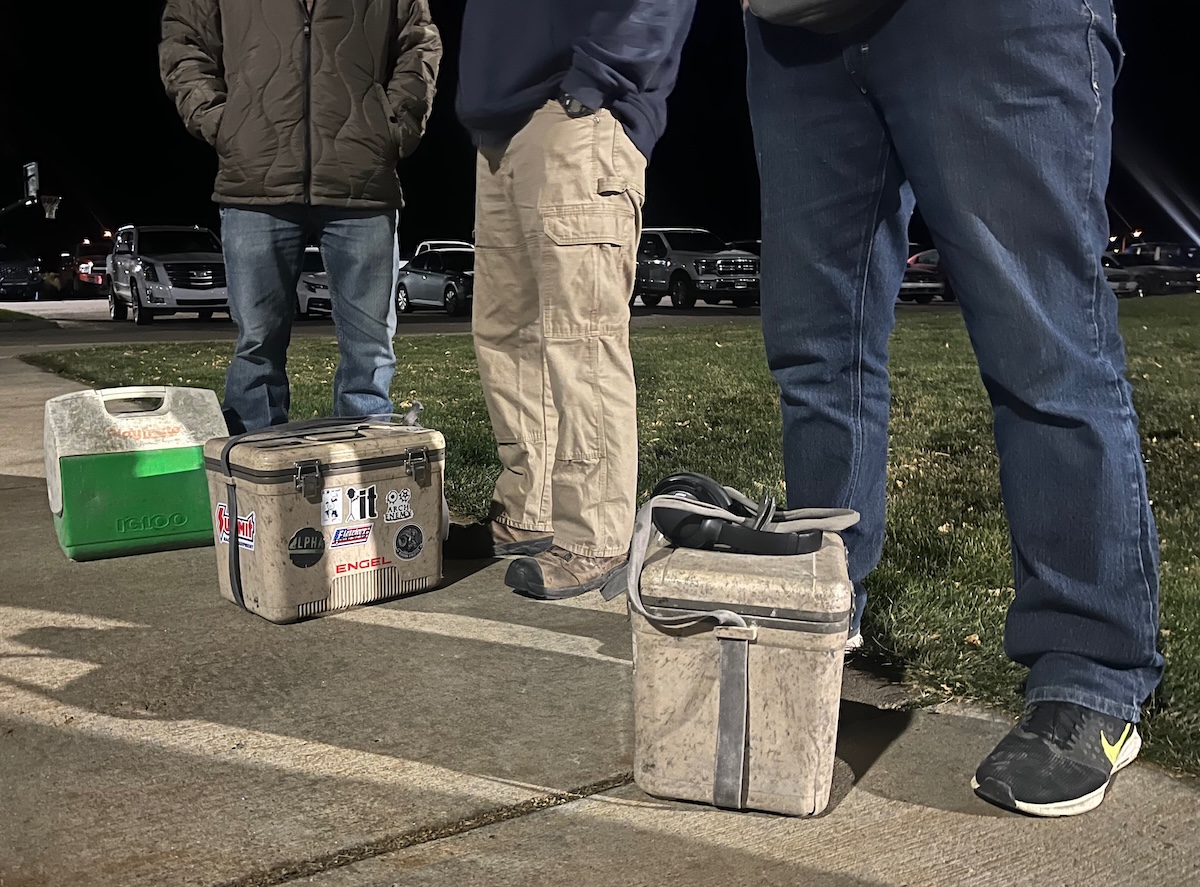
SWEETWATER COUNTY—Trona miner Jarred Weiss was up by 4:30 a.m., packed a lunch for work — a cup of hummus and a couple pieces of naan bread — and arrived at the Rock Springs Family Recreation Center at 5:15 a.m. Way too early, he said, as usual. But it’s a calming time to scroll through his phone before catching the company bus for the 40-minute drive to WE Soda’s trona mine and soda ash complex.
“I’m kind of a worrywart,” he said. “I don’t like to rush.”
Weiss, 45, has a lot on his mind these days. His company announced earlier this month that it will lay off 350 workers over the next two years, with most of the pink slips coming in January.
“I know my job’s gone. I’m only number 20 from the bottom,” said Weiss, who has worked above ground at the powerhouse for the past three years. Soon after the layoffs were announced, the company cut his pay and reassigned him underground to “basically do whatever they want me to do,” he said.
Instead of the 12-hour shifts he used to work — with a guaranteed full week off once a month — he’s now working eight-hour shifts. That means he can’t join his son for lunch at school or take care of personal business on weekdays — minor inconveniences, he said, compared to what’s to come.
“I’m not sure what my future holds,” Weiss said. “Southwest Wyoming is my home now, and I hate to leave. The thought of having to learn something new, maybe find a new trade or a different lifestyle — it’s hard to know how to make sense of this.”
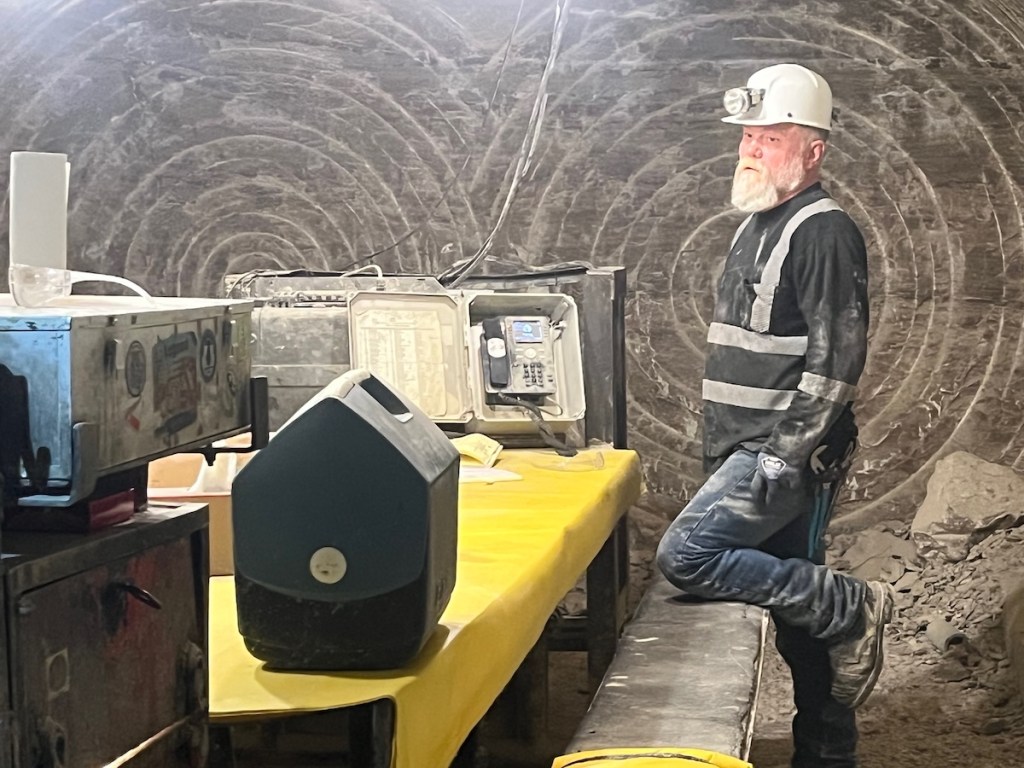
Pointing to a flood of new soda ash fed onto the global market from China and Mongolia, London-based WE Soda says it’s been losing money on every ton of Wyoming soda ash — which is derived from trona — that it ships out of state. To regain a competitive edge, and to ensure its trona and soda ash operations in Sweetwater County remain viable into the future, the company plans to shift from underground mining to less labor-intensive drill-and-pump “solution” mining.
It will require flooding the mine and trimming its Wyoming workforce from 850 to 500, WE Soda said. It also means the company will cut its Wyoming soda ash production by more than 1.5 million metric tons annually as it focuses less on global markets and more on North American customers.
“This repositioning is necessary to strengthen the long-term competitiveness of the company’s Wyoming operations in response to the significant impact which low-cost Chinese soda ash exports have had on the pricing of American soda ash in export markets,” the company said.
The move and impending layoffs are a gut-punch to workers and southwest Wyoming communities, residents say. By shifting to solution mining, locals worry, WE Soda might force three neighboring trona mining operations into the same drill-and-pump method, resulting in hundreds more layoffs.
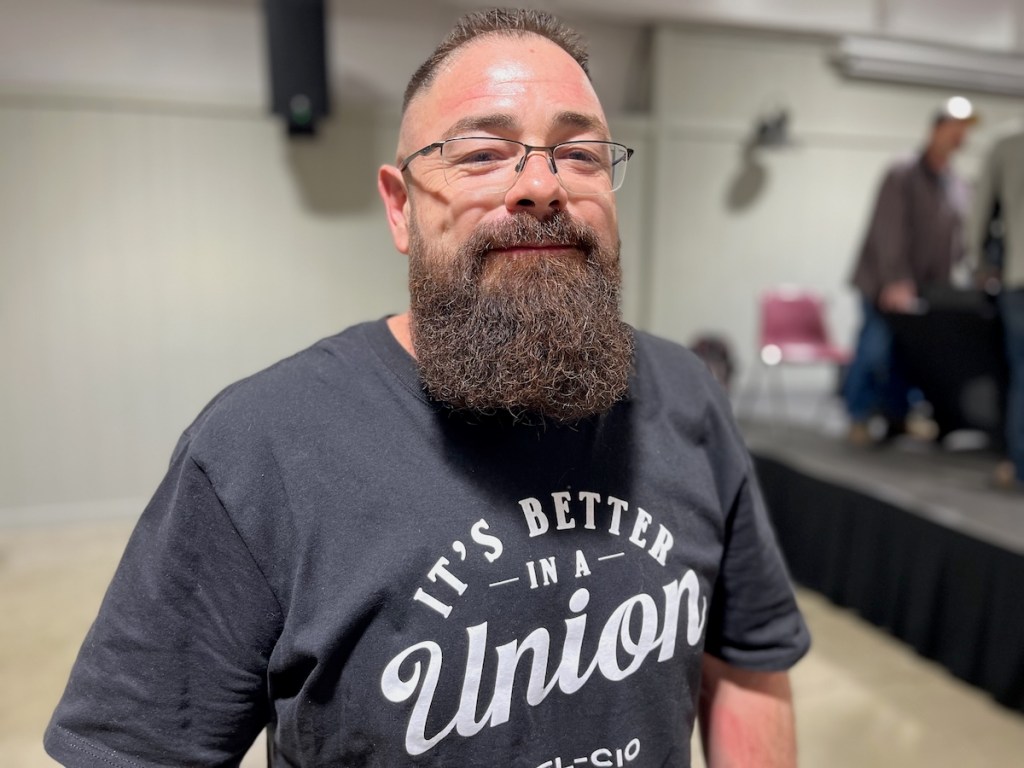
“It’s a disaster,” WE Soda worker Jeremy Litz, 44, told WyoFile after a union meeting last week. “Talking to friends and family and co-workers, this is going to affect our community top to bottom.” Families will likely have to move, sending the economy into a tailspin, he added. Meantime, people are already taking drastic measures to cut their spending, like forgoing a haircut, to prepare for the loss of their livelihoods.
“We’ve already had [WE Soda workers],” Litz said, “who have had to take their kids out of daycare and out of preschool because of the unknown — what they’re going to be able to afford.”
‘All of a sudden, you have your world torn apart’
Wyoming’s trona and soda ash industry consists of four separate operations clustered west of Green River in Sweetwater County, each including mining operations and processing plants. Combined, last year they supported about 2,500 workers and produced 10 million tons of soda ash worth $1.3 billion, according to industry figures.
Once brought to the surface, trona is crushed and baked into a fine powder: soda ash. That’s used to make myriad products, from toothpaste to beer bottles, car windshields and large industrial batteries.
For decades, the “trona patch” has been the primary economic driver in the region, locals say, supporting big-box stores and mom-and-pop businesses, a robust community college, as well as amenities like parks and state-of-the-art recreation centers.
The economic hit from the WE Soda layoffs, and potentially others, “is huge,” Green River Mayor-elect Stan Blake said.
“You’re going to see people not paying their taxes, houses up for sale,” the former lawmaker added. Enrollment at public schools will decline, which means less funding and possible school closures. “It’s all a trickle-down effect,” Blake said. “Especially if this knocks down some other dominoes [forcing other trona mines] to go to solution mining.”
Dozens of support companies stretching from southwest Wyoming to Casper and Gillette — suppliers, welding and machine shops — will also feel the pinch, especially if there’s an industrywide shift away from traditional underground mining operations, Blake said. “Solution mining is a big fear.”
Locals have always regarded the trona patch as a source of steady, good-paying jobs with excellent benefits to support a family — a sort of blue-collar brass ring within reach without requiring a college degree.
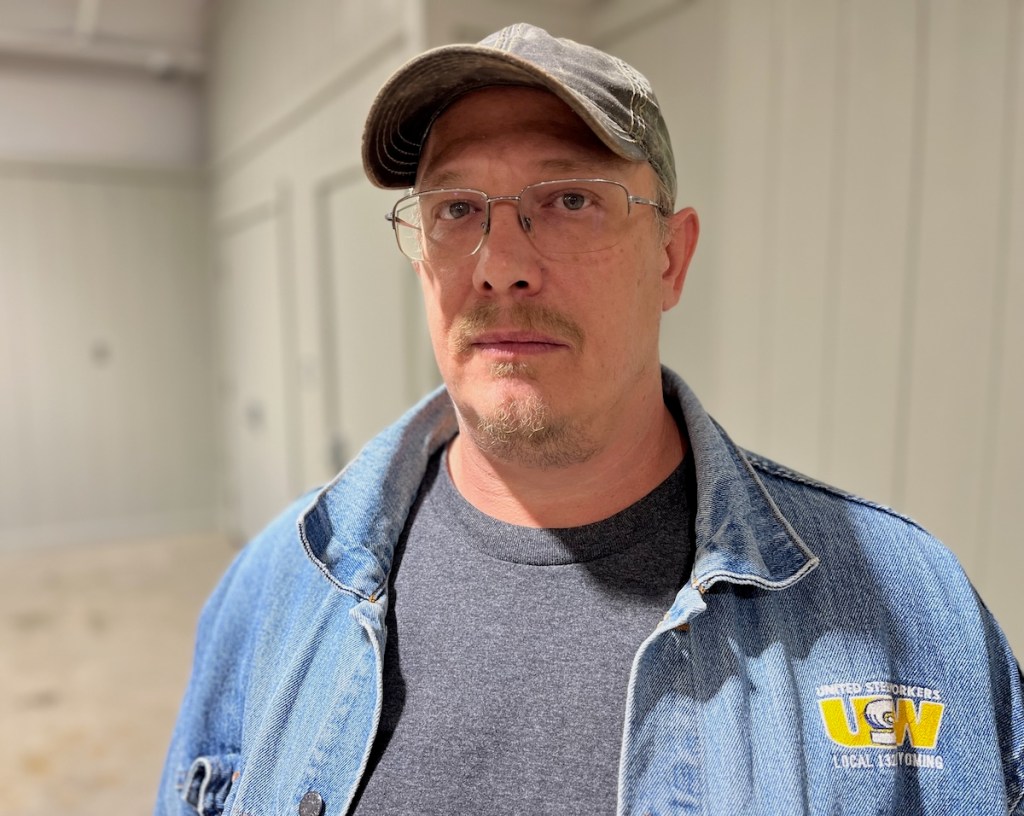
“I left the oilfields for the job security of the trona mines,” WE Soda worker Tyler Pehrson said. “You look for these mining jobs because they were sustainable. They were something you could build a future on and feel safe. And now, I don’t think there’s a trona mine in the patch that can feel safe after this.
“My oldest child graduated [high school] last year,” added Pehrson, 42. “I have a 12-year-old son, a mortgage, a truck payment. You can’t prepare for it. You wake up one morning, come in joking with your friends, and all of a sudden you have your world torn apart.”
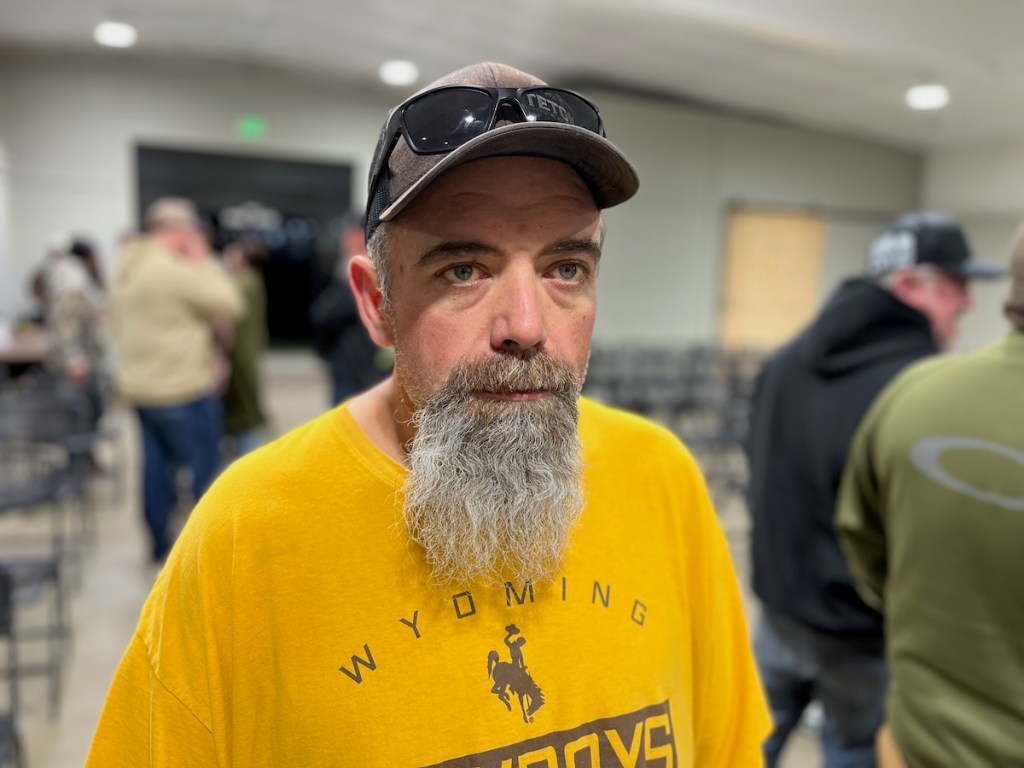

Ryan Heikes, 27, has worked at WE Soda as a mechanic for almost four years, and he guesses he’ll probably receive a pink slip. “It’s been great money,” he told WyoFile. “I can go and buy all the toys and live comfortably. But now it’s all going up for sale.”
Accepting his likely fate at WE Soda, Heikes said he’s preparing for his next steps and somewhat grateful to find out now — while he’s still young — he probably can’t count on the trona patch for a career.
“If they’re going to do this now, what’s going to keep them from doing it again later?” he said.
WE Soda worker Litz said he’s especially concerned for a couple of fellow workers on his crew who have children with special needs. “Now they’re going to lose their insurance,” he said. “How in the world are they going to make those bills?”
Union workers fear for safety
Hundreds of WE Soda workers, many accompanied by family, flooded a meeting hall Thursday evening at the Sweetwater Events Complex in Rock Springs to get the latest information from United Steelworkers Local 13214 — the union that represents about two-thirds of the company’s Wyoming workforce.
Union officers, the first to arrive, casually chatted about who might try to retire soon in light of the layoffs. “I think about it all the time, then I remember I’m too young to retire,” one union officer said.
As workers arrived, a woman picked up a young girl and told her, “I remember when you were born. Your daddy was on my crew.” Workers and spouses discussed Thanksgiving and Christmas plans, asking each other questions like, “how much does unemployment [insurance] pay?”
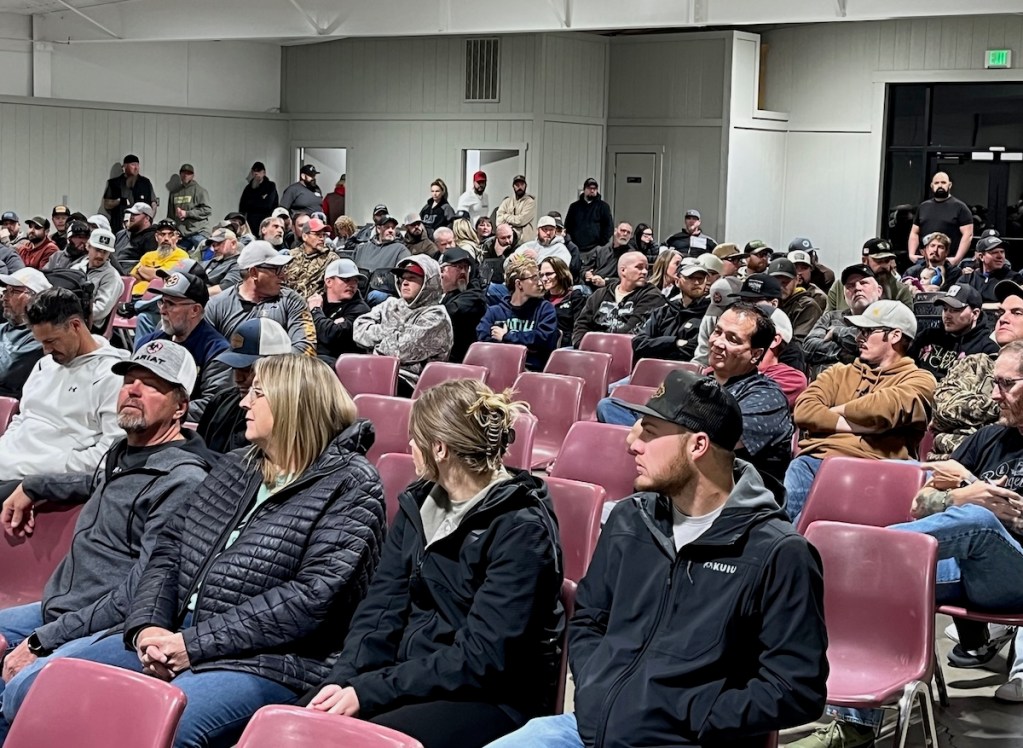
Getting to the business at hand, union officials, noting “the union is not in agreement with any of these proposals,” read through WE Soda’s provisional list of job cuts.
“The hoist relief is a mess,” United Steelworkers Local 13214 President Marshal Cummings said. “Hoist relief goes from two relief guys and three [supply/storage shop] people and two cagers to one guy. So he would receive, do the cager job and the storage job. So congratulations.”
Reading from WE Soda’s provisional layoff plans department by department, Cummings described jobs being eliminated along with how the company would reassign duties to remaining workers, frequently eliciting guffaws and disgusted chuckles. Union officials and workers in the audience detected a theme: As WE Soda cuts positions, it doesn’t appear to be cutting duties. Many of the remaining employees after the initial round of layoffs are expected to take on the workload of two, three, sometimes four workers.
“The good news,” Cummings said sarcastically, “is they didn’t offer any pay rate [increases] for you to take on additional responsibility.”
The crowd audibly moaned.
Though the company’s proposals are merely a starting point before official negotiations with the union kick off, United Steelworkers Staff Representative William Wilkinson suggested WE Soda officials are setting the stage for an uphill bargain. Both Wilkinson and Cummings noted that, in their discussion with company representatives earlier that day, they consistently had to correct them about who works where in the complex and how adding additional assignments poses safety questions.
“If they have the legal right to make stupid decisions, we really need to worry about the safety [risks] and try to save as many jobs as possible,” Wilkinson said. “A bunch of people that don’t do work at all made a bunch of dumb decisions. Now, it’s really hard to sit here today and be like, ‘What about this? What about that?'”
“They’re going to take this one guy,” Wilkinson added, “and they’re going to give him four more jobs to do. It’s not realistic.”
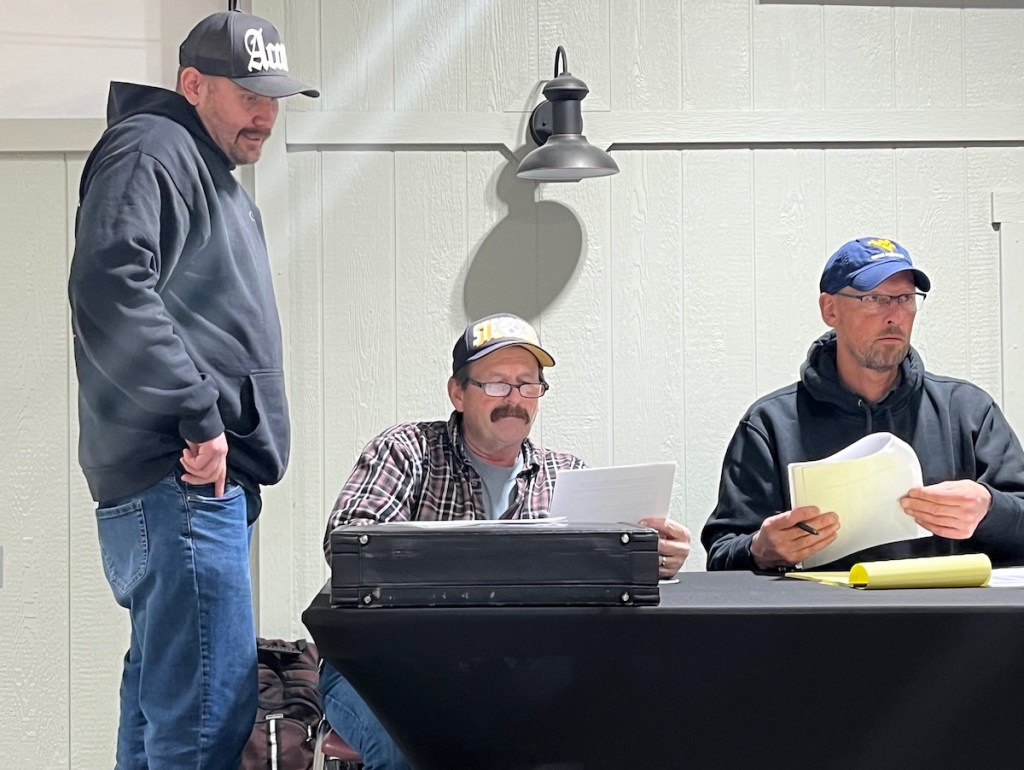
Cummings implored workers to follow task protocols and safety procedures “to a T.” If a worker is asked to break the rules, “find a [union] steward, file a grievance.
“Don’t take any shortcuts,” he added. “Don’t risk your safety.”
Reached by WyoFile for response, WE Soda provided a statement: “The safety of our employees and our operations is our top priority, and any changes to work assignments are being evaluated with safety in mind.”
After the meeting, while people were still milling about, workers bemoaned the challenges ahead.
Heikes, the 27-year-old, resigned to his fate at the company, told WyoFile, “I don’t want to be there with the ones left that are going to be running around like chickens with their heads cut off. It’s going to be way too much work on one person.”
Officials respond
Local elected officials have said they’re seeking more details from WE Soda while working with state offices to coordinate workforce services for employees facing joblessness. Gov. Mark Gordon and Gov.-elect Eric Barlow launched a coordinated response among the Department of Workforce Services and state unemployment insurance staff, as well as Western Wyoming Community College.
Staff from those agencies are hosting in-person information sessions this week at the college in Rock Springs for those affected. (See the infobox at the top of this story.)
Gordon on Monday paused a $13 million state grant that had been recommended for a natural gas pipeline connection at WE Soda’s operations. While reconsidering the grant, Gordon instructed state officials “to conduct an expedited thorough examination of the economic impacts to Sweetwater County and the state from the shifting global dynamics affecting Wyoming trona production.”
The Wyoming Energy Authority this week began soliciting proposals from third-party entities to take on the research, demanding it be completed by the end of January.
Gordon and Barlow traveled to Sweetwater County on Tuesday to visit with industry and community officials about the impacts of the pending layoffs.
“Sweetwater County is an economic powerhouse for Wyoming,” Gordon said in a prepared statement. “Trona is central to that story, as are the miners, their families and all the businesses that depend on a robust mining economy.
“I came because I wanted to hear from the people most affected by the news and get the conversation going about what the state can do,” Gordon added, “what we need to do and how we can work together to keep these mines healthy and employment full.”
Barlow, also in a prepared statement, said his team will stay engaged to ensure a seamless transition of state efforts to help the miners and their communities. “Families in Sweetwater County are facing difficult questions about their next paycheck and their future. They deserve our attention and a coordinated response.”
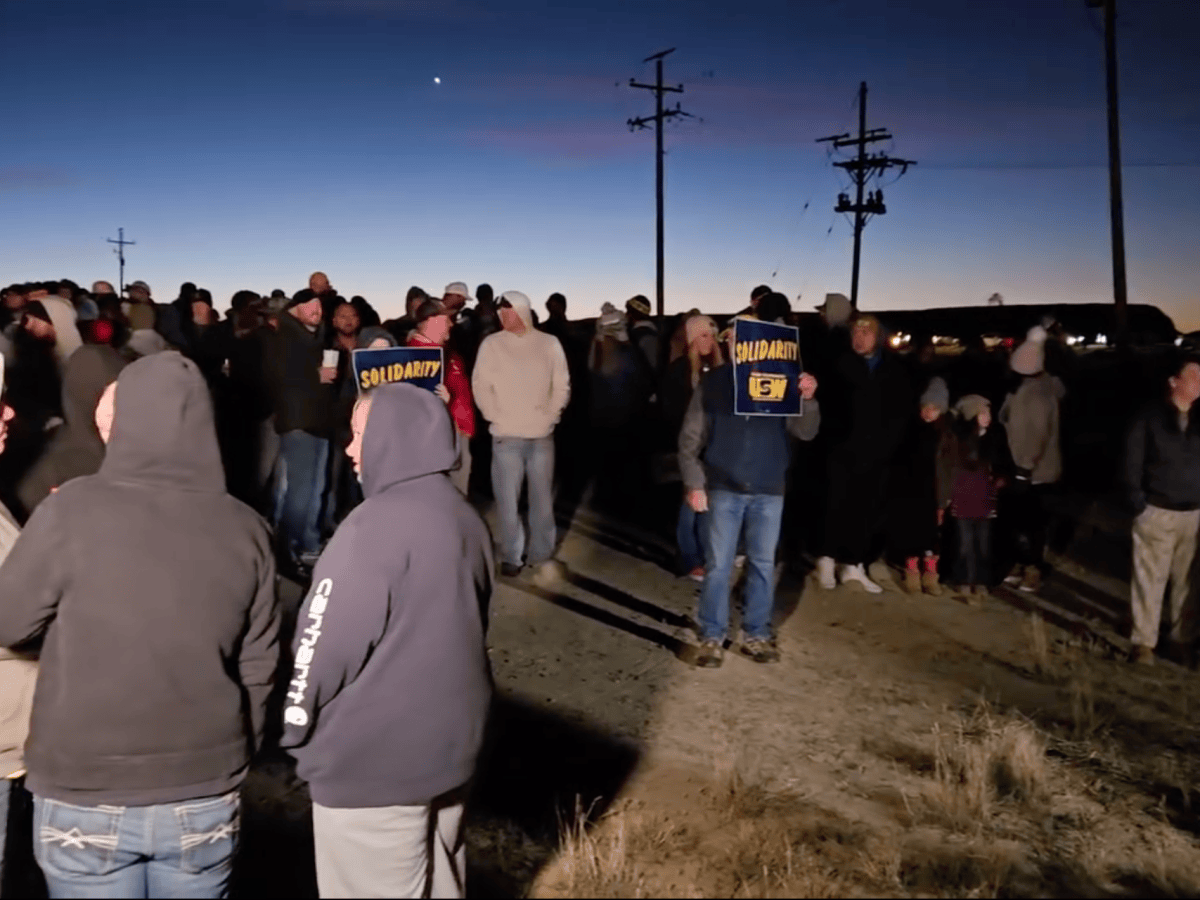
Wyoming’s senior U.S. Sen. John Barrasso, during a Senate Finance Committee hearing this month, demanded assurances from Trump administration nominees for Assistant Secretary of Commerce and Under Secretary of the Treasury for Domestic Finance to do all they can to help Wyoming’s soda ash industry and push back against China’s efforts to flood the global market.
“They’re rigging the market against our producers,” Barrasso said. “They’re flooding global markets with their subsidized soda ash.
“Our miners,” he added, “can beat anyone on a level playing field. But Communist China has no interest in fair competition.”
WE Soda, in a statement to WyoFile, said it is cooperating with state and local officials in efforts to help employees.
“We continue to meet with state and local elected officials to keep them informed and to find the best ways to help affected families and communities,” WE Soda said. “We are also working closely with Wyoming Workforce Services and we have met with local community groups and Western Wyoming Community College to work together on retraining efforts.”
But workers remain uncertain about how they and their families will navigate the loss of their economic livelihoods.
“There’s not many jobs out there,” Litz said. “There’s going to be so many people fighting for the five or six that are there; the majority of the guys are going to have to go somewhere else or take a substantial wage and benefits cut.”
