

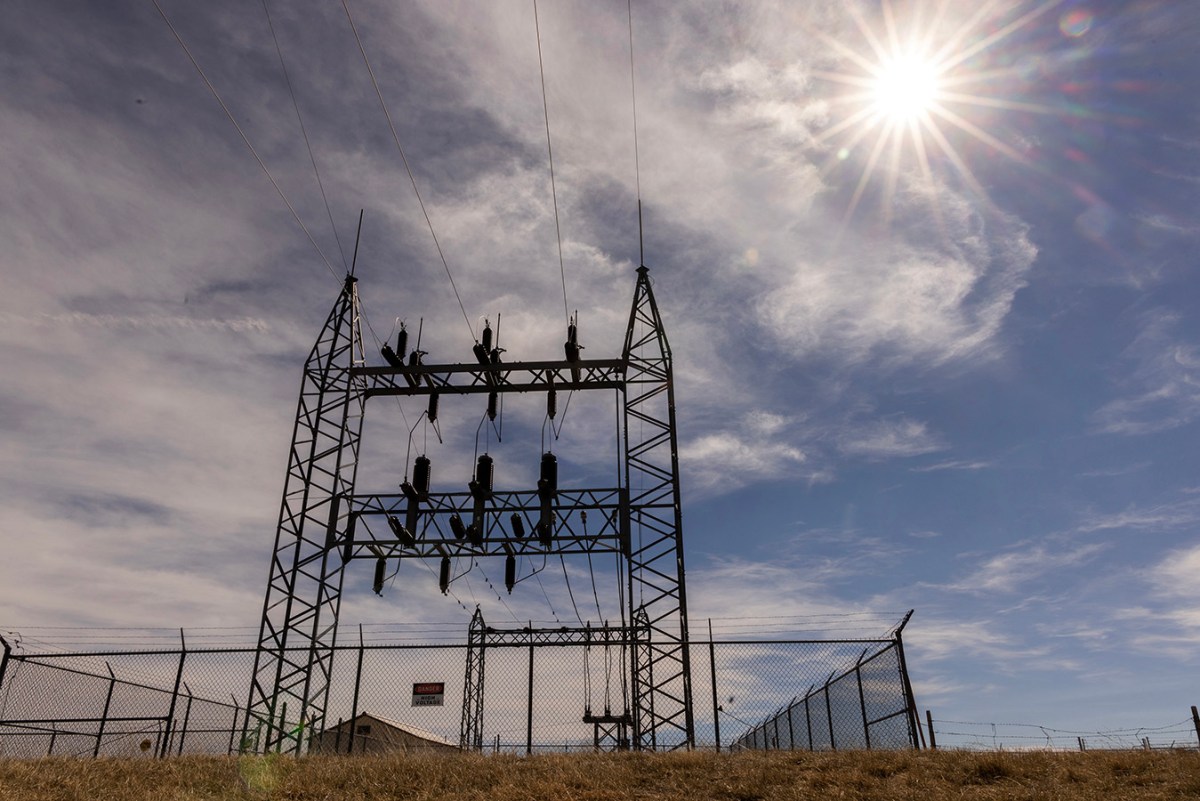
State and federal officials are seeking public comment on the proposed Bridger Pipeline Expansion project to carry Canadian crude from the border in Phillips County, Montana, to a terminal near Guernsey.
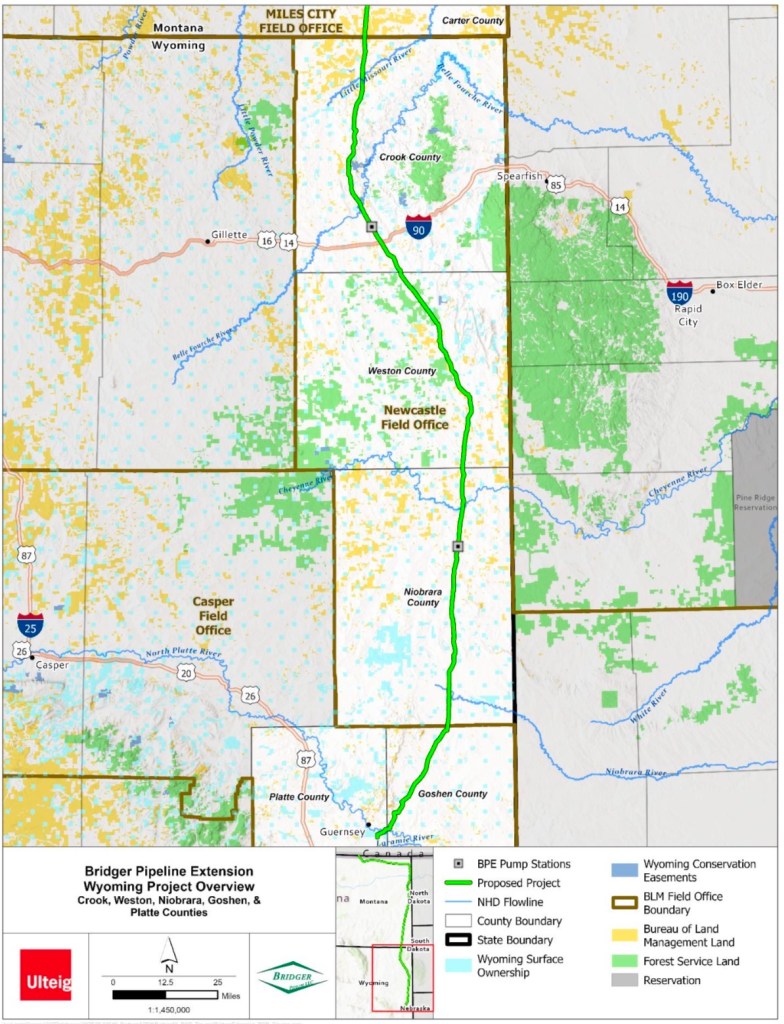
The massive 36-inch-diameter pipeline would span 647 miles and move about 550,000 barrels of crude oil daily. The proposed route includes about 210 miles across Crook, Weston, Niobrara, Goshen and Platte counties in eastern Wyoming, according to developer Bridger Pipeline Expansion. The company is a subsidiary of Casper-based Bridger Pipeline LLC, which owns a network of oil pipelines, including the Belle Fourche and Butte pipelines that connect North Dakota, Montana and eastern Wyoming oilfields to the Guernsey storage and interconnect hub.
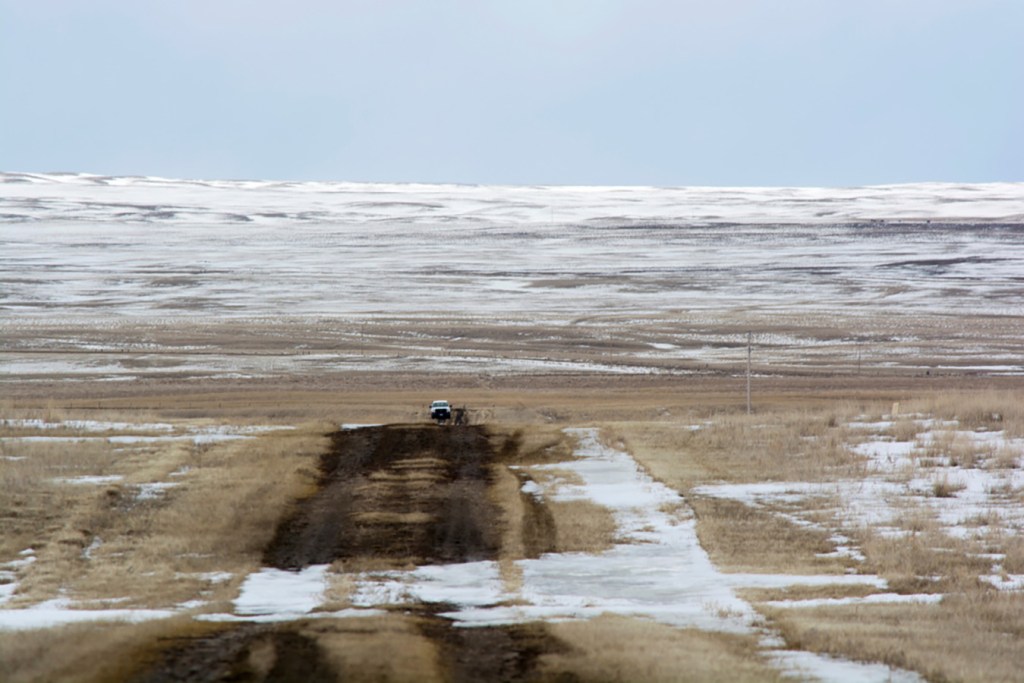
Bridger Pipeline is owned by True Cos., which has had several significant pipeline spills, including a 45,000-gallon diesel spill in eastern Wyoming in 2022 and an incident that spewed more than 50,000 gallons of Bakken crude into the Yellowstone River in Montana in 2015.
The U.S. Bureau of Land Management is the lead federal regulatory authority “to review potential impacts of the entire project to ensure environmental, cultural and community considerations are fully evaluated,” according to a BLM press release. The company has also applied to the Montana Department of Environmental Quality for a “certificate of compliance” required under the state’s Major Facility Siting Act, which triggers a parallel environmental review under Montana’s Environmental Policy Act.
The 30-day public scoping and comment period initiated this week will help both federal and Montana officials identify potential impacts and alternatives. The agencies will co-host one virtual and three in-person public meetings, to be announced at a later date (check here for updates), they said.
The BLM will host a public meeting from 5 p.m. to 7 p.m. April 13 at the Newcastle Lodge and Convention Center.
The Wyoming Department of Environmental Quality “will serve as a participating agency” in the BLM’s review, according to the department.
You can learn more about the environmental review for the project here, and choose the “participate now” tab to submit a comment.
Keystone Light?
Some locals in eastern Wyoming refer to the project as “Keystone Light,” a Niobrara County rancher told WyoFile. The name, borrowed from a beer, is a nod to the notion that the Bridger Pipeline Expansion would help fill the industry’s aspiration for the Keystone XL oil pipeline project abandoned in 2021.
Amid major opposition and protests, President Joe Biden — on his first day in office — cited his plans to address climate change by revoking a Trump-era permit for Keystone XL, which was required for the border crossing. The Bridger Pipeline Expansion will also require a presidential permit for the international border crossing, according to the BLM.
Similar to the Bridger Pipeline Expansion, Keystone XL would have transported Canadian oil-sands crude, but was larger — designed for up to 830,000 barrels per day. Its proposed route also differed, crossing in Montana and spanning portions of South Dakota and Nebraska.
One major advantage of the Bridger project, according to company officials, is that the Canada-Montana-Wyoming route follows many existing rights-of-way. About half of the route in Montana is parallel to existing pipelines, and a little more than half of the 210-mile route in Wyoming follows existing pipeline corridors, according to a project description provided by the BLM.

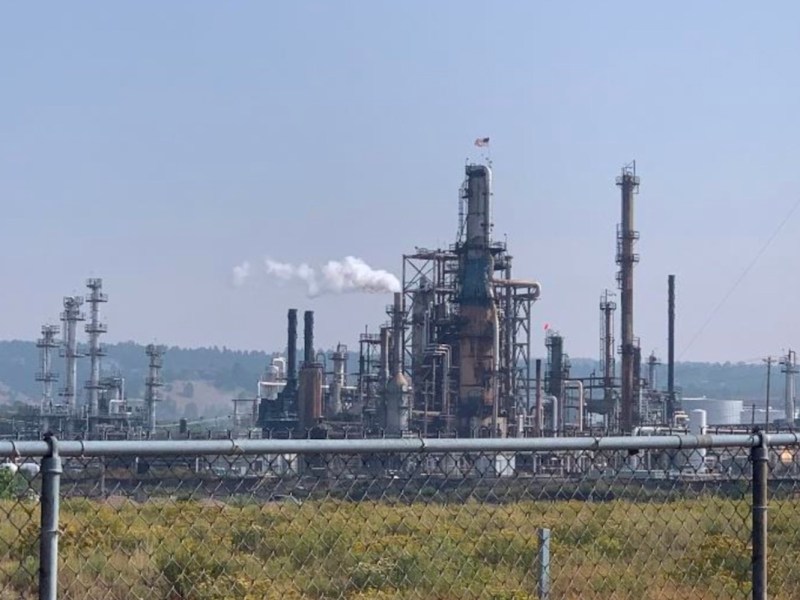
Additionally, the developer owns much of that existing infrastructure: “The Project would parallel Bridger‐owned infrastructure for roughly 138 miles in Montana and 100 miles in Wyoming.”
The route includes about 6 miles of BLM-managed lands in northeast Wyoming, as well as about 5 miles of Thunder Basin National Grassland, managed by the U.S. Forest Service. The federal review includes the Forest Service, U.S. Fish and Wildlife Service and the U.S. Army Corps of Engineers. Construction could begin by July 2027 and would employ about 400 workers for each of four stages of development, according to a BLM planning document.
Health and environmental concerns
In 2023, Bridger Pipeline and its subsidiary Belle Fourche Pipeline Company paid $12.5 million to resolve penalties related to a series of pipeline spills and alleged violations of the Clean Water Act and federal pipeline safety laws.
The company’s track record, combined with allegedly lax oversight by state regulators, is cause for concern, said Jill Morrison, who serves on the board of the Sheridan-based landowner advocacy group Powder River Basin Resource Council.
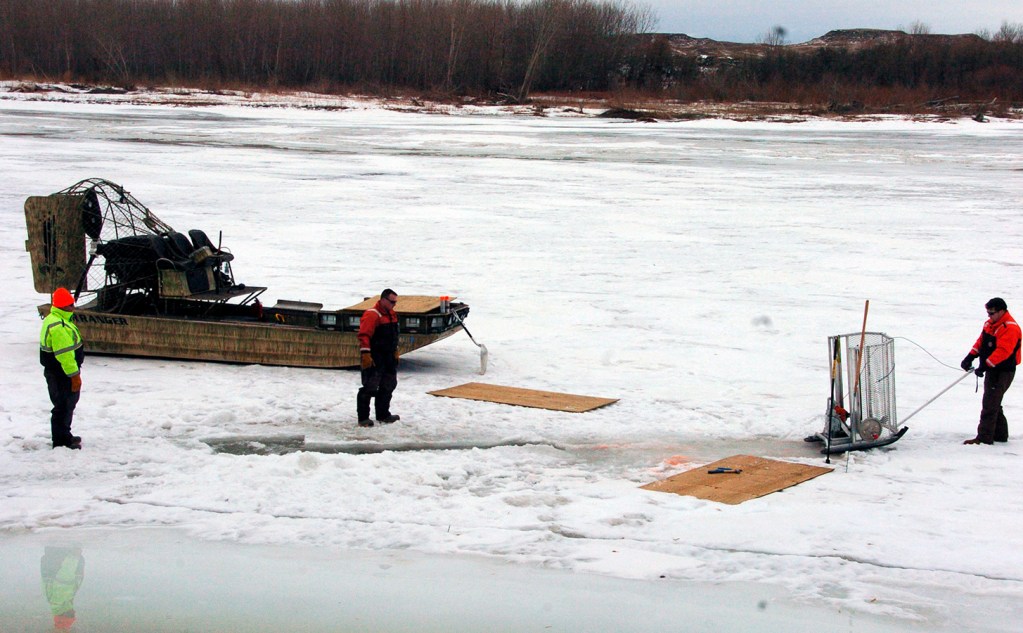
“They’ve had a lot of spills and breaks,” Morrison told WyoFile. “Are they going to up their game to be more on top of ensuring we don’t have spills and breaks like other pipelines?”
For its part, Bridger Pipeline says it has launched an artificial intelligence leak detection company, FlowState, that monitors its pipeline systems. FlowState was awarded a $2 million Energy Matching Funds state grant in 2024.
Parent company True Cos. created FlowState because it couldn’t find a leak-detection system on the market that satisfied its needs, “so we built one,” Bridger Pipeline spokesman Bill Salvin told WyoFile.
“We have had some instances where our pipelines have leaked — that’s simply a fact,” Salvin said, adding that some of the company’s leaks were related to outdated practices that have since been improved industrywide. “Every one of those incidents is terribly unfortunate. That’s how we view it: We don’t want any [spill] incidents.
“What’s most important to us,” Salvin continued, “is when those incidents happen, that we respond very quickly and with everything we have, and that we learn from them so they don’t happen again. And that’s why we’ve got FlowState today.”
UPDATE: After this story published, the BLM announced details for a public meeting regarding the project review in Wyoming. The public meeting will be from 5 p.m. to 7 p.m. April 13 in Newcastle, at the Newcastle Lodge and Convention Center. BLM officials will only accept written comments at the public meeting, according to a press release.

Canada tar sands are so toxic that they are mined exclusively by machines with no persons working anywhere in the area. No one lives in that area.
No one in the USA refines the tar sand oil. It is shipped from Houston to a very few third world countries for use.
No! Bad for all the states the pipeline with cover.
Just say NO.
Oil sands? Really? That seems like investing in coal.
Do we need this pipeline? No we don’t. This is about profit for one company, a company that has a poor record of pipeline maintenance. A 36-inch pipeline can leak a lot of oil, devastating the environment.
Gordon, unless we move humanity back to pre-industrial revolution standard of living, any form of energy is devastating to the environment.
But……oil is the most devastating, and we have other choices.
Gordon, watch a documentary produced by Michael Moore called “Planet of the Humans”.
Devastating is devastating, “more” is opinion and not really relevant.
Unless people enjoy being held hostage by foreign oil and the Middle East, this should probably move forward.
I doubt this project increases the supply of oil. My guess is that it’s more profitable for the company to transport oil by pipeline vs truck or train.
Why should the oil go to refineries in Texas? The pipeline jobs, while lucrative, are temporary. Building the refineries close to the oil fields seems the smarter alternative. Longer lasting jobs. Less hair pulling over rights of way. Oh, sad to say but less profits for True.