

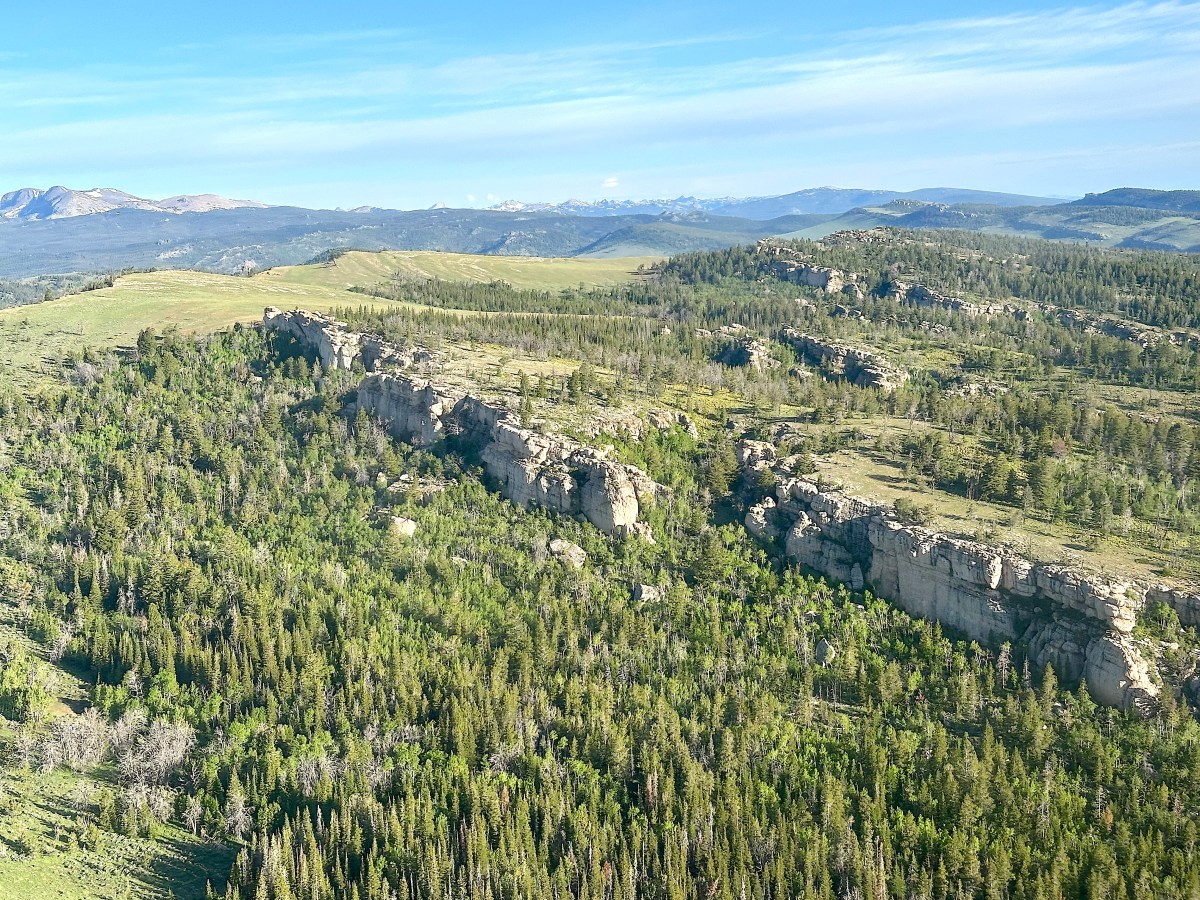
In Wyoming, people don’t need a policy briefing to understand where our water comes from. It starts high in the mountains — snowmelt filtering through forests in places like the Wyoming Range, the Bighorns and the headwaters of the Snake, Green and North Platte rivers.
Opinion
What happens in those headwaters matters.
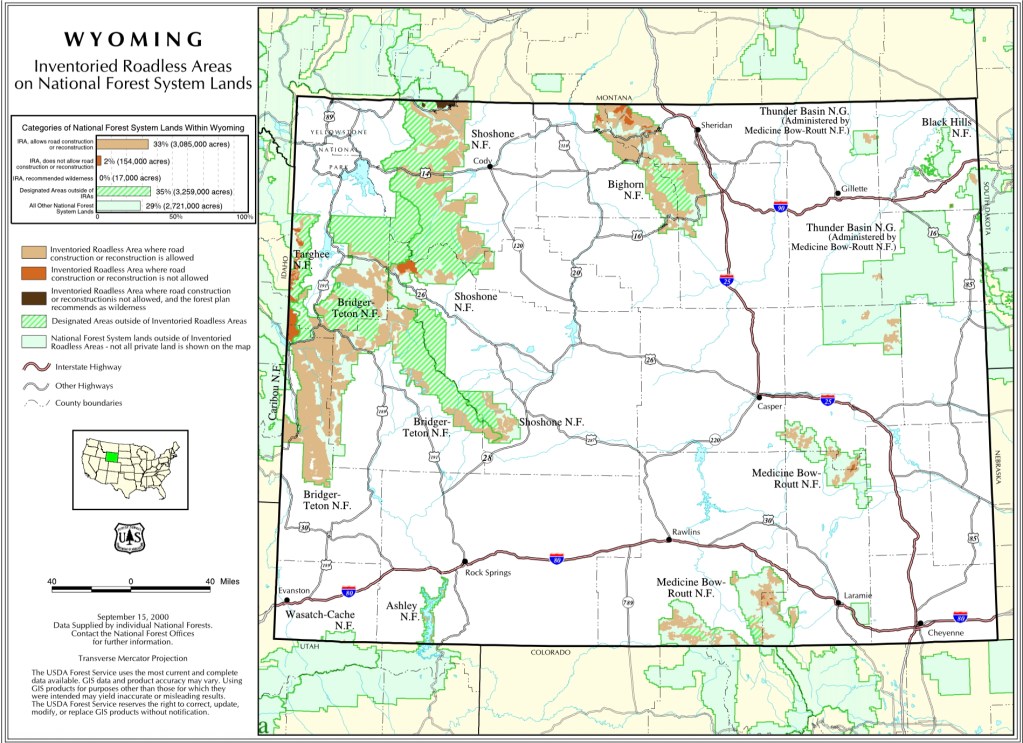
For the past 25 years, the Roadless Area Conservation Rule has helped protect many of these places by limiting new road construction in the most intact parts of our national forests. It covers nearly 45 million acres nationwide, including large swaths of Wyoming — lands that continue to do the work nature designed them to do.
Now, there’s a renewed push to roll those protections back. That decision shouldn’t be taken lightly. The stakes are close to home: clean drinking water, healthy rivers and the future of hunting and fishing in Wyoming.
Roads may seem harmless. But in backcountry forests, they fundamentally change how watersheds function. Cut into steep terrain, they erode, channel runoff and deliver sediment into streams. They disrupt the natural processes that keep water clean and flows stable.
That has real consequences downstream, as many communities get their drinking water from rivers. More sediment means higher treatment costs for communities and greater stress on water systems. It affects irrigators, municipalities and anyone who depends on reliable, clean water — which in Wyoming is just about everyone.
The same is true for fish.
Healthy trout populations — whether in big rivers or smaller mountain tributaries — depend on cold, clean, connected water. Those conditions are increasingly found in places we’ve disturbed the least. Where road networks expand, that system breaks down: Streams warm, spawning gravels fill with sediment and migration routes are cut off.
Two-thirds of Wyoming’s state-designated “blue ribbon” trout streams have their headwaters protected within roadless areas. It’s no accident that some of Wyoming’s best fisheries are tied to roadless headwaters. These areas act as refuges — places where natural processes still work as they should. For many in Wyoming, that translates directly into opportunity.
Hunting and fishing are not abstract values here. They are part of the economy and Wyoming’s identity. Outfitters, guides and local businesses depend on healthy wildlife populations and intact landscapes. Families depend on them for food, tradition and time together outdoors.
And anyone who has spent time in the Wyoming backcountry knows a simple truth: The further you get from roads, the better the experience tends to be. That doesn’t mean roads have no place. But it does mean we should be thoughtful about where we build more — especially given how many we already have.
The Forest Service already manages an extensive road system and faces a multibillion-dollar maintenance backlog. Many of those roads are deteriorating, contributing sediment to streams and requiring costly repairs. Expanding that system deeper into the backcountry adds long-term liabilities for taxpayers without clear benefits.
It’s also important to be clear about what the roadless rule does and doesn’t do. It does not lock up land or prevent active management. Forest managers can still reduce wildfire risk, improve habitat and carry out restoration projects. Those tools are being used today, including in Wyoming.
What the rule does is draw a common-sense boundary around the most intact landscapes, ensuring they remain largely unfragmented over time. That’s not extreme. It’s practical.
It’s also popular. When the roadless rule was first adopted, more than a million Americans weighed in with overwhelming support for protecting these areas. That kind of broad agreement is rare — especially today.
And it reflects something important: People value clean water, strong fisheries and the ability to hunt, fish and explore public lands without seeing every corner carved up by roads.
Elected officials should take note. In Wyoming and across the West, voters consistently support responsible stewardship of public lands. They expect decisions that protect the resources communities depend on — not policies that risk long-term damage for short-term gain.
We’ve already seen what happens when road networks expand too far into sensitive landscapes: degraded water quality, declining fisheries and rising costs for land managers and taxpayers alike. The roadless rule was put in place to prevent those outcomes before they occur.
At its core, this isn’t about restricting the use of public lands. It’s about making sure those lands continue to provide what Wyoming depends on: clean water, abundant wildlife and access to the kinds of places that define this state.
Generational investments and smart policy like the roadless rule pay dividends. Keeping Wyoming’s headwaters intact is one of them.

Access is good not bad.
Yes Mr Griffin access is good. There is literally thousands of miles of roads on public land. There’s 650 miles of atv trails in Wyoming. I would guess there’s double that many illegal roads. Walking in is access. For those that chose not to walk in there’s all these other modes of transportation.
Every roadway in public lands reduces the long term value of those lands. There are already more than enough for recreational purposes and commercial extraction. Some exceptions may be warranted , but in general, leave our wild place alone.
If water shortages are a concern then why is Wyoming rolling out the red carpet for AI data centers to locate to the state, set up shop, and drain your water sources?
What good are “Public Lands” if the public is essentially locked out of access?
The people of the USA especially in the west have progressively seen access to public lands restricted through removal of roads, monuments declared, etc..
Much of the fire problems year after year are a result of the dismantling of forest management through logging. When our forests were managed as a renewable resource our fire seasons were far less devastating.
The public isn’t locked out of anything.
More instances of welfare ranchers closing access to public lands than that of the government.
Dishonest and misleading, as is par for the course for you chad/jack/doug…
Chuck and Gordon, I have recreated in Nat. Forests and BLM lands in just about every state across the west since childhood. From National forests in WA./OR./WY./MT./ID. gating off/bulldozing out countless forest roads, to BLM in AZ/NV closing of access to long used stretches of dispersed camping. This has been going on since the mid 1990s.
This isnt about ranching whatsoever, it’s about intentionally closing off reasonable access to the public land and it absolutely has happened.
walk in chad, maybe you could get an elk. Lazy hunters rarely get off of their machines.
As usual, ad hominem that completely ignores indisputable facts.
You essentially confirm exactly what I stated through your personal insult.
Aren’t you the one that insulted me by calling me a bigot. Now for the FACTS. Motorized vehicles are bad for wildlife and wild lands. They are also bad for the hunting experience. Only 30 percent of public land is protected with the roadless rule. That leaves 70% for all the people that want to drive.
Thank you Justin, for so adeptly reminding us of the importance of these “preserved” lands that affect our daily lives. The “value” of protecting the environment always struggles against the almighty dollar gains to be made by harming it. It ultimately comes down to not knowing what we had until we longer have it; and that is a difficult concept to defend against the short terms gains of economic development.
Indeed, the orange felon in the White House wants the world according to Dumpy. He, and politicians like of our three federal goofballs, are doing everything they can to ruin our country. We need to vote all of them out of office.
Excellent opinion piece! I spent a 40 year career in Wyoming as a professional Forester, both in government and in the private sector. The roadless rule question has always been a “tricky” issue for me. On the one hand, I intimately know the value of forest management in our post-European settlement forests and without roads, forest management is difficult. This opinion piece expertly presents the risks, however, in allowing roads in currently designated roadless areas. In my opinion now is not the time to rescind the roadless rule. If and when changes to the rule are made, let it be with an administration better based in science.
hello, Chris, from the Big Horns. Agreed. Right now there are big financial priorities for the care of public lands, such as protecting watersheds and preventing wildfires. More recreational opportunities likely will not result in those things.