


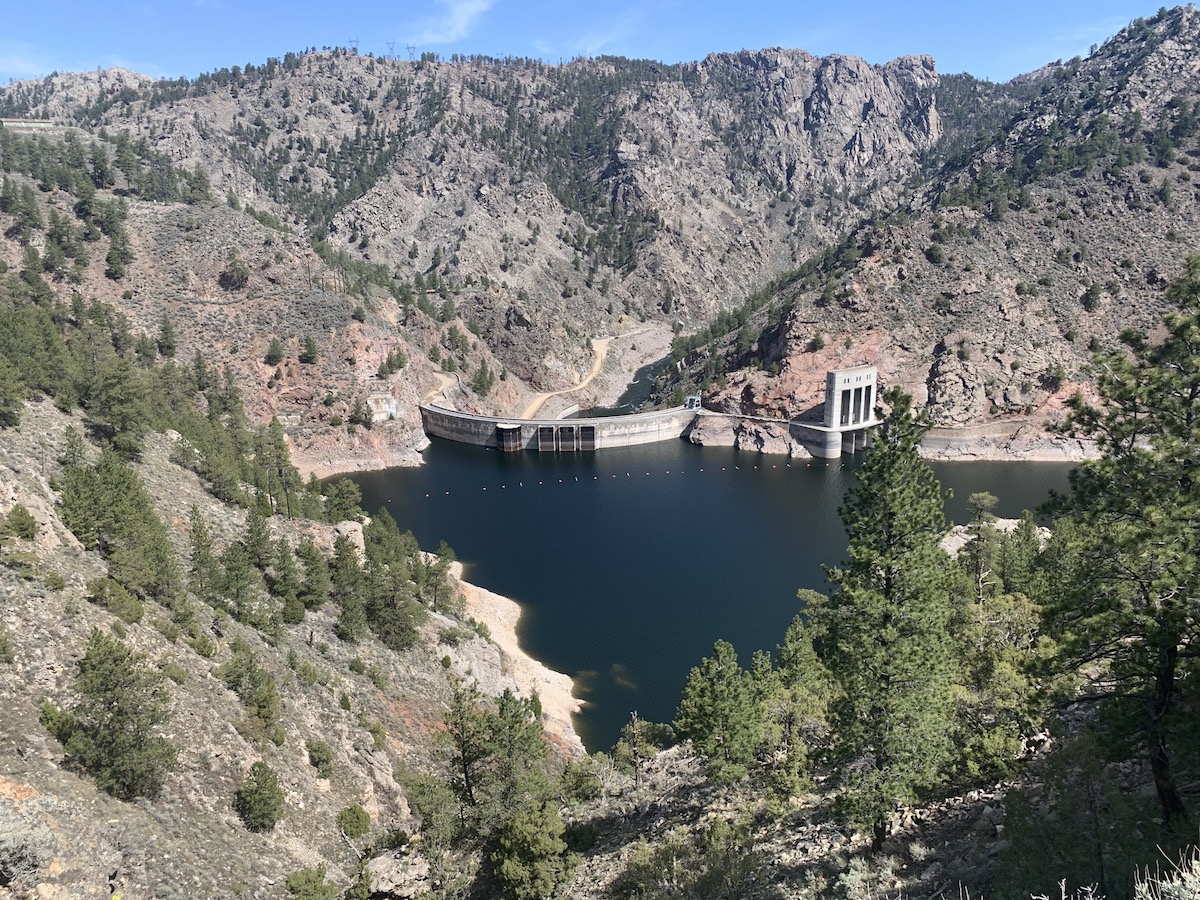
Anglers, hunters and wildlife activists are organizing against a proposed pumped-water-storage hydroelectric project at Seminoe Reservoir in Carbon County. They object to the developer’s request to be exempted from seasonal wildlife restrictions during the project’s three-to-five year construction.
Officials in Carbon and Natrona counties have also added to a chorus of concern that the massive $3 billion to $5 billion construction project threatens wildlife and recreational opportunities that support the local economies, including world-famous fisheries, important elk, mule deer habitat and sage grouse, as well as a vital bighorn sheep herd.
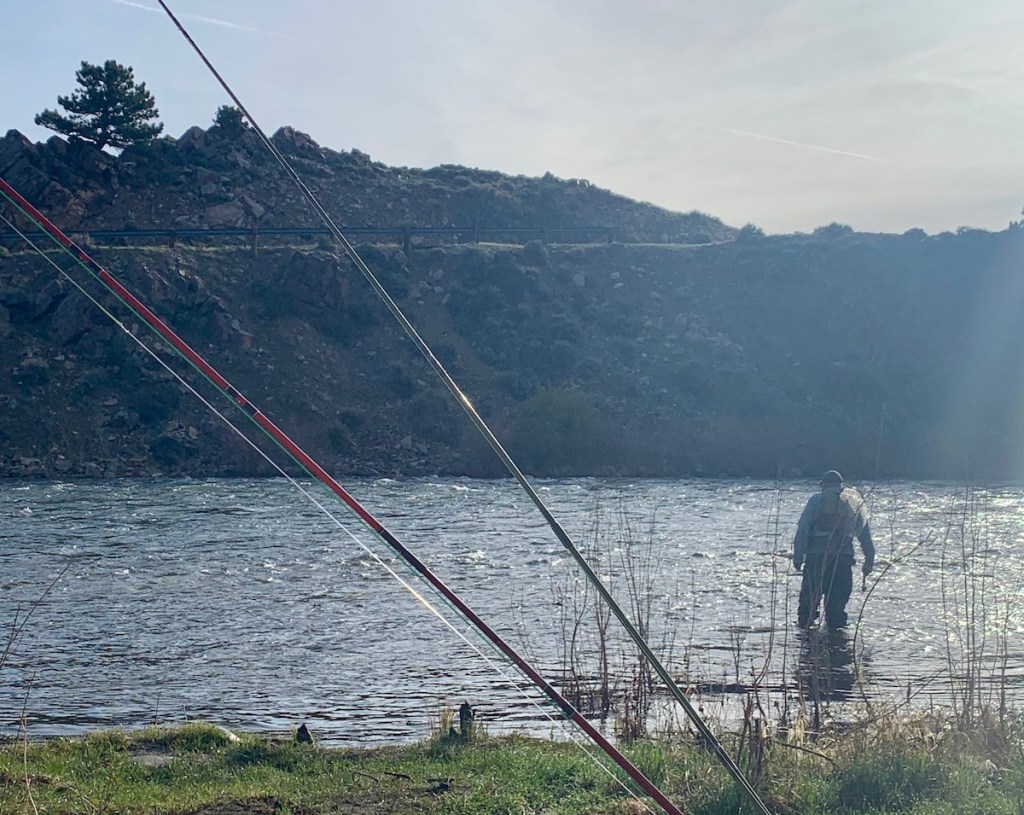
“I’m all for energy development. I just think this is a really poor project that puts so many things at risk,” said Blake Jackson, a fishing guide and co-owner of Casper’s Ugly Bug Fly Shop.
Jackson helps organize the Friends of the North Platte group, which was formed to oppose the project.
“They’re asking for all of those [seasonal wildlife stipulations] to be waived and we’re basically saying, ‘No,'” Jackson added. “Those are there for a good reason, and different people shouldn’t have to play by different rules. You need to make this safe before it’s considered a viable project.”
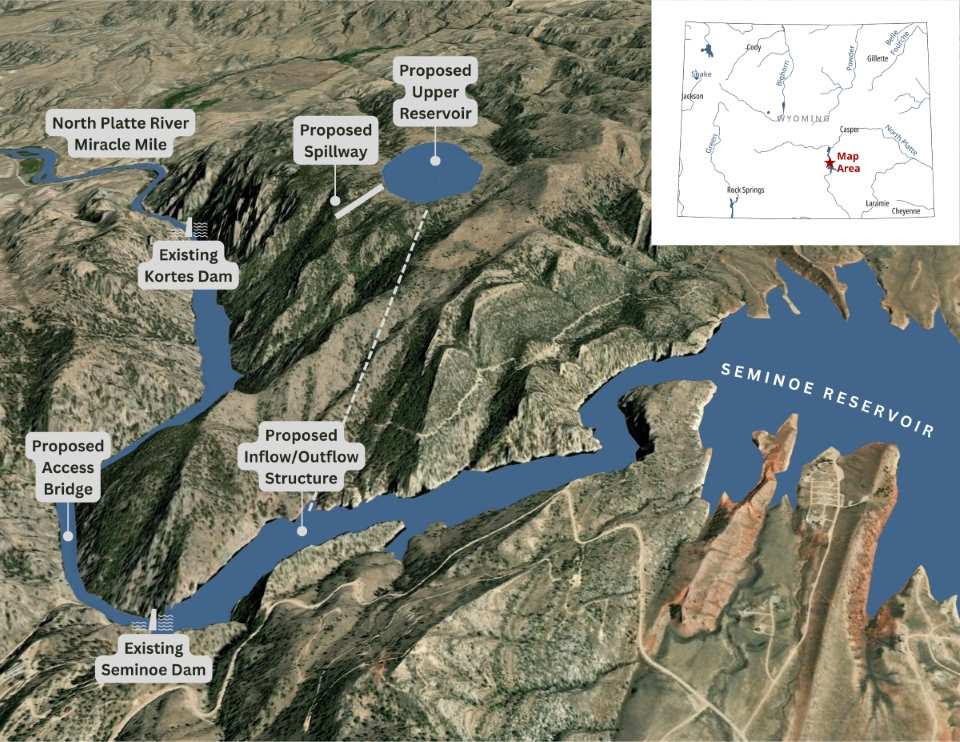
For its part, rPlus Hydro and its subsidiary Black Canyon Hydro say the facility will generate millions in local tax revenue and help “balance” intermittent renewable energy to provide more reliable power delivery on the grid. They propose building a 10,000-acre-foot reservoir in the Bennett Mountains overlooking Seminoe Reservoir near the dam — one of several large reservoirs on the North Platte River.
Hydroelectric offset, county concerns
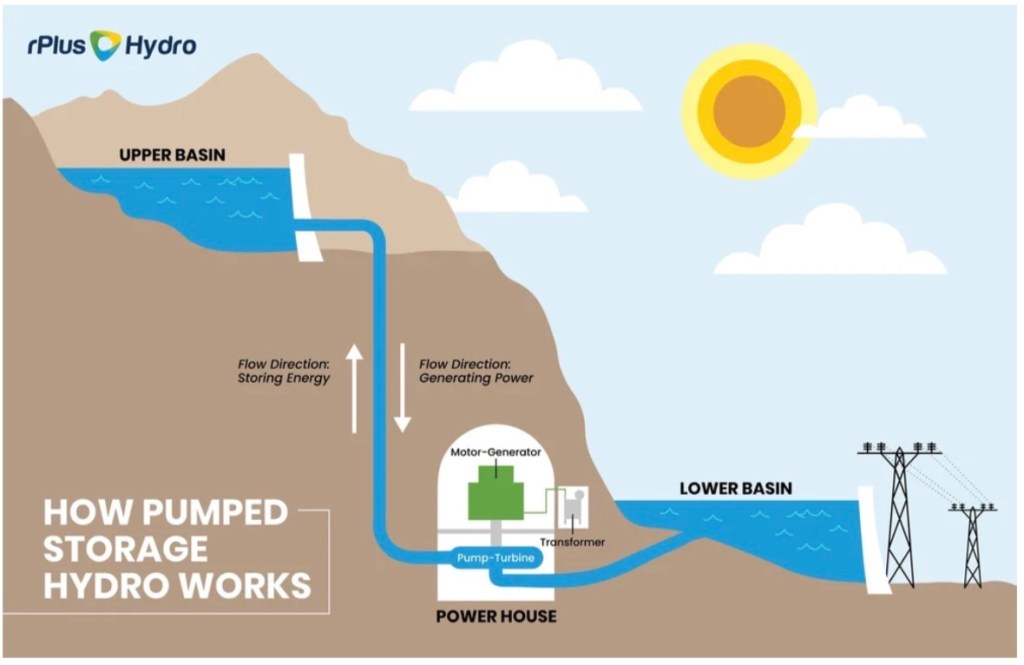
“Pumped water storage” involves pumping water uphill during daytime “off-peak demand” hours when wind and solar power are plentiful and wholesale electricity is cheapest. The water is released to generate hydroelectricity during higher-demand hours in the evening.
The Federal Energy Regulatory Commission, or FERC, is accepting comments on its draft environmental impact statement for the project through Jan. 2. Aspects of the project, according to some observers, may also undergo review and permitting by the Bureau of Land Management, Bureau of Reclamation and, potentially, some state agencies.
The Natrona County Board of Commissioners recently joined its counterparts in Carbon County in asking FERC to modify or deny the developer’s plan as proposed.
“This project will have a substantial impact on the health, safety, welfare, custom, culture and socio-economic viability of not just Carbon County, but also Natrona County,” Commission Chair Dave North wrote in a Dec. 2 letter to FERC. “Hunting and fishing is a very important industry in the State of Wyoming and it is important to consider the impact this project will have on this industry.”
Though elected officials in Wyoming are familiar with federal permitting processes, they rarely work with FERC, said Carbon County Board of Commissioners Vice Chair Sue Jones. She worries the agency might “fast-track” the approval process, which she believes would require an amendment to the Bureau of Land Management’s Rawlins Resource Management Plan.
“We see $7 [million] to $9 million annually just from fishing at Seminoe,” Jones told WyoFile. “I have not encountered one person who has told me they’re for this. It’s an incredibly huge project with some serious environmental implications.”
rPlus Hydro and Black Canyon Hydro did not respond to WyoFile’s inquiries before press time.
Game and fish officials push back
Though it is still formulating its feedback to FERC regarding the draft environmental impact statement, the Wyoming Game and Fish Department, in earlier comments to the federal agency, has opposed the developer’s request for a long list of seasonal wildlife restriction variances.
“We have recommended adherence to our timing stipulations [particularly for big game species], and they [rPlus Hydro] have been asking, for two years, for a variance,” Game and Fish Habitat Protection Program Supervisor Will Schultz told WyoFile.
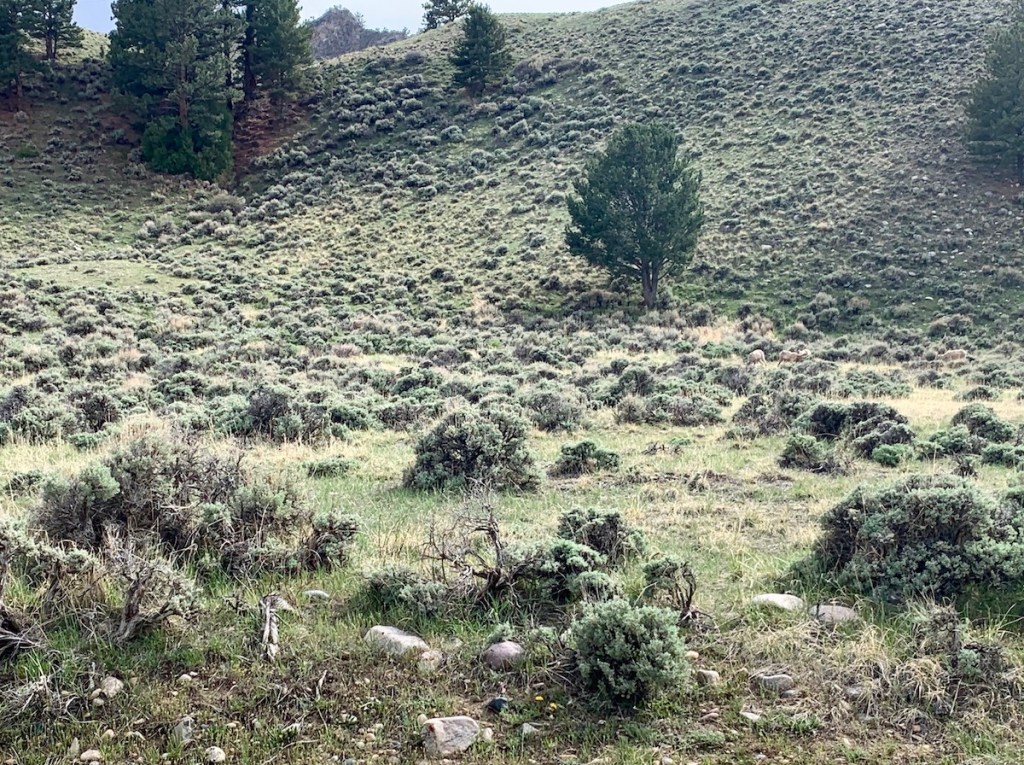
“Something of that magnitude — [construction] for five years or greater — a blanket [variance] for the entire winter, that is not something that we support,” Schultz continued. “Especially given the importance of this particular bighorn sheep herd. But it would also apply to where there is overlap with crucial mule deer range.”
The construction project, according to federal documents, includes blasting and a lot of hauling of dirt and rubble, which concerns Wyoming Wild Sheep Foundation Executive Director Katie Cheesbrough.
“All of that is happening within crucial bighorn sheep habitat — their winter-range habitat,” Cheesbrough told WyoFile. “This is at a time during the winter when these sheep are conserving energy, and they’re in kind of a vulnerable position.
“Bighorn sheep are susceptible to respiratory diseases,” she added. “If the air quality is also bad, that doesn’t help.”
The Ferris-Seminoe bighorn sheep are the only herd in the state that has not tested positive for the respiratory pathogen mycoplasma ovipneumoniae, according to Cheesbrough, which is why the state has relied on the herd to supplement other bighorn sheep populations.
“So it’s really important that we protect this herd, because it’s the only viable source herd in the state,” she said.
Even when construction is complete, the continual transfer of water through the hydroelectric system threatens to increase turbidity and water temperatures — a significant threat to fish, particularly trout, said Jackson, the fishing guide.
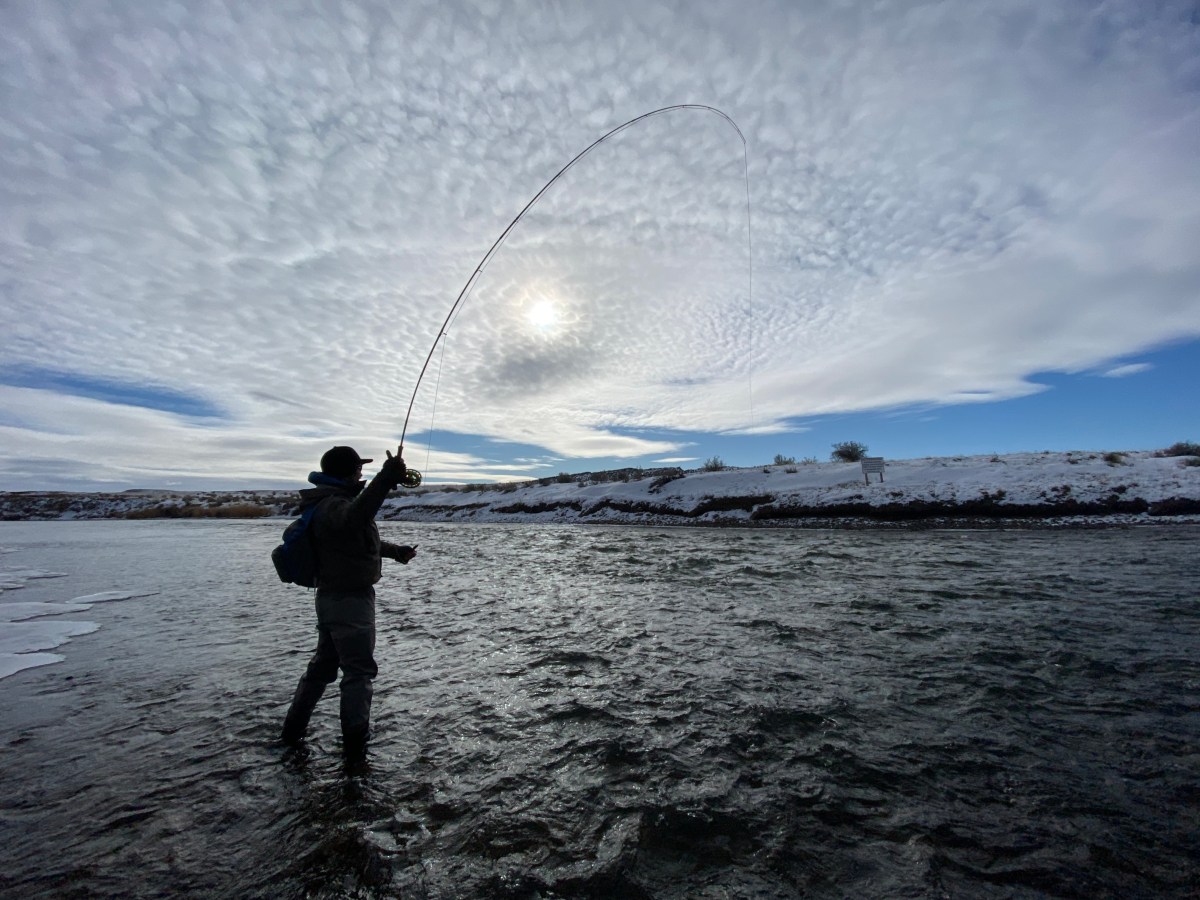

“We’re often near dangerous water temperature levels currently,” Jackson said, noting that trout are a cold-water species. “Then you also add sediment to the water, and the water warms up faster. It becomes a really big issue.”
On its website, rPlus Hydro committed “to developing the project responsibly, including minimizing and mitigating impacts,” and acknowledged “the project is subject to stringent permitting and licensing requirements under the Federal Energy Regulatory Commission.”
Go to this FERC website to review and comment on the draft environmental impact statement for the project.
Dear sir
I am against the project do to it will destroy my favorite fishing spot and I have seen the impact of the wind turbines and solar panels that are out there and there are other places to put this in the rivers in California and Washington have better flow also I love getting pictures of the sheep on the hills with a telephoto lens it will destroy the elk herd in that area to and all the hunting thank you for your time
Sincerely
Clarance lehmkuhl
Semenoe lake is a irrigation purposed lake the proposed resevior must be for late season water supplimemt for dry years so that power plant can provide power consistantly to an area that would have to buy power from a plant a cosiderable distance from there. Costing the local town a lot more for the power they need. Closing those hunting areas for five years wbile it was constructed would help the herd enough to make up for any complications they may have from the construction, they wouldnf mind the warmer water sourcd im sure. The problem lies in tbe fact that access to thaf area is limited and there wouldnt be anyway to hunt that herd that wouldnt need to access water from the lake anymore.
Pumped Hydro is the most nonsensical of the green boondoggles generation portfolio.
As a 60 year carbon county resident I feel it’s time to reject out of area development.? Little in tax revenues or economic funds find thier way to our residents.
We suffer the development yet reap little to no benefit. Time to say no to the very, very experimental projects.
At one time I thought that the welfare of Wyomings wildlife was important.
To be clear, I come down squarely on the side of renewable energy. I also wholly support seasonal restrictions on disturbances to areas critical to herds. We’ve already spent more time fussin and fightin than what the seasonal restrictions would have been in the first place. I’d sure like to see the surveys done by Jones that backs up her figure of 7 to 9 million per year just from fishing at Seminoe. Additionally, as for the rise in water temp in the Mile, wouldn’t that be mitigated in Kortez Reservoir? BTW, what fishing access is there to Kortez anyway? As for the fishing in Seminoe being devastated because of the intake for the pumps I find that to be a bit far fetched. If that theory has any credibility restricting screens should mitigate that. Enough of the “I don’t want anything but mining and livestock” mentality that permeates most of the thinking that beats down this state. Let’s get busy and do something that will bring jobs to this area!
Russell Sutherland – There is an error in the story as to where the $7-9 million is generated – not all from fishing. That is total usage of the area from water recreation, fishing, hunting, and other recreational uses in the area. The dollars are generated by sales tax, lodging tax, fuel tax, and other expenditures associated with the useage of the area by thousands of people who are locals, out of county, and from out of state. The numbers are collected by the visitor’s council, State Parks, and WY Game and Fish.
The project will generate one time sales tax during construction but will more than likely pay no property taxes due to their location on Federal land. They will also pay no power generation taxes.
They are only producing power for usage if Pacificorp needs back-up for the Aeolus Substation. I would doubt Pacificorp will utilize the power from rPlus Hydro. They do not have a contract with Pacificorp at this time, nor access through the private landowners from Seminoe to Aeolus Substation. A big idea with a lot of conversation thus far.
That’s a big area up there around Seminoe.The proposed pond is relatively small compared to the reservoir or the surrounding area. I don’t know how much the water would warm up in one day being pumped up there and flushed back down through at night. Seems like it might be minimal to me. All of our lakes are getting too warm in the summer and the rivers. It would generate millions of dollars to the local economy for years and years to come plus clean energy I think the positives outweigh the negatives. I’ve seen those bighorn sheep, mostly on the west side of Seminoe.I’m sure they get on both sides. I think there’s room for both and I think the dirt will blow to the east of the project mostly I think they ought to do it
This is a boondoggle if I ever saw one. The only way the project works is because of the differential between peak and non-peak power costs; the project will be a net power user. It reminds me of the proposed pumped storage project proposed on the Dry Fork of the Little Horn in the northern Big Horns back in the early 1990’s. That project died an early death and this one needs to do so as well. We shouldn’t threaten a healthy big horn sheep herd and world class fishing for this crap.