


This story is part of a collaborative legislative initiative by WyoFile, Wyoming Tribune Eagle, The Sheridan Press and Jackson Hole News&Guide to deliver comprehensive coverage of Wyoming’s 2026 budget session.

CHEYENNE—The Wyoming Senate approved a school funding bill Thursday on first reading that had been amended in committee to allocate significantly more resources to the state’s K-12 public school districts than the measure did coming out of the interim.
By voice vote at the end of Committee of the Whole debate, senators voted to approve both the Senate Education Committee’s amendment to add $127.1 million in education funding spread across two years to Senate File 81, “K-12 public school finance-2” and for the bill itself.
SF 81 could face further amendments on second and third reading before it heads to the House, where lawmakers declined to introduce their version of the recalibration bill early in the session. Recalibration is a constitutionally mandated process required every five years, in which lawmakers decide how to allocate funding to the state’s 48 school districts, from school lunch dollars to staff and teacher salaries.
Several lawmakers have said they had heard widespread concern from their school districts and members of the public that the recalibration bill, as it came out of the interim session, did not do enough to fund Wyoming schools.
“The things we’ve done with the amendments … get us where we need to be. It may not be perfect, but like I’ve said, I have never met a perfect bill yet,” Rep. Wendy Schuler, R-Evanston, said.
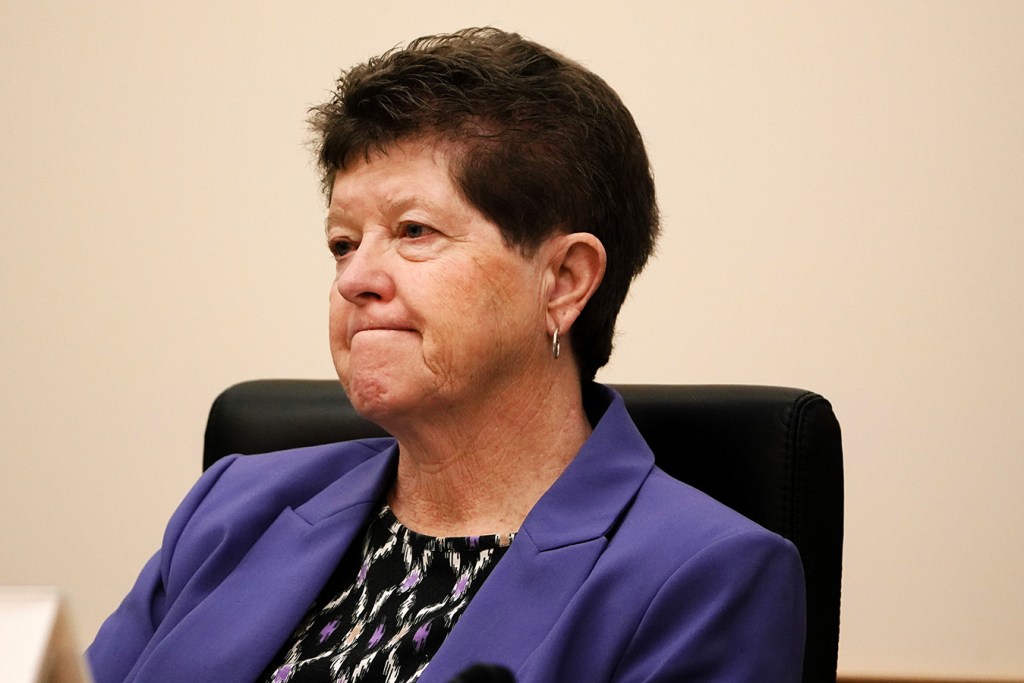
Schuler is the chair of the Senate Education Committee, where the bill began at the start of the 68th Wyoming Legislature’s budget session last week. Before that, recalibration was considered by the Select School Finance Recalibration Committee, which will continue to work on the model in the upcoming interim session.
“I think you are going to find that it is going to make a lot of people happier than they were. I was getting a lot of emails, texts, phone calls,” Schuler said.
Sen. Charles Scott, R-Casper, said that for recalibration to truly work, it must be done at regular intervals, but has not been done effectively by the Legislature since 2005. He said that although the state “can afford the bill” this biennium, he is concerned the increases in education spending due to the amendment will lead to future deficits.
“The question comes, are the proposed changes that you are seeing before you here a good idea? These changes, we are talking very real money here,” Scott said. “We can get ourselves in trouble with the spending in the education area.
“This will force those of you that are here in the future to vote for a big tax increase,” Scott said, adding that he doubted more funding would increase student performance.
“That increase will go on, and will grow every year … I can’t see where the proposed increases in this amendment are going to help the performance of our schools at all,” he said, suggesting a further amendment adding a sunset date to the bill to force true recalibration efforts in the future.
Committee amendment and what it does
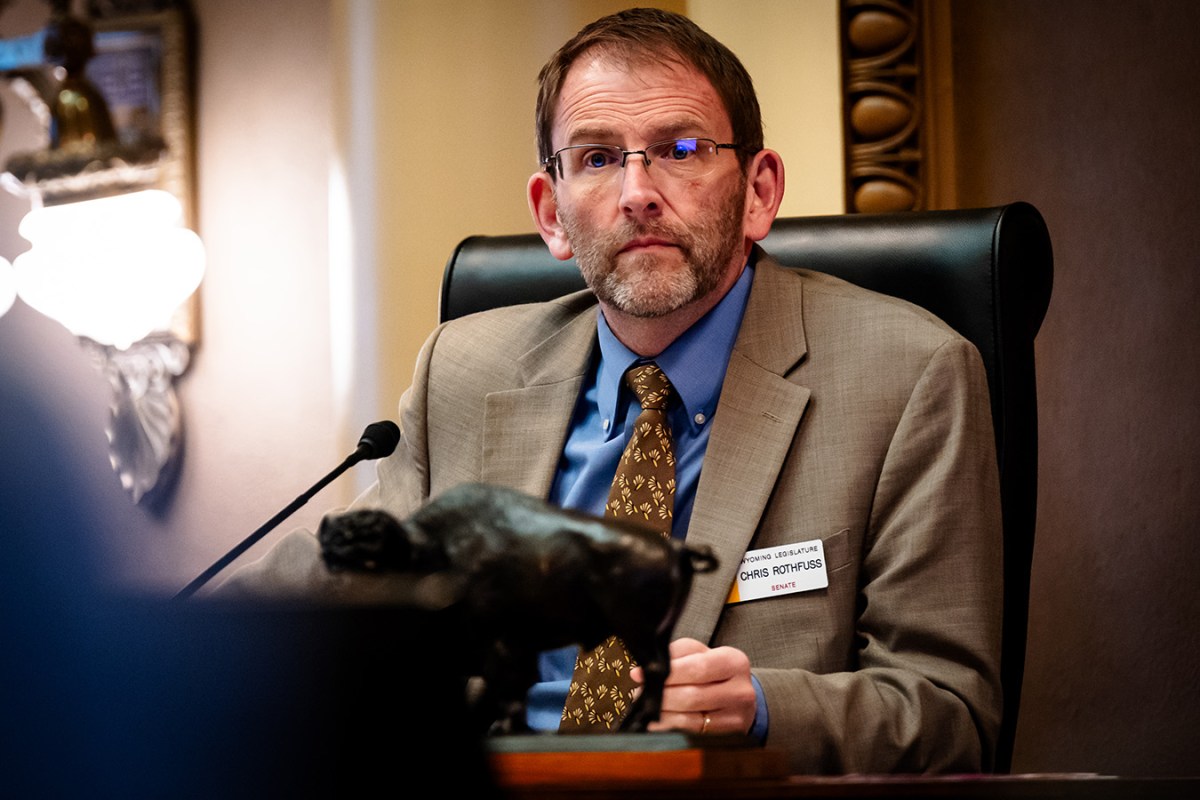
Sen. Chris Rothfuss, D-Laramie, told his fellow senators that the committee amendment does several things. First, it provides additional elective teachers in areas like career and technical education and band to Wyoming junior highs. It also sets a minimum of 17 teachers for small school districts in Wyoming. The additional funding will also go to implement recommended nurse and counselor positions at the elementary level immediately.
The amendment also moves teacher salaries up from 79.1% of the comparable wage to 85%. The calculation of an average daily membership, or formula used to determine student enrollment, would change to a two-year rolling average, rather than using just prior-year enrollment numbers.
“This might be the best attempt in a dozen years of education that I’ve been watching pretty closely (where) we’ve gotten where we need to be,” Sen. Taft Love, R-Cheyenne, said.
“I’m getting my money’s worth out of my districts, and much more. It’s time to change this, it is time to step up and get this done.”
Sen. Dan Dockstader, R-Afton
Love said he was in favor of the bill, as well as the amendment.
“We are actually funding in excess by about $15 million,” Love said. “We are providing more, for the first time in my memory, than has ever happened. … We are going to move from, we were not funded adequately to do what we were charged to do, to now we have funded adequately. Let’s see the results.”
Sen. Dan Dockstader, R-Afton, said he also supported SF 81 with the amendment to increase funding.
“I’m getting my money’s worth out of my districts, and much more. It’s time to change this, it is time to step up and get this done. It is time to up it for our schools,” Dockstader said. “We are long overdue in getting something done for our schools.”
Move to state insurance postponed by two years
The amendment adopted Thursday also pushes back a mandate that all school districts move to the state employees’ group insurance plan to allow time for actuarial studies of the potential shift, after lawmakers heard concern over the move in committee.
In testimony during the interim, the state’s Department of Administration and Information Director Tricia Bach said that bringing all the school districts onto the state’s plan would likely double its number of participants, meaning her department would need to expand from 10 staff members to 20. Cigna currently administers the state plan. She also said the state had not studied bringing the school districts into state insurance since 2005, and only Natrona County School District 1 currently participates.
Sen. Cheri Steinmetz, R-Torrington, asked why the committee recommended delaying the move to state insurance by two years, rather than removing it from the bill altogether.
“Many people like their [current insurance] plan and don’t want to change,” Steinmetz said.
Schuler said that the insurance issue has been “tough” for her, as well.
“I may not be back here, but whoever is on that committee, they can say, now we’ve got the data and maybe we just need to delete that [provision],” Schuler said.
For more legislative coverage, click here.