


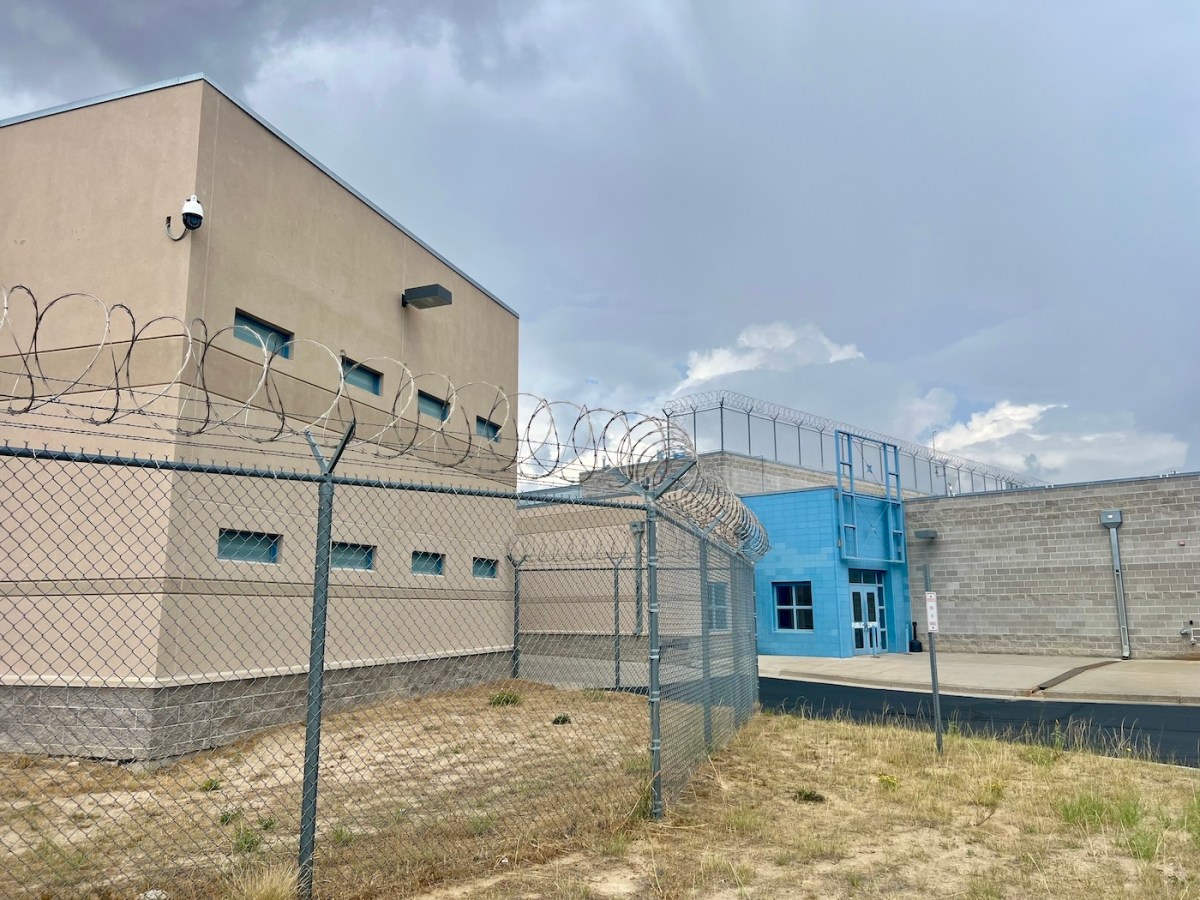
CHEYENNE—After zooming through the Senate in the first two weeks of session, a bill to reimburse jails for holding and treating people with mental illnesses cleared its first hurdle Friday with a unanimous vote in the House.
Senate File 10, “Contracts for holding and treating mentally ill detainees,” emerged from a need to address a growing problem in jails: More and more, detention centers have been forced to house people with mental illnesses while they wait for a bed at the state hospital. Meanwhile, the jails suffer financially, and inmates’ mental health issues go untreated.
“Without timely and adequate resources or support systems, many of these individuals continue to suffer and deteriorate more,” Uinta County Sheriff Andy Kopp wrote in a letter to lawmakers last year that described the dire situation and asked for help.
The Wyoming Department of Health doesn’t have statutory authority right now to reimburse sheriffs for the cost of housing and providing mental health services to such people. SF 10, a bill sponsored by the Joint Judiciary Committee, aims to change that.
Judges send more people to the Wyoming State Hospital than there are beds available. Such court orders have increased in recent years, both in Wyoming and nationwide. It’s not clear exactly why. Part of it may be simply that there are more people with mental health issues. But it could also be a result of increased awareness and training around mental health.
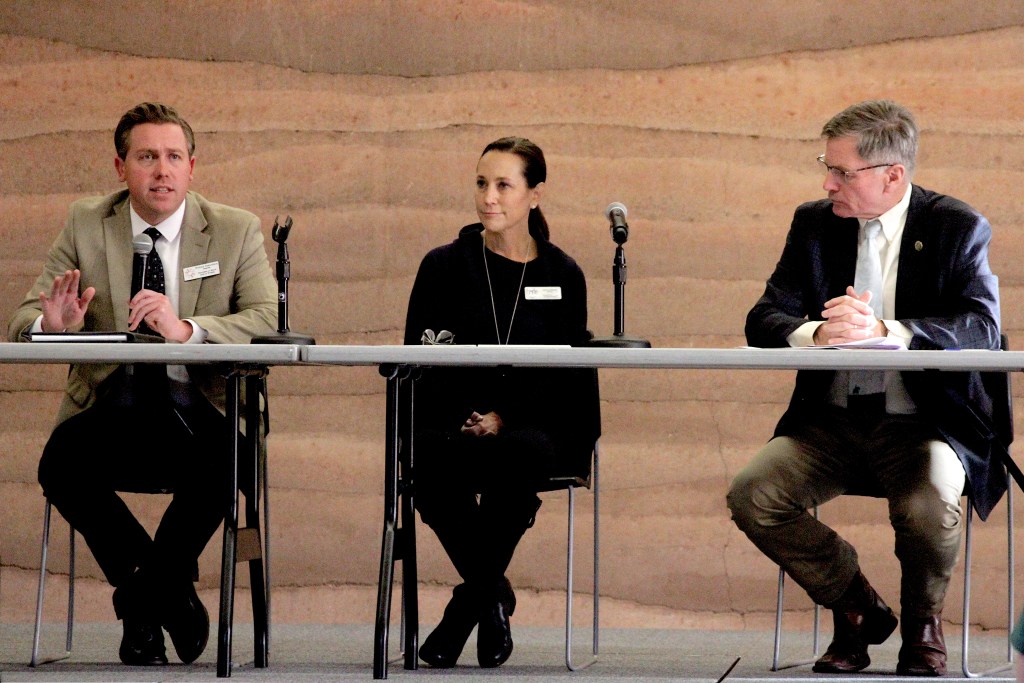
“It’s a really good philosophical question that everyone is struggling with, including me,” Stefan Johansson, director of the health department, told WyoFile. “My gut tells me it’s somewhere in the middle.”
Judges issue these orders both in criminal and civil courts. SF 10 addresses the criminal court side of the problem, when a person accused of committing a crime is found mentally incompetent to stand trial. The bill would allow the health department to enter into contracts with detention centers and reimburse them for holding and treating inmates with mental illnesses until they receive a competency evaluation or restoration.
A competency evaluation is an assessment to see if a person has the mental capacity to understand court proceedings, while restoration is the process of providing treatment to a defendant so that they have the mental capacity to understand those proceedings.
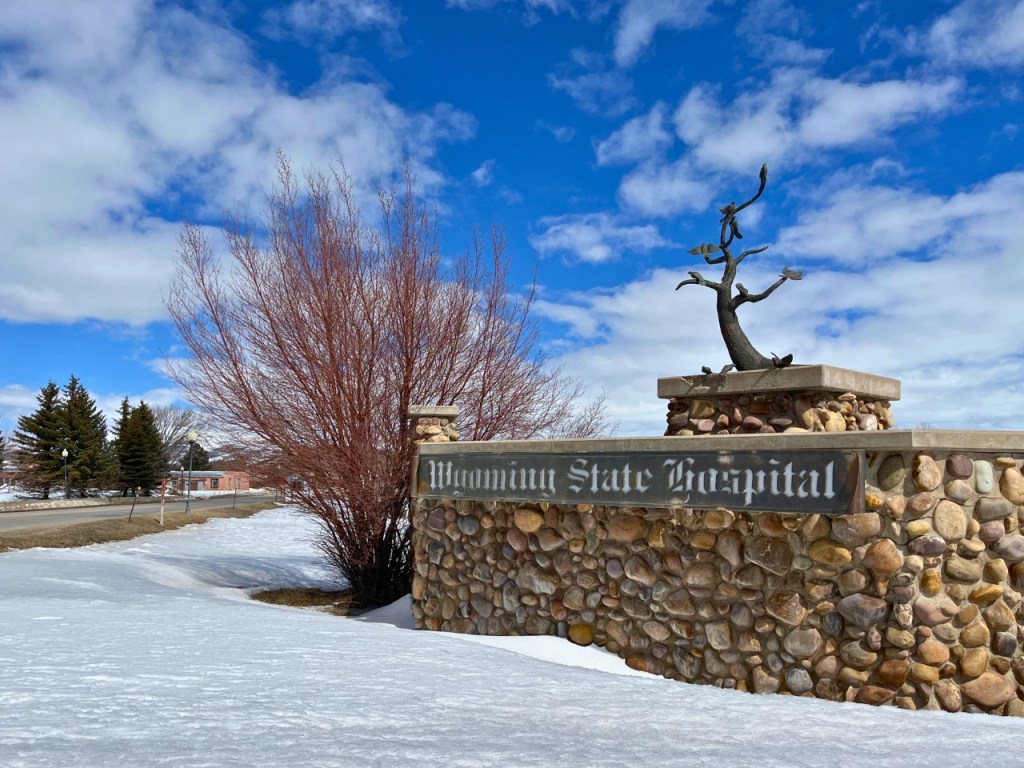
The need for a competency evaluation or restoration can mean an inpatient commitment to the Wyoming State Hospital. Johansson told the House health committee that the inpatient wait time at the hospital right now is about five months. Meanwhile, outpatient evaluations can take about 30 to 45 days, Johansson said.
The reimbursement model that SF 10 proposes is similar to one that now allows the Wyoming Department of Corrections to reimburse county sheriffs for housing inmates until they get transferred to a state-run facility. The bill’s contract language aims to provide some flexibility — the health department could reimburse sheriffs for simply housing inmates, or also cover costs for detention centers to provide mental health services.
The bill itself doesn’t include funding to pay for these reimbursements. Instead, the Joint Appropriations Committee — the state’s main budgeting arm — added a footnote into the budget bill that designates $5 million for the health department to pay for these reimbursements over the next two years.
The status of that appropriation is still up in the air as the House and Senate move through their budget negotiations. If it doesn’t make it into the final budget, lawmakers could also put an appropriation directly into the bill.
SF 10 has largely remained unchanged since it was introduced in the Legislature, with one exception. Last week, lawmakers added language to the bill that requires the health department to report on facilities’ use of these contracts. The department would have to share that report with the Joint Judiciary Committee by October 2027.
SF 10 would be one tool among a handful of others to address both mental health in jails and health worker shortages.
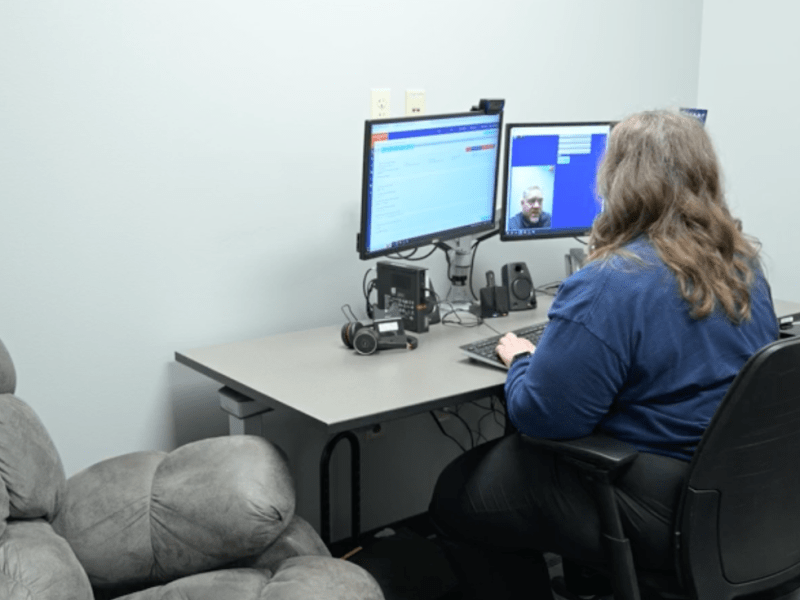
A little more than a year ago, the health department and law enforcement agencies around the state launched a pilot telepsychiatry program that gives officers access to trained clinicians working remotely through a smart tablet. The program aims to help officers better interact with people who may be suicidal or grappling with some other mental health crisis.
“We’ve seen clients stabilize and go back to the general population,” Allen Thompson, executive director of the Wyoming Association of Sheriffs and Chiefs of Police, told the House health committee Friday. “Essentially, we don’t need to proceed with the Title 7 process, because we’ve been able to do that restoration or stabilization locally.” (Title 7 is the part of Wyoming statute dealing with criminal procedure.)
Law enforcement in Natrona, Laramie and Campbell counties are also participating in a pilot diversion program that aims to connect people charged with low-level misdemeanors and who have a serious mental illness with community mental health treatment.
“In a lot of cases, they will sit in jail waiting for service at the state hospital for months and months, even though they would not have served that amount of time if they were convicted for that minor offense,” Johanssen said.
The program ultimately aims to get people out of the justice system more quickly. “That’s been growing over the last two years in these few counties that we’ve tried it in,” Johanssen told WyoFile.
Staff shortages at the state hospital are another facet contributing to the backlog of court-ordered competency evaluations. About 18 months ago, the state hospital had about a 50% CNA vacancy rate, Johanssen told committee members. Now, it’s about 15%.
“So some progress has been made, but it’s still very difficult for us to have the adequate number of nurses,” Johanssen said.
The health department pools savings from these vacancies to pay for a smaller number of contract workers, which are much more expensive. Because of staffing shortages, the state hospital is operating right now as an 80-bed facility, even though it has 104 beds dedicated to patients with mental health needs.
The JAC approved an almost $1.9 million appropriation for the health department to raise nurse salaries at one Department of Health facility as a pilot project to see if pay bumps help address staffing shortages. Those pay raises would be put in place in July. (This appropriation would be null if lawmakers choose to raise compensation to 2024 market pay tables for all state employees.)
“I appreciate the dialog,” Johannsen said. “With the appropriations committee and the appropriations subcommittee that was dedicated to my budget last year, there was a lot of good discussion and understanding of the ramifications of our inability to recruit at these wages.”
SF 10 still has to go through the House Appropriations Committee and three more votes in the lower chamber before heading to the governor.
For more legislative coverage, click here.

I think what we are seeing is the result of years of trying to fix “the problem of the day” with minimal funding and never taking a hard look at the system as a whole and working to address the root cause issues. There doesn’t seem to be the political will to take on a comprehensive review and revision. Mental health services in the state are multi-level, complex, and political. The proposal here is just kicking the can down the road a little further.
So, I’m a bit confused here. Hope someone can clear this up for me. Appropriate 1.9 million to raise nurses salaries at 1 facility to see if this helps recruit more nurses there. But, if lawmakers choose to bring pay up to what folks were making 2 years ago they would ditch the 1.9 million experiment. Hmm…is anybody out there paying what they were 2 years ago for almost anything? Who would work faithfully for 2024 wages? Help me out with this please!