

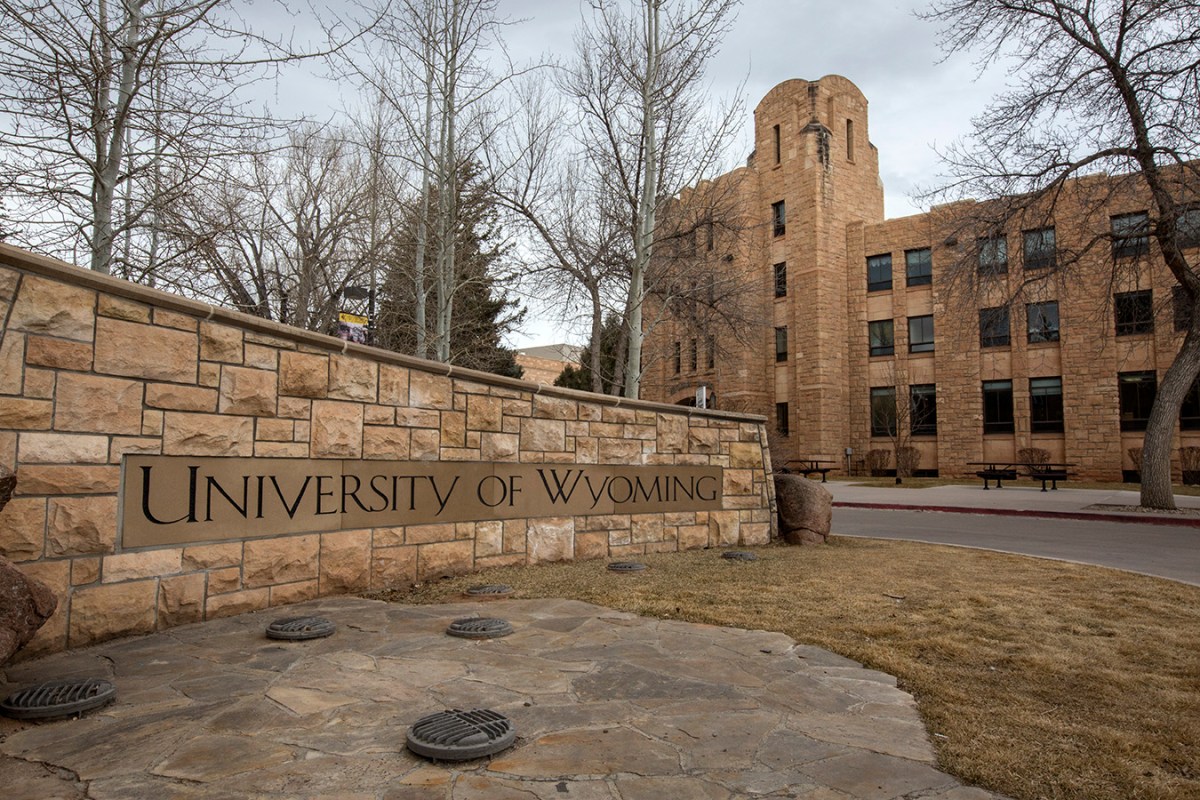
The University of Wyoming campus community this week had the chance to hear from two finalists vying to lead the state’s only four-year public university.
The UW Board of Trustees selected Kelly Crane and Shane Reeves from a pool of 103 applicants to succeed Ed Seidel, who has served as president since July 2020. Seidel, the fifth president hired in just over six years, announced last year that he would step down several months after the faculty senate gave his leadership a no-confidence vote.
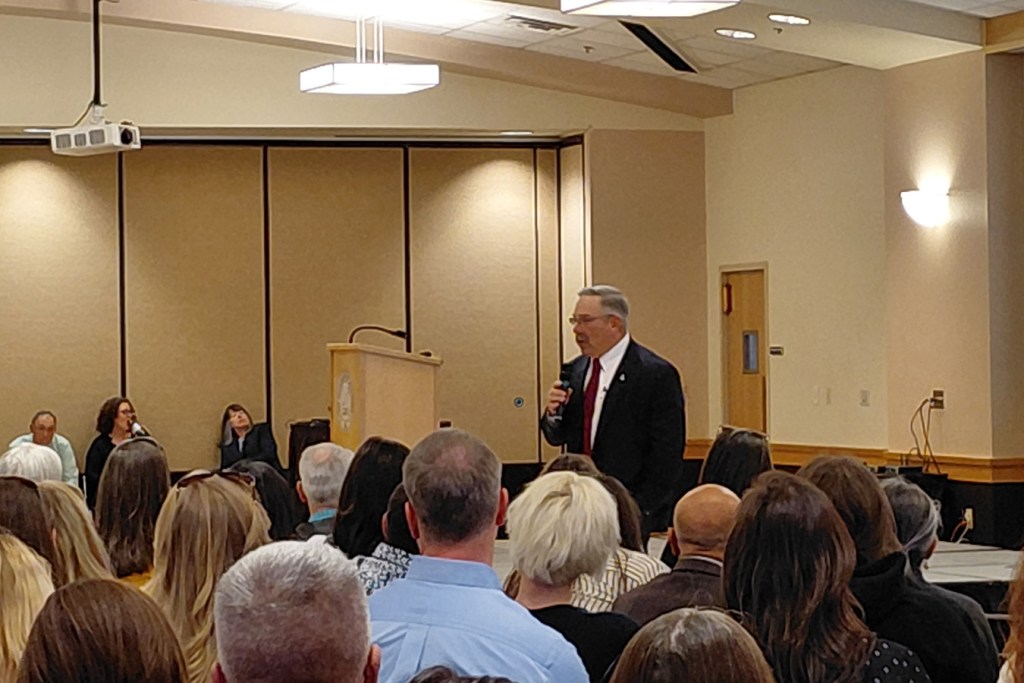
Two public forums in Laramie, one with Crane on Monday and Reeves on Tuesday, were open to faculty, staff, students and community members who could attend in person. No online viewing option was available, making it difficult for the 2,522 students, staff and faculty outside of Laramie to participate in the process. Some expressed frustration around the lack of access.
The candidates presented their visions for the university and fielded questions from campus leaders focused on governance, academic freedom and free speech, as well as the roles of students, faculty and staff on campus.
Crane, who started his UW career 25 years ago, has been the dean of the College of Agriculture, Life Sciences, and Natural Resources since 2024. Originally from Idaho, he came to Wyoming for graduate school.
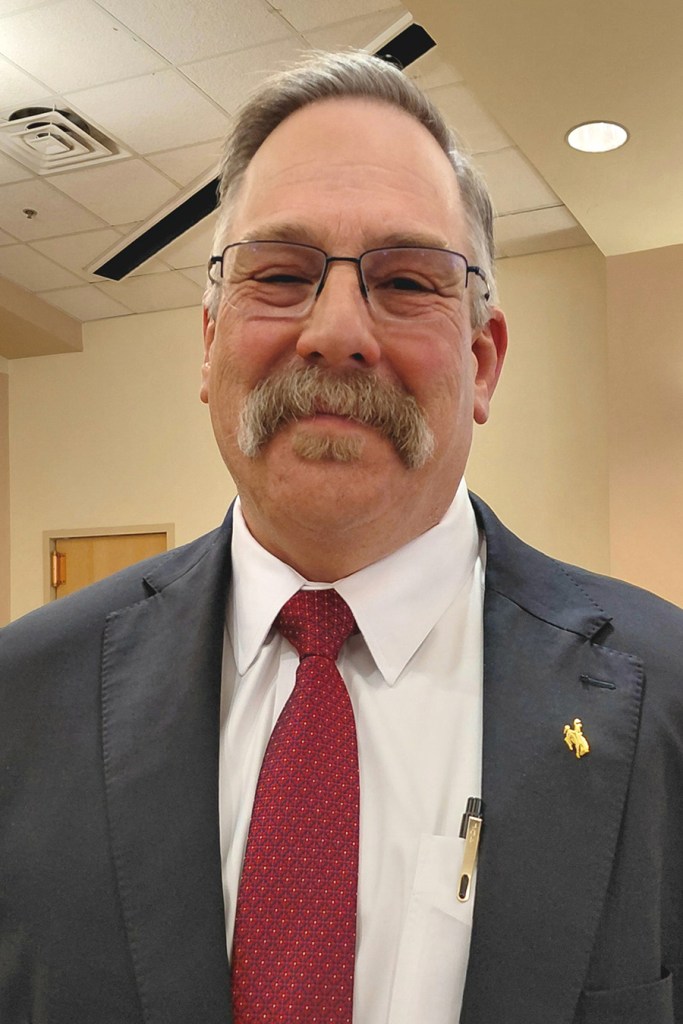
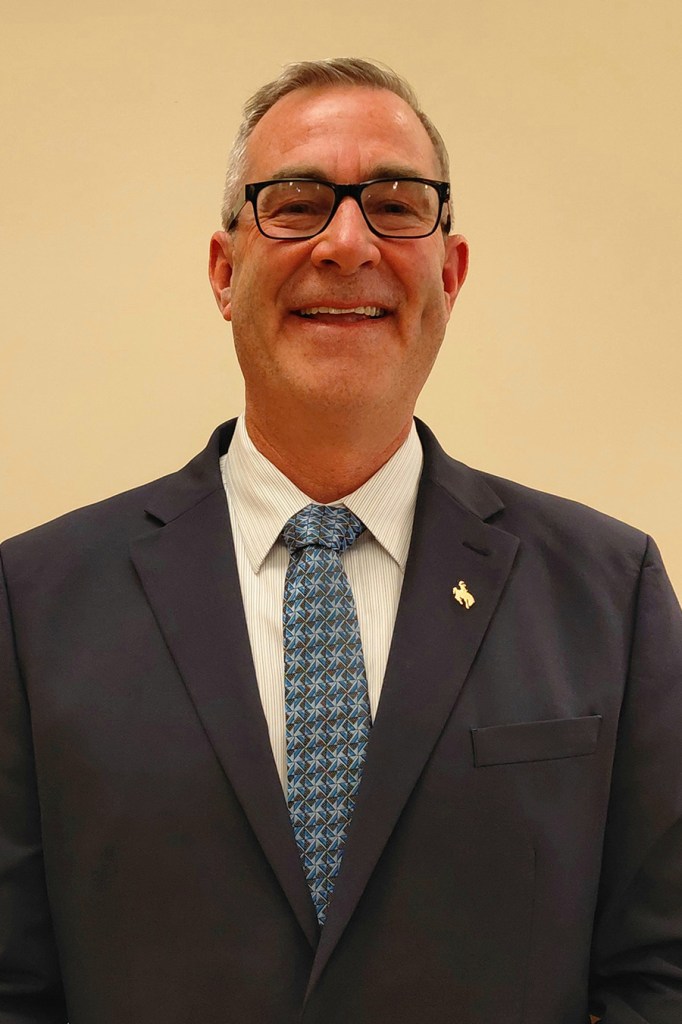
Reeves, a brigadier general in the U.S. Army, currently serves as chief academic officer and dean of the academic board at the U.S. Military Academy. He grew up in Rock Springs and still has family in Wyoming.
Future visions
Crane and Reeves both outlined policies they would retain and change if selected as president.
Crane said he plans to significantly increase faculty and staff compensation over the next 10 years and bolster the athletics program.
He wants to improve how UW markets itself as a learning experience and shift away from advertising distance learning. Crane also wants to expand UW’s research programs and the extension offices in each county by working with county commissioners. Instead of using the extensions to promote distance learning, he wants to pivot them to focus on recruitment and fundraising.
“The question is not whether UW can succeed,” Crane said during the forum. “We can absolutely succeed. The question is, do we have an opportunity to lead, and we do, but we have to act with urgency, and we have to be prepared to be immediately effective.”
Reeves wants to continue emphasizing the university’s traditions and the values, such as grit, in UW marketing materials. He wants to improve the campus culture and foster discourse and healthy disagreements. Reeves also wants to improve transparency, adapt instruction to a more project-based model in response to the rise of artificial intelligence and explore more diversified revenue streams for the university.
“Are we going to stay committed to those traditions that have been with us since 1886 and make it one of the great land-grant institutions in the country, but also have the courage to adapt, have the courage to be innovative, have the courage to change where necessary?” Reeves asked. As president, that would be his goal.
Questions and answers
UW’s Faculty Senate, Staff Senate and the Associated Students of the University of Wyoming asked the candidates a set list of questions.
One question focused on how the candidates would defend academic programs that aren’t clearly seen as beneficial to Wyoming.
Crane cited UW’s position as the only university in the state and said that maintaining some low-enrollment programs is necessary to serve diverse student interests.
Reeves said that many of these academic programs teach students intangible skills and that the humanities are important with the rise of AI. He explained that the humanities teach creativity and soft skills that can’t easily be automated.
Paula Medina, president of the Associated Students of the University of Wyoming, asked how the candidates would respond if something similar to the antisemitic imagery that appeared on campus last fall were to happen again.
Crane replied that he would listen to the people around him.
“I’m not defending the action or inaction that was taken, but I think we have to be careful when the university positions itself as the social conscience for the state,” Crane said. He then mentioned that certain things are intolerable and he would address them.
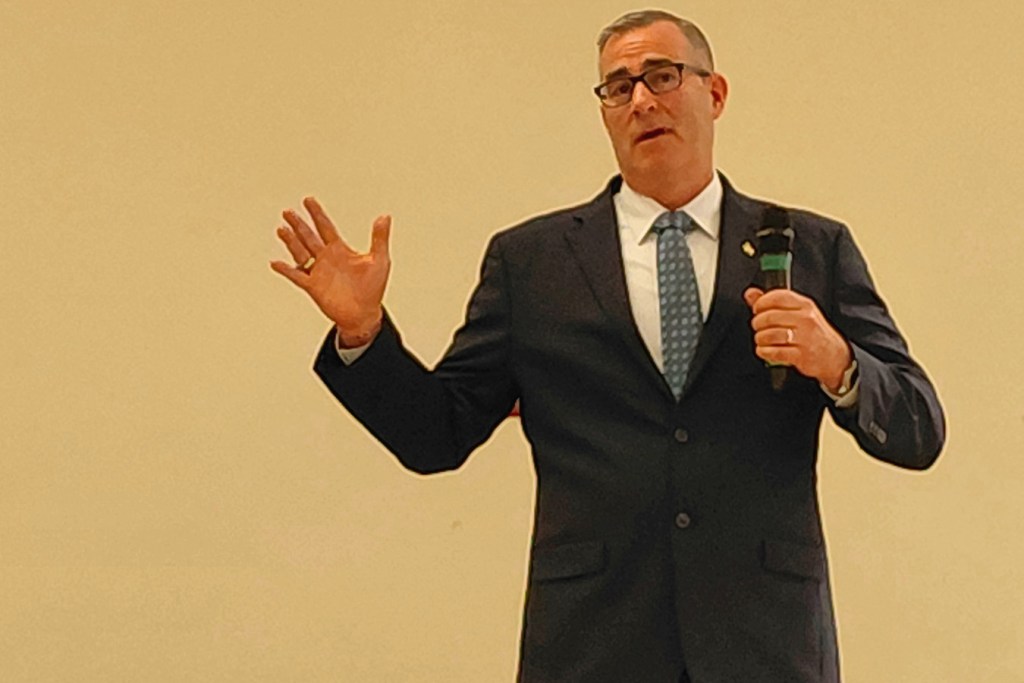
Reeves said he would respond in a timely manner, stating that antisemitic imagery isn’t aligned with university values.
“My responsibility is to make sure everybody feels respected, everybody feels protected,” Reeves said. “I think the response needs to be quick, and it needs to be addressed head-on.”
When asked about communication and information gathering, so that student, faculty and staff voices are included in decision making, Reeves acknowledged that shared governance can be inefficient, but that the people impacted need to be included in making decisions about long-term solutions.
Crane also spoke in favor of shared governance at UW. He said that when making strategic decisions, it’s important to have all the right people in the room. When making decisions affecting students, staff and faculty, Crane said it’s important to include people who work directly with students, staff and faculty.
Forum accessibility concerns
The UW Board of Trustees, which will select UW’s next president, invited people to share their input through online surveys available for 24 hours after each candidate’s visit.
While the candidate forums were open to UW employees, students and the general public, remote students and employees weren’t provided online access. Staff Senator Carissa Bjorklund, who works for UW at Casper, said that meant students and staff at UW-Casper didn’t have an opportunity to participate and provide the trustees with input.
Historically, UW-Casper has hosted half-day, in-person interviews with finalists as the only UW satellite campus, but this was not offered as part of this presidential selection process. Trustee Carol Linton, the chair of the search committee, said a visit to Casper didn’t fit into the schedule for this presidential search, UW spokesperson Chad Baldwin told WyoFile.
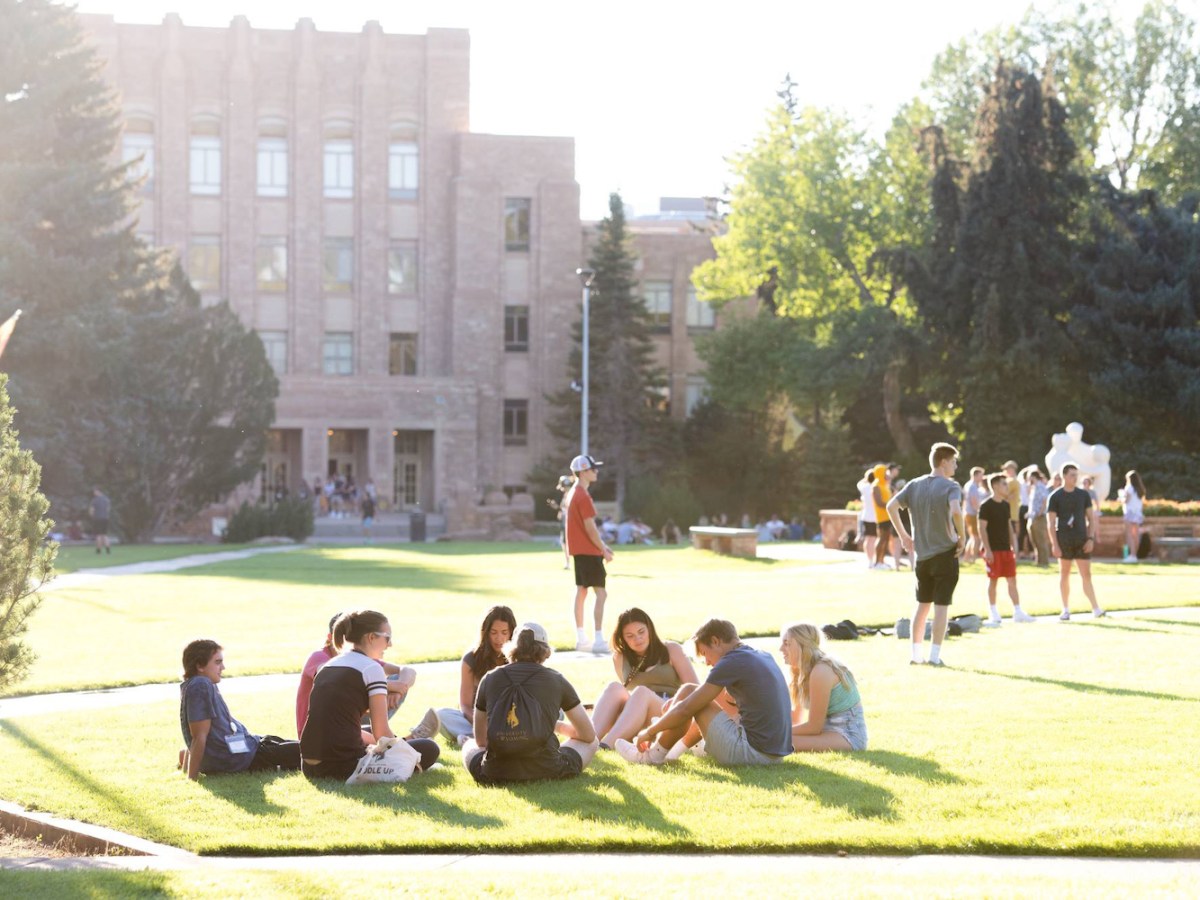
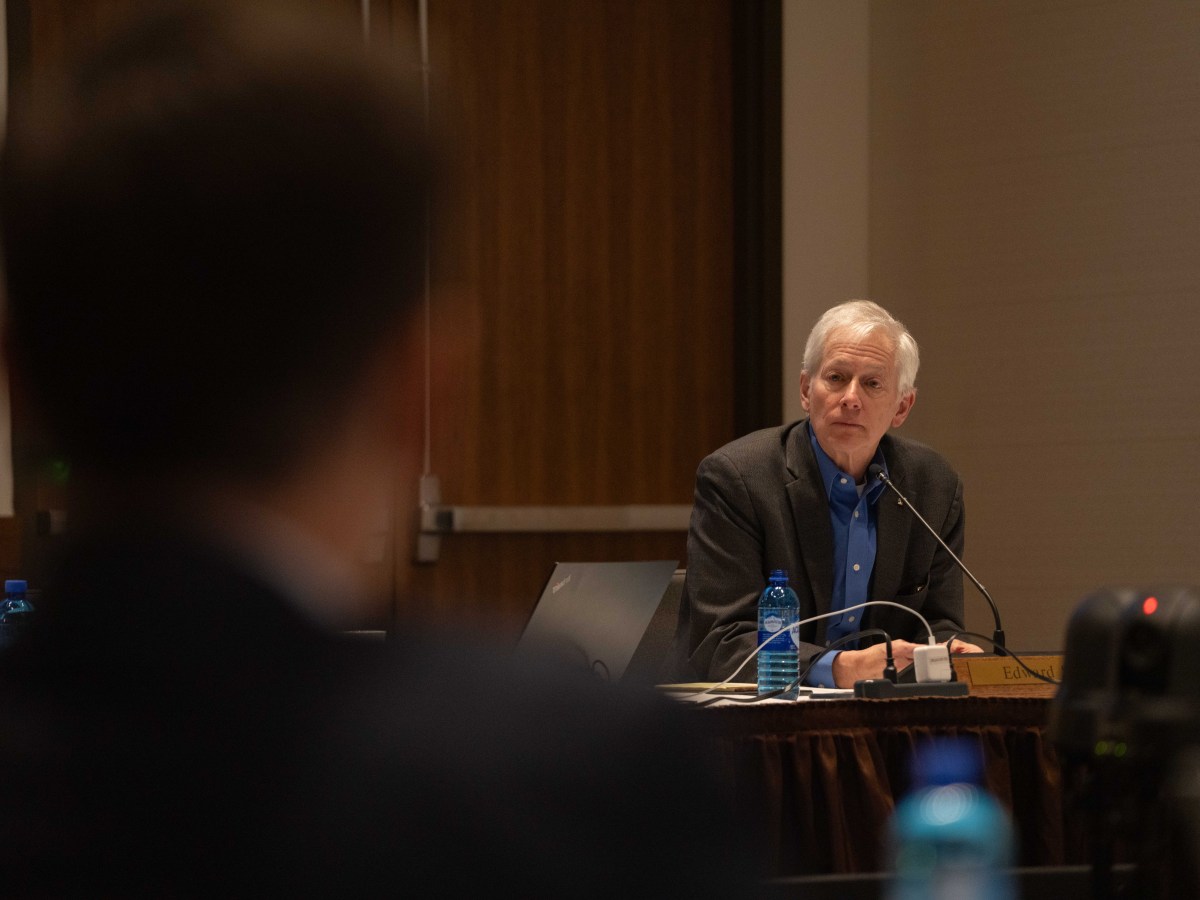
In previous searches, including the 2020 presidential search, WyoCast and Zoom links were provided for employees and the public to have equal access to the forum, Baldwin told WyoFile. However, the university decided not to provide an option to virtually attend the forums to prevent the candidates from watching each other’s presentations, Bjorklund said. An email sent out Saturday informed all UW faculty that there would not be a virtual option and encouraged them to come to Laramie to participate in the search.
“The decision was made to make our forums a private conversation between the applicants and the constituents involved, not the entire world,” UW Faculty Senate Chair Robert Godby said.
Bjorklund has heard from many constituents that they feel cut out of the decision-making process.
“I would really like to see them [UW] work on the transparency and shared governance that they really value,” Bjorklund said.
Godby defended the process.
“This is not an issue of shared governance — in fact, faculty have been represented and listened to throughout the process, and those of us on the search committee, including the trustees, have done their very best to identify candidates who will move our institution forward,” Godby said.

The super good news about this development is that it is made very clear that the board has no interest in listening to or hearing from constituents.