University of Wyoming junior Will Anderson spent the 2025 field season picking through debris-covered glaciers in Yellowstone National Park in a hunt for a tiny and elusive insect that prefers cold temperatures. 
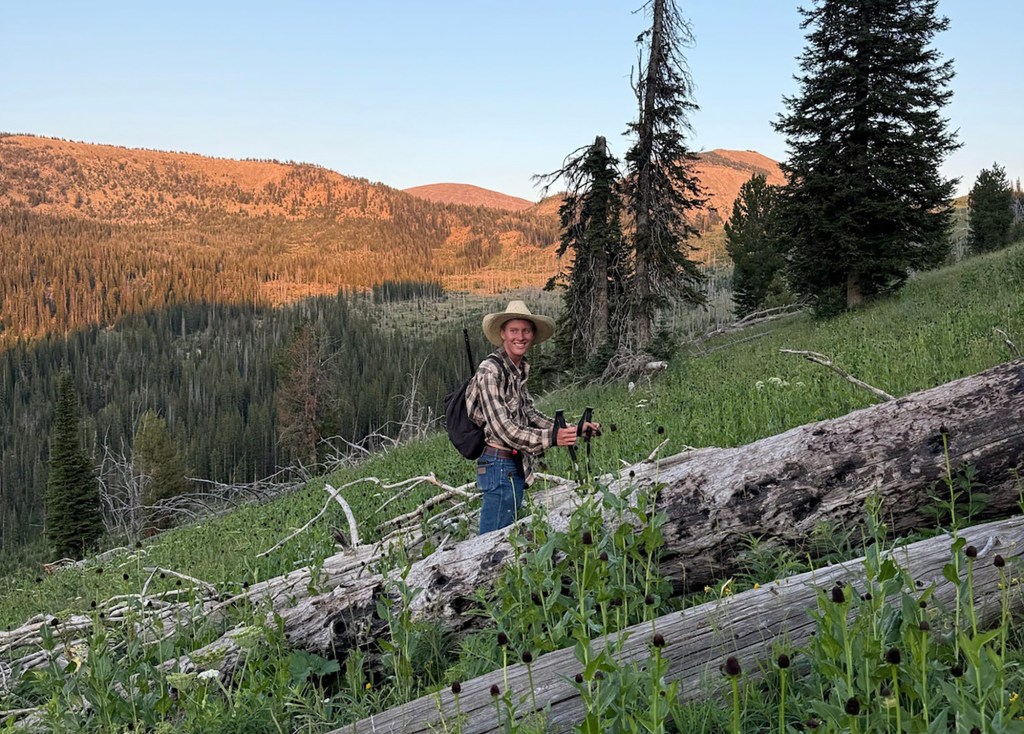
Will Anderson takes a break from looking for ice crawlers in Yellowstone National Park. Anderson and other University of Wyoming students were returning from surveying a rock glacier near Mount Holmes. (James Sims)

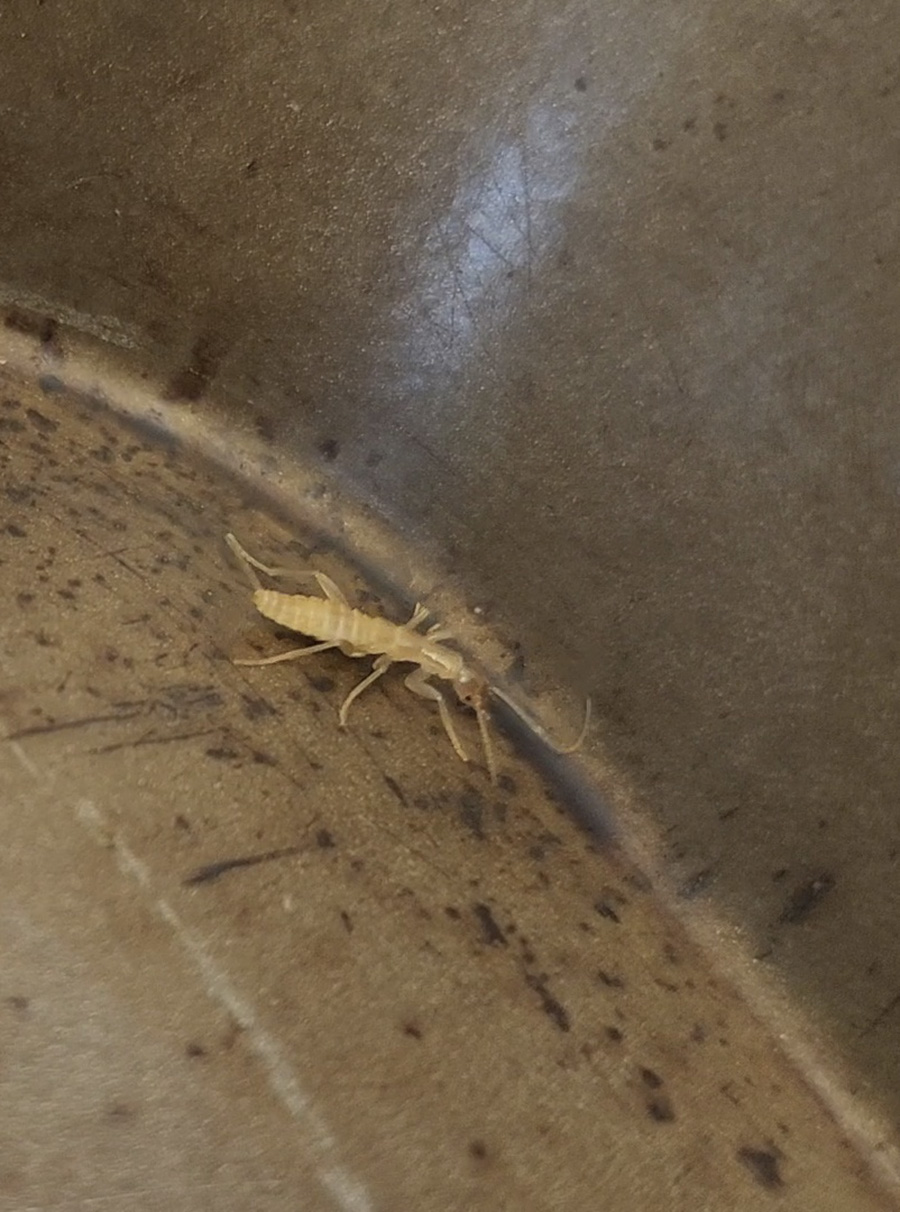
For all the rocks he turned over, he found not a single Grylloblattodea, or ice crawler. One of the rarest orders of insects in the world, ice crawlers only have 35 described species.

Anderson, a biology major from Casper, ventured out again this summer with Audrey Lindsteadt, a third-year doctoral student researching rock glaciers. And on his first outing, while flipping over rocks near Antler Peak, he discovered two ice crawlers. A couple weeks later, he found a third near Grey Peak. That’s where he and Lindsteadt detoured to after a sow grizzly bear blocked their originally planned route. 

Ice crawlers are extremophiles, meaning they prefer cold habitats. The insect is only found in small pockets of northeastern Asia, Siberia and the western U.S. and Canada, Anderson said. Populations are usually restricted to small, disconnected areas in mountains and caves. 
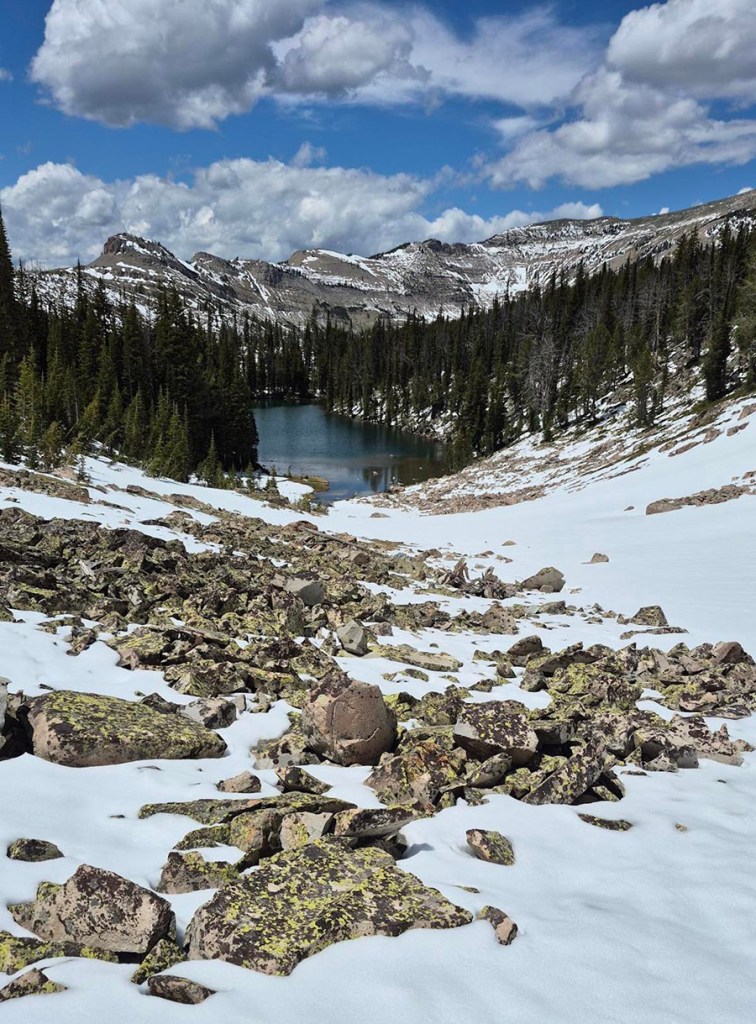
Antler Peak in Yellowstone National Park
While flipping rocks on top of a large rock glacier near Antler Peak in northwest Yellowstone National Park, Will Anderson discovered two ice crawlers. (Audrey Lindsteadt)

Anderson identified the specimens he collected as Grylloblatta campodeiformis, which is the most widespread North American species, he said. He believes ice crawlers can help scientists better understand alpine ecosystems, he said in a University of Wyoming press release. 

“I am interested in this insect because there is so much not known about them, with their life history, habitat and distribution all not being fully understood,” he said. “I also am passionate about and interested in their alpine habitats, which are understudied.”

Anderson will present his results at the Entomological Society of America’s 74th annual meeting in November. 

Katie Klingsporn reports on outdoor recreation, public lands, education and general news for WyoFile. She’s been a journalist and editor covering the American West for 20 years. Her freelance work has...

Join the Conversation

2 Comments

WyoFile's goal is to provide readers with information and ideas that foster constructive conversations about the issues and opportunities our communities face. One small piece of how we do that is by offering a space below each story for readers to share perspectives, experiences and insights. For this to work, we need your help.

What we're looking for: 

  • Your real name — first and last. 
  • Direct responses to the article. Tell us how your experience relates to the story.
  • The truth. Share factual information that adds context to the reporting.
  • Thoughtful answers to questions raised by the reporting or other commenters.
  • Tips that could advance our reporting on the topic.
  • No more than three comments per story, including replies. 

What we block from our comments section, when we see it:

  • Pseudonyms. WyoFile stands behind everything we publish, and we expect commenters to do the same by using their real name.
  • Comments that are not directly relevant to the article. 
  • Demonstrably false claims, what-about-isms, references to debunked lines of rhetoric, professional political talking points or links to sites trafficking in misinformation.
  • Personal attacks, profanity, discriminatory language or threats.
  • Arguments with other commenters.

Other important things to know: 

  • Appearing in WyoFile’s comments section is a privilege, not a right or entitlement. 
  • We’re a small team and our first priority is reporting. Depending on what’s going on, comments may be moderated 24 to 48 hours from when they’re submitted — or even later. If you comment in the evening or on the weekend, please be patient. We’ll get to it when we’re back in the office.
  • We’re not interested in managing squeaky wheels, and even if we wanted to, we don't have time to address every single commenter’s grievance. 
  • Try as we might, we will make mistakes. We’ll fail to catch aliases, mistakenly allow folks to exceed the comment limit and occasionally miss false statements. If that’s going to upset you, it’s probably best to just stick with our journalism and avoid the comments section.
  • We don’t mediate disputes between commenters. If you have concerns about another commenter, please don’t bring them to us.

The bottom line:

If you repeatedly push the boundaries, make unreasonable demands, get caught lying or generally cause trouble, we will stop approving your comments — maybe forever. Such moderation decisions are not negotiable or subject to explanation. If civil and constructive conversation is not your goal, then our comments section is not for you. 

Your email address will not be published. Required fields are marked *