


I grew up in Gillette, inside a boomtown rhythm that I did not realize was unusual.
We had 24-hour grocery stores, rec sports for every kid and computer labs before most towns even knew what to do with them. Our public library felt like a small university. True, half the town had dirt roads and buildings that looked temporary, but beneath that rough exterior was a community that believed in purposeful growth, working hard, playing harder. Gillette invested like hell in kids and possibility.
Opinion
We said yes a lot back then. Yes to teams. Yes to libraries. Yes to new ideas. Yes to the future. I grew up thinking that was normal.
Then I went to college out of state.
The university library was a joke compared to the one I had grown up with. Businesses closed by early evening. Recreation meant driving an hour and hoping someone unlocked a gym with aging equipment. Things I had taken for granted growing up were luxuries elsewhere.
Looking back now, maybe we were a little too prone to saying yes. But we were building something. We believed our kids deserved more than survival. We believed a frontier town could grow into something special.
And now, decades later, I am watching that instinct disappear.
Not all at once. Just quietly. In meetings. In headlines. In the tightening of budgets and the narrowing of imagination. The same place that once said yes to growth now flinches at it. The same state that once reached for the future now argues that reaching is dangerous.
What is harder to accept is that many of the loudest voices weren’t here for the building. They didn’t watch dirt roads turn into neighborhoods or grow up inside the libraries and programs a community fought to create. They inherited what we built and mistook it for a hive: something that simply existed, something that would always produce on its own.
But the deepest damage comes not from outsiders who never loved this place, but from those who helped build it and still choose to stand beside those letting Gillette backslide.
They prospered because the community said yes to growth. They made their fortunes inside that dream. And from the comfort of those earned privileges, they now shout no. From porches paid for by boomtown labor and collective sacrifice, they use their clout not to extend opportunity, but to choke it. Not to carry the dream forward, but to freeze the state at the exact moment that best preserves their comfort.
They are willing to let the community age with them. And if it withers afterward, that is someone else’s problem.
This is a moment of crisis, a true hinge point. The future is asking which way we will turn, and instead of reaching for it, Wyoming has fallen in love with saying no.
No to solar. No to wind. No to carbon capture. No to advanced nuclear manufacturing. No to modern gaming revenue. No to technology infrastructure. No to economic diversification.
Project by project. Bill by bill. Meeting after meeting. That pattern is the same.
No.
Wrapped in words like “freedom” and “sovereignty,” this reflexive rejection has become a political identity. It is not strategy. It is not stewardship. It is performance. And it is putting Wyoming on a slow starvation diet.
We are watching a faction of leadership oppose diversification while simultaneously voting to cut the very systems that keep rural Wyoming alive. They choke off new revenue, then act shocked when budgets bleed. They wave away the math, then punish schools, infrastructure and local services for the consequences.
This isn’t conservatism. It’s demolition with better branding.
The record shows it plainly. We blocked renewable expansion with moratorium attempts. We attacked carbon capture the moment it became viable. We chased off nuclear manufacturing jobs with theatrics, and we killed modern gaming revenue because acknowledging it felt uncomfortable. Then those same lawmakers turned around and demanded budget cuts and called it responsibility.
That isn’t fiscal discipline. That’s policy arson followed by a speech on fire safety.
And if anyone doubts how unserious this has become, look at the bill literally nicknamed “Make Carbon Dioxide Great Again.” A proposal to declare CO2 a “beneficial substance,” repeal low-carbon standards, and weaken carbon capture; not because science changed, but because politics wanted a performance. All while the state simultaneously markets itself as a carbon-negative innovation hub.
You cannot recruit investors with one hand while lighting the contract on fire with the other.
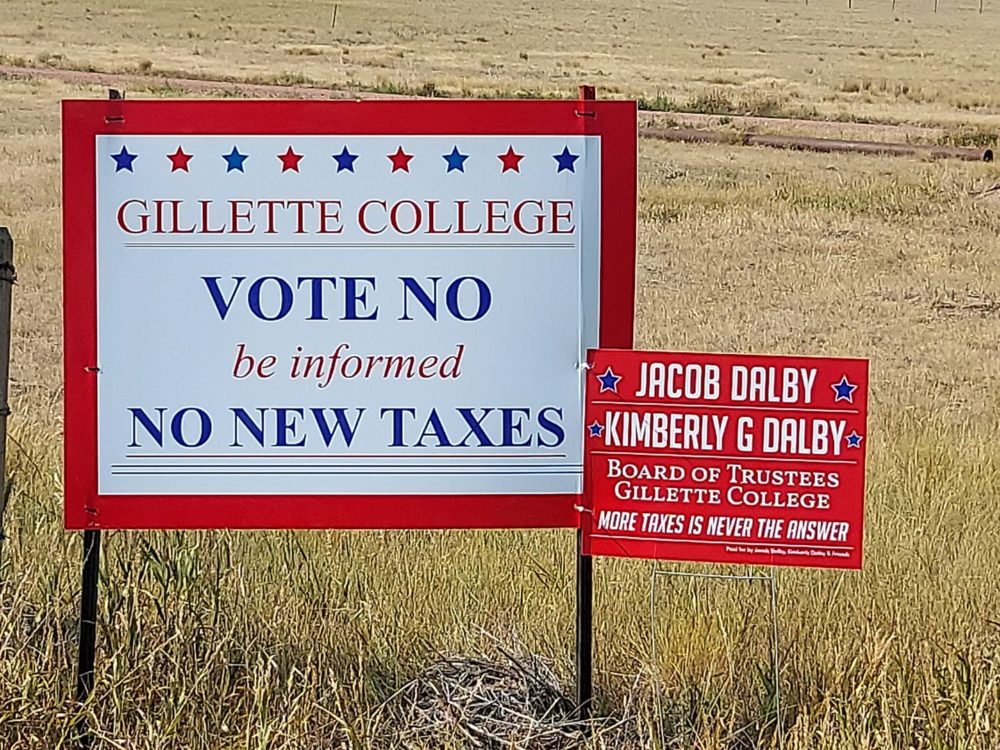
This same reflex played out locally this year with the proposed CAM-PLEX expansion in Campbell County. A shovel-ready economic engine, livestock shows, youth sports, concerts, expos, visitors filling hotels and restaurants were dismissed not with analysis but with suspicion and fear of change. Another door half-closed. Once again, no.
This is what cultural self-sabotage looks like. We claim to want thriving communities, but recoil the moment thriving requires traffic, investment, or growth.
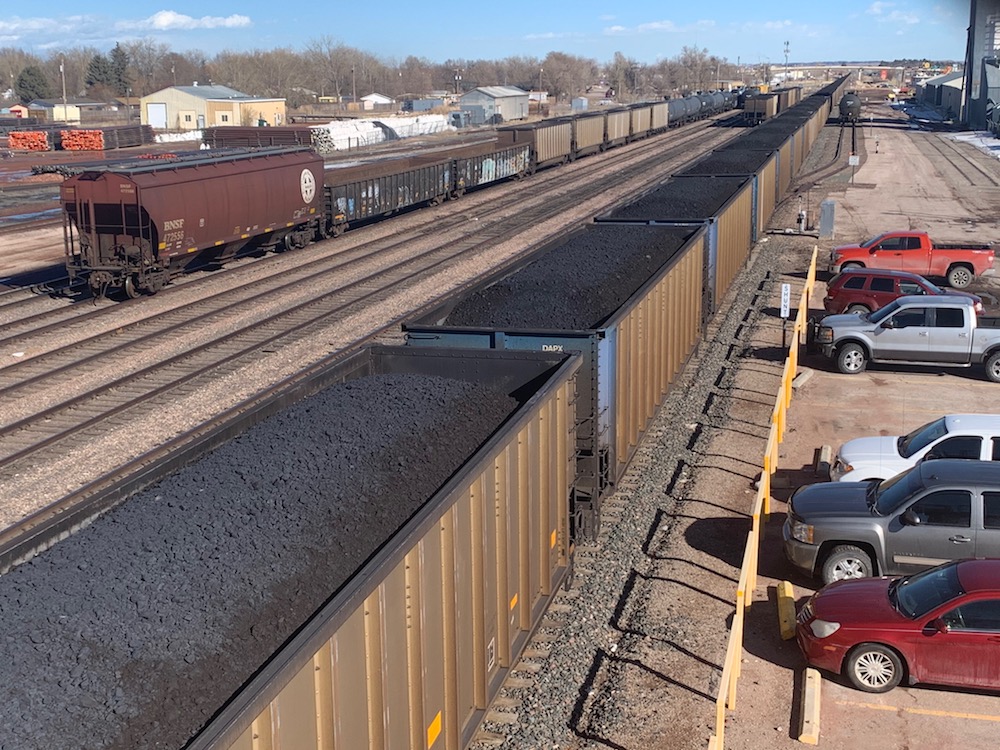
Coal revenue is down. Lease bonus revenue has cratered. Mineral backfill shrinks every year. And here is the truth that no culture war can erase:
You cannot cut your way to prosperity.
You cannot posture your way to stability.
And you cannot “no” your way into a functioning 21st-century economy.
We should say no to magical thinking. No to pretending yesterday’s revenue model is coming back. No to performing ideology instead of governing.
We should say no to the lie that Wyoming can survive on nostalgia alone. Pride in our past is not a budget plan. Rugged individualism does not pave highways. Culture wars do not staff hospitals.
We do not need to “just say no” to our future.
We need to say no to the people who think governance is theater and economic decline is an acceptable price for ideology.
Say no to magical thinking. Say no to breaking the state just to prove a point.
And then, with everything we have left, say no to killing Wyoming economically.
Because Wyoming is not dying on its own.
It is being starved by design.
“ This isn’t conservatism. It’s demolition with better branding.” Damn, I wish I had said that!
Undeniable fact…..
Taxation is theft, extortion to be specific.
I would like to see 10,000 people leave town. the driving to get places would be a lot easier. for all the folks that seem to want this town to greatly expand, please move to Rapid City, pop. 74,000+, or Cheyenne, pop. 65,000+. you will be much happier.
thank you for this insightful and important article. well done.
Outstanding piece. Thank you!
Great writing, and so right. Wyoming is afraid of change and bucking progress. The continuation of lack of diversity in culture and business will bury Wyoming.
Well said Ms Mathes! I nominate you for Governor in 2026!
And it’s time to restore the State motto back to the “Equality State” from the “Go back to where you came from” state!
This is the most brilliant articles written in our time. May you prosper into state leadership or national journalism
People with vision seem to be gone, courage and wisdom are a things of our past! Mike Enzi knew he needed to bring water to Gillette, however he didn’t have any idea how Gillette was going to pay for it! He didn’t it anyway! When we stepped up an
Purchased the land where the collage a the rec center set I was called out of touch! It was said that we would never use the camplex!! It takes vision! Saying No is easy! Saying yes takes courage! That Maybe what we are lacking!!!
Excellent article Christy. Thank you for writing it.
What Christy said! Exactly!
When I moved to Gillette in 2003, I was prepared to hate this place. Growing up, I heard all the stories about a rough and tumble town. What I experienced in 2003, however, led me to stay for the next 20 years. It was the town’s initial attitude towards growth and progress. Local leaders can do spirit was infectious. It made me believe that if you got the right group of people together, along with some good old-fashioned elbow grease, you could accomplish what needed to be done.
I’ll be honest, though. That all changed when we elected John Bear (and later his cronies) during the pandemic. Our town slid into an abyss of conspiracy theories, lies, out-of-state agitators, and hate.
I keep hoping we’ll pull out of it. So many people here are protesting this regression. But many more are blissfully ignorant. Going about their daily lives, enjoying the fruits of past labor, and choosing not to engage or vote.
I pray this changes in 2026 because our town (and state) can’t survive too many more years of Freedom Caucus lies and oppression.
Thank you, Christy, for writing this piece.
Masterfully written.
Thank you for this insightful article.
I agree with you 100%. The tipping point, as I see it, came about with Citizens United v. FEC. SCOTUS decided dollars were speech, and corporations were allowed to “talk” as loudly as they wanted. Placing corporate interests (profit) above public interests (people) on the political spectrum. Corporations stopped programs that contributed to the communities that housed their workers, because it cut into the bottom line. Why curry public opinion when you have a government representative bought and paid for? Politics is all about money and power, you can’t have one without the other, same with corporations. With those two entities in bed with each other, the people’s interest is just so much noise. Everything that entails the people’s pursuit of happiness runs counter to these two bedfellows. We voters need to realize it’s not immigration, it’s not education, it’s not our social programs that are “breaking the system”, it’s CEO’s and corporate greed feeding our “leaders” what they need ($$$$) to stay in power, and vice versa. Of course there’s nothing left for us, “little people”.
Excellent article! Well said. I could not agree more!!!
This isn’t conservatism. It’s demolition with better branding.
Excellent piece.
This is an excellent synopsis if the rapid decline in Wyoming. And as she states, the leaders of the decline often come here from elsewhere and have had little skin in the game .
An excellent and timely opinion piece!
Vote the fake christians out of office and your (our) lives will instantly get better.
Fantastic story. To bad Campbell county BEARS responsibility for freedom caucus loudmouth who loves to say NO.
Spot on. Great job
Wow! Ms Mathes, you are spot on with your observation and opinion of what is going on within our state, and the governing body behind this movement.
Well said!
Thank you for your honesty!