

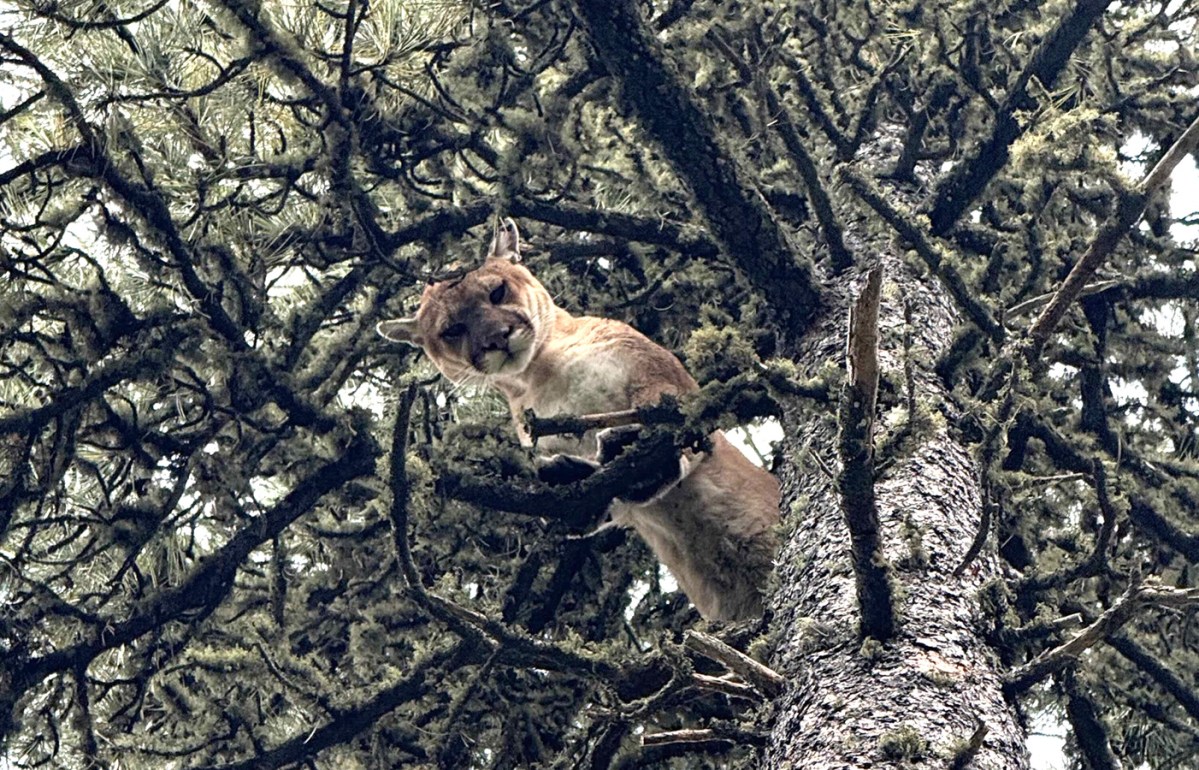
Entering the final week of Wyoming’s seven-month mountain lion hunting season, houndsmen and opportunistic hunters have caught and killed fewer big cats than any other year in nearly a decade.
As of Monday morning, 268 hunters had punched their Wyoming lion hunting license, which is significantly fewer than the 300-plus cats typically killed in the state’s heavily hunted population.
“I think this is the lowest amount of harvest since 2016-17,” said Dan Thompson, large carnivore supervisor for the Wyoming Game and Fish Department.
It’s unlikely that the final tally changes much.
On the heels of record heat during a winter that saw more records fall last week, unseasonable warmth remains in the forecast for the final week of a hunting season that ends March 31. That means not much chance of snow, which helps hound hunters identify tracks to turn their dogs loose on.
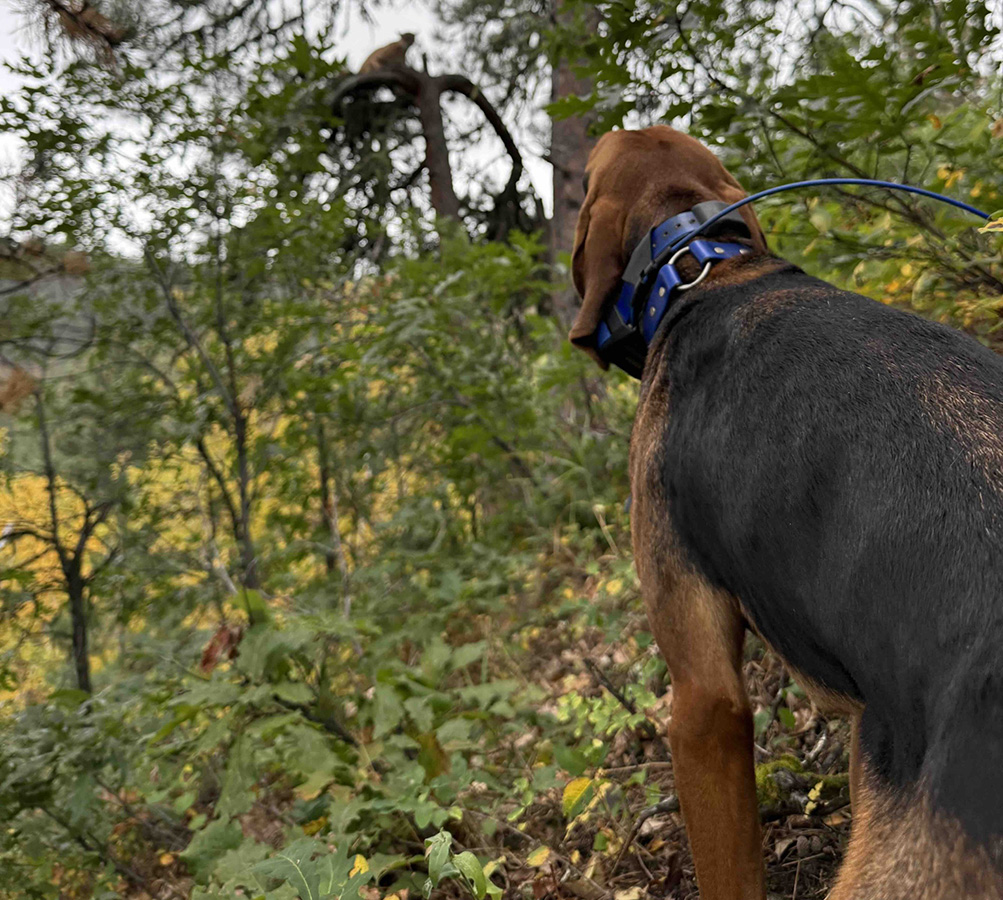
That was the story of the entire hunting season, said Wyoming Houndsman Association President Luke Worthington. The avid Campbell County houndsman welcomed the slow season, which he said kept out-of-state hunters away from Wyoming and gave hard-hit lion populations somewhat of a chance to recover.
“We saved 100 lions,” Worthington said. “I think it’s a great thing. I was worried where mortality limits were at, and a 100 cats less would be awesome.”
Houndsmen often play the role of mountain lion advocates, lobbying state wildlife agencies to reduce hunting pressure on the cats. Big game outfitters are oftentimes pushing in the other direction, encouraging wildlife managers to hunt down mountain lions, which can be scapegoated for low populations of ungulates like mule deer.
Generally, houndsmen have lost that fight. Over the last two decades, the Wyoming Game and Fish Department has gradually boosted its lion hunting quotas, increasing hunting pressure that has reduced the average age of cats on the landscape.
Worthington hopes that slow hunting during the winter of 2025-’26 allows the age structure of mountain lion populations — and the animals themselves — to rebound.
It remains to be seen what the effect is. But Game and Fish staff will collect data on hunter-killed cats in the coming years to measure impacts.
The southern Bighorn Mountains are an example of a place where the lion is still recovering after years of aggressive hunting. In hunt areas 21 and 15, hunters killed a combined 40 cats during the prior hunting season. But through Monday, they’d only managed to kill 23 cats in the two hunt areas this hunting season, according to the state’s harvest report.
For guided clients, the lack of snow really hurt the lion hunting, Worthington said. He experienced it himself this winter.
“It’s pretty hard to bring clients in and not be able to find a track,” Worthington said. “I guided one hunter. We went home empty. Couldn’t find a tom.”
As a result, the market for guided lion hunters, who tend to be non-residents, was dismal.
“They’re not going to drive all this way to hunt in bad conditions,” Worthington said.
In turn, there seemed to be less hunting pressure overall, he said.
Worthington capitalized on that personally. While running dogs on dry scent over bare ground is more difficult, he spent about two-thirds of his time during the hunting season doing just that. The houndsman enjoyed a banner year.
“I caught 34 lions, and we killed one,” Worthington said. “I haven’t ran a snowmachine. I’ve pickup [truck] hunted and hiked in the mountains. It’s been awesome.”
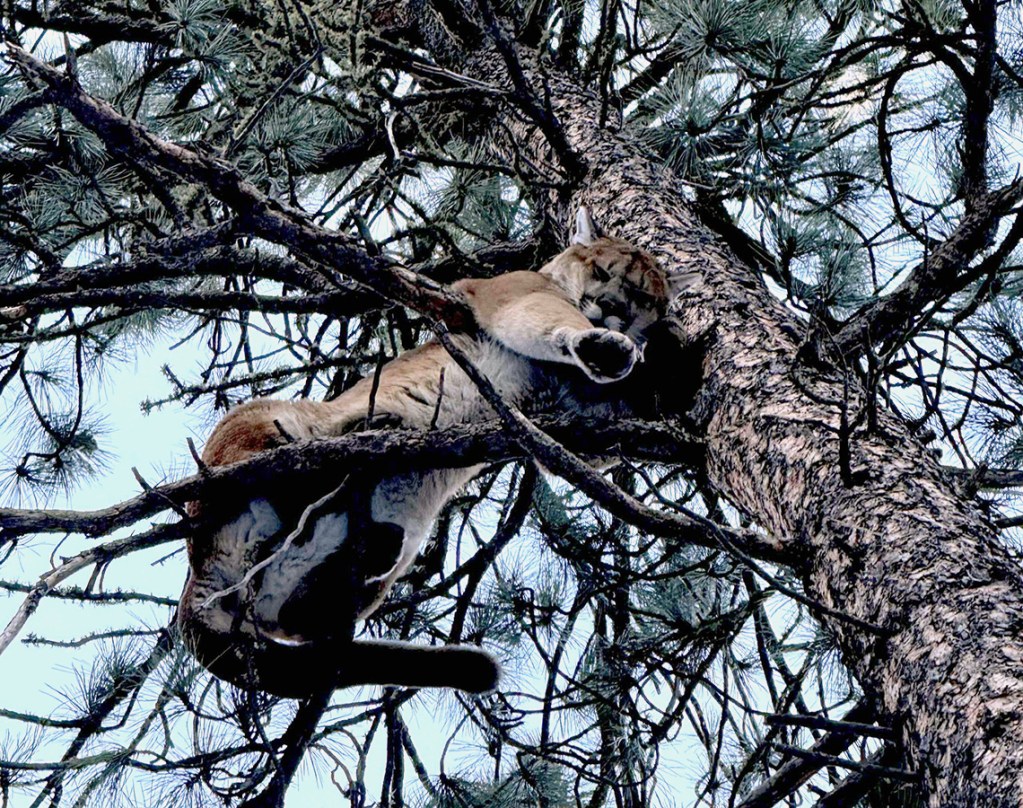
Other houndsmen had a different experience. Clear across the state from Worthington’s hunting grounds in the Bighorns and Black Hills, Star Valley resident Jason Reinhardt typically chases cats in the northern Wyoming Range. His dogs treed fewer cats than in any other hunting season in 20 years, and over the winter months, he managed to lay eyes on only one tom, he said.
Reinhardt did not attribute the lack of lions to a sparse, low-elevation snowpack. There was enough snow where he hunts to run snowmobiles into patches of timber where cats like to take refuge and also get into the high country.
“Those cats just weren’t there,” Reinhardt said. “They just weren’t present. It was piss-poor, straight up.”
Reinhardt believes the scarcity is related to heavy mountain lion hunting in the region. After the brutal 2022-’23 winter cut down mule deer numbers in the Wyoming Range by two-thirds, state wildlife managers heeded big game outfitters’ calls to kill more lions. They increased the mortality limits on the big cats by 50% in four hunt areas, despite a lack of evidence that heavier lion hunting would help the mule deer herd.
A recent Game and Fish press release describing the Wyoming Range Mule Deer Herd’s recovery caught Reinhardt’s eye, he said.
“If they feel they’re achieving their goals, then give us our cats back — or a portion of them,” he said.
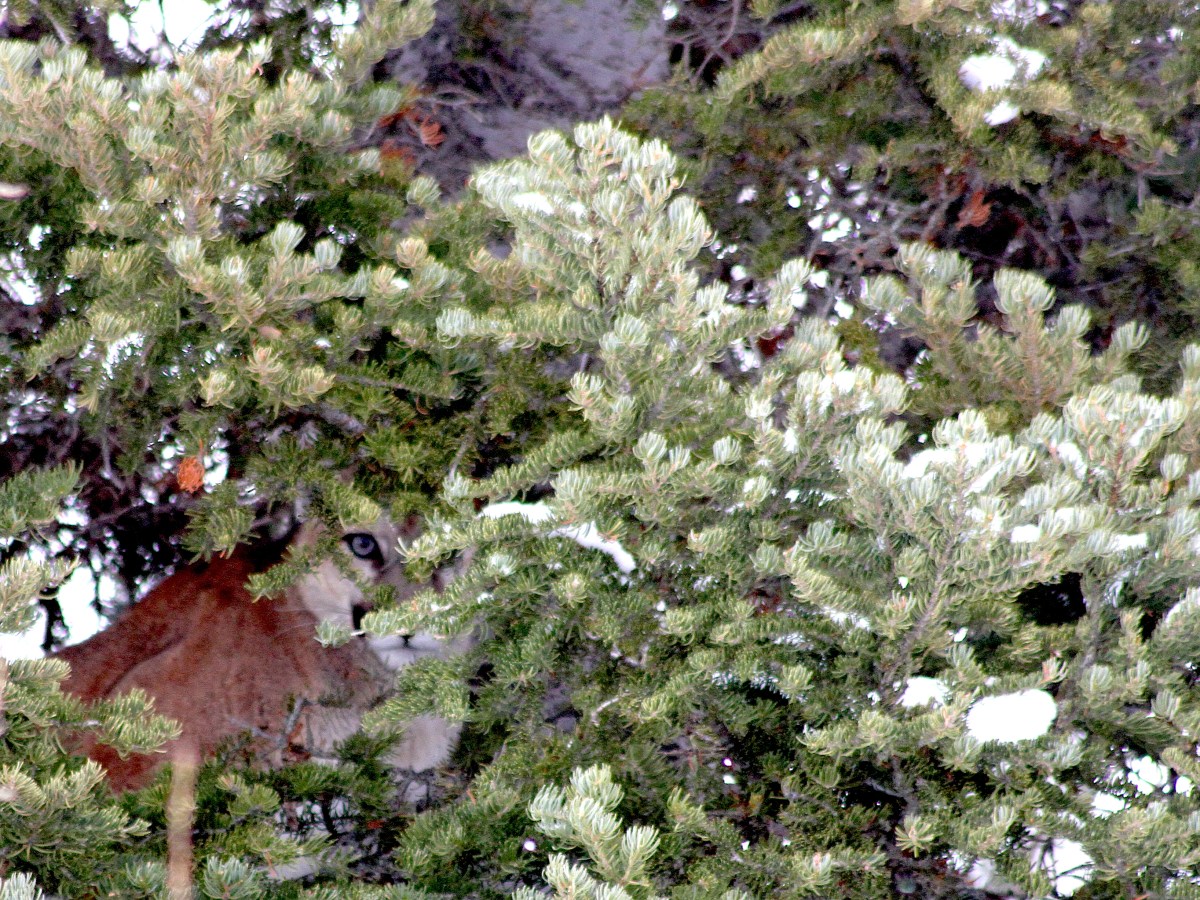
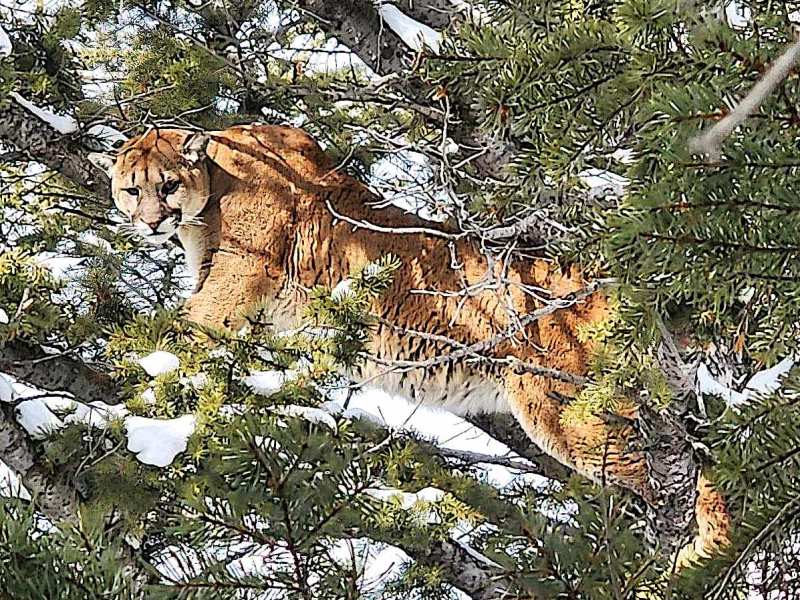
Wyoming typically adjusts its mountain hunting seasons every three years. The last update occurred in 2025, which means that the soon-ending hunting season was the first with the new regulations in place.
Game and Fish has no lion hunting regulation changes planned, at least as a result of houndsmen killing relatively fewer lions this winter.
“Rather than have a knee-jerk reaction to lower harvest this year, we’re going to see what happens,” Thompson said. “We look at things over more than a snapshot of one year, especially when we’re talking about mountain lions.”