


Jed Nebel can’t count how many times he’s heard visitors ask where they can mountain bike around Lovell — a small town on the eastern edge of the Bighorn Mountains where rivers like the Shoshone and Bighorn carve deep canyons in the rocky hills.
The inquiries made it clear, the town administrator said, that “we have an opportunity here.” Around 2022, the town hired a mountain bike trails consultant out of Fruita, Colorado, who toured the area and identified Cottonwood Canyon as an ideal candidate for a project.
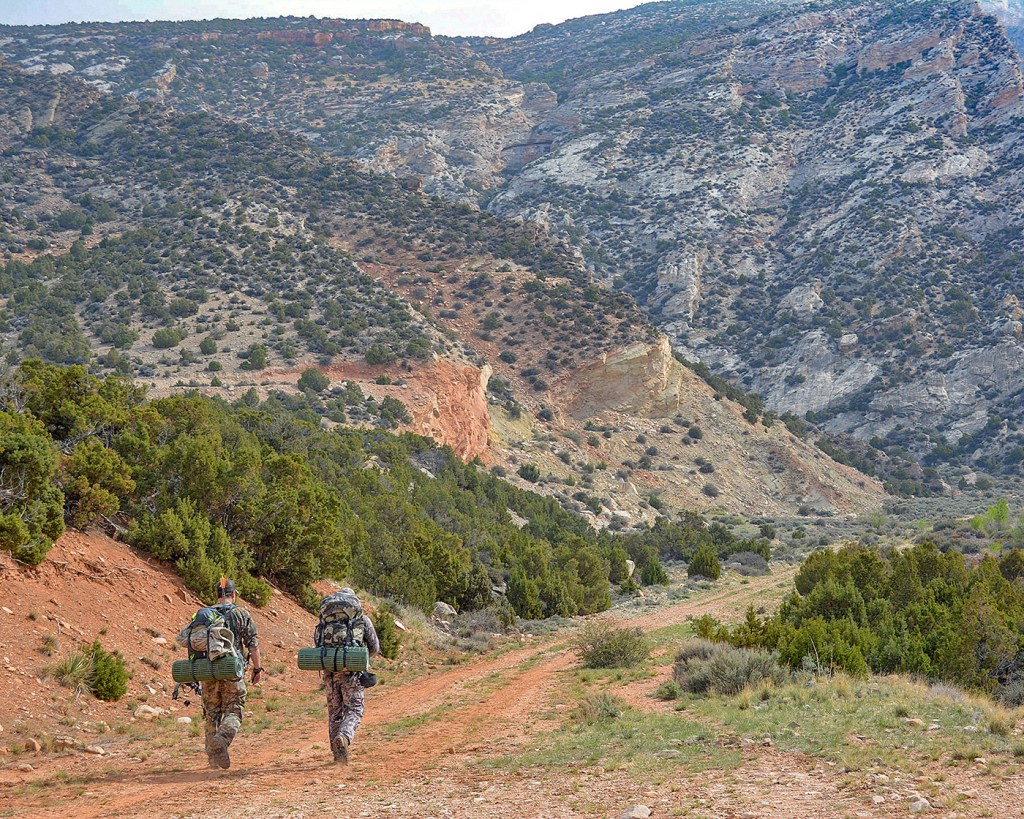
The canyon 16 miles from Lovell is easily accessible, with good grades for trails and an existing campground. Plus, Nebel said, “Pictures don’t do the area justice. You’ve got the towering mountains behind you, and the river down below. It’s beautiful.”
Dreaming up a trails project is one thing; securing funding is another. But Lovell’s vision for 26 new miles of non-motorized trails in Cottonwood Canyon got a major boost last week when the Wyoming Outdoor Recreation and Tourism Trust approved its inaugural round of grants.
Of the 21 grantees, Lovell got the biggest award: $300,000 to build roughly half of its trails project in Big Horn County. Nebel heard the good news while driving to Denver with his family.
“I was on the side of the highway outside of Riverton, fist pumping in the air,” Nebel said.
All told, Wyoming’s Outdoor Recreation and Tourism Trust Fund Board awarded more than $1.9 million to outdoor recreation and tourism infrastructure projects across 15 counties.
When Wyoming created the trust fund three years ago, it joined a growing list of states investing government dollars in the burgeoning industry, which supporters say brings clear benefits to communities.
“Collectively, the projects will improve public access, enhance recreation experiences, protect natural resources, and strengthen tourism economies and communities throughout Wyoming,” Board Chairman Jerimiah Rieman said of the 2026 grantees in a press release.
Spreading the impacts
Wyoming outdoor recreation has been on an uphill trajectory for decades, with growing crowds drawn to the state’s snowmobile and mountain bike trails, national parks and dispersed camping areas.
That increasing popularity helped bolster Wyoming’s outdoor recreation economy. The industry generated $2.3 billion in 2024, according to recent federal economic data. That represents 4.5% of the state’s gross domestic product, putting Wyoming in the top five states in that category behind Hawaii, Alaska, Montana and Vermont.
Growing crowds have also given way to growing concerns about overcrowding and resource damage, however. Wyoming’s Office of Outdoor Recreation — a major promoter of Wyoming’s outdoor assets — has responded with a strategy of educating, dispersing and reconcentrating user groups to spread both the benefits and the detriments.
That strategy is woven into the Outdoor Recreation Trust Fund. The fund, created by a 2023 law, is designed to provide a dedicated funding source, generated from statewide lodging tax revenues, for outdoor recreation infrastructure. The fund aims to help build, improve and design projects, including those that draw Wyoming’s outdoor enthusiasts to new areas.
After the trust was created, the Wyoming Outdoor Recreation Office established an administrative framework, and Gov. Mark Gordon appointed members to the nine-person board overseeing grants.
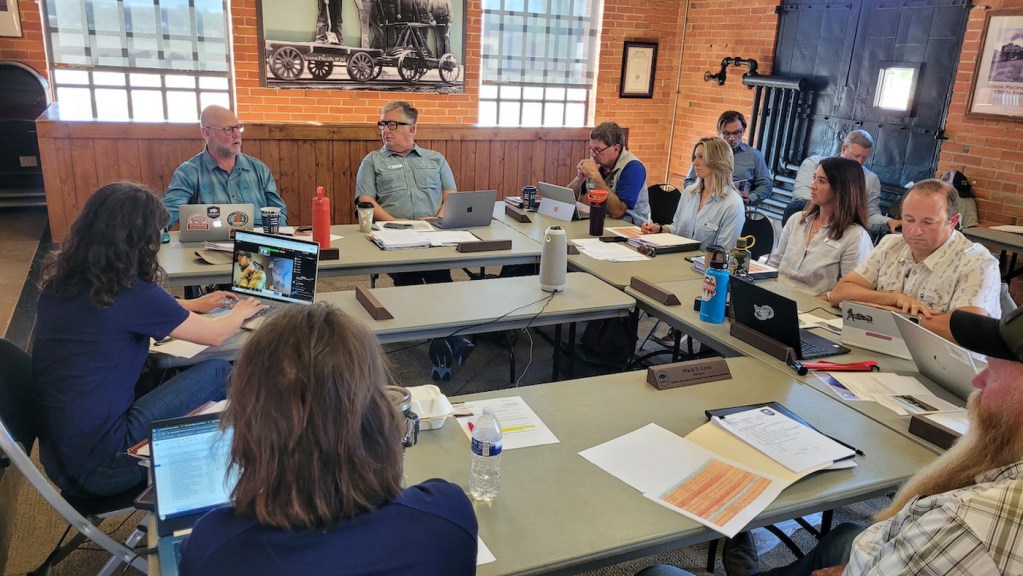
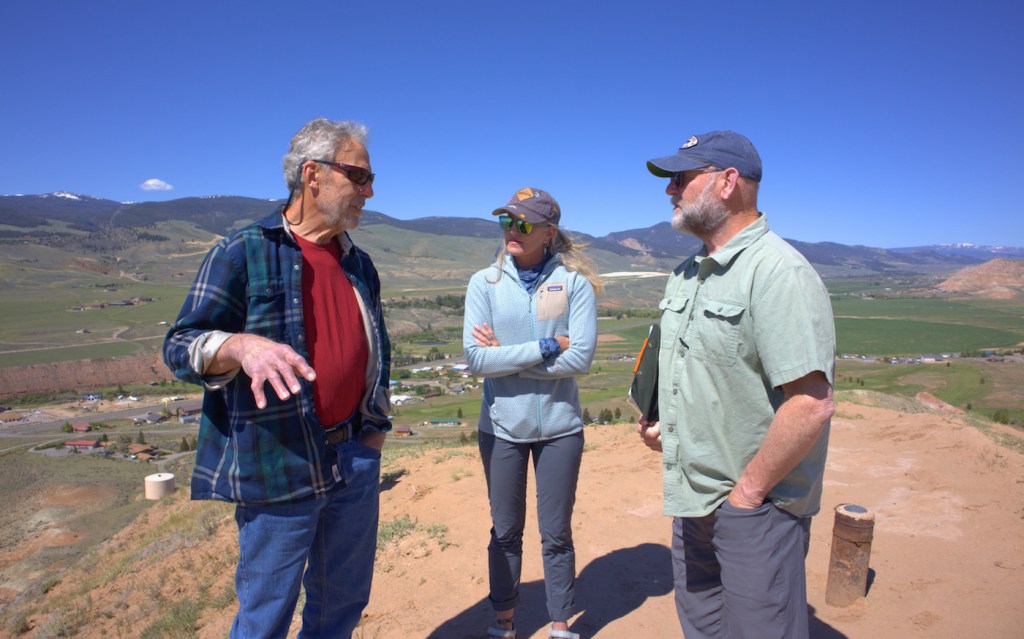
The board’s first application process opened in February. Some 86 applications with requests totalling more than $10 million poured in. Board members visited 35 proposed project sites as they considered applications.
“Meeting with applicants and seeing their projects firsthand has highlighted the incredible work and enthusiasm communities across Wyoming have for expanding outdoor recreation and tourism opportunities,” Wyoming Outdoor Recreation Manager Mark Tesoro said in a press release. The volume and quality of applications also underscored the need for continued investment in future funding rounds, according to his office.
The projects
The majority of requests for funding involved trails, so it’s unsurprising that most of the grant winners involve trails. That includes a $29,000 grant to upgrade the French Creek Trail in the Medicine Bow National Forest; a $50,000 grant to build nearly two miles of non-motorized trails near Dubois and $50,000 to develop and design a new trail system plan in Campbell County.
But grants were also awarded to projects for picnic structures, Nordic skiing equipment and river improvements. Non-trail grants include $90,000 to replace the fishing pier at Lake Owen near Laramie; $100,000 to upgrade the Killpecker Sand Dunes Campground in the Red Desert; and $125,000 to The Antelope Butte Foundation to purchase winter grooming equipment for the Sheridan County ski hill.
For Lovell, the Cottonwood Canyon trail network isn’t just for tourists. It’s also “a quality of life builder” for locals, who will have access to a new amenity built with professional expertise, Nebel said.
The town, which has held multiple public meetings to shape the trails proposal, will continue applying for funding assistance for construction, he said. Lovell also has a project in the works to enhance river amenities for kayaking and boating.
“It’s kind of an outdoor recreation dream if we get both of these done,” he said.
See the full list of granted projects here.

Big Horn Basin is ripe for mountain biking. Mild climate, good terrain, not a large population base. Plus the Hot Springs in Thermopolis will make a great diversion. Park CIty and Salt Lake City are madhouses as there are too many people trying to access those trail systems. Jackson has the same issues in the Summer. Frequently, they are doing group starts. I don’t favor e-bikes in Jackson as it is only increasing the numbers. Cache Creek Trailhead is a mess and needs work so a good use of proceeds although it seems like the town of Jackson and their hotel tax should be paying for some of that as well.
Turning Cottonwood Canyon into a biking trail. Wow, what a great way to ruin a pristine area. Ya ya, bikers are green, environmental, not when you bunch them all together. Some areas should stay wild, what a bad move by the Outdoor council
The same can be said for “Too Many People?” anywhere! Whether it be the Garnet Canyon approach trail to Grand Teton or the approximate 40+ Million Humans that depend on the over allocated water resources in the Colorado River Basin! And there are plenty more examples.
The real problem is the Silly Humans have over populated there biological niche on Earth! I feel this can largely be attributed to the Unfetter Infinite Growth & Greed that must exist to make Capitalism function!
A greater understanding of Simple Biology/Ecology would go a long way in helping Humans understand just how F’ed their species truly is and how Unfetter Capitalism and Cheap Energy has brought the Human Species to this predicament!
It is not just a “Bunch?” of Mountain Bikers in one “Spot?”!
The trail system to be built outside Lovell will be a destination-area trail system that allows nearly year-round riding. I expect it will draw visitors from all over the region.