


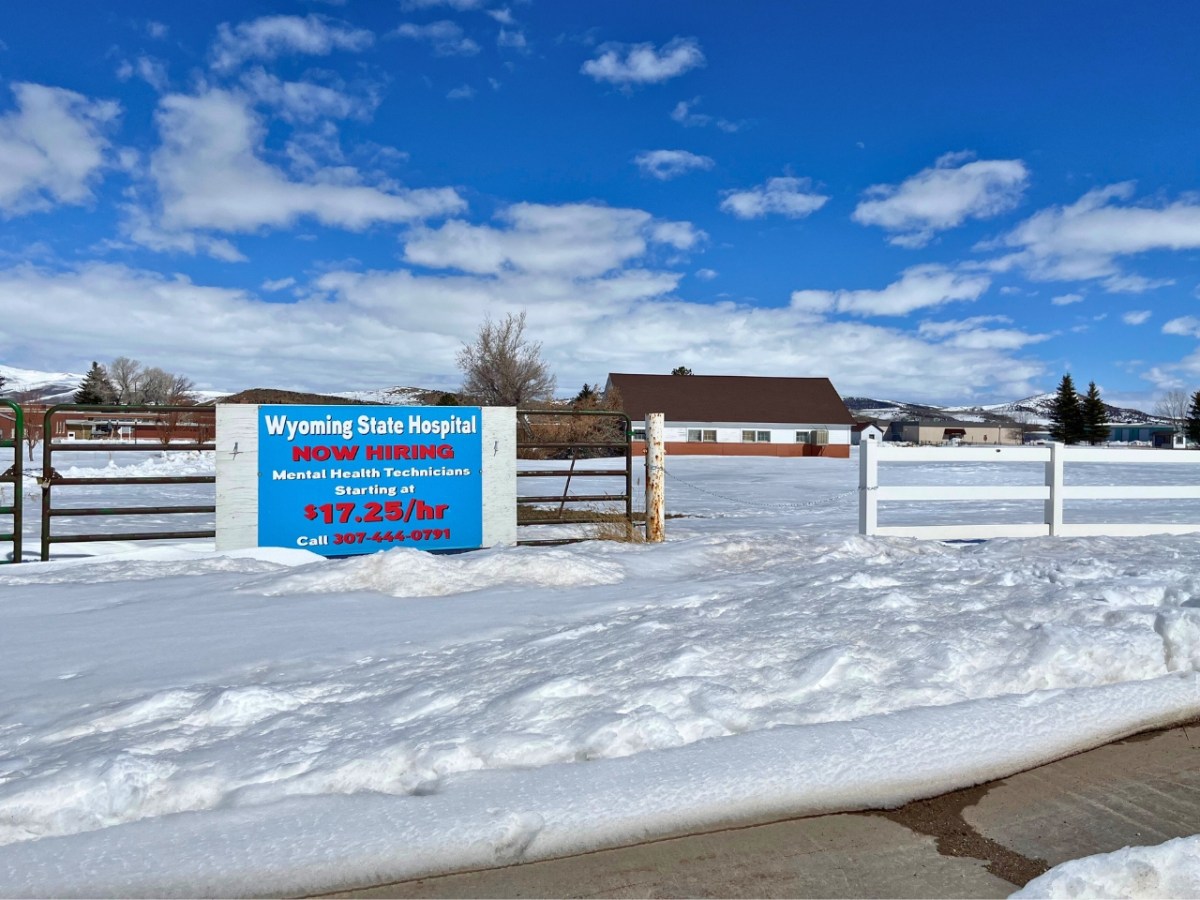
Wyoming sheriffs for years have been frustrated with the amount of time they’re holding inmates in their jails after judges order them sent to the state mental hospital for evaluation and treatment. Now, they want lawmakers to force the Department of Health to foot the bill.
In an emailed letter addressed to every member of the Legislature, Uinta County Sheriff Andy Kopp wrote that the state’s jails were housing people with mental illnesses “more than ever,” and were doing so for long periods, challenging staff, costing counties hundreds of thousands of dollars and keeping incarcerated people themselves from the care they need.
“Without timely and adequate resources or support systems, many of these individuals continue to suffer and deteriorate more,” Kopp wrote. Wyoming has one of the highest rates of jail suicides in the nation, according to a WyoFile investigation that examined the problem in 2023.
Fourteen of the state’s 23 sheriffs joined Kopp in signing the letter. The sheriffs are particularly vexed by holding people whom judges have ordered to the state hospital for a mental competency evaluation ahead of their trial, or in some cases to be treated until that competency is restored. Those orders are supposed to kick off transfer to the hospital, which is in Evanston, within 10 days.
But the Wyoming State Hospital has long-running capacity issues driven by staffing levels and, according to a health department spokesperson, increasing demand on the hospital’s 104 beds from the judicial system. Only 25% of those beds are dedicated to patients arriving through the criminal justice system, whom agency spokesperson Kim Deti said are kept separate from people who aren’t accused of crimes.
In the Uinta County jail, just three miles away, people ordered into the state hospital are often incarcerated for months waiting on a bed, Kopp told WyoFile in a phone interview Wednesday. There have been times when his jail has held people for six months prior to a stay at the state hospital. In some cases, he said, that’s the length of the jail sentence they would face if convicted at trial.
“They’re sitting in jail for six months waiting to get their evaluation and when they come back they’ve already done their time in jail,” Kopp said.
Meanwhile, their mental health issues go untreated.
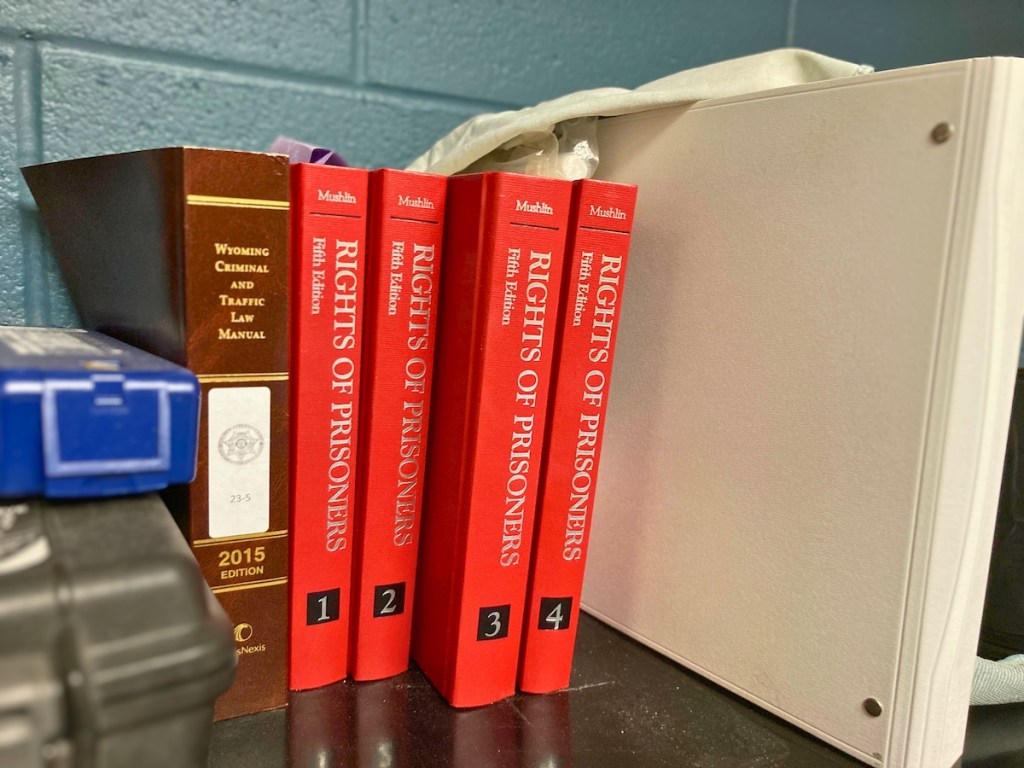
Carbon County Sheriff Alex Bakken, who signed Kopp’s letter, described such incarcerations as a form of excessive punishment, though in many cases people waiting for evaluations or treatment in Evanston have never been tried for the crimes they were charged with.
“People come to jail as a punishment,” he said, “it’s not to receive even more punishment, and when we’re holding people because they can’t get a bed at the state hospital it’s kind of exceeding why they’re there.”
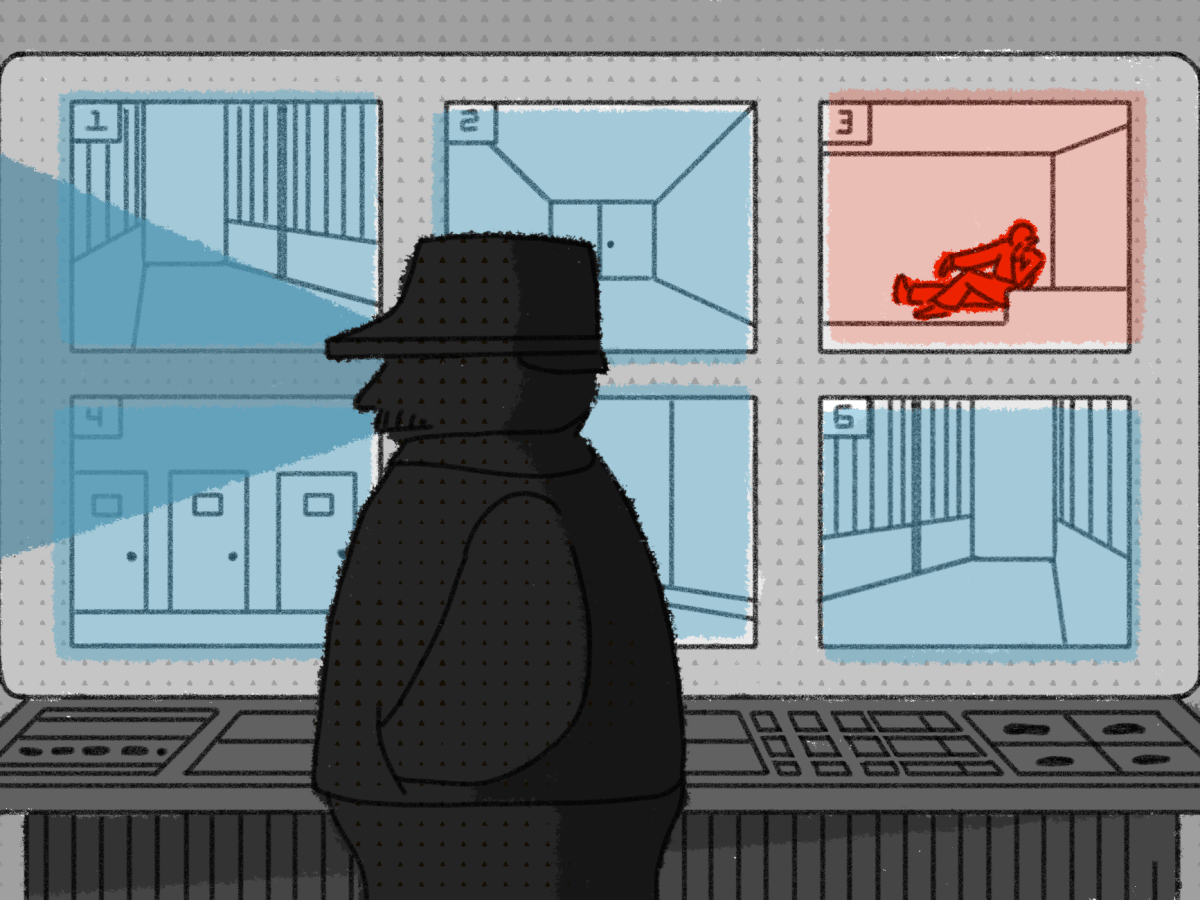
Guarding people in the midst of often spiraling mental health crises — and in many cases protecting them from self harm — is a difficult burden for jail staff, who aren’t health experts, both Kopp and Bakken said.
It’s also a drain on counties’ often-strapped budgets. Kopp and the other sheriffs who signed the letter believe the cost of housing people when the state hospital can’t take them within 10 days shouldn’t fall on local governments. The hospital’s capacity issues are a state problem, those sheriffs say, and so the state should pay the costs.
“These financial burdens — covering housing, medical care, and medications for individuals who sometimes remain in county custody for months if not to exceed a year — strain our budgets considerably,” Kopp wrote in the letter. Starting on day 11, Uinta County charges the health department $70 a day for each day the jail holds someone ordered to the state hospital. It’s the same rate he charges the Wyoming Department of Corrections while the jail waits for a bed in the prison system, Kopp said.
Except the health department, unlike corrections, rejects the sheriff’s bills.
Since 2018, Kopp’s unpaid balance for the health department has grown to exceed $700,000.
Deti noted that the state hospital’s capacity issues are no secret, and the health department has sought to improve the system. “We know it has led to much frustration around the state,” Deti wrote in an email to WyoFile. “We are taking steps to try relieving some of the pressure, but some clear challenges remain.”
The department has been prioritizing people involved in the criminal justice system for treatment programs that could keep them out of the jail-to-state hospital pipeline, developing a jail diversion program and also establishing a “telepsych” program with three county jails, where inmates can be evaluated and prescribed medications through video calls.

But, Deti wrote, the health department does not reimburse sheriffs’ offices for the cost of holding people ordered into the state hospital because existing state law does not allow it.
“The Wyoming Department of Health has no authority, ability, program or funding to pay for housing individuals who are waiting for admission to the Wyoming State Hospital,” Deti wrote. People sent to the hospital through the criminal courts are under the guise of Title 7, a different piece of statute than that governing people who civil judges order hospitalized because they’re deemed a threat to themselves or others, a process governed by Title 25.
“Under Title 7, we simply can’t pay the detention centers,” she said.
“An appropriation would be needed as we do not have any budget or units established for Title 7 reimbursements to jails,” she wrote.
“We do understand the frustrations you’re hearing about,” Deti added, “but it’s more than a reimbursement issue, and that’s why we are looking at improvements to the system overall.”
Though the sheriffs who signed Kopp’s letter want the Legislature to order the health department to pay their bills, they also agree with the sentiment expressed by Deti. They’re not asking for the law change just to fill the hole in their budgets, Kopp said.
He knows the health department is trying to improve the state hospital’s capacity issues and work with mentally ill people caught up in the criminal justice system, he said. But he’s not sure the state’s policymakers writ large are sufficiently invested in solving the problem. Putting the jail housing costs onto the state’s books would help with that, he said.
“I get the Department of Health knows the issue,” he said, “but do the lawmakers, does the rest of the state and the people responsible for the budgets understand what’s happening?”
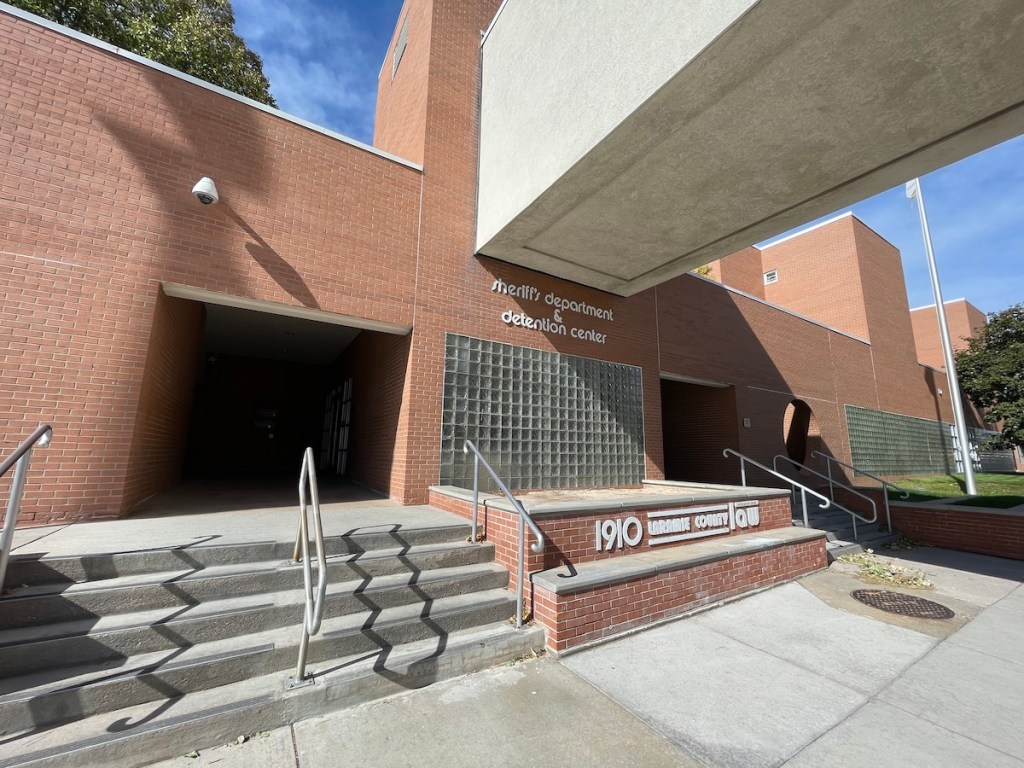
The Legislature will be considering a bill, requested by the Wyoming Attorney General, that could conflict with sheriffs’ concerns. House Bill 52, “State’s right of appeal in criminal cases,” would give the state’s prosecutors a chance to appeal a judge’s ruling that a person isn’t mentally competent, among other rulings. Skeptics of that measure have warned lawmakers that if passed it could leave mentally ill people waiting in the state’s jails even longer as their cases go out on appeal.
Bakken and Laramie County Sheriff Brian Kozak, who is working with the health department on the telepsych program, offered the same message as Kopp. It’s not about punishing the health department, they said. It’s about spurring change.
“Number one, give the people at the state hospital the resources they need to do their jobs properly,” Kozak said. “And then secondly, reimburse the county jails for us really having to do something that is their responsibility.”

I thought they have a place in Cheyenne?
It’s very nice to see Andrew Graham back in the WyoFile newsroom. Andrew is an outstanding investigative journalist and excellent writer. Wyoming benefits from his top-drawer reporting. Robert Waggener, Laramie
I think wyofile is biased, not unbiased.
Most people sent to the state hospital for a evaluation before the court (felony district court) are found to be of sound mind and body and able to be held accountable for the criminal action that is fantastic enough to get a evaluation and a felony charge.
Bottom line, the criminal justice system is consistently over and under corrective putting petty thugs in debtors prison for years and years of programs that generate revenue and a slap on the wrist for sociopathic predator offenders who will never change except to get worse in time. Until a probe has been done from the bottom up to weed out all the frauds in the government none of it is valid. Government accountability is here and has been here for a while and reform is ready to take the bull by the horns and move forward with a solution focused attitude to the issues you discussed.
Balance is being restored ⚖️
Debtor’s prison? What year do you think this is?