

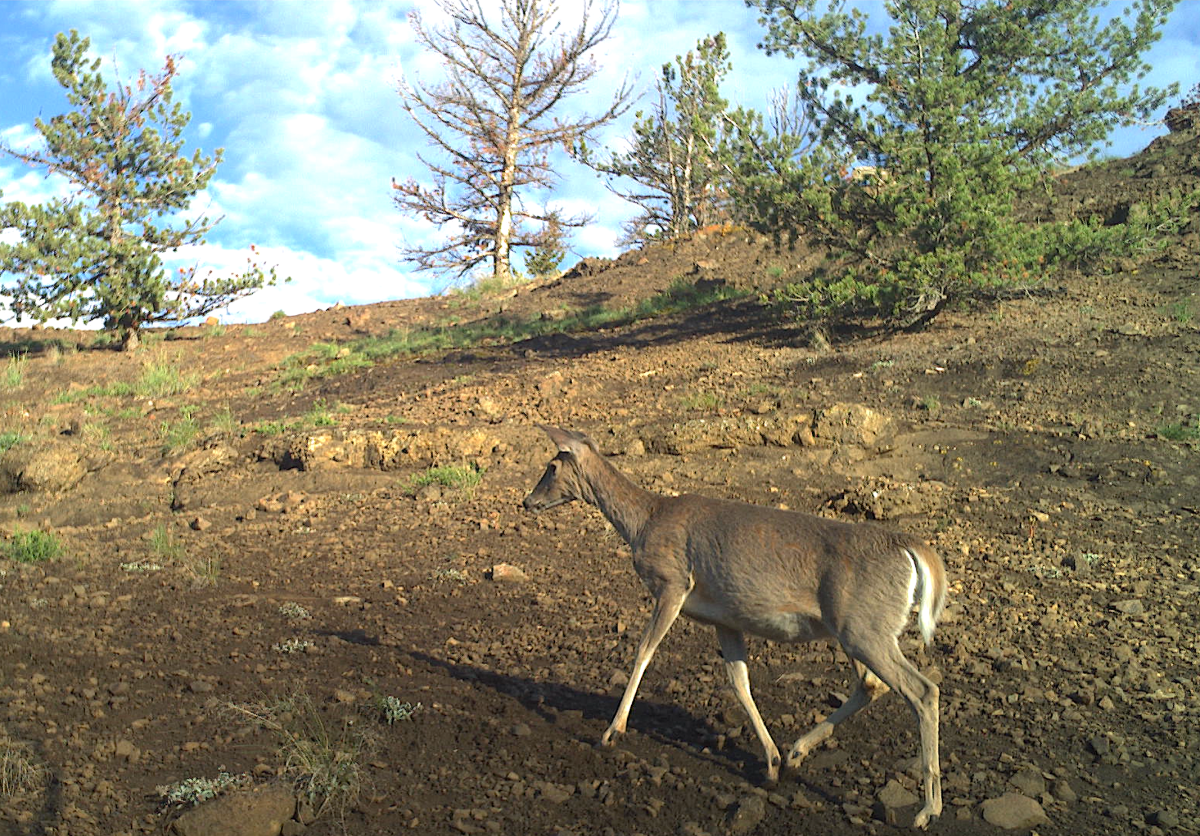
A state biologist who maintains a network of remote trail cameras along known ungulate migration routes in the Absaroka Mountains has been detecting a new cervid species that isn’t exactly known for making long-distance seasonal journeys.
It’s the whitetail deer.
Images of whitetail have been collected well into the Washakie Wilderness backcountry, a ways from the nearest trailhead in the South Fork of the Shoshone River drainage. One of the cameras is even trained on an open ridge around 8,000 feet in elevation, where seeing a whitetail is especially perplexing.
“These are on what we would consider true migration routes for mule deer and elk,” said Tony Mong, a Cody-based wildlife biologist for the Wyoming Game and Fish Department. “It’s the migration route that mule deer use to get into the Thorofare backcountry — it’s that route.”
Detections include adult whitetail, but also a spotted fawn — a sighting that infers reproduction in higher-elevation areas where the species hasn’t historically occurred.
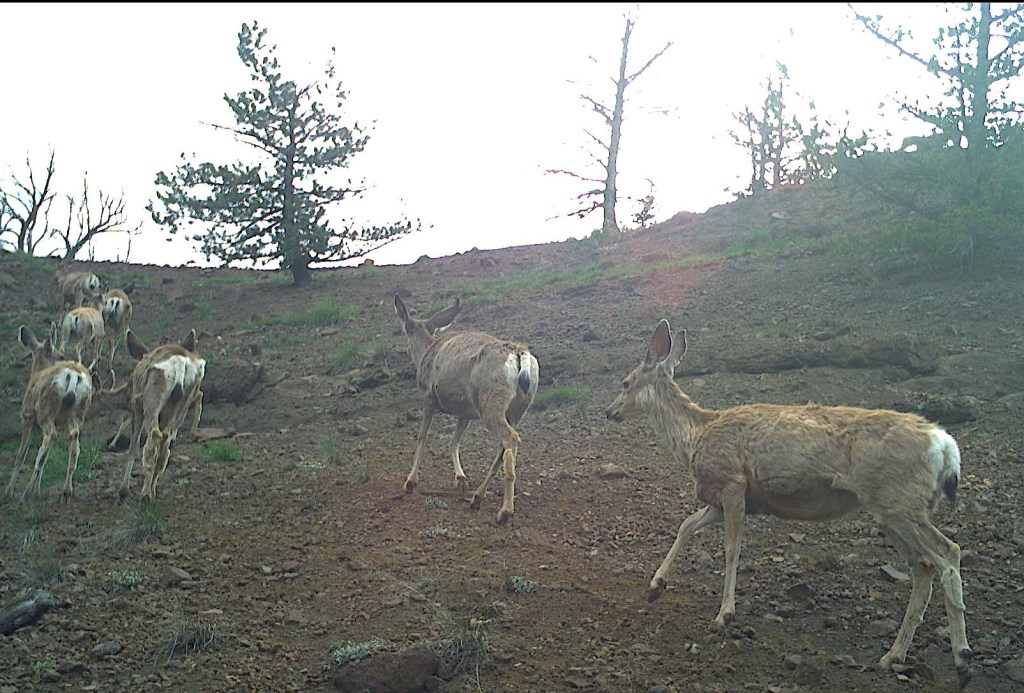
Mong didn’t pick up any whitetail the first five years he maintained a trail camera network along the migration paths leading toward Yellowstone National Park and the Thorofare region. But in 2023, they began appearing — during both the spring and fall migration seasons. The biologist emphasized that the detections have been sporadic and a tiny fraction of the overall number of animals using the routes. Nevertheless, he called their appearance “interesting and concerning.”
“If we see it continue or see those numbers start to increase, it’s something that I would be concerned about,” Mong said. “But it’s kind of a weird anomaly right now.”
The “interesting” element, he said, is how whitetail learned to do it. Migration in cervids like mule deer is a learned behavior passed from one generation to the next.
Whitetail deer, in general, have been fanning out into the Bighorn Basin and other mountainous reaches of western Wyoming concurrent with a long-term decline in mule deer. While the species is considered native to parts of the state, like the whitetail-thick Black Hills, that’s not necessarily the case along the Yellowstone ecosystem’s eastern front.
“There are documents from Wyoming Game and Fish talking about moving whitetails into this portion of the state in the late ‘30s and into the ‘40s and ‘50s,” Mong said. “They were trying to create more hunting opportunities for guys when they were coming back from [World War II], because they’d have a big influx of hunters.”
That history shapes how Mong sees and manages whitetail deer. Hunting seasons have been established to knock back the weedy newcomers.
“I don’t hold [whitetail] in the same arena as mule deer here in the Yellowstone ecosystem,” Mong said. “We have very liberal doe harvest on whitetails within both the Upper Shoshone and the Clarks Fork herds — our main migratory Yellowstone mule deer herds.”
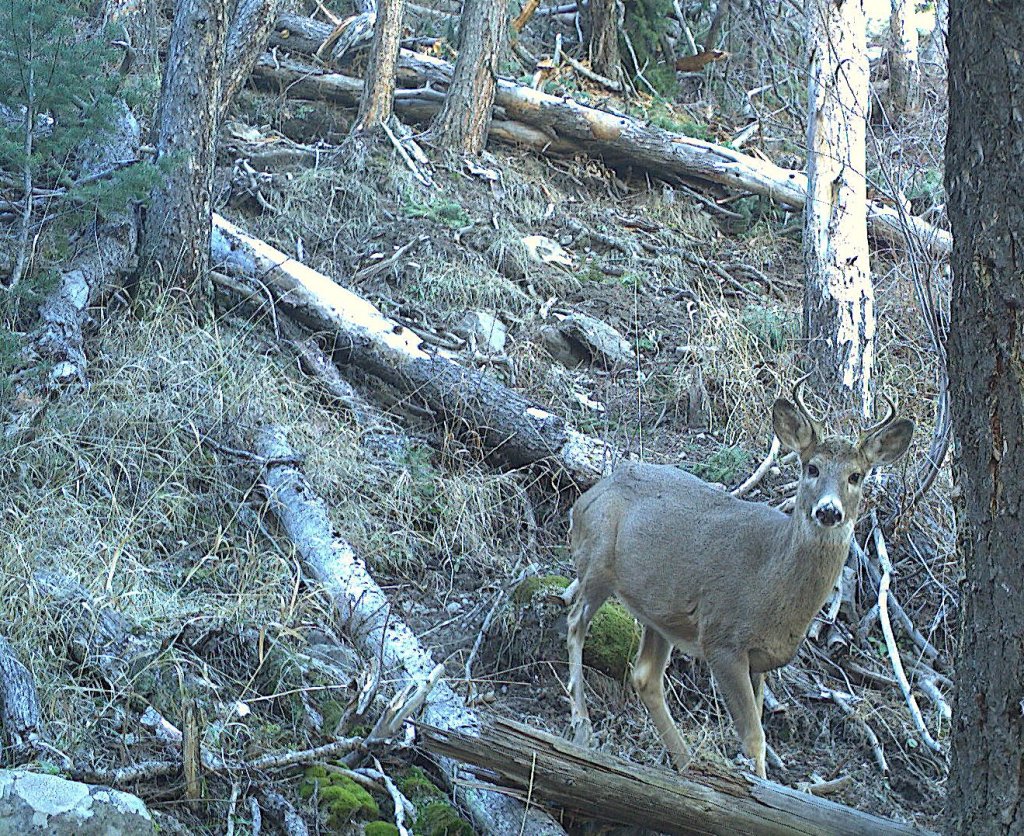
Wyoming biologists have also documented whitetail deer expanding into other high-elevation nooks of the Bighorn Basin.
“They’re heading into the mountains almost everywhere you could think of,” said Corey Class, the wildlife management coordinator for Game and Fish’s Cody Region. “It’s pretty impressive, really.”
As an example, Class cited Spruce Meadows, which is at almost 8,500 feet in elevation in the Ishawooa Creek drainage. Whitetails have also been seen near the top of Sunlight Basin, another Absaroka Range feature north of Cody.

Even in the higher-elevation mountains, whitetails still tend to be confined to creek bottoms and other riparian zones — the habitats where they’re typically found along valley floors.
Although migratory whitetail that head into the Absarokas is a newer phenomenon for state biologists, it’s a behavior that the species is capable of. Minnesota whitetails sometimes travel long distances to “winter yards,” Class said. Research in the Superior National Forest has detected seasonal migrations of nearly 25 miles.
A GPS-collared whitetail deer in Missouri was also once documented making a nearly 200-mile journey that crossed major rivers and interstate highways.
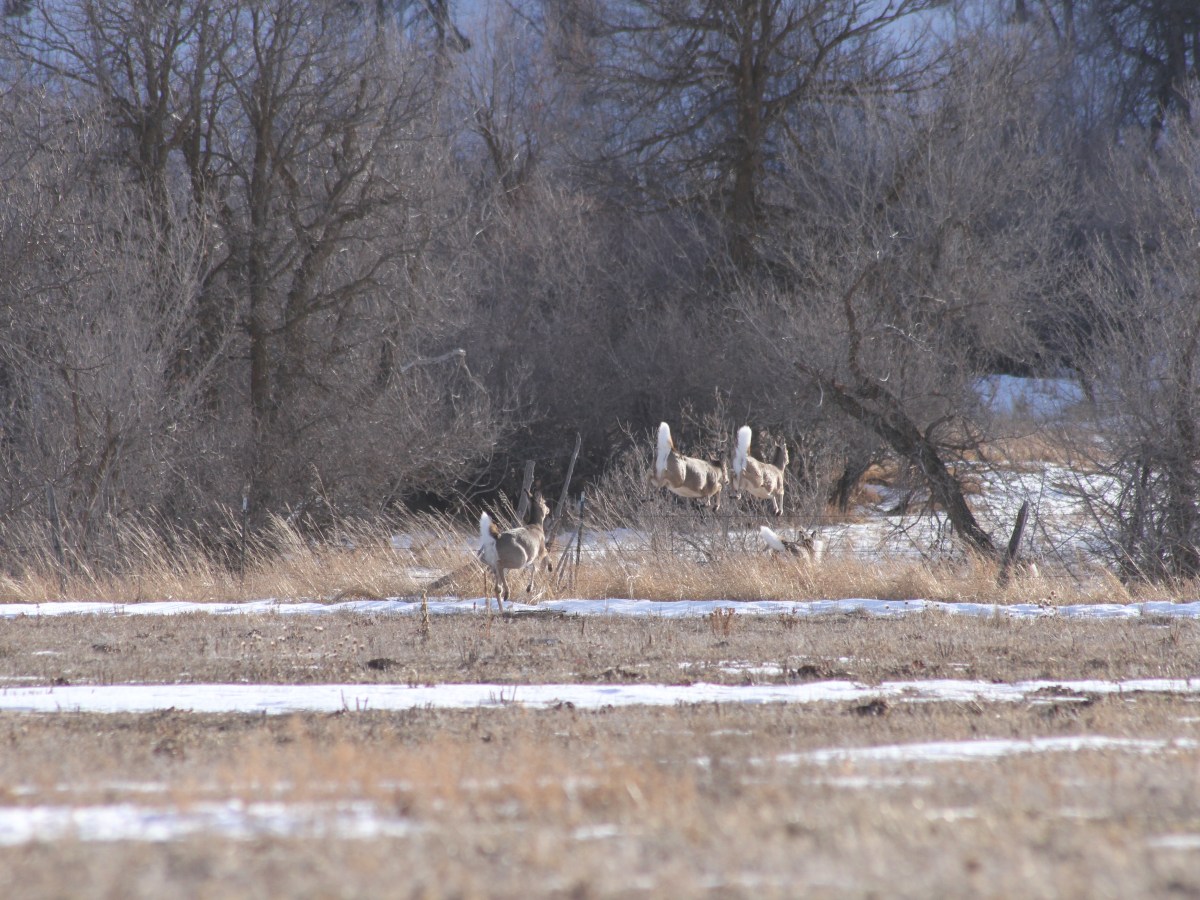
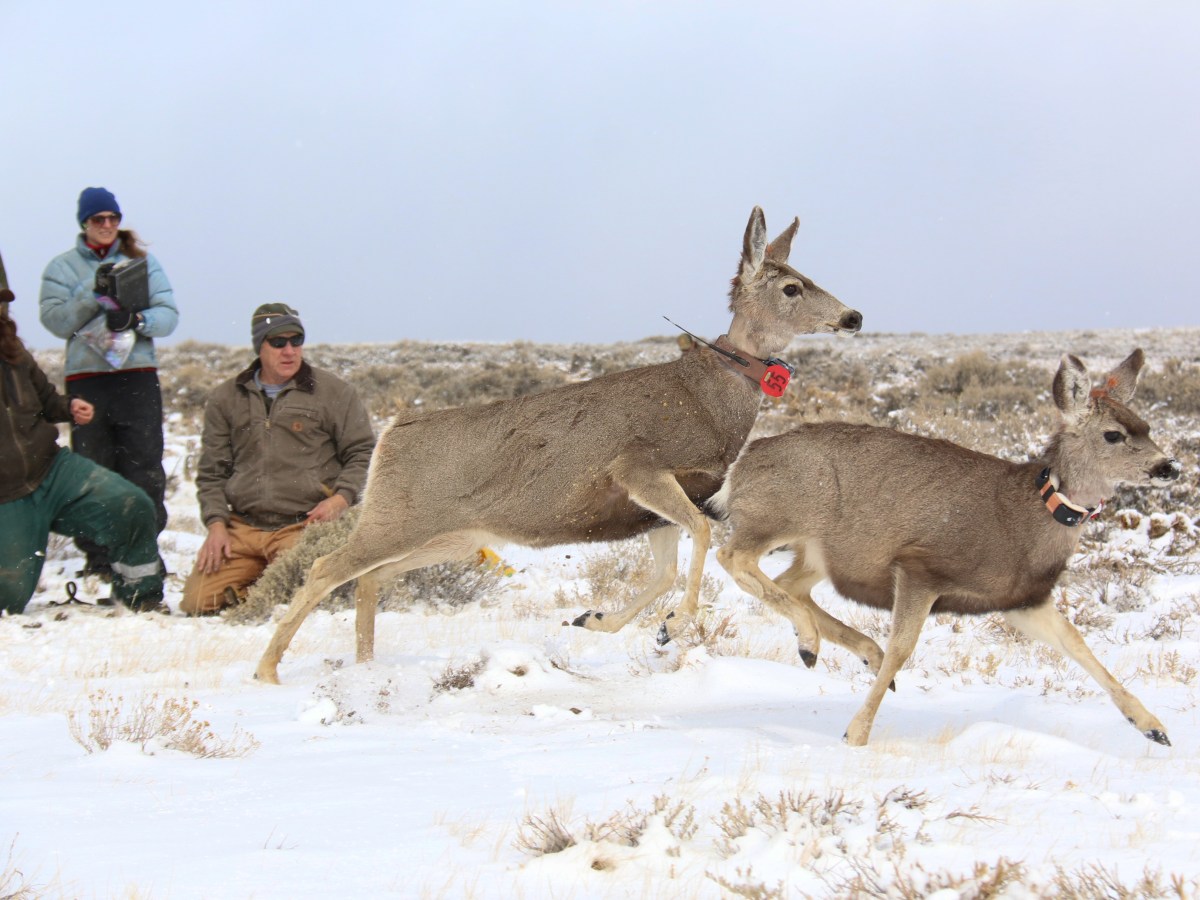
Mong has plenty of curiosity to learn more about what’s going on with whitetails that migrate into the Absarokas: “As a biologist,” he said, “it makes my head spin and want to try to figure it out.”
But the task of learning more would be “difficult,” Mong added.
There are just a few migratory animals they’re aware of, and the known points they pass by are well into the wilderness.


When the Whitetail arrive mule deer days are numbered
If this continues…I remember the severe winter in 2022-2023 and didn’t the mule deer population drop by almost 20,000? I be curious to know if whitetail deer are filling in the gap caused by the death of the mule deer? However the bigger questions are how did they learn about the migratory paths and why?