

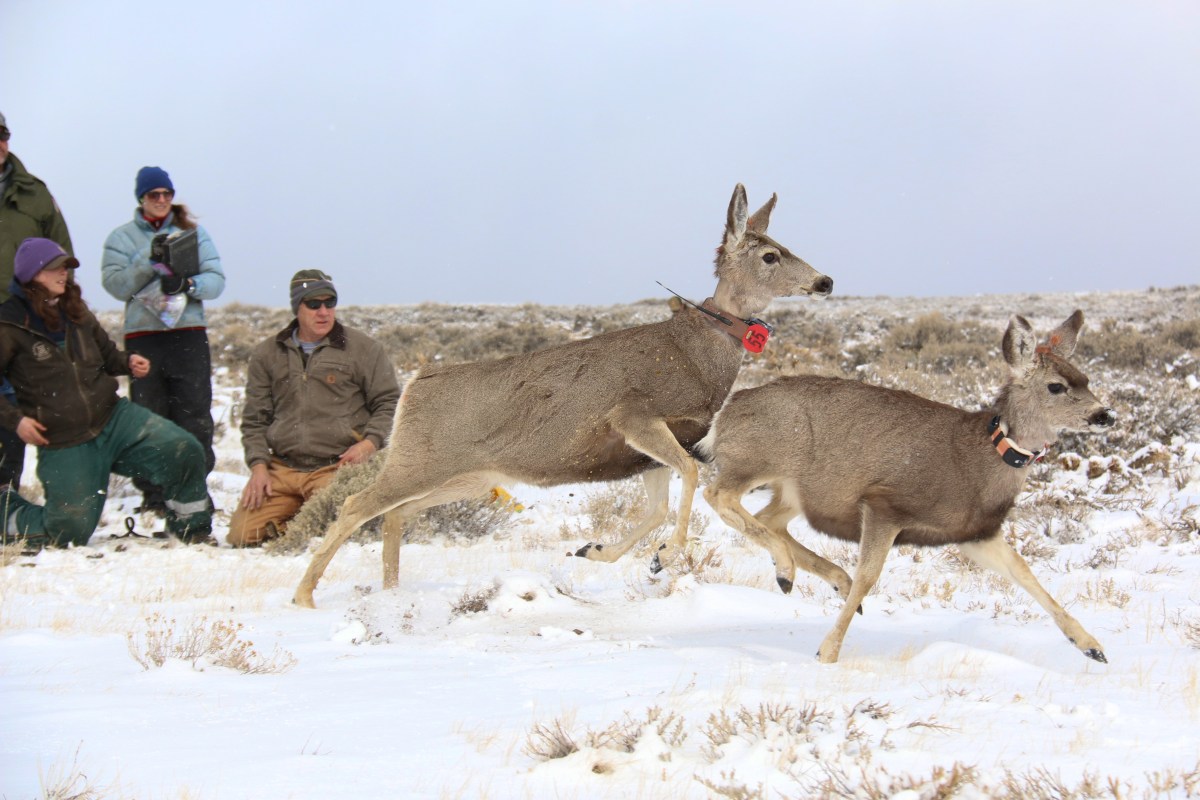
One early summer day in 2018, in the southern end of the Wyoming Range, a mule deer doe told her 1-year-old fawn to scram.
The young one did. But she didn’t linger around the mountain meadows where she had been born, like other yearlings kicked to the metaphorical curb by their birthing mothers. Perhaps out of a wandering spirit, or teenage petulance, F210, as she is known, went out on her own.
Far out.
In fact, she spent a month making a 120-mile trek out and back over mountains and through foothills in country she’d never seen. Maybe she was one of those deer paving a new migratory route, researchers thought. Or she was looking for somewhere better than where her mother and grandmother and great-grandmother trekked.
Or maybe she was just in a mood.
Because by mid-summer, F210 returned to her natal summer range and then in the fall walked diligently back along her mother’s migratory route to their winter range. She then spent the rest of her life making the same migration as her mom, back and forth, back and forth, never to return to that early foray.
F210’s story joins the catalogue of narratives built by a decade of mule deer collar information in the Wyoming Range. And through millions of data points covering hundreds of deer’s lives, former University of Wyoming researcher Rhiannon Jakopak was able to uncover some truths: More than 60% of mule deer really do learn their migratory paths from their mothers.
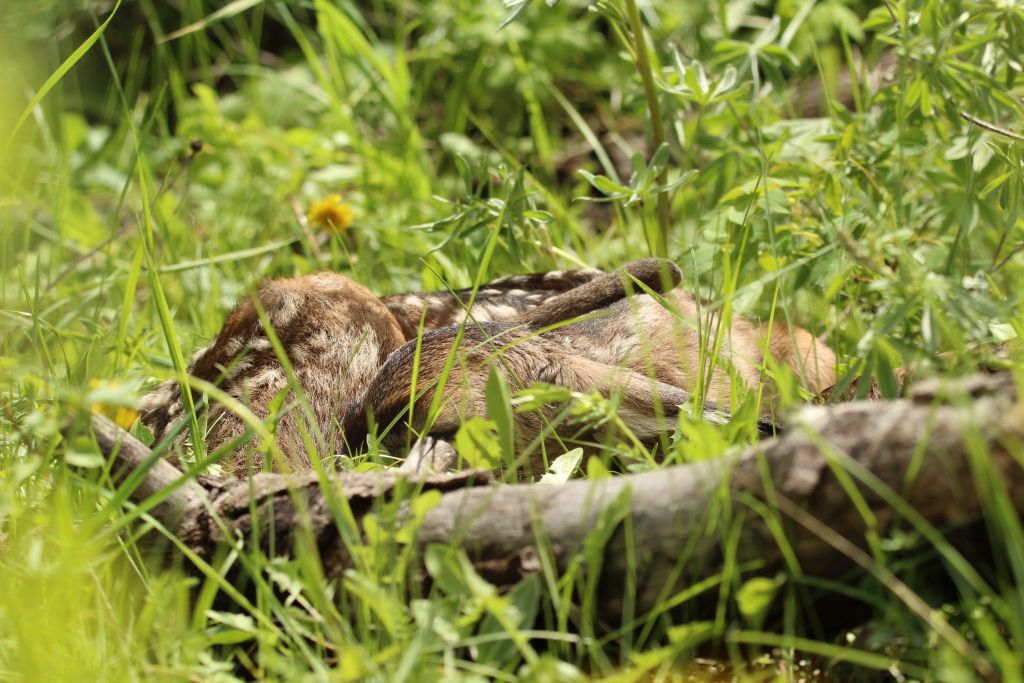
Researchers have, for many years, believed that to be true. But it took a massive dataset following the same deer and their fawns year after year to prove the point, which also includes a caveat: Some deer don’t do what their moms tell them.
The information, which was published earlier this month in the journal Current Biology, gives both a warning and a shred of hope for struggling mule deer numbers, said Kevin Monteith, the University of Wyoming professor who helped start the Wyoming Range project.
Deer follow their mothers’ paths because they provide the best blueprint for survival. Lose established migratory routes, and we lose the backbone of large mule deer herds, he said. But some deer will forge on their own, and while researchers have yet to determine the success of those wayfinders, the explorers offer some promise that herds can eventually rebuild.
A decade of data
UW researchers, along with Wyoming Game and Fish biologists, and U.S. Forest Service and Bureau of Land Management experts, began in 2013 placing collars on mule deer in the Wyoming Range as part of a larger project to understand mule deer numbers and their continued decline. The Wyoming Range herd historically numbered as high as 50,000, but the herd for years had languished at around 30,000 before the bad winter of 2022-23 plummeted the population to just over 13,000.
Biologists, managers, hunters and outfitters blamed everything from diseases and habitat issues to harsh winters and predators. Without concrete evidence gained from years of collaring fawns and their mothers, then following up on each death, no one could really know for sure.
So the Monteith shop began collecting that data. And it was no easy feat, Jakopak said.

Dozens of collars went out in 2015, only for the bad winter of 2017 to hit, killing most of the fawns in the study. The same scenario happened again in 2019 and again in 2023 when many of the deer in the study cohort keeled over.
“There were so many mother-daughter pairs to start out with in the summer and by the fall only a handful were left,” Jakopak said. “And they still had to make it through the winter.”
But after a decade, researchers ended up being able to follow 16 deer and their offspring over the course of their lives. From that data, Jakopak found 11 deer adopted their moms’ routes, including some fawns who gave birth to their own offspring within yards of where they were born. But five did not follow their moms, which was maybe even more of a surprise to Jakopak.
“We speak with such certainties with deer,” she said. “But if we’re so certain about something, we don’t leave the potential to discover what is unexpected but true.”
Hope in the wanderers
This story isn’t just about interesting mule deer family dynamics, though. The data could help biologists and land managers find a piece of the solution to declining mule deer numbers, Monteith said.
Because now researchers know the importance of inheriting a mother’s path. Unlike elk, who will often change migratory routes based on bad weather, a new housing development, a road or an impenetrable fence, mule deer stay faithful. That faithfulness is likely a product of what the migration corridor offers, including the best access to nutritious groceries, good stopover points and an avoidance of possible threats. Once deer find those paths, they stick to them, reproducing, introducing their fawns to the routes, and passing along the secret to longevity.
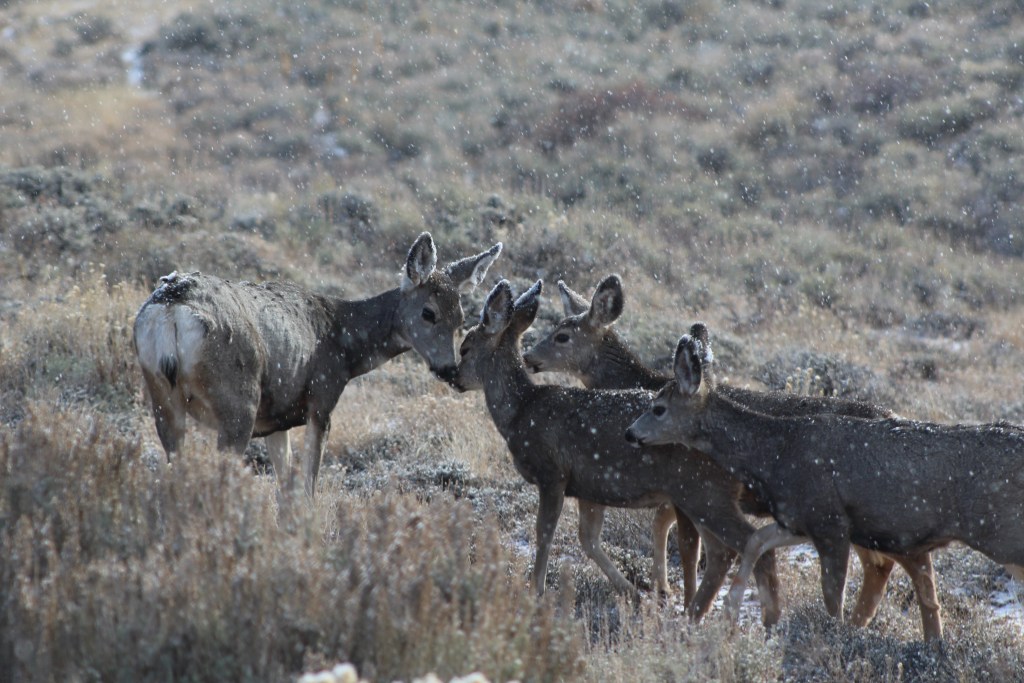
If we fragment established migration routes with a subdivision, energy field, highway or tall fence, they could lose that knowledge.
The potential bright spot comes in the form of deer who don’t follow mom and instead wander off on their own, said Jill Randall, Game and Fish’s big game migration coordinator.
If those deer find suitable alternatives, it is possible for herds to rebuild using new, less broken routes.
“Our climate is changing, and our landscapes are changing,” Randall said. “Maybe a fact that a number of individuals in the population show that diversity and variety prove some adaptability on a population level.”
But that also means managers must look more broadly at landscapes and consider how to conserve larger swaths than just the linear migration route. Because if we want to build back our herds, Monteith said, land managers must first protect the routes that exist for deer like F210, then also consider the bigger picture.

Thank you for this well researched, well written article. Another piece of evidence showing the importance of unimpeded migration routes. They are far more important to the recovery and maintenance of deer herds than killing a few more lions.