
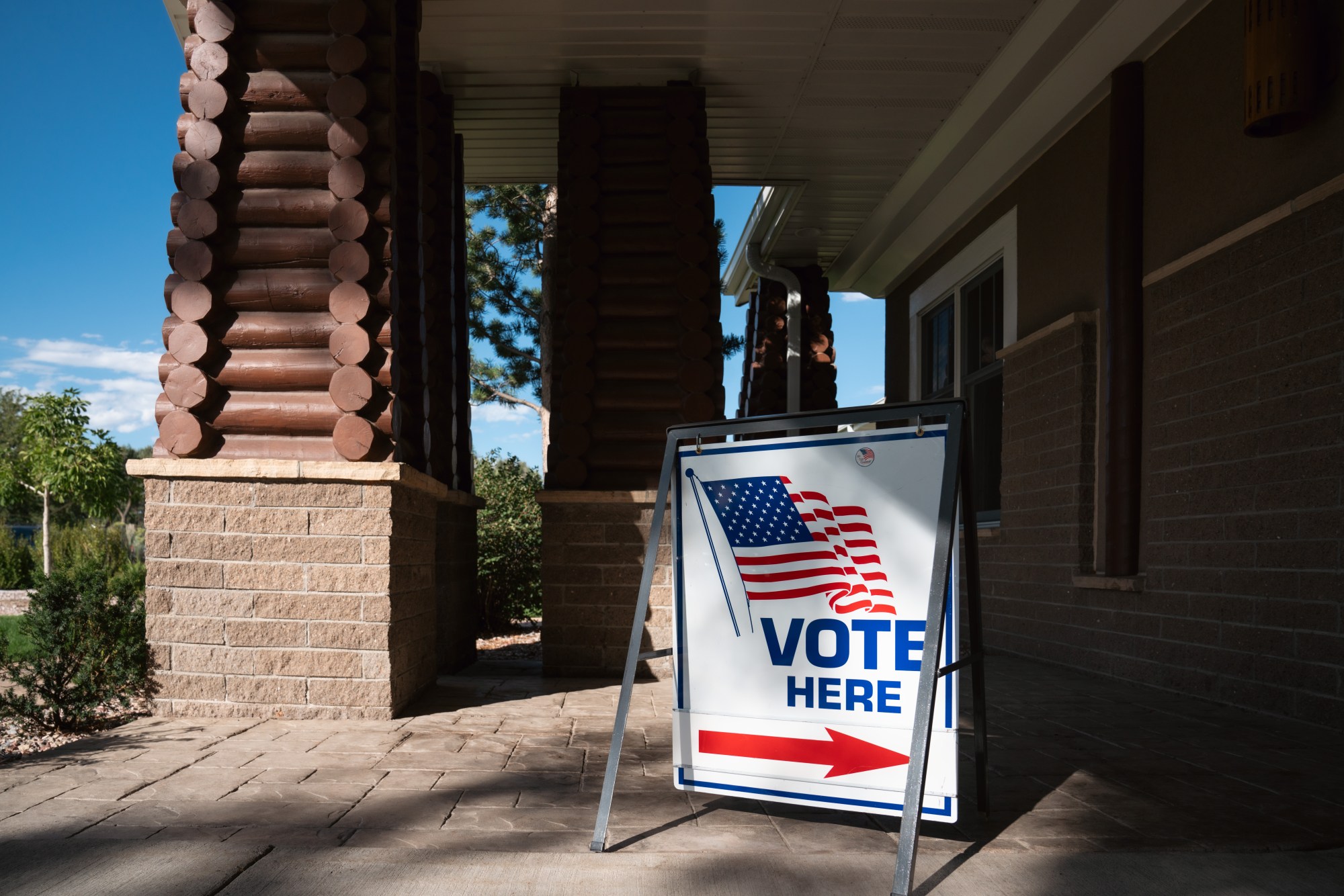

The 2026 race to be Wyoming’s next governor has given way to a crowded field with five candidates having so far announced. Distinctions between the three Republicans, one Democrat and one unaffiliated contender are starting to materialize, including how each sees recent decisions by state lawmakers.
Earlier this month, the primary budgeting arm of the Wyoming Legislature finished drafting a proposed budget bill, but not without controversy.
Tensions ran high throughout the process as a majority of the committee successfully pushed for drastic budget cuts. Those included defunding and dismantling the Wyoming Business Council, halting state dollars from funding Wyoming Public Media, stripping tens of millions from the state’s health department, axing $40 million from the University of Wyoming’s block grant, and rejecting another $21 million in the school’s funding requests.
Following public backlash, one of the committee’s decisions — a $58 million cut to tribal health services — was walked back and characterized by those who proposed the reduction as an accounting maneuver.
What’s behind the downsizing? It’s not a financial deficit. Lawmakers on the panel also clashed over how to properly stash $250 million in excess revenue. Instead, the driving force is a desire by a newly empowered group of Republicans, known as the Wyoming Freedom Caucus, to reshape state government.
Since at least last spring, the caucus has told voters to anticipate cuts, but has been sparse on details. Those became much clearer through the budget drafting process.
Here’s where the five candidates running for governor in 2026 stand on some of the cuts.
Eric Barlow
Sen. Eric Barlow, a Gillette Republican, announced his bid in August. Before voters elected him to the House in 2013, Barlow served as a U.S. Marine and worked as a large-animal veterinarian and a yak rancher. He previously served as speaker of the House.
“The short answer is, not like this,” Barlow told WyoFile in a statement when asked whether he supported or opposed the proposed dismantling and defunding of the Wyoming Business Council.
The longer answer, Barlow said, “is that unilateral dismantling by [the Joint Appropriations Committee] is short-sighted and leaves us with a forced process for other state agencies to take on duties which they haven’t planned or budgeted for.”
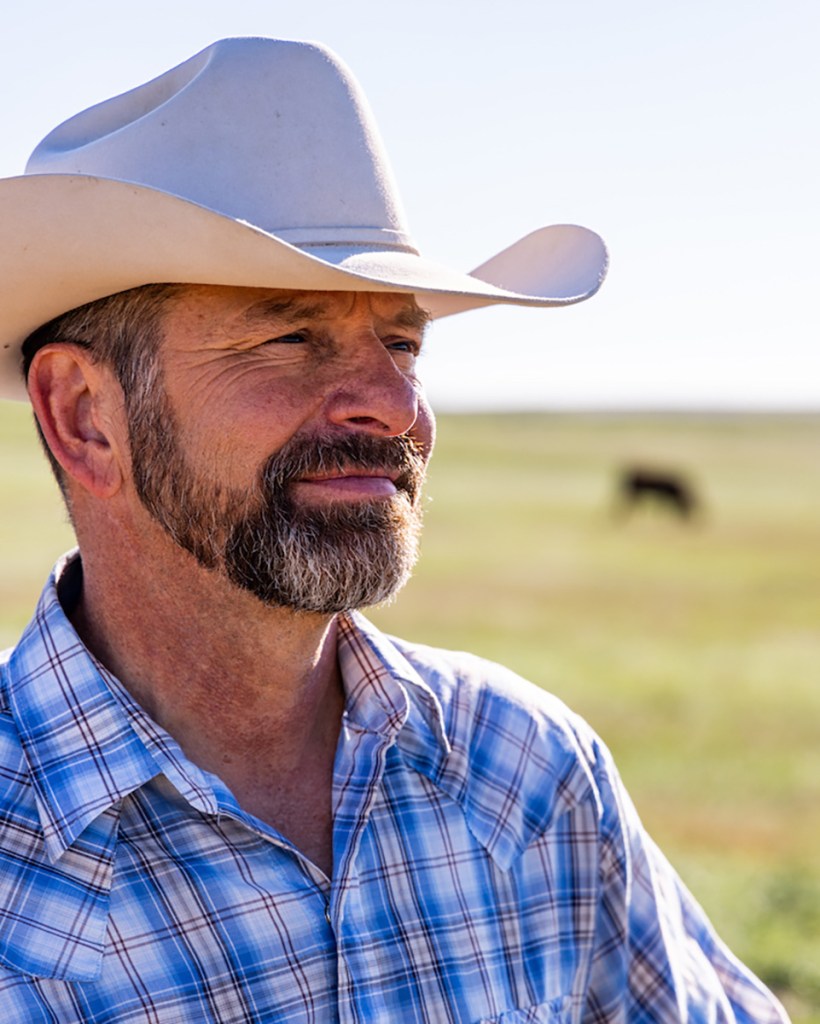
“The Wyoming answer is that you don’t gut-shoot a deer and then expect it to jump in the back of your truck,” he said.
Since he announced in August, Barlow said he’s “met with people in all 23 counties and their consistent concerns have circled around youth retention, jobs, infrastructure and process.”
He pointed to a recent visit to the Big Horn Basin.
“As I told the folks in Shell, if the Legislature is going to make big decisions, the citizens of Wyoming need to be involved in that conversation,” Barlow said. “I don’t have a problem with making changes, but let’s make sure the stakeholders are at the table and understand the consequences.”
Asked what he thinks of the various cuts the committee voted to make to the University of Wyoming, Barlow said, “you don’t build a backbone by starving the next generation and call it fiscal discipline.”
The cuts “aren’t creating the Wyoming where our kids will choose to live,” Barlow said.
“Stable funding is essential to develop and continue to train Wyoming workers through foundational programs and partnerships with industry,” he said. “Whether that’s teachers, elders, nurses or engineers, they begin their education in Wyoming and they continue their learning throughout their careers.”
While “taking a look at UW spending makes sense,” Barlow said, “stakeholders need to be at the table during the process, so everyone understands the tradeoffs.”
“You can’t call investment in community colleges or UW a waste unless you’ve already given up on the future of the state,” he said.
Megan Degenfelder
Wyoming Superintendent of Public Instruction Megan Degenfelder announced her bid for governor after President Donald Trump endorsed her on Jan. 9
Born and raised in Casper, Degenfelder has a background in oil and gas and previously worked for U.S. Sen Cynthia Lummis and former schools leader Jillian Balow.
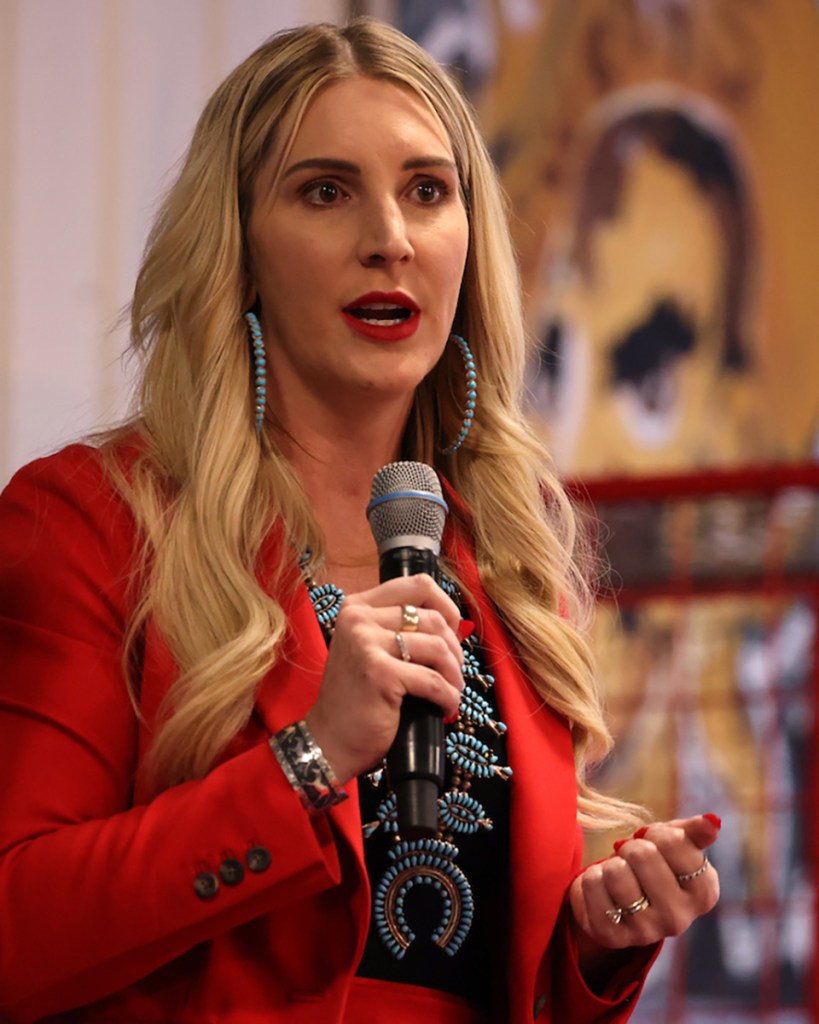
“I support that the Joint Appropriations Committee is trying to get people’s attention,” Degenfelder told WyoFile at a recent campaign event when asked about the cuts to UW. “They are trying to make sure that people know what government is funding, and really to have that conversation about it.”
“Now, do I think that the $40 million cut to the University of Wyoming is the right move right now? No,” she said. “I think we can find where that sweet spot is.”
Degenfelder said she’d been in recent discussions with the committee as well as UW President Ed Seidel, “just this morning, of where it makes sense.”
“I’m a graduate of UW, I want the best for the University of Wyoming,” she said. “That doesn’t mean that we just allow runaway spending, though, and that’s where I think this check on what we’re spending is appropriate, and that’s a good conversation to have.”
Asked about the potential dismantling of the Wyoming Business Council, Degenfelder said the state’s tax structure is at odds with the agency.
“The Wyoming Business Council has been set up for failure. It’s very difficult for them to be successful,” she said.
“I have a vision for what Wyoming energy strategy should look like, and how economic development actually helps to support those businesses and industry. That’s where I think we need to kind of [be on the] right side of where economic development exists,” she said. “Economic development has a place in Wyoming. When we talk about economic diversification, it’s incredibly difficult to do.”
Gabriel Green
Sheridan’s Gabriel Green is so far the only Democratic candidate to enter the race. He did so earlier this month, according to The Sheridan Press.
Green calls himself a “DINO,” or a Democrat in name only, explaining in a press release that he does not identify with either party and would prefer to run as an independent. However, he said, the “corrupt and broken system given to us by our elites makes it practically impossible, especially for a working person.”
Born and raised in Casper, Green now lives in Sheridan. He previously worked for State Policy Network, a conservative think tank, and briefly as a consultant for Wyoming nonprofits. He currently works at The Pony Grill and Bar.
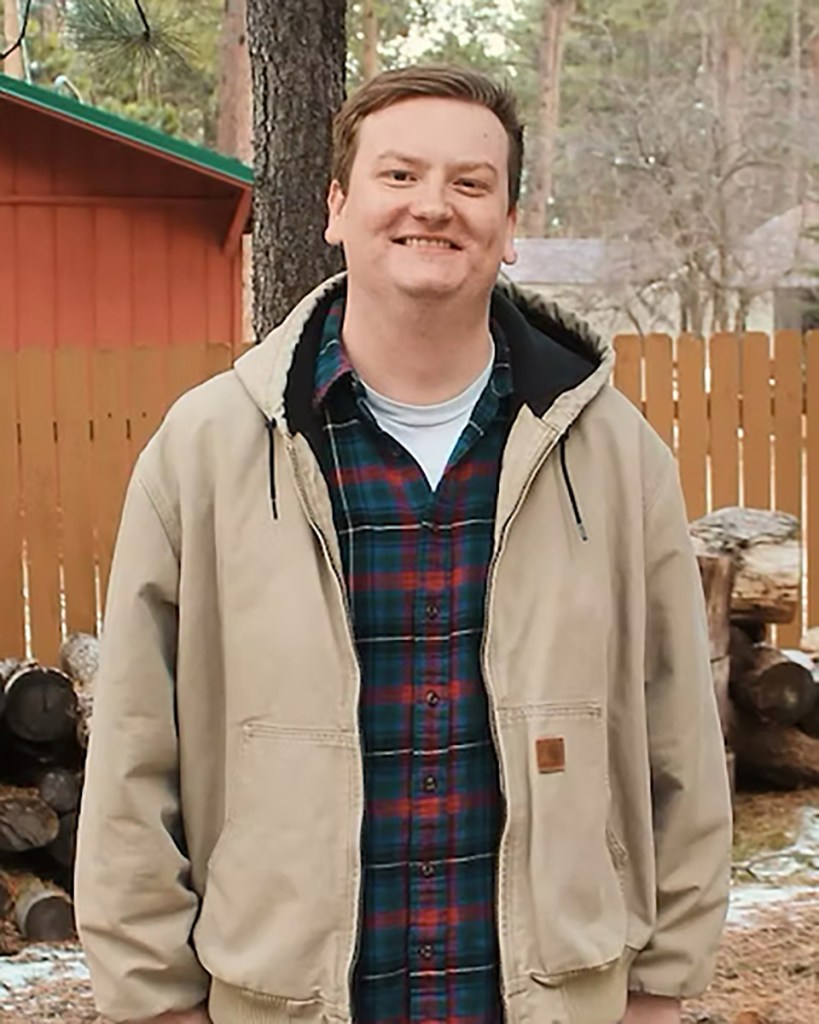
Green wrote WyoFile in a statement that while he generally likes “the rhetoric of our legislature when it comes to these cuts, the reality seems to be something very different from what they’re claiming.”
“They’re talking a really big game about how they’re saving money, increasing freedom, etc,” Green wrote. “But the folks I’ve talked to who actually understand these programs have made it clear that the cuts are poorly thought through, knee-jerk type responses, based more on scoring political points than actually helping Wyoming or the hard working people who make our great state.”
When it comes to how the state uses “economic development funds,” Green wrote he is very open to reform and has “a strong libertarian/free-market bias when it comes to government money being used to pick ‘winners and losers’ in the economy.”
Taking a deeper look at the proposal to dismantle the Wyoming Business Council, Green stated, “it’s worth looking at the fact that this is coming from non-traditional Republicans who have a different donor-base than traditional Wyoming Republicans. Sadly, it seems like cuts to these programs are more about undermining the supporters of a rival political faction than actually doing any good for Wyoming.”
Green said he would be “the first to admit that the Wyoming Business Council has problems and is prone to the corruption that is rampant in our state politics,” but “dismantling the whole thing is like throwing the baby out with the bathwater.”
Asked about the cuts to UW, Green said the school “commands a large portion of our budget with little to no oversight.”
“I applaud any efforts to dismantle their stranglehold, and to support the many fine community colleges and technical schools that serve the needs of many Wyomingites,” Green said. “It’s not that I’m against funding our premier institution; in fact my ideal world would see all education institutions receiving robust funding, along with parents and families receiving more resources to pursue their own best options in a robust marketplace. But, I readily admit that how UW has operated for years borders on blatant corruption and monopoly.”
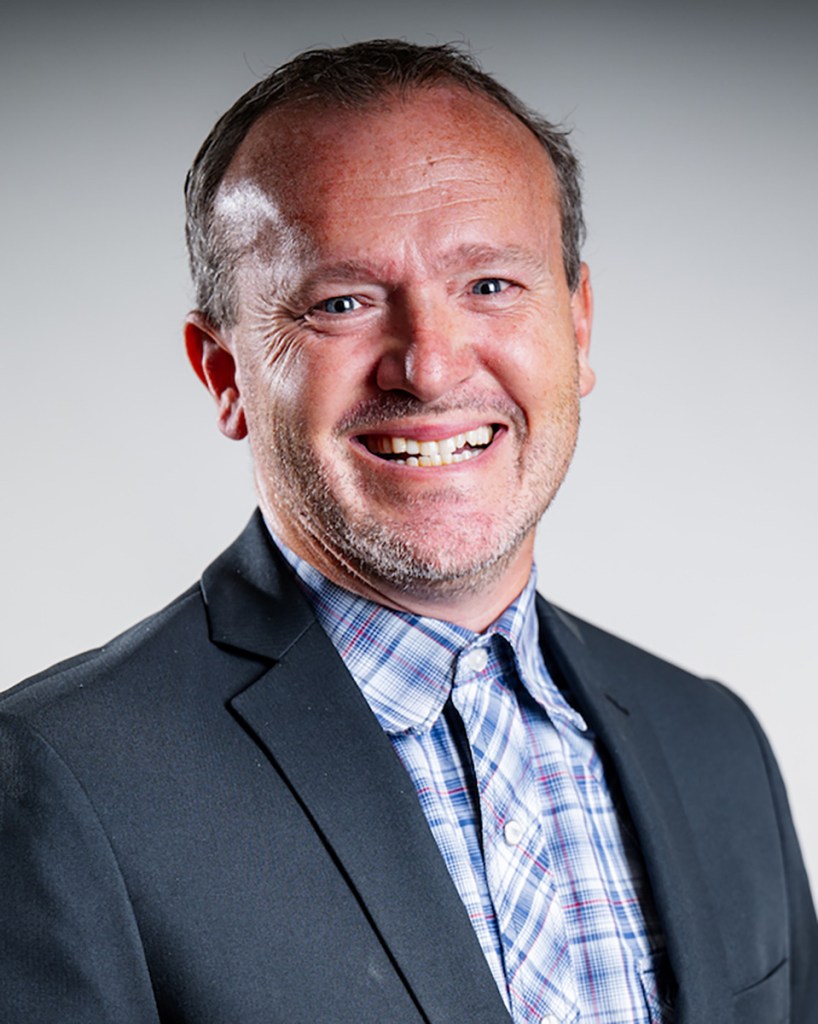
Joseph Kibler
When Joseph Kibler first announced his plans to run for governor in August, he did so as a Republican. He’s now running a write-in campaign as an unaffiliated candidate. Kibler describes himself as “a conservative with conviction and heart” on his website.
In 2020, Kibler and his family moved to Cheyenne from Southern California for “liberty and freedom,” the Wyoming Tribune Eagle reported. He now leads a website design and marketing agency and hosts his own podcast. Kibler previously worked as a firefighter, facilities manager and missions leader.
“I support the defunding of the Wyoming Business Council,” Kibler told WyoFile in a statement. “Wyoming taxpayers no longer want to subsidize success with dressed-up subsidies at the destruction of free market principles, and I agree with them.”
“I also support strong Wyoming businesses and local economies, but I do not believe the Wyoming Business Council, as it currently operates, is the best long-term solution for that mission,” Kibler said.
The Wyoming Business Council has failed at its original mission of job creation, Kibler said, “proving that it is just another really expensive institutional bureaucracy.”
“My only question is this — have we so destroyed the free market that we can no longer progress without institutional bureaucracies like the WBC? I hope not,” Kibler said. “Here’s an idea to wrap this up, privately fund the WBC, then they would have to be accountable to the results, that is the free market, and if they can’t prove results, they cease to exist.”
Kibler said he is also in favor of the UW budget cuts.
“Imagine for a moment that I have $1 billion sitting in my bank account. Then I go over to my neighbor’s house, knock on their door, and ask them to please pay my mortgage, maybe help me out with my electric bill and groceries,” Kibler said. “Imagine if I did that to you. This is what is going on with the University of Wyoming. Entitled, institutionalized bureaucracies are killing the taxpayers.”
Most people are “just trying to put food on the table,” Kibler said, while the “government is doling out millions to organizations that have become fat on tax dollars.”
Kibler also argued that the cost of higher education has increased at a rate that is higher than inflation and said “guaranteed taxpayer funding” is to blame.
“Once the state and federal government guaranteed money would flow to higher education — no matter the cost, no matter the outcome — the price tag is essentially blank every year,” Kibler said. “Schools no longer have to worry about what students could actually afford, because the funding is guaranteed.”
For education “to be affordable again,” Kibler said, “the solution isn’t more guaranteed taxpayer money — it’s restoring responsibility to the system so prices reflect value, not access to public funds.”
“That’s how opportunity stays real. That’s how families stay free. And that’s how we protect the future without passing the bill to the next generation,” Kibler said.
Update: After WyoFile’s deadline, Republican candidate Brent Bien responded to our interview request in a text message. They are included below. —Ed.
On the dismantling and defunding of the Wyoming Business Council:
“Government should not be involved in private sector business. The key to incentivizing and growing the private sector is to cut taxes, deregulate, prohibit ESG scoring, ensure a level playing field, and guarantee that the state will never shut down again as it did during COVID. Capitalism must be encouraged where the free market drives the show based on supply and demand and the individual is free to own, produce, and profit with minimal government interference. The taxpayer-funded WBC is an example of the heavy hand of government tipping the scales in whatever directions favors increasing state government revenue. However, even after receiving over $250 million in taxpayer money since FY19, Wyoming’s real GDP is 10% below the national GDP, inflation is 7% higher than the national average, and household income is 8% below the national average. So, what has the WBC really done to improve Wyoming business? Cutting the WBC budget from $94 million to $2 million is timely and long overdue and is an attempt by the legislature to rebalance the scale in favor of the free market.”
On cuts to the University of Wyoming:
The legislature’s $40 million cut to the University of Wyoming budget is less than 6% of the university’s total revenue intake. Keep in mind that the university has a billion-dollar endowment and receives monies from multiple state and federal funding streams on top of student tuition fees. Although student population has decreased by 12%, the university’s budget has increased by 40% under Governor Gordon without any marked increase in graduation rates; any private sector business with similar numbers would go out of business. Cuts are long overdue and not worthy of the drama they stoke. UW is a land grant institution and should return to its land grant roots focusing on those curricula that help students find jobs that align with their interests and best develop our state upon graduation.”
In both cases, Bien also wrote, “cuts are fiscally necessary.”
“With the impending loss of billions in COVID ARPA funds and ‘green’ energy subsidies, it is prudent to cut government spending on non-essential and ineffective government programs to ensure that Wyoming government is better postured to put the people first,” he said.

I read that Leslie Peterson from Wilson WY was running for Governor and what happened to her? I would like to hear more about. Thank you
Eric Barlow is the most reasonable candidate of this group running for Governor.
From reading the responses from each of the candidates, it appears that none of them have actually read the 2025 Annual Report of the Wyoming Business Council. The Business Council is a great example of government and private sector partnership! If, indeed, the candidates had read the report they would know that through the work of the council, Wyoming residents have benefitted from the creation of hundreds of jobs. Nearly $150 million of state funding by the council resulted in approximately $300 million of private funds invested in Wyoming business. I don’t know what better results the legislature and the residents of Wyoming could expect?
Eric Barlow is the only one of the five that talked about, and is wanting, citizen participation in the decision making process. That makes a lot more sense to me than having someone affiliated with the freedom caucus ramming unwanted policies down our throats. Unless something drastic changes that’s all that I need to know in making my decision on who I’m voting for.
So Degfeld wants more oil handouts and Barlow wants more ag handouts. Are there other differences?
This, my friends, is the problem with Wyoming. Most people don’t even know what they’re voting for. I remember when it was a big fuss that “Hollywood” wanted to come to Wyoming to film a TV series. No, we can’t have that. But, we can elect a Hollywood Reality TV star for president. Make it make sense.
The favoritism abounds. Brent Bien is a gubernatorial candidate as well. It would be nice if the state GOP and all the media would work within a level playing field.
It sounds like Brent Bien was contacted for the article. I would like to know where he stands.
The article reads: “Update: After WyoFile’s deadline, Republican candidate Brent Bien responded to our interview request in a text message. They are included below. —Ed.” And, indeed, they are.