

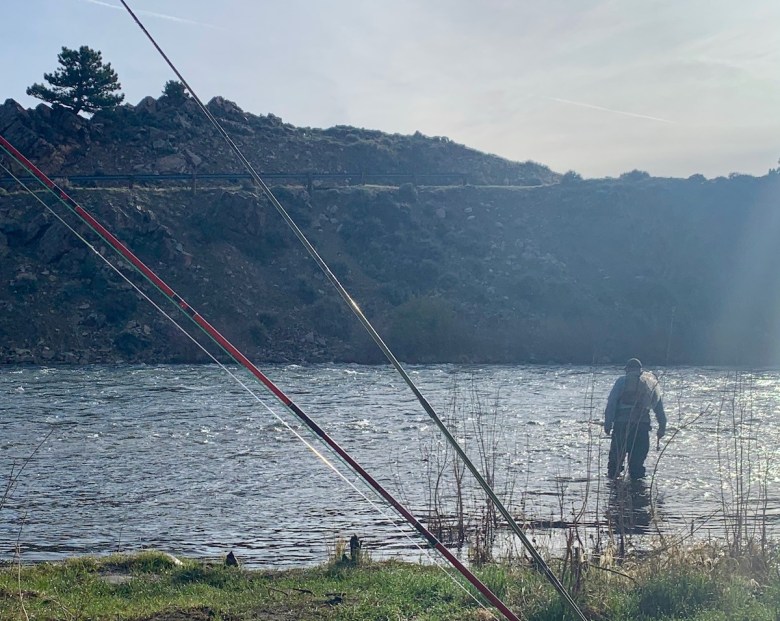
A hydroelectric project proposed near a stretch of the North Platte River in south-central Wyoming, which “really is like no other” according to one Wyoming angler and is said to be of “ecological, social and economic importance” by the state’s top environmental regulatory agency, is pending approval.
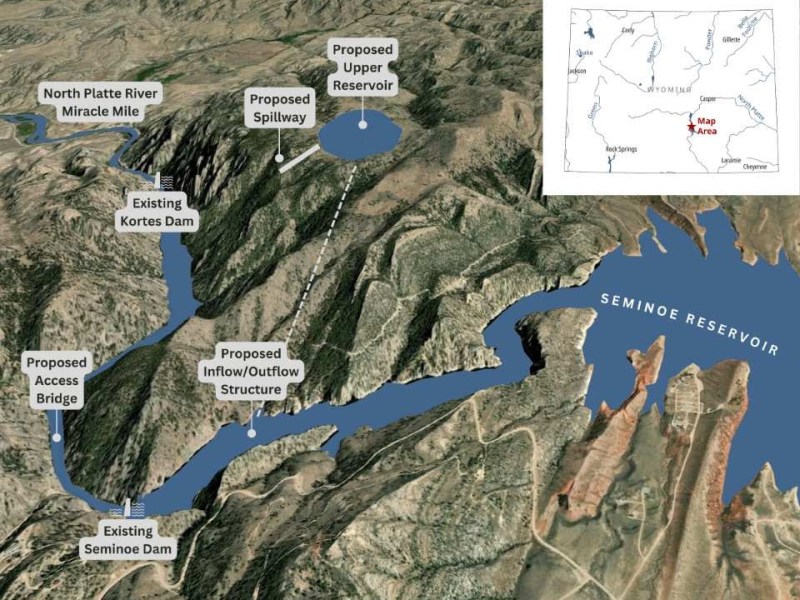
Previously referred to as Class 1, the Miracle Mile is a designated “outstanding resource water,” Wyoming Department of Environmental Quality officials noted recently. That distinction makes for an extremely high bar for Black Canyon Hydro, the company that wants to build a pumped-water-storage facility just upstream at Seminoe Reservoir. Critics worry the flushing of water will result in increased turbidity and water temperatures in what’s known as the Miracle Mile — major threats to the popular “blue ribbon” trout fishery.
“These waters receive the highest level of water quality protection, and no further degradation from human activity is allowed,” DEQ Water Quality Division Administrator Jennifer Zygmunt said during a live-streamed public comment hearing Wednesday.
The agency is weighing special conditions prescribed in Black Canyon’s application to DEQ for a “section 401” water quality certificate. Though the state agency can choose to deny the certificate, DEQ officials say they want to ensure that federal regulators enshrine the state’s special water quality parameters and triggers for “adaptive management” measures, according to Zygmunt.
“I want to emphasize that these thresholds and triggers are preventative and would kick in before there’s an exceedance of our water quality standards, not after,” Zygmunt said.
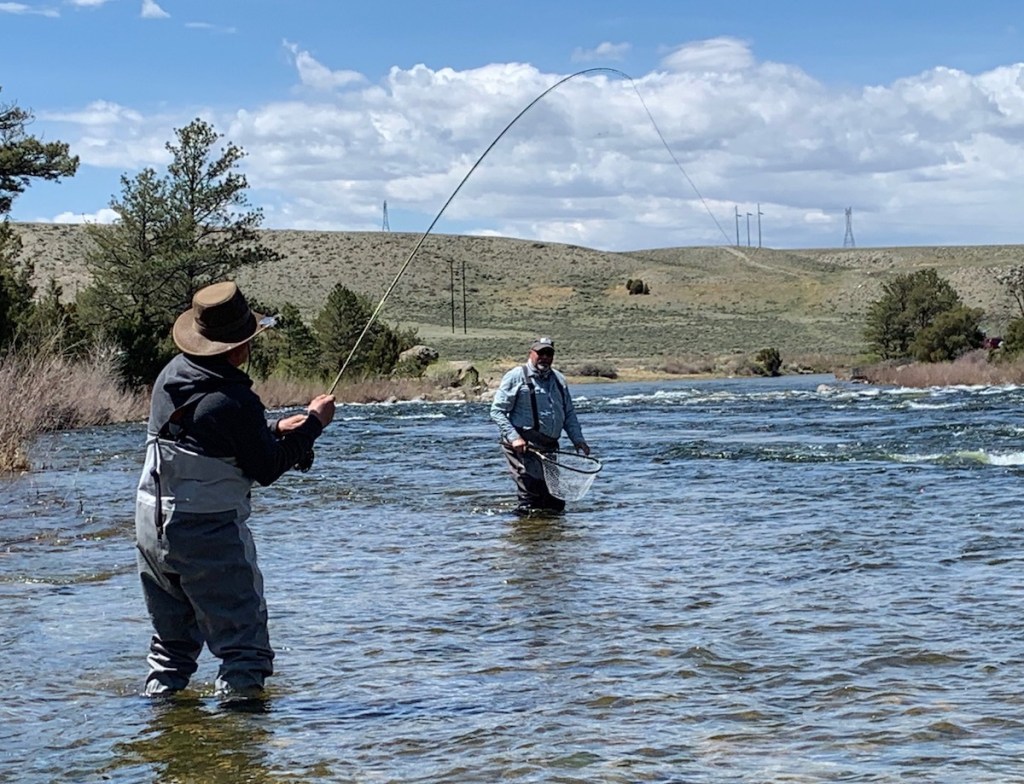
Still, some locals who cherish the Miracle Mile worry that water quality modeling intended to avoid degradation inherently cannot predict actual events.
“I just don’t think that there’s any mitigations that can be done, whether it’s in the adaptive management plan or otherwise, that can adequately reduce the risk of something bad happening,” Laramie resident Douglas Miller told DEQ officials. “I think that this project, as proposed, just presents an unacceptable risk to this one-of-a-kind resource.”
The agency will close public comment on Black Canyon’s application at 5 p.m. Monday.
The controversial project has generated criticism from national and local outdoor recreation groups, as well as opposition from the Casper City Council, joining Natrona and Carbon county officials. In addition to potential impacts to fisheries and aquatic life, critics say it threatens important elk, mule deer and sage grouse habitat, as well as a vital bighorn sheep herd.
For its part, Wyoming DEQ is limited to weighing only water quality implications via the section 401 certificate, according to agency officials. The Federal Energy Regulatory Commission is the primary permitting agency for the larger project.
Seminoe pumped water storage
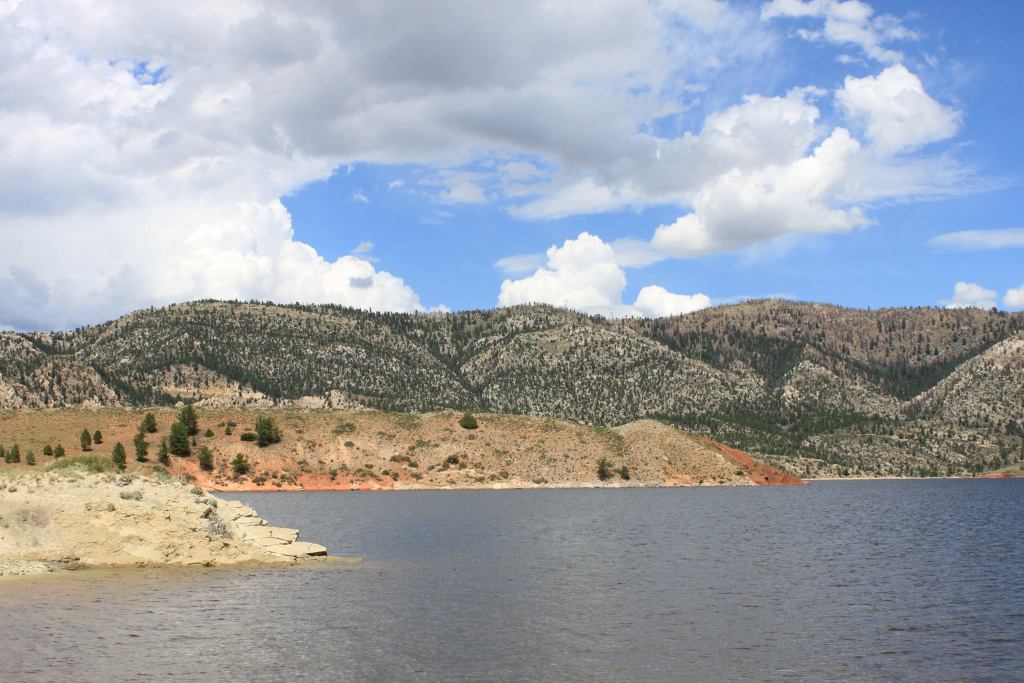
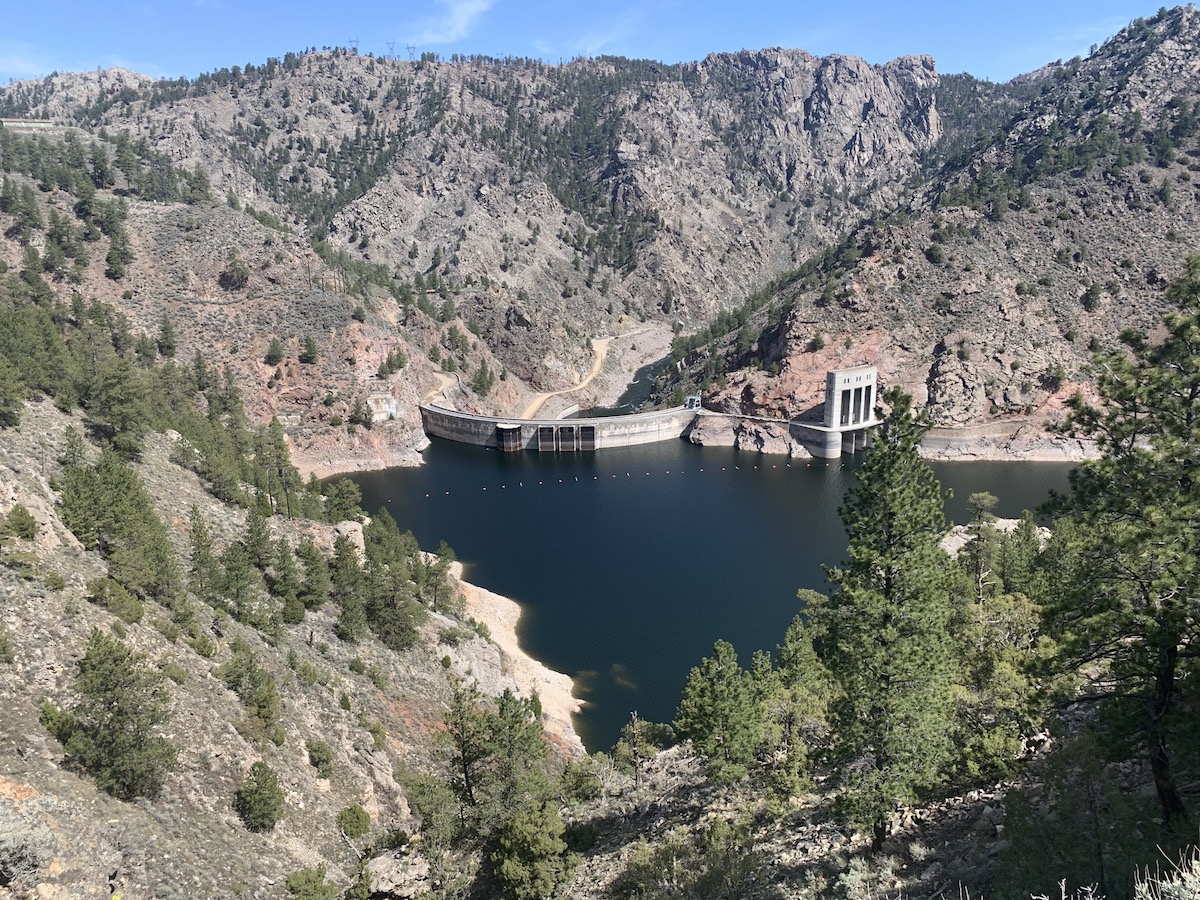
Black Canyon Hydro, a subsidiary of Utah-based rPlus Hydro, proposes building a 13,400-acre-foot reservoir in the Bennett Mountains overlooking Seminoe Reservoir near the dam — one of several reservoirs on the North Platte River.
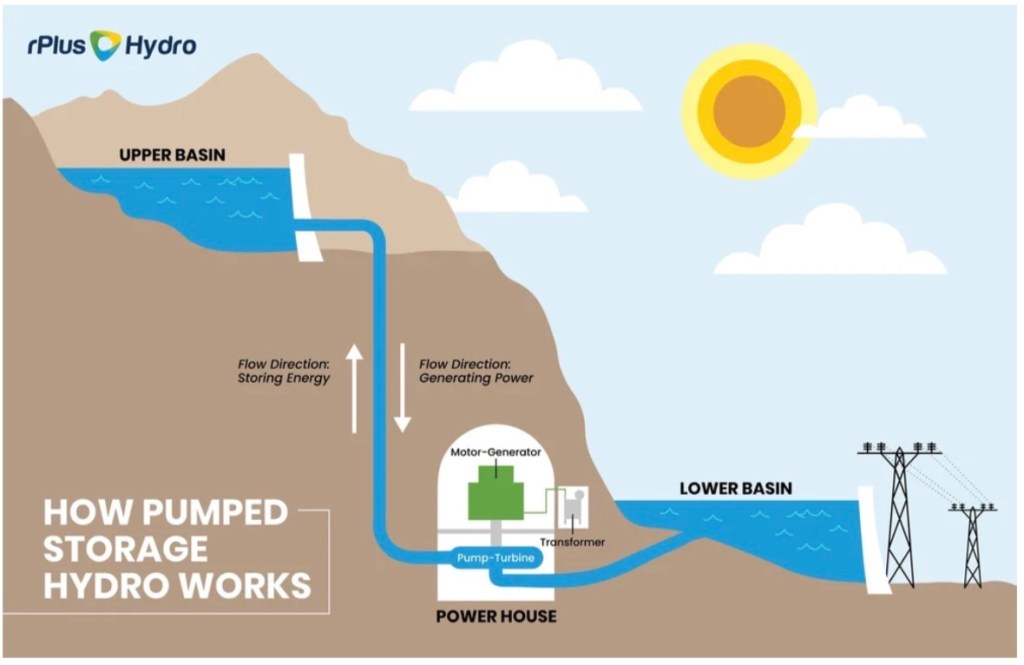
Water from Seminoe would be pumped approximately 1,000 feet uphill to the new storage facility during the day when the market price for electricity is typically cheapest, then the water would be released through hydroelectric generators in the evening when daily power demand peaks, according to the companies.
The massive $3 billion to $5 billion facility would serve as an “energy‑storage facility,” the company told WyoFile. “Think of it as a ‘water battery’ that stores energy generated when demand is low. When demand increases, water is released from the upper reservoir back into Seminoe, driving hydroelectric turbines to produce electricity.”
It could take about five years to construct, according to the company, mostly due to myriad wildlife protections that limit construction activities during certain times of the year. Black Canyon has asked that many of those timing restrictions be waived — a sticking point for wildlife advocacy groups, as well as the Wyoming Game and Fish Department.
Predicting water quality impacts
DEQ officials have worked closely with Black Canyon, as well as stakeholder groups like Trout Unlimited, for about two years to revise modeling and craft a certificate that binds the company and FERC to a plan that prevents harmful water quality impacts.
Still, some stakeholders say DEQ’s suite of monitoring and “trigger” protocols outlined in the draft certificate fails to adequately consider drought scenarios and a changing climate.
“Both the model and the resulting [adaptive management plan] are based solely on historical data and do not assess project-related impacts under changing precipitation and temperature patterns,” the Lander-based Wyoming Outdoor Council said in written comments to DEQ. “As currently written, the supporting documentation also fails to account for increased water demand from other users during future drought conditions as a factor influencing project impacts.”
Trout Unlimited is asking DEQ to tighten a water temperature monitoring regime from a 15-day average to “real time monitoring,” noting that just one day of high water temperatures could result in a significant fish kill in the Miracle Mile.
“Our argument,” Patrick Harrington of Trout Unlimited told WyoFile, “is [DEQ should insist on] a more conservative approach to the adaptive management plan. We shouldn’t reserve those adjustments for later. We should start conservative, and then if we’re not seeing those [water temperature] exceedances, we should dial back the adaptive management plan.”
Black Canyon’s parent company, rPlus Hydro, dismissed criticism of modeling based on past water years and said DEQ’s current plan will prevent harmful impacts to aquatic life.
“The only potential concern identified was in very low‑water years late in the summer, when a slight temperature exceedance could occur,” a company spokesperson told WyoFile via email. DEQ’s plan “includes provisions for continuous long‑term monitoring of both temperature and turbidity in Seminoe and the Miracle Mile, as well as operational restrictions if needed to prevent temperature exceedances.”
To comment on the company’s water quality application, go to DEQ’s comment portal here. Click here to learn more about FERC’s review of the project.


I am naïve regarding water temperatures of return flows in projects like these. Would someone please tell me how much the water temperature would increase in “The Mile” after flowing through the turbines of this proposed facillity, into Seminoe Reservoir, under the dam then into Kortes Reservoir, under that dam and then into “The Mile”? I do know that, generally, tail water fisheries are great for cold water species even after passing through electricity generating turbines. How is this so much different?
Take a look at how well “Adaptive Management” has worked out for protecting critical Sage grouse habitat under the auspices of the Sage Grouse Implementation Team. Just another feel good, catchy phrase that ultimately results in negative consequences for fish and wildlife species.
The Wyoming Department of Environmental Quality cannot be trusted to enforce its own rules and regulations. Look no further than the WDEQ-WQD’s failure to enforce oilfield discharges into Badwater Creek from the Moneta Divide Oilfield. Badwater Creek is now so polluted the creek is incapable of sustaining aquatic life.
Yes, its true that DEQ did not live up to their responsibility to enforce water quality discharge standards from the Moneta Divide oil field for over 50 years. And, its true that DEQs own water quality testing confirmed that Badwater and Alkali Creeks were unable to sustain aquatic life. Thanks to a unified effort by the WOC, Powder Basin Resource Council, Wyofile, the Town of Thermopolis, the Hot Springs County Conservation District and many others there has been very significant improvement in the last year. The last time I inquired, the Neptune Reverse Osmosis plant had been completely redesigned and modified and is now back on line and the rest of the production water is being injected. DEQ gave Aethon 4 years to get into compliance and I believe they are now in Compliance. DEQ is in the process of rewriting the discharge permit for Aethon and it should show the latest improvements. However, it was necessary to force DEQ to finally act and we had the support of EPA in Denver. If that isn’t enough of a sorry story, there are 48 EPA approved production water discharge permits on the Wind River Indian Reservation which all flow into Boysen – is anyone monitoring those discharges??? Reference a November 15, 2012 article by NPR entitled ” LOOPHOLE ALLOWS TOXIC OIL WATER FLOW OVER INDIAN LAND”.
As Bruce points out,there is ample reason to distrust enforcement of water quality standards in Wyoming. Beware!!!
All so we can power AI data centers whose purpose is to eliminate jobs.
So the company spokesperson says the only time it could effect temperature is in extreme low water years when water temperatures are at their highest. Yes, this is the time of year that all fish are suspect to high water temperatures. So increase it only by a few degrees and the die off could be huge!
We don’t want it and Kyle True, if you’re reading this, we don’t want your gravel pits on Casper Mountain. Thank you very much
This proposal threatens Wyoming’s greatest resources–our water and wildlife. The water evaporation alone from the proposed off-stream reservoir — thousands of acre-feet each year — represents a consumptive loss to the North Platte River system, and it will reduce what flows downstream to places that depend on this water–especially senior irrigators and wildlife species. In addition, pumping water up and back down repeatedly will increase opportunities for dissolved solids and other water-quality impacts that the current modeling doesn’t adequately address. The so-called adaptive management plan can’t guarantee protections under every future drought or heat scenario.
As a Wyoming attorney who has worked to protect our state’s water resources, I am taking into account the principles embodied in Nebraska v. Wyoming on fair apportionment and accounting for losses like evaporation and groundwater pumping–this project strikes me as a bad deal for the river and for all those who rely on it. The law requires that water not be diverted or consumed in ways that undermine downstream rights and uses, and the projected losses here should give both Wyoming and Nebraska serious pause.
I hope that Wyoming people–and all people who love and value the river recognize the real water losses involved and stands firm — this proposal should be rejected outright.
Outsiders can’t wait to come into Wyoming and destroy our wild lands and wildlife, all for profit. Someday, people won’t see Wyoming as special, and the state will literally lose billions of dollars from the tourist industry. There’s constant pressure to sell off PUBLIC land to enrich the wealthy. Even our traitor ‘Reps’ are in on it. If you value our PUBLIC lands, pay attention to who you vote for. Someday you might want to leave the state, because we’ll be the same as every other ‘developed’ state.