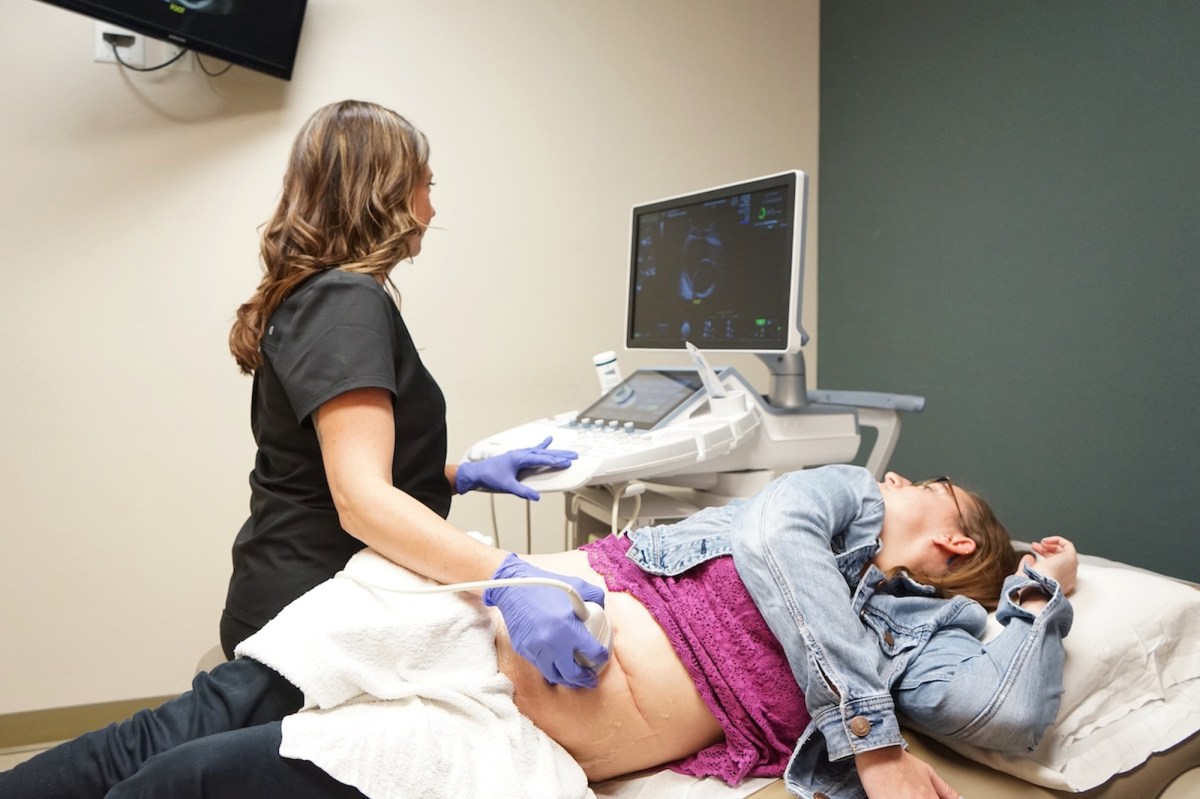
LARAMIE—When Wyoming recently joined the Alliance for Innovation on Maternal Health — a nationwide initiative to support best practices that make births safer and improve maternal health outcomes — it was the 50th state to do so.
However late to the party the state is, participants of Wyoming’s inaugural Maternal Health Summit used the news as a point of celebration to kick off the event last week at the University of Wyoming. With an issue as challenging and complex as maternal healthcare gaps in this rural state, every step counts, Rural Health Institute Director Laura Gilbert said.
Alliance participation “represents an exciting opportunity for Wyoming to be part of a national commitment to eliminating preventable maternal mortality and severe maternal morbidity,” Gilbert told the audience. By quilting together solutions like this one, Wyoming will create a stronger system for mothers and babies, she said.
“The focus of this summit is really to focus on our strengths … to learn about and build on those strengths,” she said.
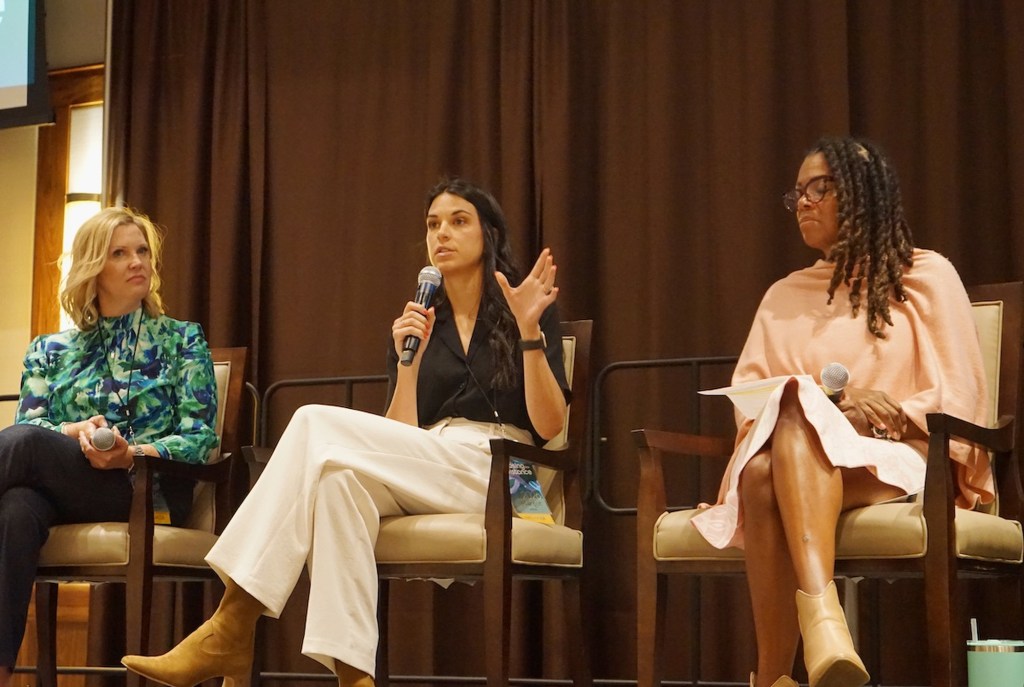
Other strengths the summit zeroed in on were Wyoming’s first and only nationally accredited freestanding birth center in Cheyenne and a new partnership spearheaded by Ivinson Memorial Hospital that brings specialized neonatal and pediatric care to Laramie. Presenters explained strategies at Cheyenne Regional Hospital for creating a medical plan when an infant is identified as prenatally exposed to substances, and told the audience that Wyoming boasts one of the country’s lowest cesarean section rates.
It was impossible to talk about Wyoming’s maternal health landscape without mentioning its weaknesses, however. The vast and sparsely populated state is dominated by census-designated frontier areas where harsh weather can make long drives perilous; recruitment obstacles result in workforce shortages; and low patient volume creates financial challenges at hospitals.
Other factors are compounding those challenges:
The number of births in Wyoming declined every year from 2019-2023. Since 2022, four Wyoming hospitals have closed labor and delivery wards, leaving 16 birthing hospitals for a state spanning 97,000 square miles. Wyoming has zero pediatric intensive units. Rural babies are at higher risk of low birth weight and adverse outcomes. More than 75% of pregnancy-related deaths in Wyoming between 2018-2023 were determined to be preventable. Wyoming’s percentage of induced vaginal births has grown more than 10% between 2016 and 2026 to 43%, higher than the national average.
Quality maternal health leads to strong families and thriving communities, said UW College of Health Sciences Dean Patrick Hardigan.
“But let’s be real about the ground we’re standing on,” he said. “In a rural frontier state like ours … overcoming these hurdles isn’t something any single organization can accomplish by themselves. It takes all of us crossing disciplines, breaking down silos and building real bridges between our communities and the government.”
Low-hanging fruit
Three years after a WyoFile investigation revealed severe gaps in Wyoming’s maternity care system, deficiencies remain for women seeking prenatal, delivery and postpartum care and resources in the Equality State. Despite lengthy legislative study and statewide concern, Wyoming’s maternity care issues have actually worsened in areas like Natrona County, where the number of practicing obstetricians has gone from six to two.
When a 2025 Wyoming Women’s Action Network white paper concluded that Wyoming lags behind others in embracing and implementing solutions, it specifically highlighted the fact that Wyoming was the only state not participating in the maternal health alliance.
That was something reproductive health researcher Gaby Alvarado recognized pretty quickly when she was researching her new home state this spring. Alvarado joined the University of Wyoming’s Rural Health Institute in March with a focus on supporting maternal health efforts in the state through a federal grant.
Joining the alliance, she said, “felt like low-hanging fruit.”
With a green light from the health department, Alvarado said, the Rural Health Institute spearheaded the effort for Wyoming to join, which was approved in August. As a participating state, Wyoming will have access to resources for improving maternal outcomes related to substance use, severe hypertension and hemorrhaging, among others.
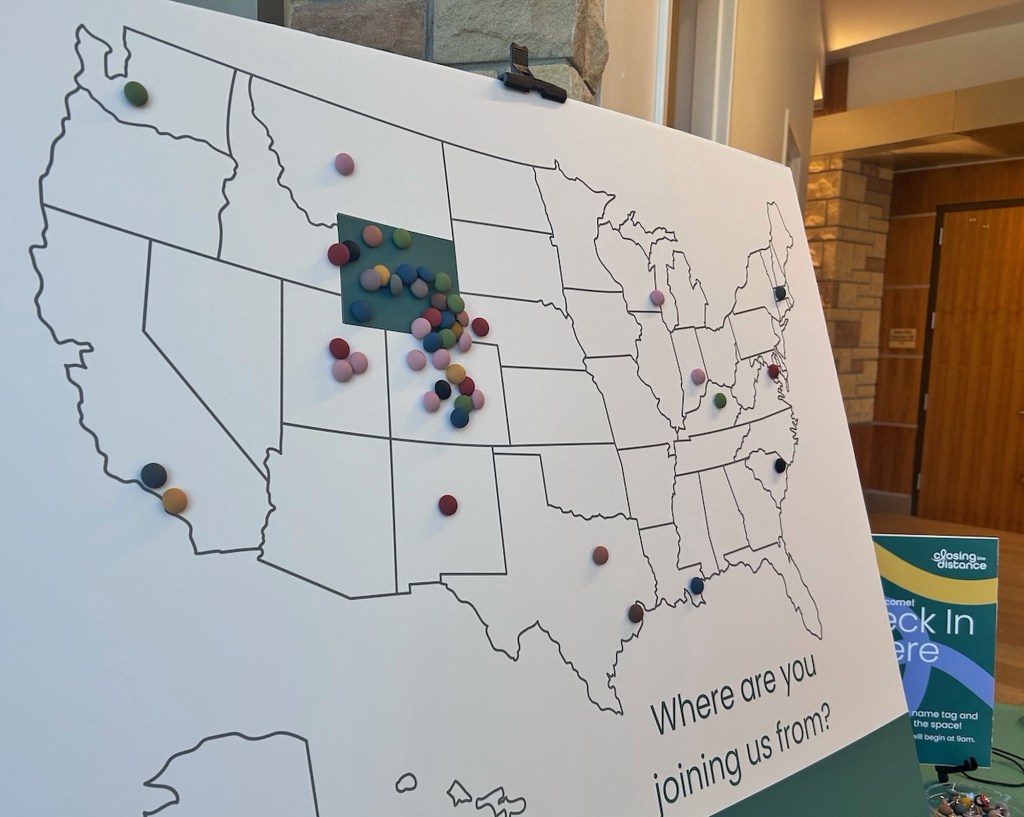
Alvarado organized the Laramie summit, which drew obstetricians, healthcare lobbyists, policymakers and more for two days of workshops and presentations. Though Wyoming’s maternity care gaps are significant, she said, she did not want summit participants to be mired in doom and gloom.
“I feel like public health framing is really deficit oriented,” Alvarado told WyoFile. “We wanted to also focus on strengths … what are people in Wyoming doing that is scalable and effective?”
In that vein, participants talked about Medicaid expansion opportunities, strategies for better implementing doulas and effective mental health screening.
The summit also served as the launch of Momentum Wyoming, a new maternal health effort under the Rural Health Institute designed to survive beyond the five-year federal grant.
Action items
One theme that emerged is that efforts to improve maternal healthcare in Wyoming are often disconnected, resulting in siloing and a lack of shared knowledge about existing resources or initiatives.
“It’s rooms like this that can change that,” Wyoming Medical Society Executive Director Sheila Bush said in a closing panel. However, she noted, agreeing on a unified vision will be crucial to success.
“We have to figure out what cake we’re baking when we’re looking at maternal health in the state,” she said. “I still don’t think we have a vision of what we want maternity care to look like.”
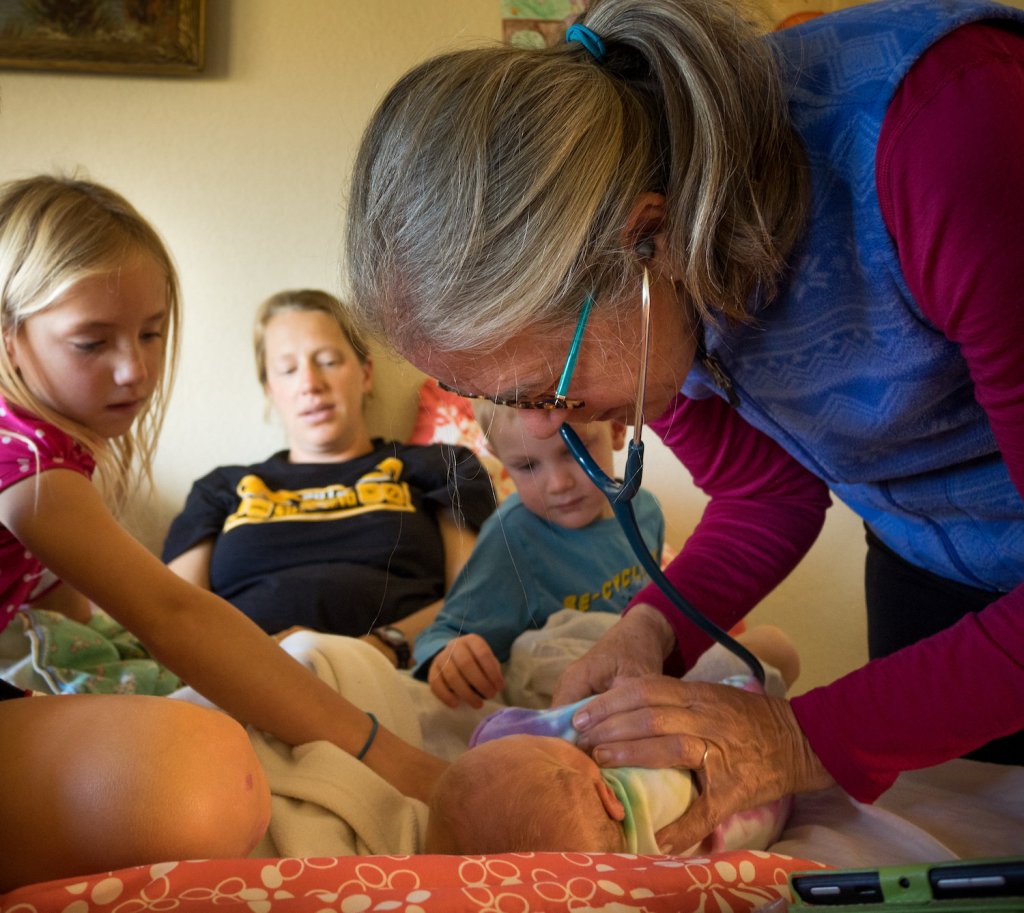
Healthcare experts and policymakers have been mulling strategies for patching up the state’s maternity care gaps for years, including legislative studies. Those discussions have touched on everything from tort reform to workforce incentives.
This year, Wyoming has a meaningful opportunity to bolster maternity care thanks to $205 million in federal Rural Health Transformation funds. An advisory panel earmarked more than $8 million specifically for labor and delivery initiatives, and other initiatives aimed at hospitals and telehealth are also expected to improve maternity care access.
For Wyoming Rep. Mike Yin, D-Jackson, who sits on the Legislature’s labor and health committee, the summit was valuable for better understanding how maternity care gaps affect people on the ground.
“For me, I think it highlights that we still have a lot to do,” Yin said.