
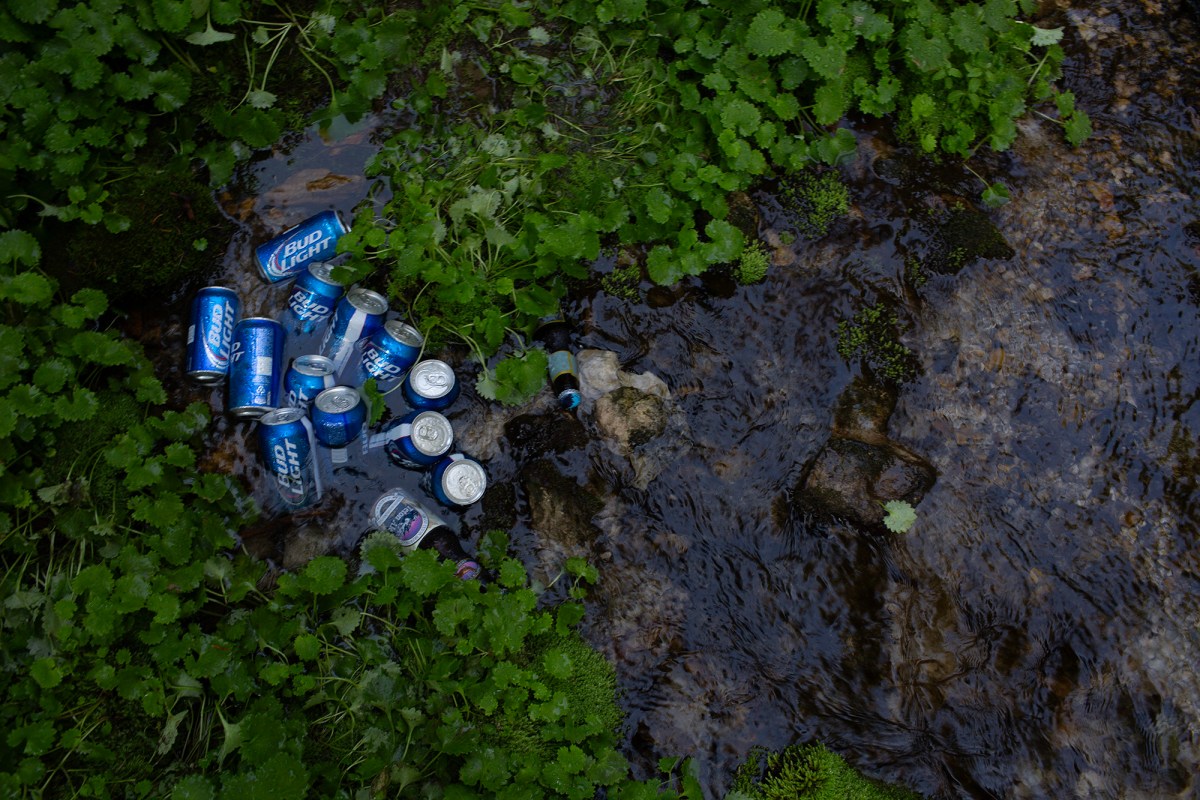
LANDER—As things currently stand in the state of Wyoming, adults can at times provide alcohol to minors without consequence. A minor may end up in legal trouble for underage drinking — but the adult who supplied the minor with alcohol, if the two are related or the alcohol was consumed for religious or medical purposes, often walks away without a charge.
Meanwhile, the youth faces a misdemeanor citation.
Fremont County Youth Services representatives have previously reported that some of the kids in the county report drinking at a very young age. It’s not just a countywide problem, Wyoming Highway Patrol Colonel KC Ramsey told the Legislature’s Select Committee on Tribal Relations that there’s a cultural drinking problem in Wyoming.
After hearing about the issue earlier this year, the committee directed the Legislative Service Office to draft legislation to tighten up, if not close, some of those legal loopholes. The bill draft LSO brought back doesn’t remove the exceptions, but it does place a limit on them.
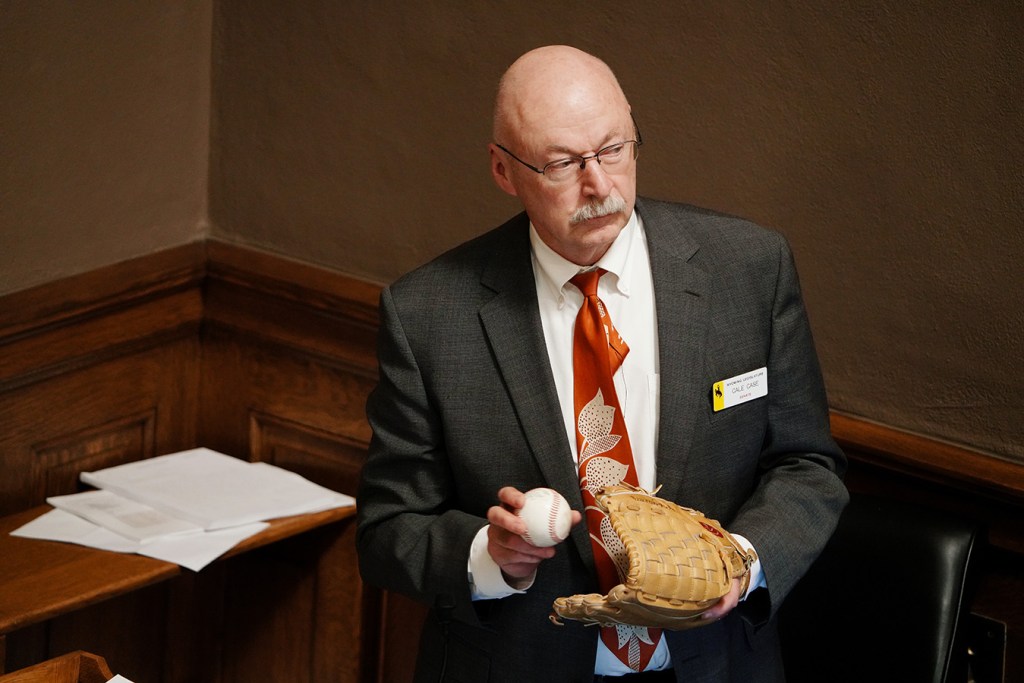
“I think untangling the list of exceptions … that would be very divisive,” said Sen. Cale Case, R-Lander, committee co-chairman. “I do think this is an intelligent and clever way to approach this, and I appreciate it.”
The limit suggested by the bill is a minor’s blood-alcohol content of 0.02%. Below that, the exemptions for parents, legal guardians, religious uses, and medical uses would still apply. Above that, the adult or adults providing alcohol to the minor could face a misdemeanor citation of their own.
“The way the law reads … is a prohibition against any person selling, furnishing or causing to be sold alcohol, and then there are some exceptions to that rule. So in this case, if a minor is above a 0.02%, then it is the person who furnished that alcohol who no longer gets the exception,” LSO’s Ian Shaw explained.
According to Alcohol.org’s blood alcohol calculator, for a 130-pound boy approximately half a glass of wine, or about 2.5 ounces, would likely result in a blood-alcohol content of 0.02%; for a full glass of wine or one 12-ounce beer, the blood alcohol content is estimated to likely fall to 0.02% within about an hour. Most NyQuil is about 10% alcohol by volume, a little less than a standard glass of wine; the standard dose of NyQuil is just over one ounce.
Half a glass of wine is significantly more than is typically used in religious ceremonies.
Since the bill draft proposes that its new lack of exceptions kick in only if a minor’s blood-alcohol content is over 0.02%, it is unlikely that consumption of a small amount of wine or other alcohol for religious or medical purposes would place a minor over that legal limit.
And, Ramsey assured, the Highway Patrol would not stake out churches or places of worship to try to catch people. As it does now, he said, Highway Patrol would look for signs of intoxication, which would prompt testing as part of a traffic stop. That is to say, the way the bill is currently written it would not alter investigation procedures, only what the consequences of that investigation might be.
“It’s another way for us to ensure that the highways are safe,” he said.
Ramsey originally phrased the Highway Patrol’s position on the bill draft as neutral. After some probing from committee members, including Case and Rep. Pepper Ottman, R-Riverton, he said that the agency regards it as a positive step – but implied that unless it shifts the cultural needle, it may not be the silver bullet that solves underage drinking in Wyoming.
The committee had invited a number of law enforcement agencies to attend and comment on the bill draft, including the Bureau of Indian Affairs, the Fremont County Sheriff’s Office, the Riverton Police Department, and the Lander Police Department as well as the Highway Patrol. Ramsey was the only law enforcement officer who provided comment on the bill.
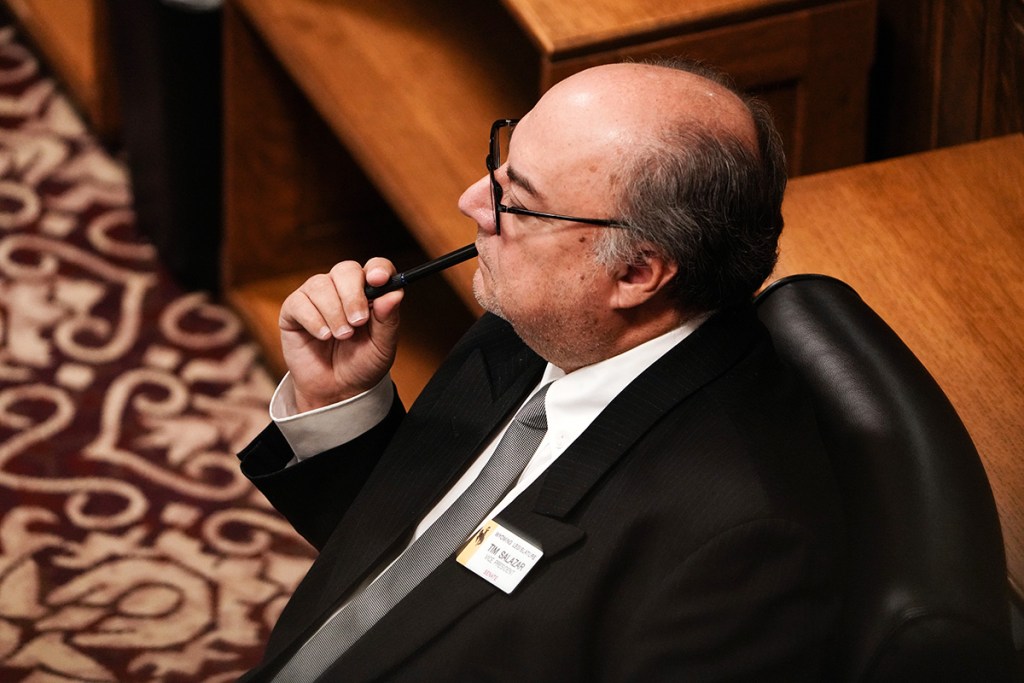
Sen. Tim Salazar, R-Riverton, expressed some reservations around the bill draft, noting that he feels it’s important to ensure that exceptions are carved out for things like religious use. Nonetheless, he voted in favor of the committee sponsoring the bill.
Case said the bill strikes the right balance between allowing some exceptions and holding adults responsible when they provide minors with opportunities for excessive consumption.
“It’s the best of all worlds in this,” he observed. “I mean you’re really not exactly going after the kids, you’re going after the person that did it in an irresponsible manner. If you have a house party … people really get intoxicated, then you’re no longer covered by the exception.”
Case moved for the committee to move the bill forward; Ottman seconded him. Despite his reservations, Salazar voted in favor of advancing the bill, as did committee Co-chairman Rep. Ivan Posey, D-Fort Washakie.
“I’m going to vote yes today, but I’m eager to hear the conversations come January,” Salazar said. “I do need the exceptions in this bill. I need them.”