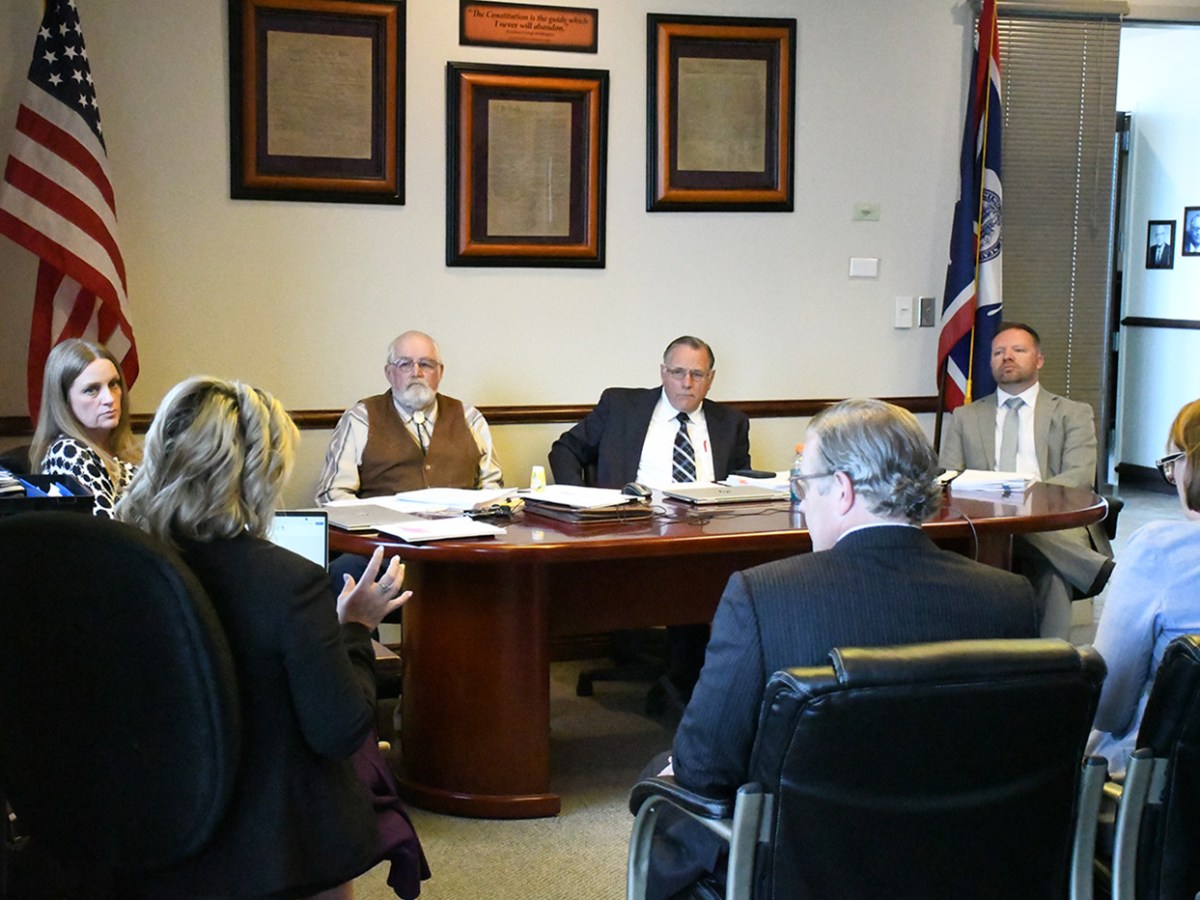

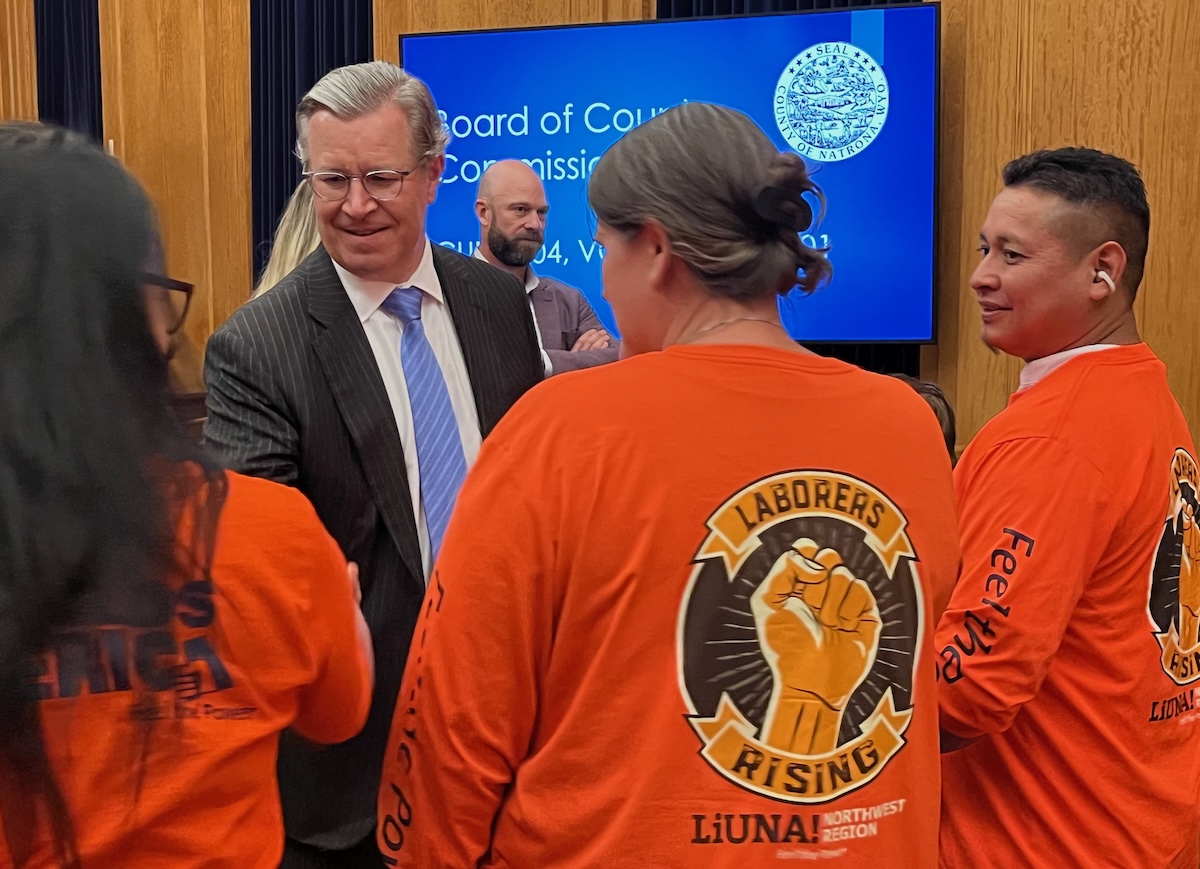
Natrona County officials are drafting a list of potential conditions, permits and expectations they will require of Prometheus Hyperscale, the company proposing a 1,250-megawatt artificial intelligence computing complex east of Casper.
Top of mind, according to county commissioners who spoke to WyoFile, are assurances that the data center’s water consumption and electricity needs don’t harm residents, as well as measures to keep noise and light pollution in check and a yet-to-be-determined sense of whether the data center would be a net benefit for the community.
“This process is just barely even kicking off,” Natrona County Commission Chairman Jim Milne said. “It’s going to be a long, long haul, and we have ample opportunity to talk to them and adjust.”
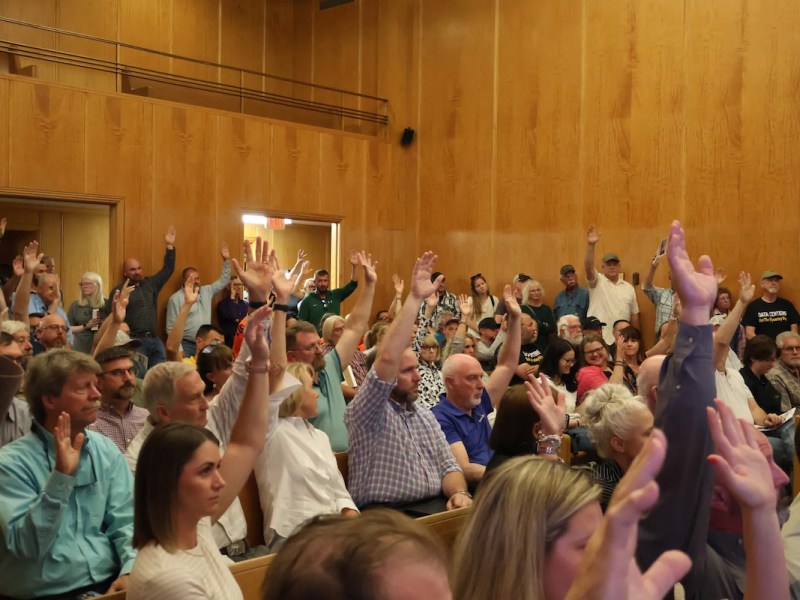
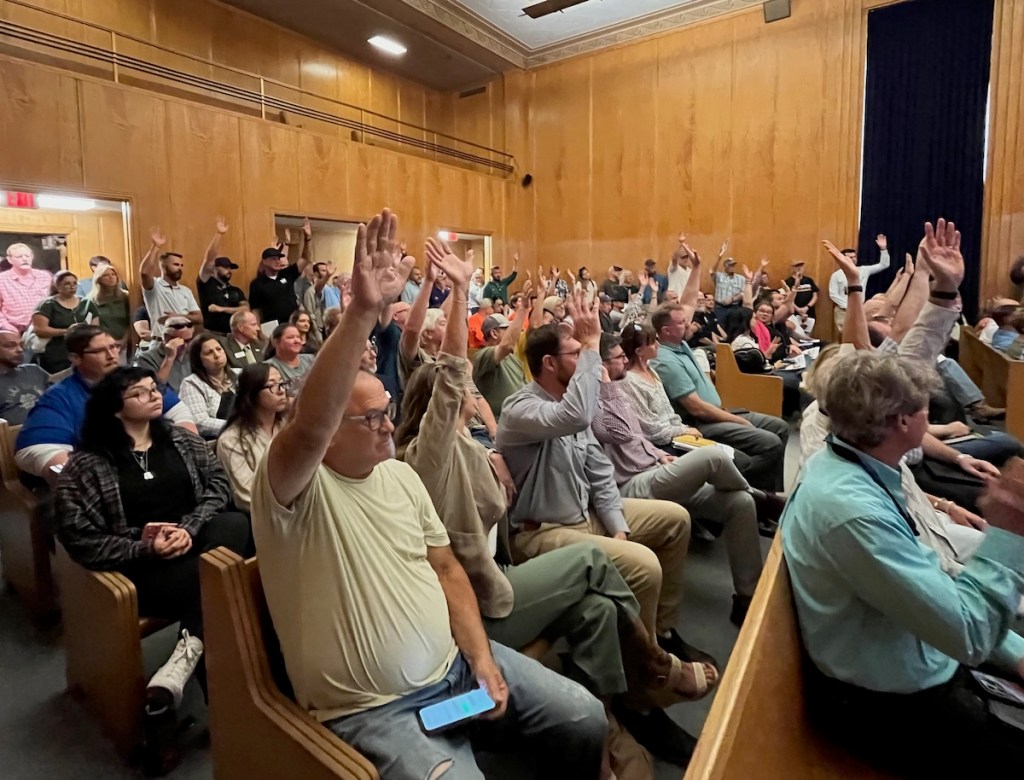
Prometheus Hyperscale began publicly floating its Natrona County project last spring, and then addressed commissioners during a packed meeting in September. Prometheus founder Trenton Thornock listed his bona fides as a sixth-generation Uinta County rancher with close ties to Wyoming’s natural resources and its residents.
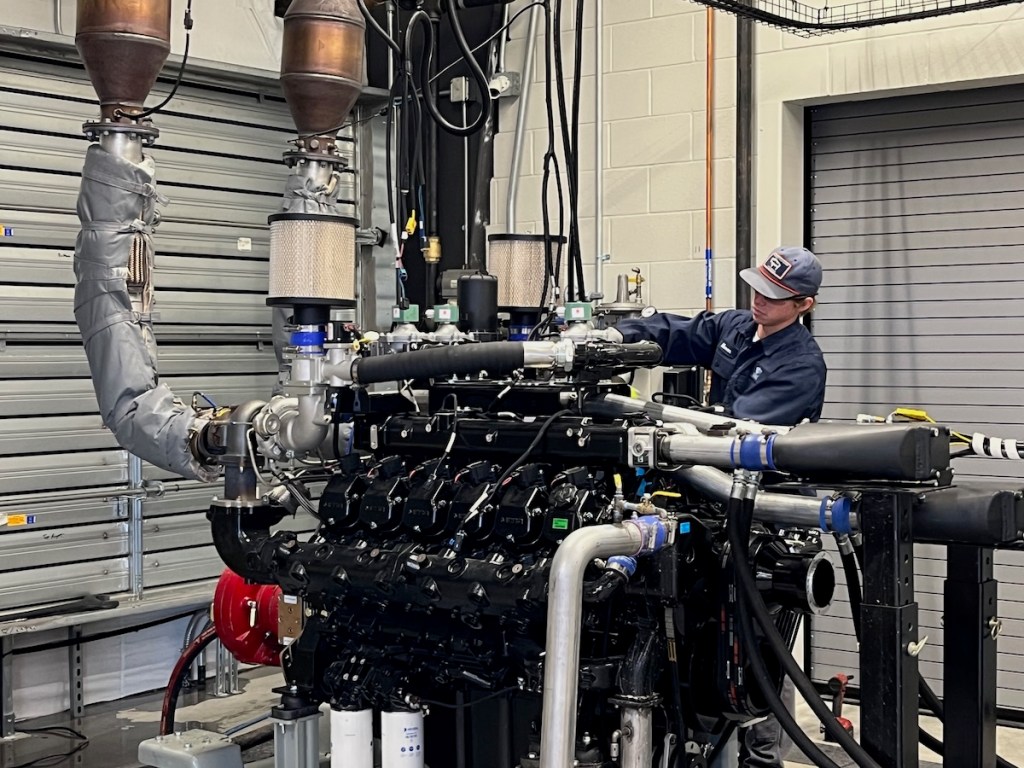
His company’s data center here — with an initial investment of about $500 million and potential to expand — is designed to use a closed-loop cooling system to limit water usage, as well as injection wells to sequester carbon dioxide emissions from a fleet of natural gas-fueled electric generators to power the operation separately from the public grid.
In addition to creating new jobs and injecting a new stream of tax revenue into the county, Thornock’s pitch included bypassing a one-shop-stop state industrial permitting process to tailor-fit the project to Natrona County parameters. While the Wyoming Industrial Siting Council is “cumbersome and time-consuming,” working directly with the county would not forgo “any applicable environmental or regulatory requirements,” Oil City News reported Thornock saying at a September commission meeting.
The idea has its appeal, Milne and other commissioners have said. And Prometheus is already several phases into a very similar process in Uinta County, where the company is building another data center complex.
“They’re still going to have to go through the same stuff that they would have to go through with [the Industrial Siting Council],” Commissioner Dave North told WyoFile, noting the project must still undergo reviews to comply with state wildlife, water and myriad other state statutes. “They’re not getting out of anything. It just expedites the whole process.”
State versus county review
Typically, industrial projects of a certain scale must undergo a Wyoming Industrial Siting Act review and obtain a permit from the Industrial Siting Council, which requires some 19 different state and federal agencies to analyze and weigh in on projects.
But a handful of prospective data center developers have favored opting out of the Industrial Siting Act. The “industrial park exemption” allows developers to approach counties that have robust zoning to, essentially, take on the task, if they’re willing. This is a potentially attractive option for counties with expert staff and means, like Natrona County, according to North.

“We can tell them exactly what we want,” North said. “If you don’t have zoning, and you don’t have a development department, this would be a wreck.”
Though it adds work for county officials who may not have industrial permitting expertise, commissioners still get to consider project-specific reviews from state and federal agencies, he said. Plus, unlike the appointed members of the Industrial Siting Council, Natrona County officials are beholden to their constituents and can ask developers to invest in the community beyond its scope of work and regulations they’re held to — like ponying up donations for parks and other services.
“We’ve got to keep an open mind on both sides,” Milne said. “We need to be fair to the developer and to the public.”
North noted that the county’s review and negotiations with Prometheus won’t be directly decided by residents, but he noted that residents will have the opportunity to quiz both company and county officials and weigh in.
“I will tell you, we’re listening,” North said. “Not only are we listening to the concerns of the citizens, but I’m passing that information on to Prometheus and saying, ‘You’re going to have to address this.'”
Caution signs ahead
Though some counties might have the resources and wherewithal to take on such a task, there are potential pitfalls and the Industrial Siting Council process has merits, local environmental watchdog groups told WyoFile.
Those detailed reviews from 19 state and federal agencies that the council requires are not necessarily wholly transferable in developer-county negotiations, according to Lander-based Wyoming Outdoor Council Data Center Campaign Manager Jocelyn Wulf.

Unless county officials press for specifics, “they’re not being reviewed as extensively and comprehensively by these agencies,” Wulf said. “They have to consider that they need to cover every possible eventuality on their own. So, in theory, these counties could have far fewer regulations than the [Industrial Siting Act requirements], or they could also have far more. It could go a lot of ways, really.”
Also, not every county with an industrial park exemption is equipped to get what they expect from shrewd, well-monied corporations.
“We’re afraid it could become kind of a race to the bottom,” Outdoor Council Energy and Climate Policy Director John Burrows said. “That’s a good reason, I think, to have more of a state focus on the regulation of data centers.”
There are no applications now before Natrona County officials, according to North and Milne. Both stress there will be public forums and opportunities to ask questions and weigh in.
For its part, Prometheus said it also plans to conduct public meetings in Natrona County.
“We want them to be useful, and plan to schedule them once we have more concrete information to share,” Prometheus Chief of Staff Abby Pick told WyoFile via email. “We are committed to moving through that process transparently, working alongside local officials and the community every step of the way.”