
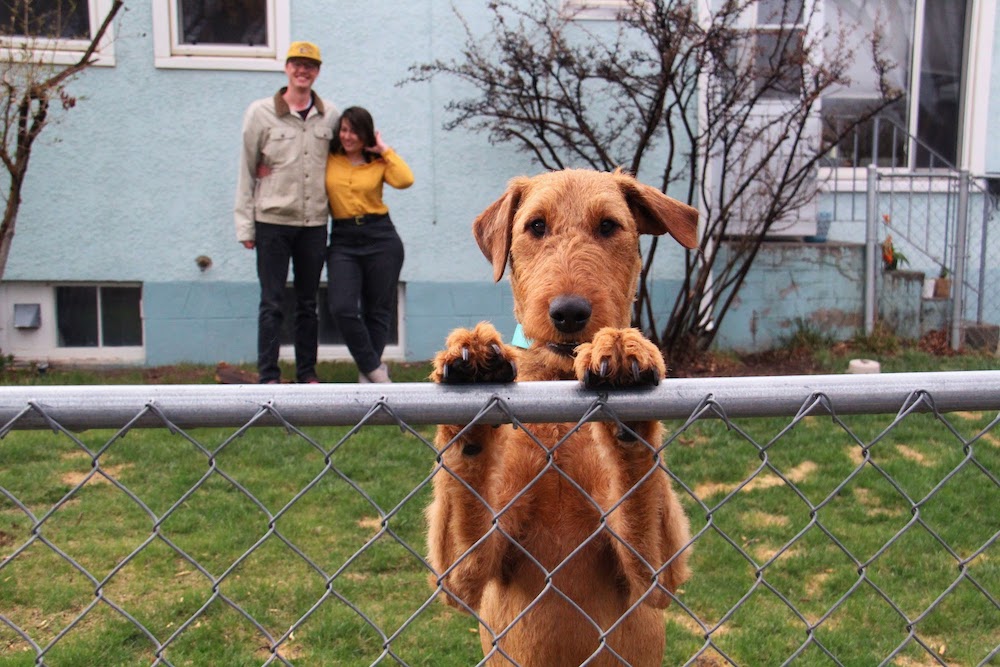
Bosler the dog eschews social distancing while owners Jordan Bishop and Dakota Metzger stand back in the yard. (Rose Curtis)

It was early May, and the country was still locked down in quarantine. Laramie photographer Rose Curtis had hardly seen anyone for weeks. An acquaintance stopped by, and she opened the door and stood on the porch talking to him as he remained on the sidewalk many feet away. 

It struck her that from her perspective, with the door flung open, the scene was the epitome of welcoming. But the reality was far from that; nobody but she and her roommate had stepped foot in their place for weeks. 

“At that moment I decided I wanted to photograph people in their doorways, on their porches or in front of the habitats they had been confined to during quarantine,” she said.
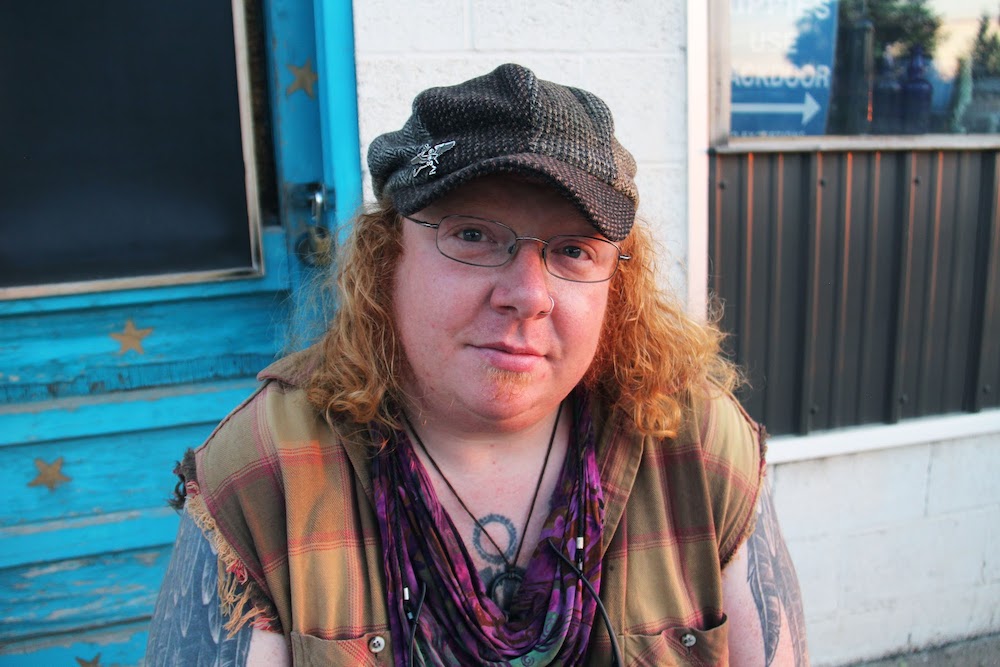
Laramie artist Dillon Ruland. (Rose Curtis)

The following day, she shot her first portrait: a friend down the street. That’s all it took, she said, for her to decide to turn it into a larger project. “Porch Portraits” was born.

Over the summer, Curtis has made portraits of professors and young families, of artists and researchers and professionals as they cope with the drastic new realities of life during a pandemic.
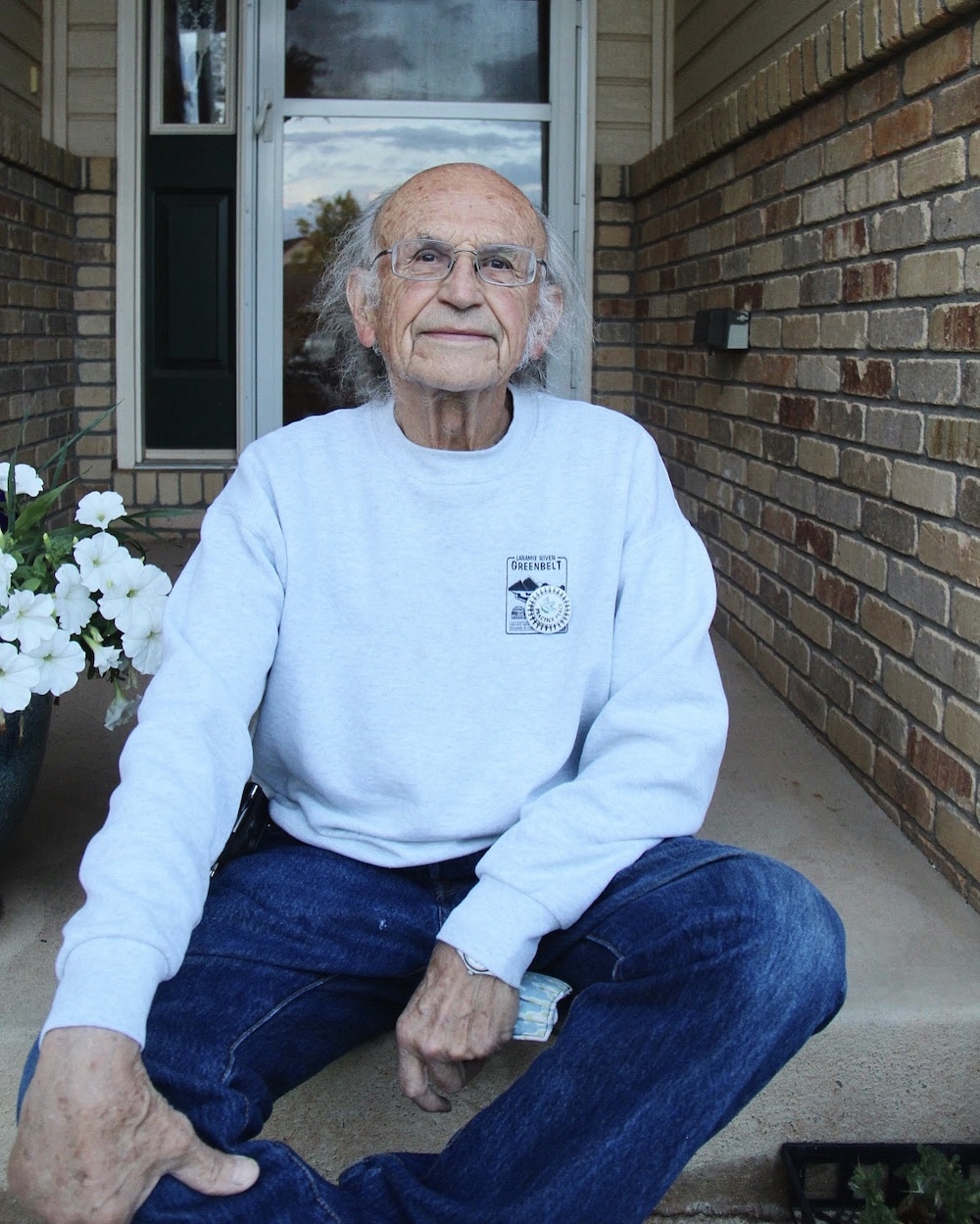
Guillermo Adolfo Brizuela Cruz sits on his front stoop. (Rose Curtis)

Along with taking photographs, she posed this question: In what ways has quarantine changed you and what has remained unchanged during this time of crisis?

The images and answers that have resulted hold a spectrum of emotions and experiences — many familiar.
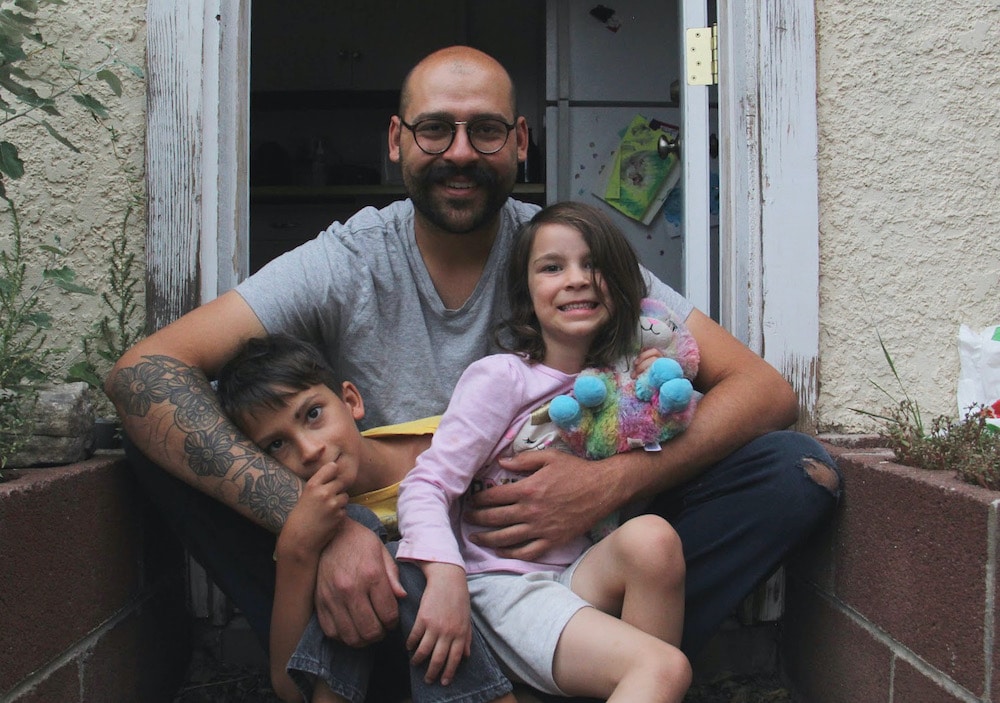
Ammon Medina and his children, Eleanor and Emerson. (Rose Curtis)

“Every part of life has slowed down,” Ammon Medina answered. “I’m more intentional with my time and am able to lean on my small community more when it’s all hard.”

With the closure of traditional gathering spaces like bars and cafes, John Wilhelm has come to appreciate a third kind of public space, he told Curtis.
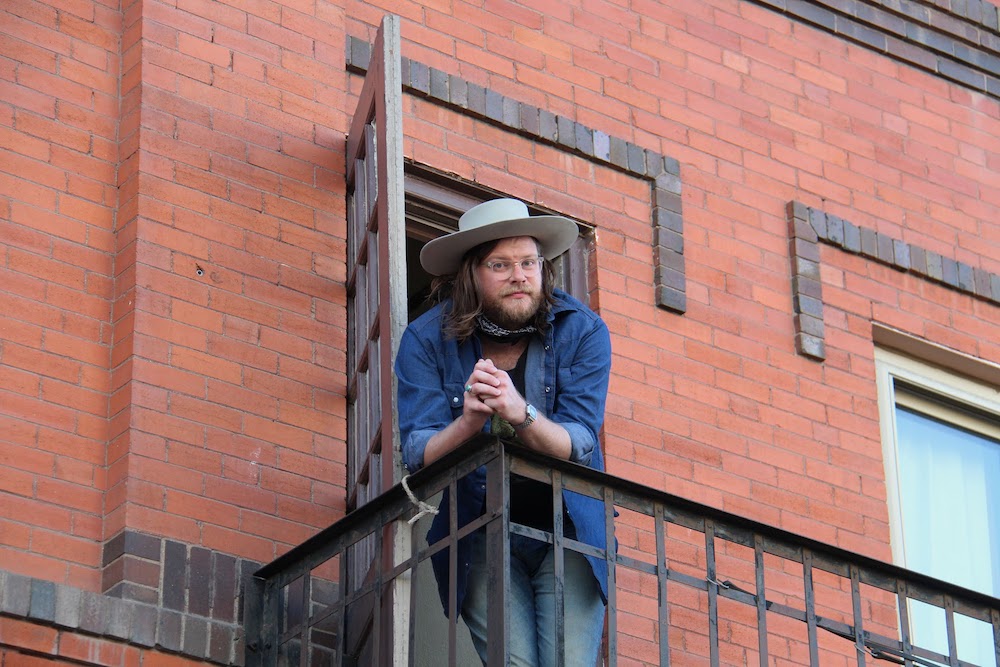
John Wilhelm peers down from a second-story balcony. (Rose Curtis)

“I have now grown a new appreciation for the public parks, town squares and city streets,” he wrote. “In taking the place of bars, cafès and dancehalls our shared spaces have taken on a new shared humanity to me.”

The COVID-19 pandemic caused Neely Mahapatra to slow down, she said. 

“Social distancing and quarantine have helped me to pause, appreciate those small things around me (e.g. enjoy the lilacs for the first time in the garden), introspect, reflect, put myself on my priority list if not on the top of my priority list and take care of myself,” she wrote.
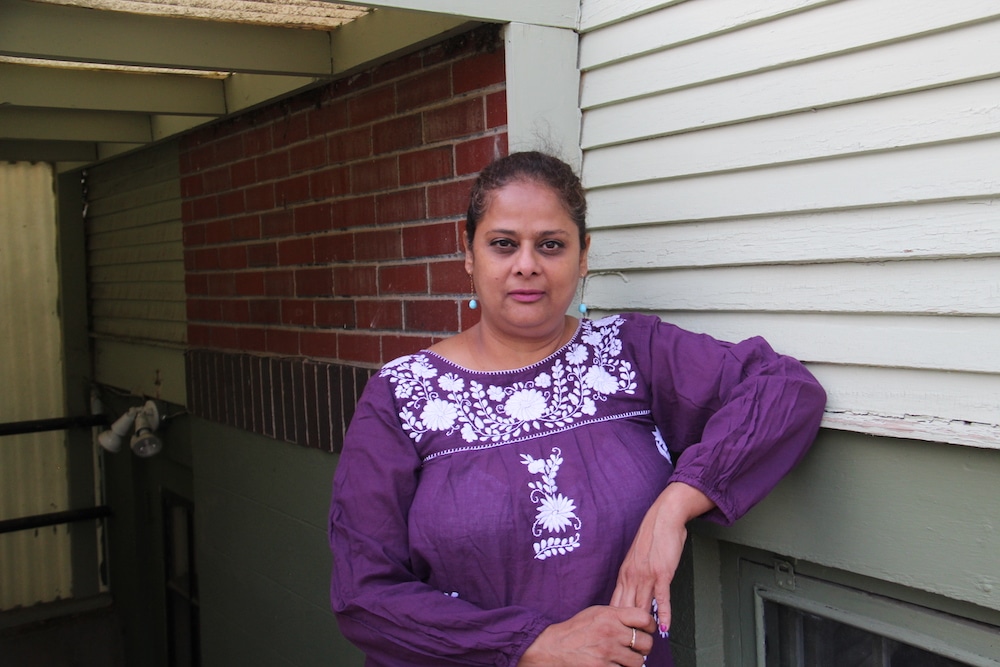
University of Wyoming Professor Neely Mahapatra. (Rose Curtis)

Anne Mason has struggled with isolation and grown more grateful for the time with her immediate family, she told Curtis.

“Perhaps felt most deeply is my desire for human contact, which has accelerated at an exponential rate,” she wrote. “The less I can be around other people, the more I ache for their physical presence.”
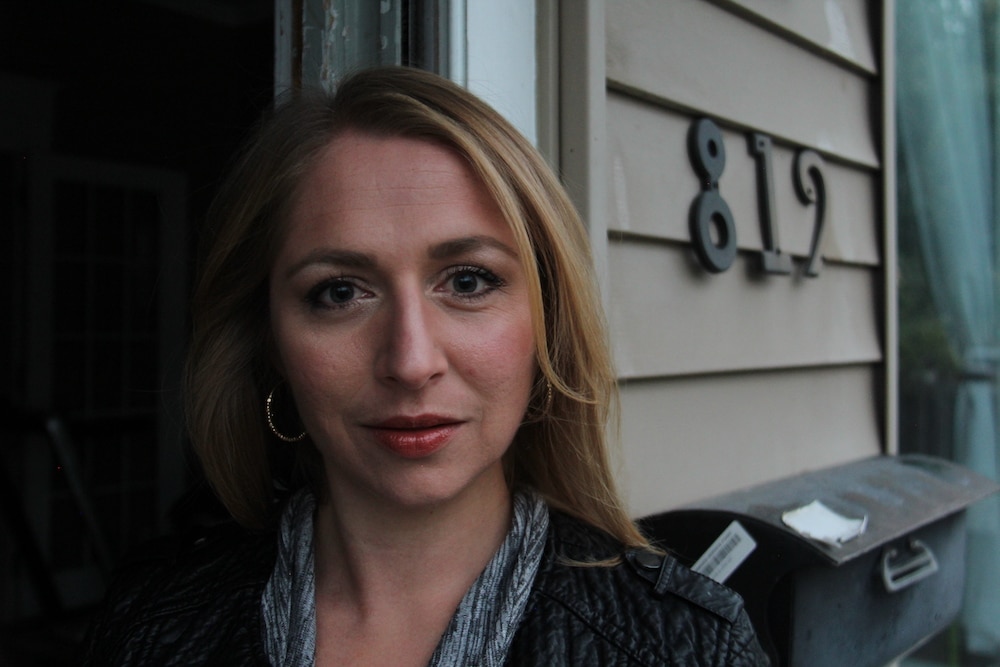
Relative Theatrics Artistic Director Anne Mason. (Rose Curtis)

For Curtis, the project has offered a rare chance to meet new people and interact with acquaintances, and taught her that while everyone’s circumstance is different, there’s power in the shared experience. “There’s always something beautiful, meaningful and uplifting to take away from hard times,” she said. 

She hopes the project engenders kinship.
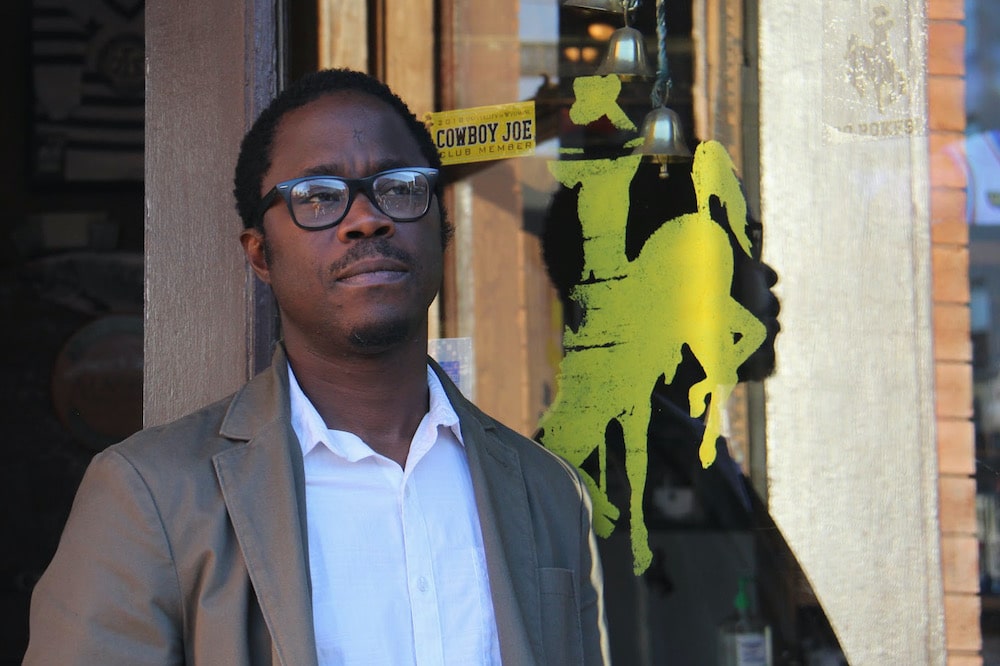
University of Wyoming postdoctoral research associate Paul Ayayee. (Rose Curtis)

“I want to inspire human connection during this time when I know many people feel disconnected from their community,” she said. “My hope is that by seeing familiar and new faces and by reading about similar and especially dissimilar experiences … an increased feeling of connectedness and empathy will spread.”

The project is ongoing; Curtis says at this rate, she will likely be shooting well into 2021. Email rose.wyo10@gmail.com or reach her through Facebook or Instagram if you are interested in having your portrait taken.

Support Wyoming photography — donate to WyoFile today

Katie Klingsporn reports on outdoor recreation, public lands, education and general news for WyoFile. She’s been a journalist and editor covering the American West for 20 years. Her freelance work has...

Join the Conversation

1 Comment

WyoFile's goal is to provide readers with information and ideas that foster constructive conversations about the issues and opportunities our communities face. One small piece of how we do that is by offering a space below each story for readers to share perspectives, experiences and insights. For this to work, we need your help.

What we're looking for: 

  • Your real name — first and last. 
  • Direct responses to the article. Tell us how your experience relates to the story.
  • The truth. Share factual information that adds context to the reporting.
  • Thoughtful answers to questions raised by the reporting or other commenters.
  • Tips that could advance our reporting on the topic.
  • No more than three comments per story, including replies. 

What we block from our comments section, when we see it:

  • Pseudonyms. WyoFile stands behind everything we publish, and we expect commenters to do the same by using their real name.
  • Comments that are not directly relevant to the article. 
  • Demonstrably false claims, what-about-isms, references to debunked lines of rhetoric, professional political talking points or links to sites trafficking in misinformation.
  • Personal attacks, profanity, discriminatory language or threats.
  • Arguments with other commenters.

Other important things to know: 

  • Appearing in WyoFile’s comments section is a privilege, not a right or entitlement. 
  • We’re a small team and our first priority is reporting. Depending on what’s going on, comments may be moderated 24 to 48 hours from when they’re submitted — or even later. If you comment in the evening or on the weekend, please be patient. We’ll get to it when we’re back in the office.
  • We’re not interested in managing squeaky wheels, and even if we wanted to, we don't have time to address every single commenter’s grievance. 
  • Try as we might, we will make mistakes. We’ll fail to catch aliases, mistakenly allow folks to exceed the comment limit and occasionally miss false statements. If that’s going to upset you, it’s probably best to just stick with our journalism and avoid the comments section.
  • We don’t mediate disputes between commenters. If you have concerns about another commenter, please don’t bring them to us.

The bottom line:

If you repeatedly push the boundaries, make unreasonable demands, get caught lying or generally cause trouble, we will stop approving your comments — maybe forever. Such moderation decisions are not negotiable or subject to explanation. If civil and constructive conversation is not your goal, then our comments section is not for you. 

Your email address will not be published. Required fields are marked *