


Those fighting to keep abortion legal in Wyoming asked a judge Wednesday to grant a temporary restraining order that would block enforcement of the state’s medication abortion ban, which is set to go into effect July 1.
Wyoming is the first state to explicitly ban the use of pills for abortion, and that law is separate from the near-total abortion ban that Ninth District Court Judge Melissa Owens already put a restraining order on in March. For now, abortion is still legal in Wyoming.
“Because virtually all abortions in Wyoming are medication abortions, the Medication Abortion Ban appears calculated to effect a back-door ban on abortions.”
Plaintiffs’ filing requesting a restraining order
The law banning medication abortions is unconstitutional, would severely restrict all abortion access in the state, wouldn’t protect women and doesn’t include key exemptions for health conditions, the plaintiffs argue.
“Because virtually all abortions in Wyoming are medication abortions, the Medication Abortion Ban appears calculated to effect a back-door ban on abortions,” the filing states.
If granted, the temporary order would roll the medication ban into the ongoing court case over the near-total abortion ban.
Making the case
Plaintiffs, which include women and healthcare providers, say the medication abortion ban would cause possible irreparable injuries and that they could likely win the case on merits — two requirements for a restraining order.
Similar to the other near-total ban, the medication ban would strip them of a constitutional right to make a health care decision, the plaintiffs argue, citing Article 1, Section 38 of the Wyoming Constitution. A loss of a constitutional right has been considered an irreparable injury by the 10th Circuit, as cited by the plaintiffs and Owens in previous filings.
“Each competent adult shall have the right to make his or her own health care decisions,” the constitution states with the following caveat: “The legislature may determine reasonable and necessary restrictions on the rights granted under this section to protect the health and general welfare of the people or to accomplish the other purposes set forth in the Wyoming Constitution.”
The medication abortion ban, however, “plainly regulates health care,” the plaintiffs argue, citing the range of medical terms written in the law. The state also has “no conceivable basis” to call the ban reasonable and necessary, the filing states, because there’s no evidence in Wyoming that there have been complications from the medications or that surgical abortions should be prioritized.
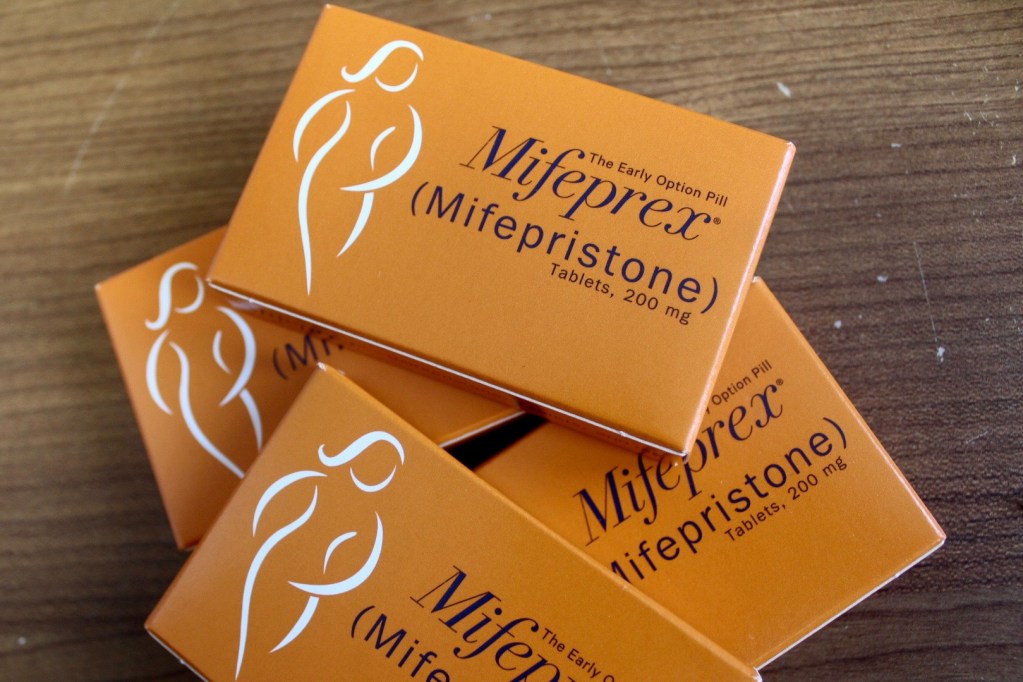
To that end, plaintiffs state that only one abortion in Wyoming during 2021 and 2022 was a surgical abortion, and that there were no reported complications with the medication abortions.
Some surgical abortions also use abortion medications, the filing notes. Banning abortion medications could limit surgical abortions and decisions made to safeguard someone’s health, plaintiffs argue.
“In such cases, the Medication Abortion Ban will either prevent a surgical abortion altogether, or will require the abortion to proceed without medically necessary medication, with the result that women will unnecessarily be at risk,” the filing states.
More surgical abortions could become available with the recent opening of Wellspring Health Access in Casper. That facility is also one of the plaintiffs in the case under the name Circle of Hope.
Individual injury
The women, healthcare providers and organizations among the plaintiffs would all individually face irreparable injury from the medication ban, the filing states.
For example, the women — if pregnant — wouldn’t be allowed to have a medication abortion if there is a fatal fetal anomaly under the medication ban. That’s an exception that was made in the near-total ban.
“[The plaintiffs] Ms. Johnson and Ms. Dow would both wish to terminate a pregnancy in the event that they were pregnant with a fetus that had lethal defects,” the filing states. “The Medication Abortion Ban would prevent the use of medication to terminate such a pregnancy, regardless of whether Ms. Johnson or Ms. Dow’s physician determined that the use of medication in this instance was safer, less expensive, or otherwise preferable to a surgical abortion.”
The healthcare providers could likewise face legal penalties for providing medication abortions and loss of trust if they don’t, the filing states. Plaintiffs state Wellspring Health Access could also face increased costs if only allowed to provide surgical abortions, which require more resources.
Plaintiff Chelsea’s Fund, which provides aid to those seeking abortions who can’t afford them, could also see a strain on resources to help people travel out-of-state for medication abortions, the filing states.
Ultimately, the plaintiffs request a hearing and the granting of a temporary restraining order no later than June 30 — before the ban goes into effect.
There is already a hearing set in the case over Wyoming’s near-total abortion ban. That hearing, slated for June 2 in Jackson, will determine whether intervenors can enter the case to defend abortion bans. Potential intervenors include Secretary of State Chuck Gray, Right to Life of Wyoming, Rep. Rachel Rodriguez-Williams (R-Cody) and Rep. Chip Neiman (R-Hulett).
They argue their interests are not fully represented by the defendants, which include the attorney general and governor.


Please, please keep abortions legal in all ways.
Womens healthcare is a private matter. Conceiving a child and carrying it to full term or not is a private decision to be detetmined by the affected parties. Those outside of the private matter, who wave banners and get on a so called moral high horse have no standing. Wyoming has Constitutional protection from outside busybodies with political agendas and I am personally hopeful that all this nonsense will stop. Those wannabe interveners who are making noise as though they have standing need to be denied. They have no right.