As the 13 colonies battled the British in the East, another kind of upheaval swept the American West following the arrival of horses, guns and smallpox.
“The era of the American Revolution is not just about fights and drums and three-cornered hats,” historian Elizabeth Fenn told WyoFile. “It’s a much more interesting and complicated era than we’ve appreciated thus far.”
Fenn is one of two scholars exploring what the period of the American Revolution meant for Wyoming during two upcoming talks at the Jackson Hole History Museum. This summer, the museum has focused its annual Western Scholars series on what the West was like 250 years ago when the Second Continental Congress adopted the Declaration of Independence in July 1776.
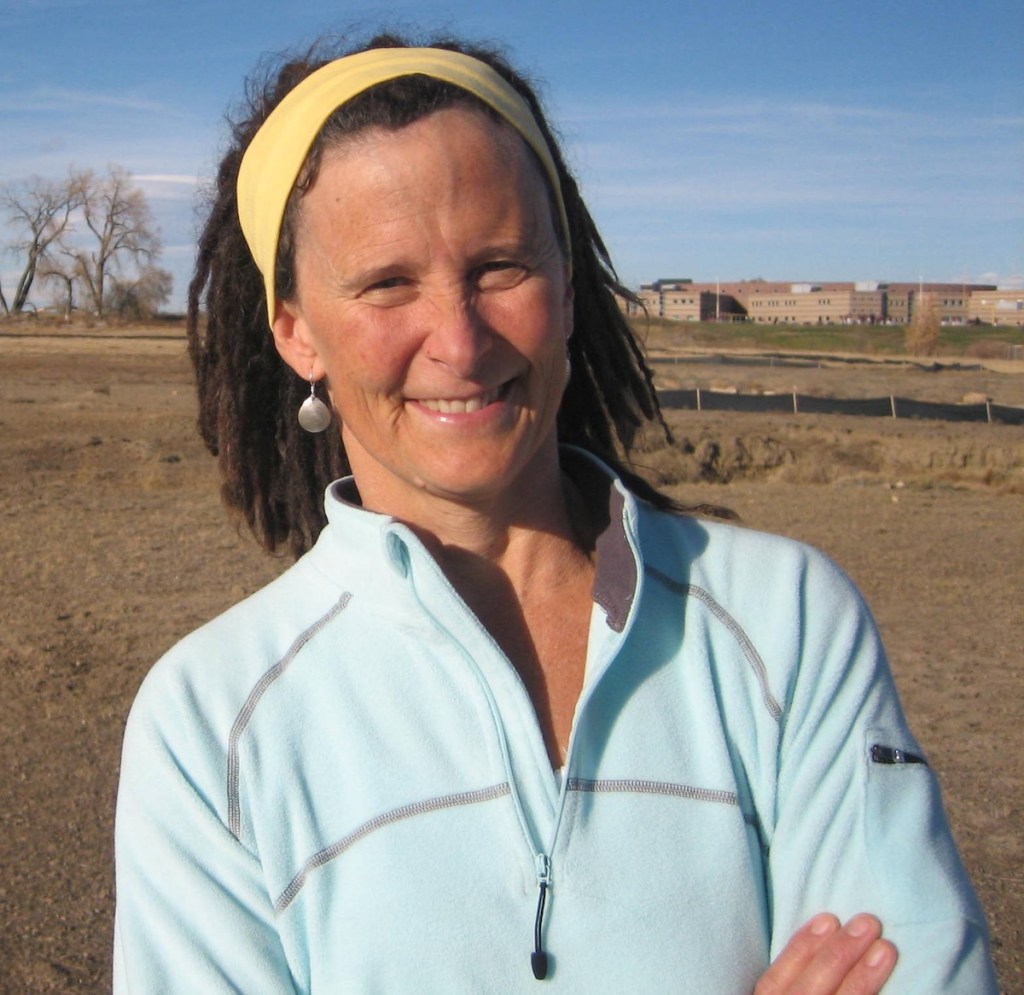
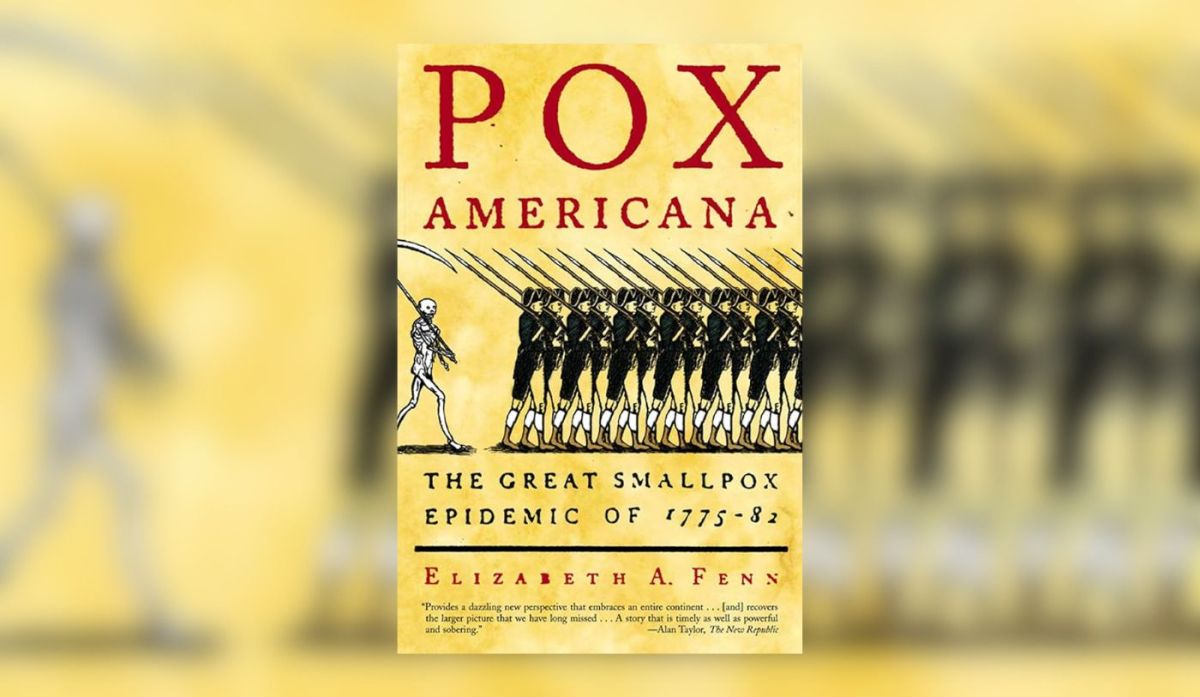
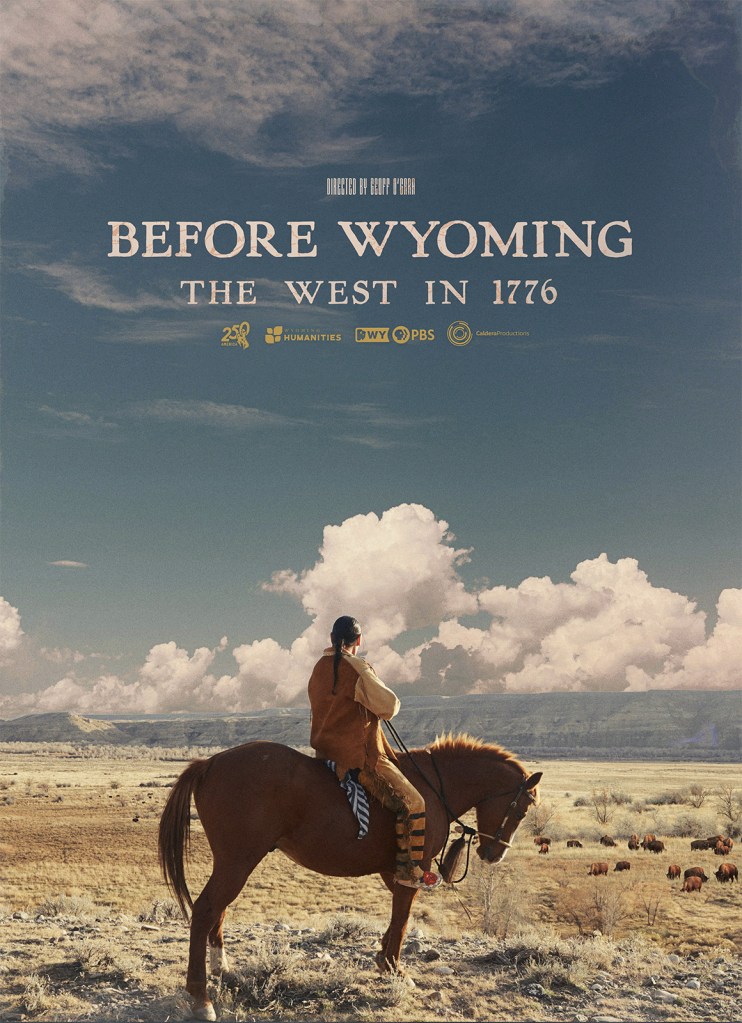
Fenn will give a free lecture based on her book, “Pox Americana: The Great Smallpox Epidemic of 1775-82” at 6 p.m. Thursday at the museum in downtown Jackson. Recently retired from the University of Colorado, Boulder, the history professor is also one of the historians featured in a new film touring Wyoming. “Before Wyoming: The West in 1776,” which will screen at 6 p.m. Friday at the Lander Library. The showing will include a Q&A with the film’s director Geoff O’Gara and co-producer Lynette Sinclair.
“We’re in this period of commemorating the 250th,” O’Gara said. As the Revolutionary War unfolded along the Atlantic seaboard, another revolution of sorts engulfed the West. “Elizabeth Fenn has done groundbreaking scholarship to show the enormous impact European diseases had on Indigenous communities — many more lives were lost to smallpox in the West than were lost in the fighting back East during the Revolution.”
From 1775 to 1782, a smallpox epidemic spread across all of North America. Fenn first started writing about the topic as an undergraduate for her thesis on Native Americans and the Hudson Bay fur trade in Canada. Smallpox was an afterword in her thesis. A decade later, a friend handed her French writer Jean Giono’s novel, “The Horseman on the Roof,” set during a cholera epidemic in Europe.
“It blew me away,” Fenn said. “It catalyzed these memories of that final afterword from my thesis.” Could she write about smallpox the way he did about cholera?
Infectious diseases illustrate the reality of connections between people, she said. During the era of the American Revolution, smallpox had far-reaching consequences.
“Nobody at the time could have appreciated that they were part of this massive — really it was a hemispheric — experience,” she said. “I believe that the Jackson Hole area was particularly important when it came to the dissemination of smallpox across the Northern Plains and to the Northwest and Northwest Coast.”
How the disease spread showed how vibrant commerce, trade, warfare and other interactions existed throughout the region, she said.
Along the East Coast, smallpox spread among the Continental Army, and George Washington mandated inoculation for soldiers in 1777. Most British troops were immune to smallpox while Americans, regardless of ethnicity, did not have prior exposure to the disease.
“It is entirely possible that the Americans would not have won the Revolutionary War if Washington had not decided to inoculate his troops,” Fenn said. “Now that’s an exercise in counter-factual history. I can’t say for sure. It was a hugely important decision.”
And a tough one. Inoculation involved giving people a live infection through an incision in the hand or arm, she said, stressing that inoculation is not the same as vaccination.
“It was not to be taken lightly,” Fenn said. “It was a very dangerous procedure by our standards.”
But smallpox was deadly, killing about three out of every 10 people who became infected, according to the U.S. Centers for Disease Control and Prevention.
From smallpox to measles
Smallpox had a higher case fatality rate than measles, which is surging in the U.S. this year. Fenn comes to Jackson as the Tetons are experiencing a measles outbreak.
“Measles is one of the most infectious diseases,” she said. “It spreads like wildfire.”
There’s some indication that measles and smallpox may have been conflated in the past since both result in little dots pushing through the skin’s surface, she said. Though not as deadly as smallpox, measles can still be fatal, Fenn added.
“Pox Americana” published in September 2001, a time when the Sept. 11 terrorist attacks sparked concerns that rogue states would release smallpox as an act of biological warfare, a concern that plagued Washington during the Revolutionary War. Fenn also has written about accusations and incidents of biological warfare with smallpox in 18th century North America.
European conquest
Fenn is also the author of “Encounters at the Heart of the World: A History of the Mandan People,” which won the Pulitzer Prize. The Mandans were a semiurban, almost agricultural people living along the Upper Missouri River in North Dakota. Living in more densely populated communities made the Mandan more vulnerable when smallpox struck, she said.
“Smallpox is one of the factors that enables European conquest,” Fenn said. “What would have happened if disease had not been a part of colonization?”
Following Fenn’s lecture, American scholar Alan Taylor will give a talk Aug. 13 at the Jackson Hole History Museum about westward expansion, Native peoples and the creation of the constitution and future states, including Wyoming. Taylor is currently the Thomas Jefferson Memorial Foundation Professor of History at the University of Virginia.
Meanwhile, the film, “Before Wyoming: The West in 1776,” will continue its tour through Dubois, Laramie, Riverton, Worland and Cody with television broadcast scheduled for September.
The film expands the story of the American Revolution beyond the Eastern colonies to the vast interior of the continent.
“It explores the Northern Rockies and Great Plains as a living, dynamic world shaped by thriving Indigenous nations, shifting alliances, and the early arrival of horses, firearms, disease, and trade,” the film’s website states.
Viewers may watch the digital premiere at 9 p.m., Friday, Sept. 11, on the Wyoming PBS YouTube channel, followed by the broadcast premiere at 9 p.m., Tuesday, Sept. 15, on Wyoming PBS.
As America celebrates its 250th anniversary, WyoFile is taking a closer look at Wyoming’s contribution to the evolution of American governance for the people and by the people. Find our “America 250: State of Equality” series under special projects.