


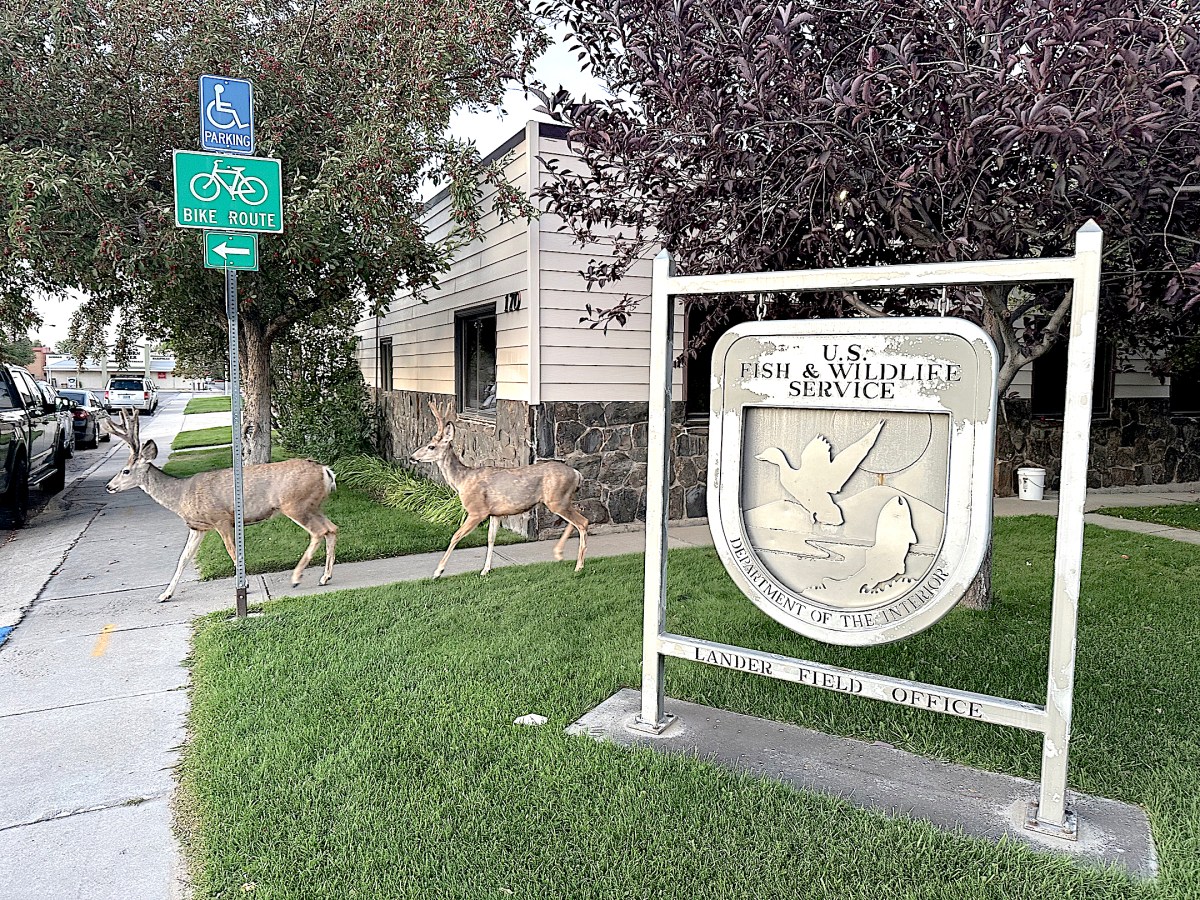
For the second time in four decades, tribal nations and other advocates have successfully fought off efforts to close a federal office devoted to wildlife conservation on the Wind River Indian Reservation.
Mere months ago, staff were told the U.S. Fish and Wildlife Service’s Lander Conservation Office was among seven federal facilities in Wyoming that were being closed as part of the Department of Government Efficiency’s downsizing efforts, then led by billionaire Elon Musk. Subsequently, the Eastern Shoshone Tribe and Shoshone and Arapaho Fish and Game Director Art Lawson urged the Trump administration to reverse course and spare the office that’s been integral to the historic return of healthy wildlife populations within the Yellowstone-sized Wyoming reservation.
The lobbying worked.
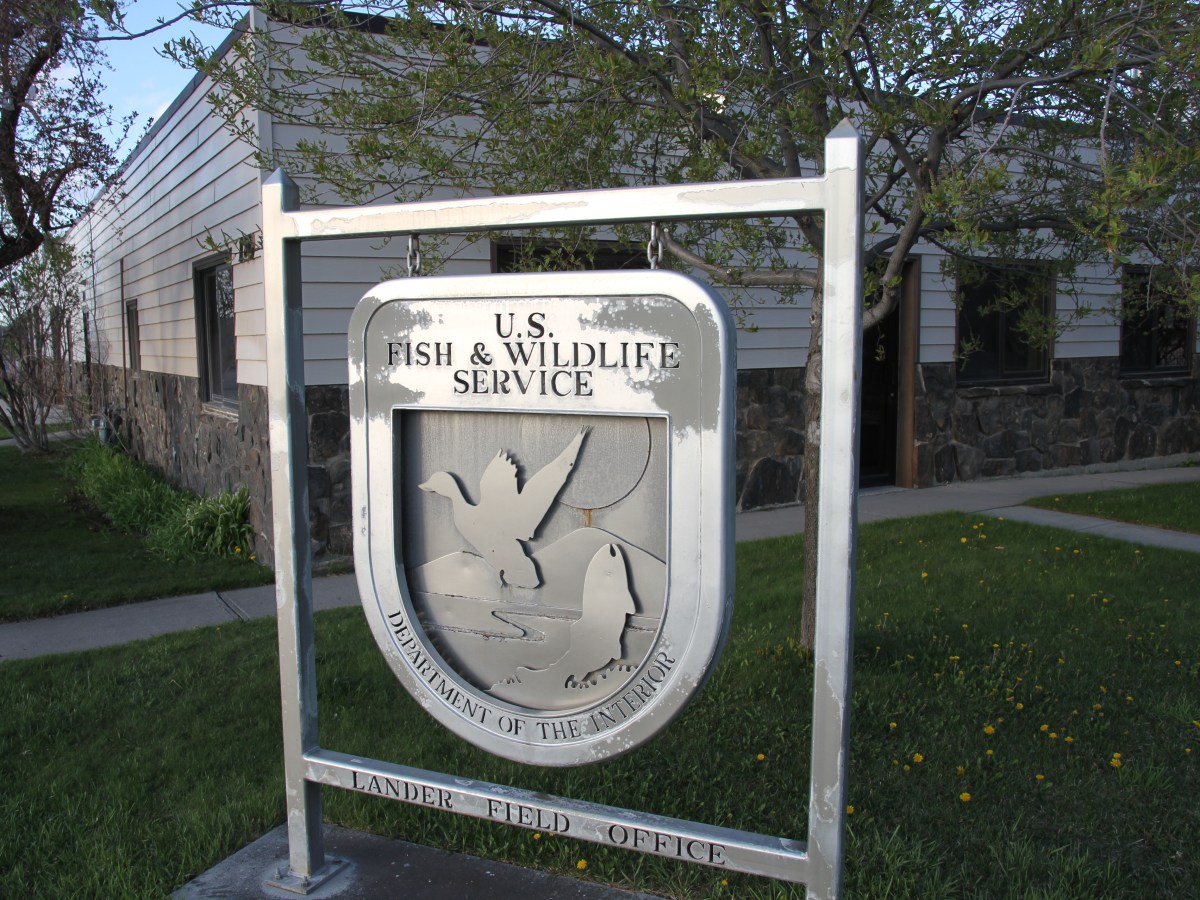
Recently, the U.S. General Services Administration sent an email to the office and the property owner in Lander informing the parties that the federal government’s lease could continue at the site, according to a source familiar with the situation.
“It basically said, ‘Keep going on with the current contract,’” said the source, who WyoFile granted anonymity for fear of reprisal.
Fish and Wildlife public affairs officials weren’t able to be immediately reached for this story.

But U.S. Interior Secretary Doug Burgum also confirmed the Lander office’s continued existence in a June 11 exchange with U.S. Sen. John Barrasso.
“The Lander, Wyoming, office is an important office, and we’re going to make sure that it’s staffed and able to execute … their important duties,” Burgum testified in the Senate Energy and Natural Resources Committee hearing.
Federal workers, Burgum added, will continue to complete their duties in person at the office, located on 1st Street in downtown Lander.
Until the Lander-based federal workers received word they could stay, they’d been anticipating losing their office next March.
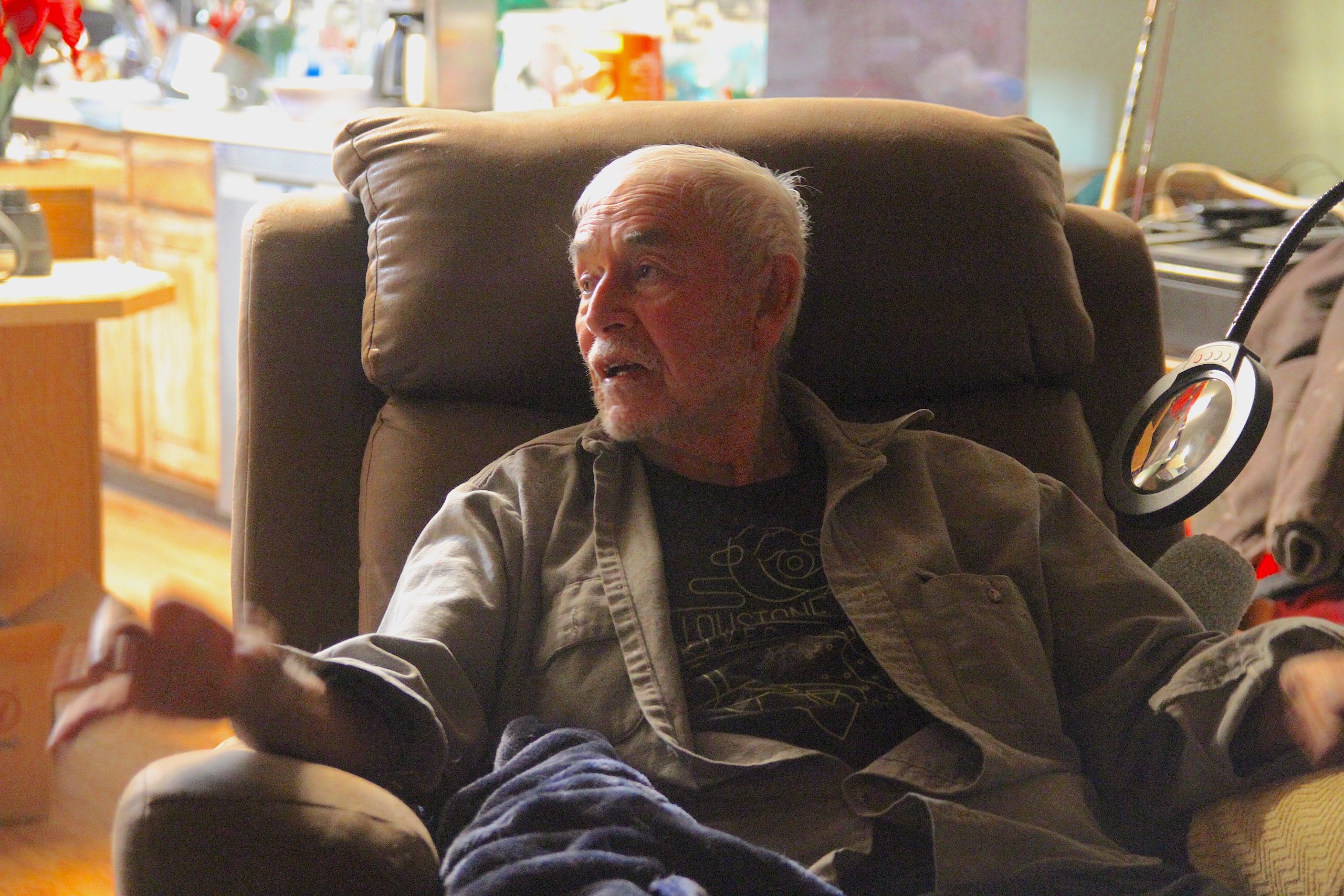
The stay on the Lander Fish and Wildlife Conservation Office’s closure marks the second time in 43 years that plans to shutter the facility have failed. Back in 1982, there were efforts within the federal government to close the office, but its founder, Richard Baldes, pushed back and prevailed.
“Only because of support from the tribes,” Baldes told WyoFile last winter. “They got Wyoming congressional support [in 1982]. And the director of the U.S. Fish and Wildlife Service at the time was supporting this office, and the National Wildlife Federation.”
It’s unclear what other federal offices in Wyoming being DOGE’d have similarly received word of a reversal of fortune, though the Dick Cheney Federal Building in Casper reportedly also came off the chopping block. Federal agencies under the second Trump administration have often been barred from disclosing workforce and facility cuts to the public, and media inquiries typically yield no information.
Other offices told they were being closed for cost-saving purposes included the U.S. Geological Survey’s Water Science Center in Cheyenne, U.S. Attorney’s Office in Lander, Social Security Administration facility in Rock Springs, Mine Safety Health Administration Office in Green River, and the Federal Motor Carrier Safety Administration office in Cheyenne.
Pushing back matters. Keep it up!
Well done. The difficult job of enticing MAGA leaders to listen to reason often seems impossible, but you did it in this case. My experience in consulting indicated how hostile some right-wingers were to tolerating ANY elements of the existence of Tribal reserves, especially as to the environment. I am very pleased how you achieved a bit of real success. Keep up the good work.
Why is it so important?? What exactly do they do?? Seems relevant but apparently not. Apparently all that matters is that money will continue to be spent. Seems a little telling…
What they do is provide modern day professional wildlife and fisheries management too 2.2 million acres of the finest wildlife and fisheries habitat in Wyoming.
Good news, since the USA is going bankrupt regardless.
Take whatever we can get, right?
Great news. Endless pressure endlessly applied works.
Now maybe we can work to preserve the Co-Op units at the various land grant universities, such as the University of Wyoming.
Thank goodness.