

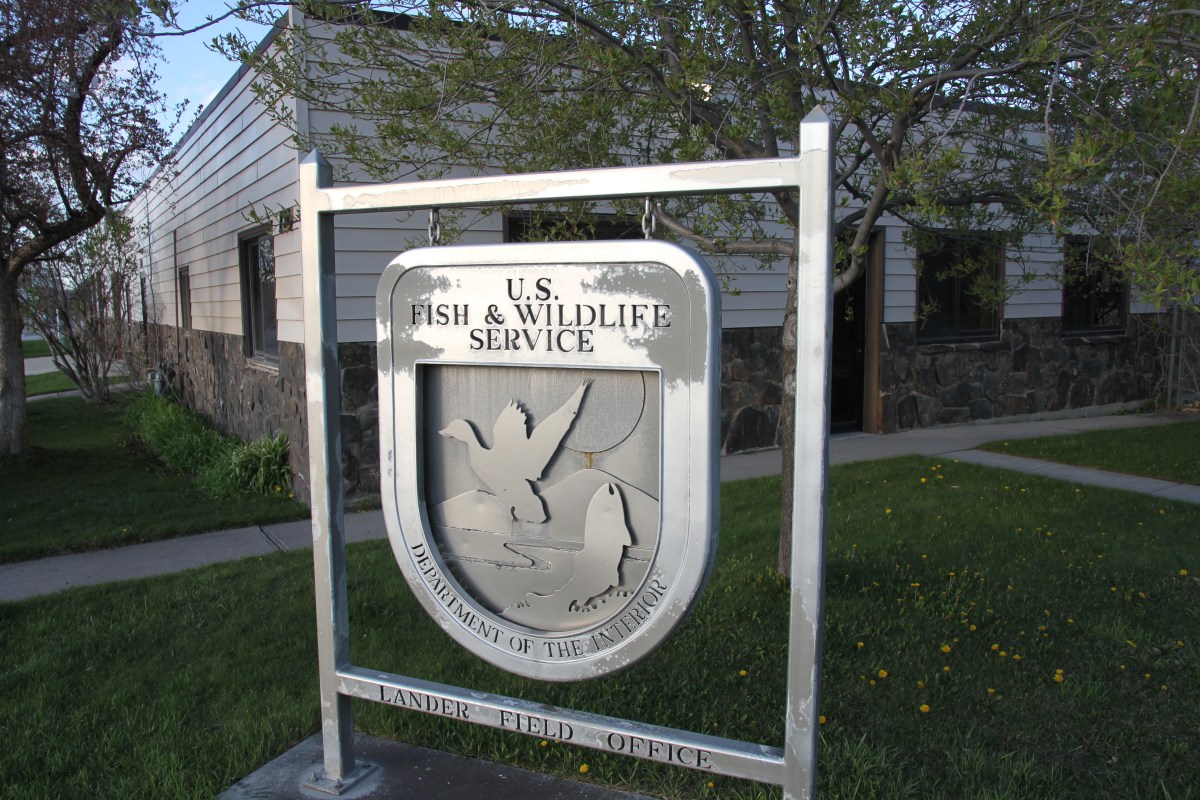
FORT WASHAKIE—Art Lawson sometimes feels like he’s doing the work of five people in his job overseeing wildlife on the Wind River Indian Reservation, a Yellowstone-sized landscape that’s home to the full suite of native species, from grizzly bears to wolverines.
The Department of Government Efficiency’s planned closure of the U.S. Fish and Wildlife Service’s Lander Conservation Office after its lease ends in March could increase the Shoshone and Arapaho Fish and Game director’s workload further yet.
“That would give me three more jobs to do,” Lawson told WyoFile from his office this week. “It would put us in a world of hurt, without those guys.”
The possible loss of the Lander Fish and Wildlife Conservation Office, which is devoted to assisting the Eastern Shoshone and Northern Arapaho tribes, was worrisome enough that Lawson decamped from his west-central Wyoming home this spring to try to sway the outcome.
“We hadn’t gotten any responses,” Lawson said. “I even flew to DC to get questions answered.”
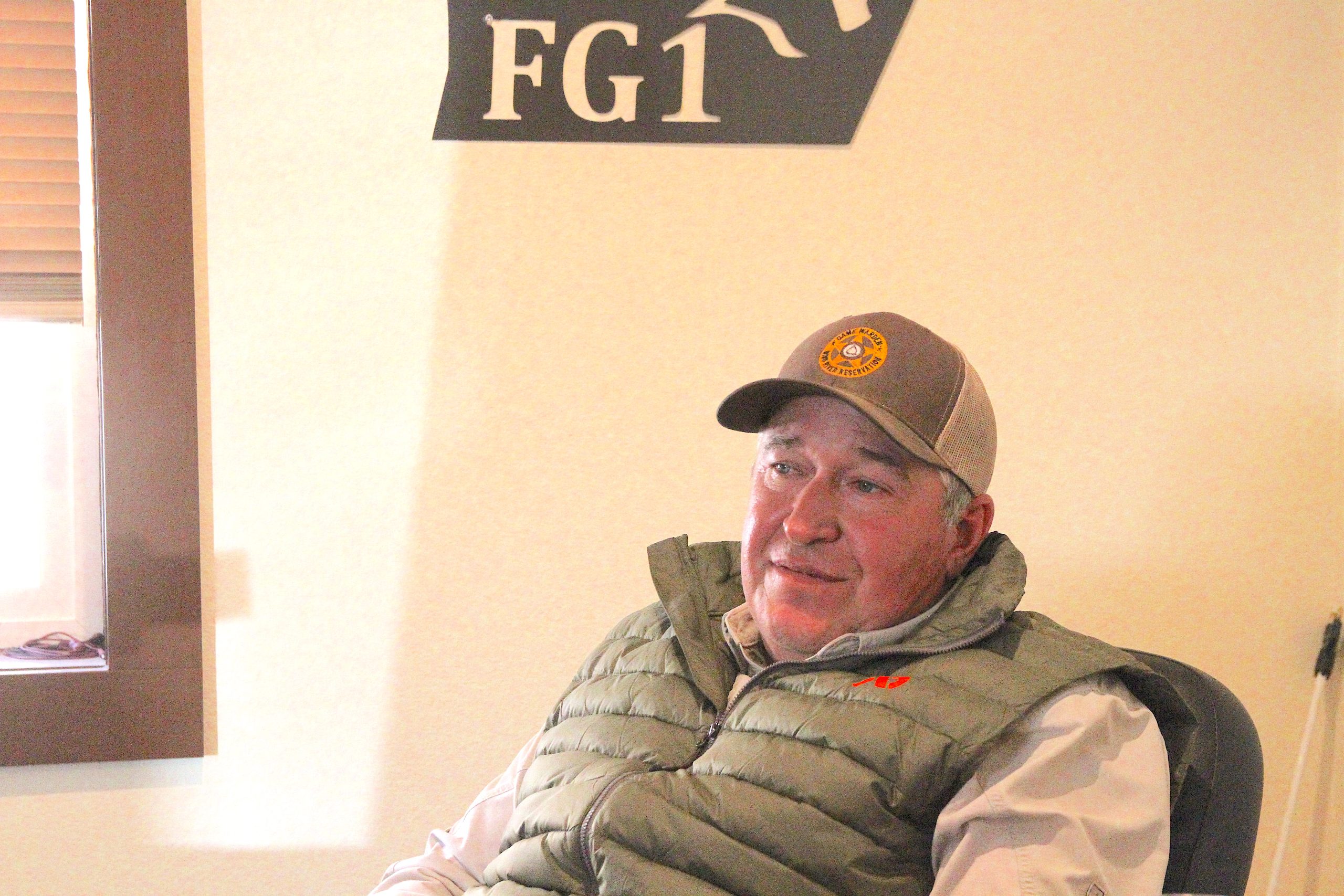
But meetings with U.S. Sen. John Barrasso and U.S. Rep. Harriet Hageman — two-thirds of Wyoming’s congressional delegation — yielded nothing, he said.
“They didn’t have any information to give,” Lawson said.
The absence of information suggests that Wyoming’s delegation is also being kept in the dark about the reported federal office closures — there are at least seven — affecting their constituents.
Started by biologist Richard Baldes in the 1970s, the office and the Fish and Wildlife Service’s presence in the area were instrumental to the establishment of a tribal game code and the return of species like pronghorn and bighorn sheep, which had been drastically reduced by decades of unregulated hunting.
“Dick Baldes, and everything he’s done in the past, it could all be wiped away in the blink of an eye,” Lawson said. “It’s pretty scary.”
Lawson, who is a Northern Arapaho member, is not alone in encouraging the federal government to reconsider the planned closure of the Lander facility. This spring, the Eastern Shoshone Tribe’s business council signed off on a resolution that emphasized its support for the federal facility.

“Be it further resolved, that the Shoshone Business Council urges the federal government to restore funding for the Land[er] Fish and Wildlife Conservation Office and cease efforts to eliminate, reduce, or dismantle this office so that these critical activities and federal trust responsibilities continue,” the resolution reads.
According to its website, the Fish and Wildlife Service’s Lander Office and the agency’s Partners for Fish and Wildlife Program have assisted in the restoration of over 50,000 acres of sage-steppe, 1,700 acres of wetlands and 26 miles of river.
Support from the Eastern Shoshone Business Council was unanimous, the resolution stated.
WyoFile’s efforts to reach the Northern Arapaho Business Council, whose members share the Wind River Indian Reservation with the Eastern Shoshone, were unsuccessful.
The Fish and Wildlife Service’s leadership under the Trump administration is likely to include at least one official who’s familiar with the agency’s Lander Conservation Office. Wyomingite Josh Coursey, a longtime president of the Muley Fanatic Foundation, was presidentially appointed to a yet-to-be-titled Fish and Wildlife Service post last month. And the nominee for director, Brian Nesvik, is a former Wyoming Game and Fish Department director who’s cleared his first two congressional hearings and is awaiting confirmation from the full U.S. Senate.
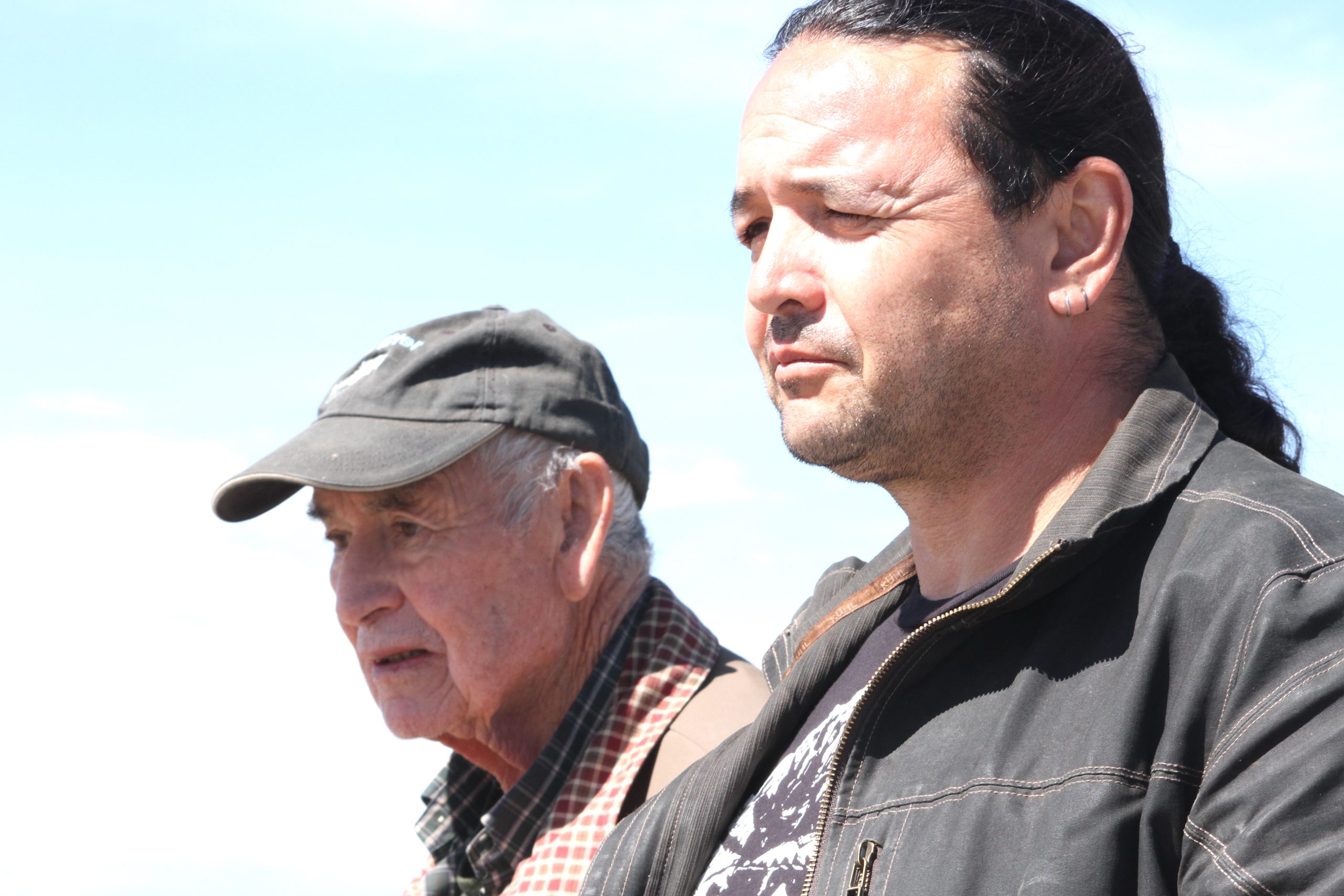
Jason Baldes — Richard Baldes’ son — played a role in the Eastern Shoshone’s resolution. He said it remains to be seen if Nesvik will use his influence to advocate for the Lander office’s continuation. (Disclosure: Jason Baldes’ wife, Patti Baldes, is a member of WyoFile’s board of directors, which has no editorial oversight.)
“I would think that [Nesvik] would be amenable to understanding the tribe’s position, and that he wouldn’t dispute the importance of the Fish and Wildlife Service’s presence,” Jason Baldes said. “But how far is he going to take that? Is he going to ensure that the Lander Field Office remains?”
In 1982, the Service’s Lander Conservation Office had been slated to close, according to Richard Baldes. Ultimately, however, it survived thanks to support from the tribes and Wyoming’s congressional delegation.
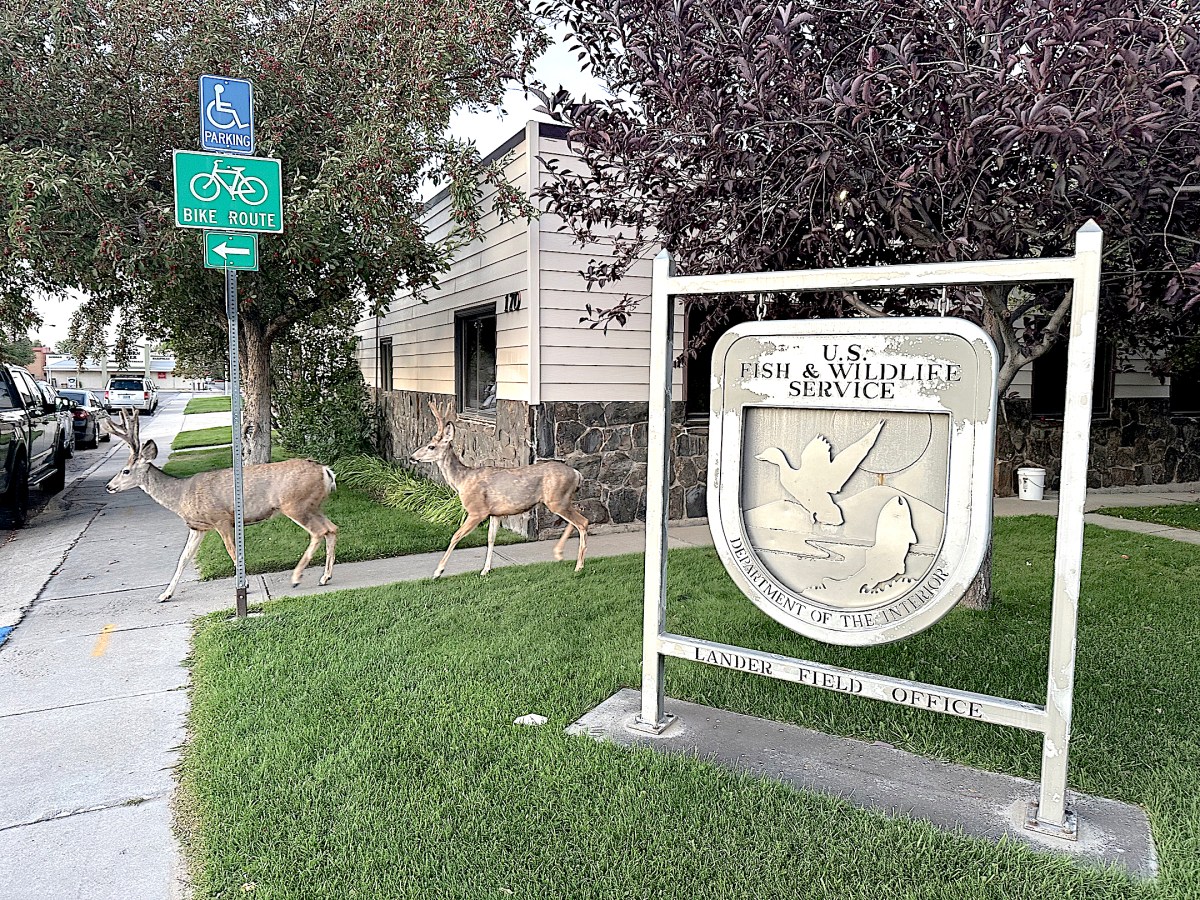
Some 43 years later, the push from Lawson, Baldes and the Eastern Shoshone Tribe has not yet produced the same outcome. Administratively, Fish and Wildlife staffers have also put in a request to reauthorize the Lander Conservation Office, according to a source familiar with the situation. WyoFile is granting the person anonymity because of fear of reprisal. But at least so far, efforts to protect one of Fish and Wildlife’s only offices focused on tribal land wildlife have fallen flat.
“It’s still canceled,” the source said. “Everybody is frustrated.”
Fish and Wildlife’s public affairs office in Washington, D.C. — the regional communication teams were recently eliminated — did not respond to WyoFile’s inquiry by the time this story was published.

Be GREAT TIME for tribe to take on these responsibilities. It is their land.
To save part of American history and landscape after years of preservation have proved to work would be a disservice to all America! It may seem to be a small part but it is essential!
Wyoming clearly voted to sacrifice its public lands to fund deporting immigrants which is reflected in the budget priorities published by the Trump Administration.
https://www.emptywheel.net/wp-content/uploads/2025/05/Screenshot-2025-05-09-at-10.12.30.png
Greg. So evidently you are fully behind allowing non citizens or illegal migrants to stay? If you support them staying and living off all US citizens tax dollars—-both born citizens and migrants that came here and EARNED their citizenship. I suggest you take full financial guardianship of 10-12 families your self. Be fully responsible for them and help them earn citizenship. Sign your name on dotted line and get them a green card/SSN. You teach them English and assimilate them into US culture. I fully support deportation. Want more workers? You and your wife start birthing more kids. After all we wouldn’t have the worker shortage if democrat women hadn’t aborted 60 million since 1974. Let’s call them would have been Democrat voters they killed off.
Wyoming and.nonresident hunter’s may ask themselves “so what” i can’t hunt on the WR Reservation. No one knows “offically” even though studies have started, but if you live or hunt within 200 mile radius of Wind Rive Rez., the Elk, Mule deer or Pronghorn that you killed last year was probably born on Wind River Rez.
The parturition habitat for ungolate’s on Wind River Rez is second to none in Wyo for it’s size.
Even though studies have not been completed or released,.Wind Rier Rez.provides a migratory corridor for thousand, if not more of migratory wildlife.
It would be a sin aginst nature to not continue to provide professional wildlife and fisheries assistance to WR Rez.