

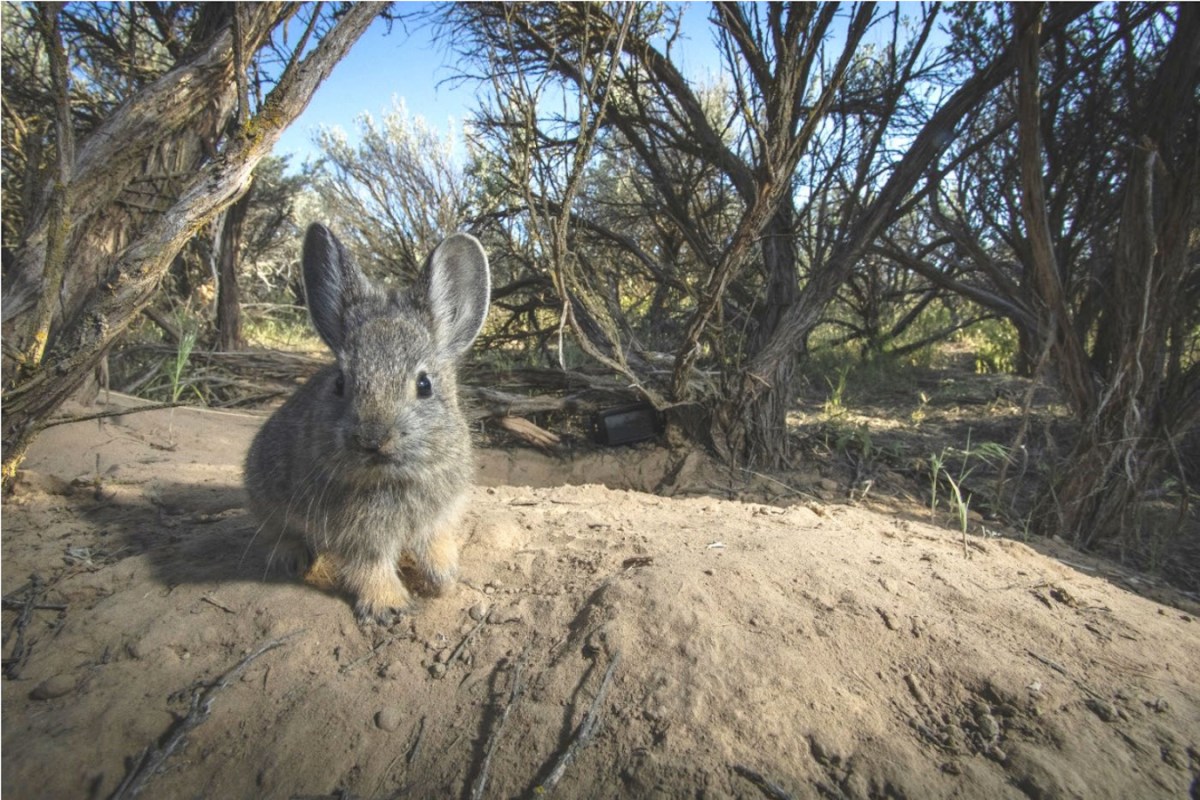
Environmental advocates want the courts to force federal wildlife officials to decide whether pygmy rabbits ought to be protected under the Endangered Species Act.
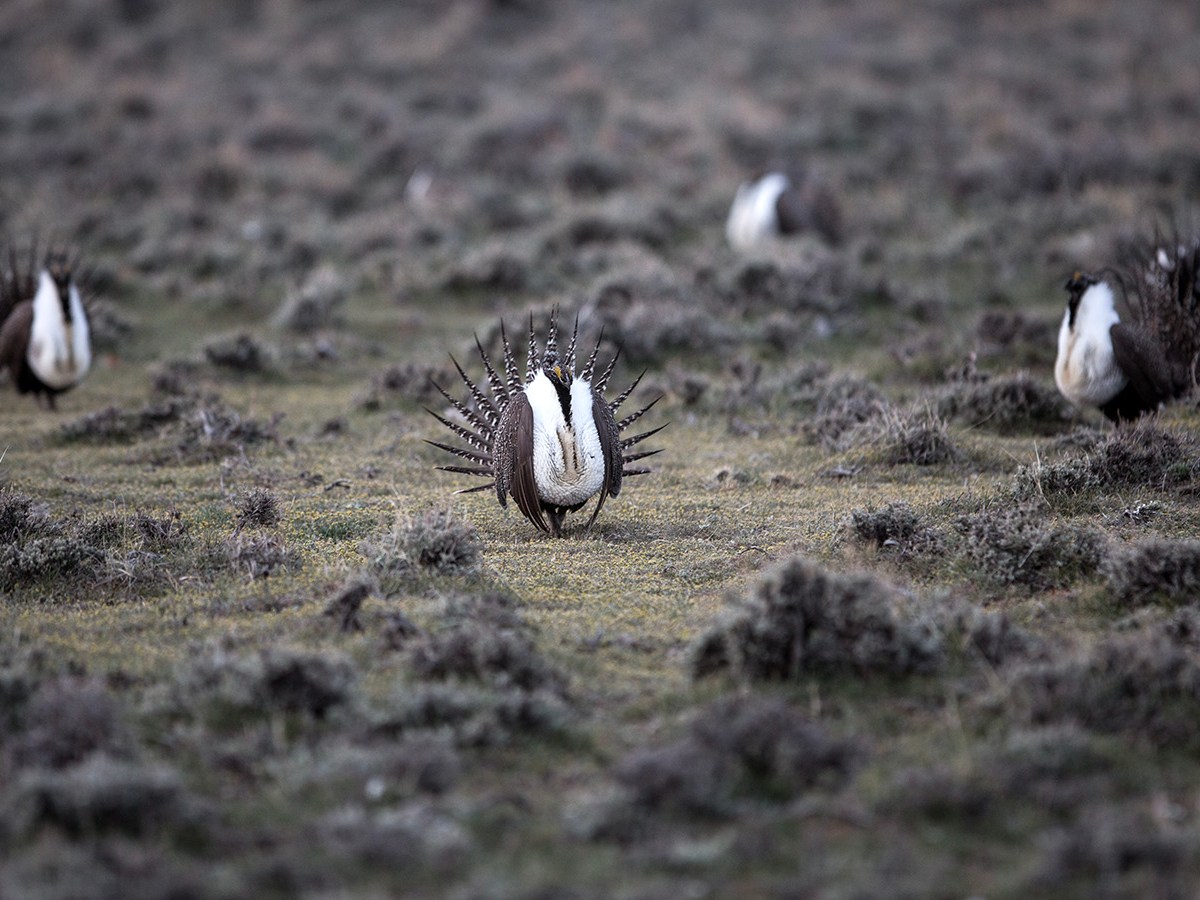
Pygmy rabbits, the world’s smallest rabbits, dwell in southwestern Wyoming and parts of seven other western states. Like the declining sage grouse, pygmy rabbits depend on sagebrush-steppe — an ecosystem also in sustained decline — for their diets, den building and survival.
In early 2024, the U.S. Fish and Wildlife Service, while still operating under the Biden administration, issued a “90-day finding” indicating there was “substantial information” that indicated listing pygmy rabbits “may be warranted.”
The Endangered Species Act requires that decisions come within a year — the next step in the process is known as a “12-month finding.” With that resolution still in limbo, Western Watersheds Project and WildEarth Guardians sued on May 13.
“With deadline lawsuits, you either met the deadline or you didn’t,” said Greta Anderson, deputy director at the Western Watersheds Project. “It’s pretty straightforward, and there’s not any dispute over the facts. Hopefully, our lawsuit will compel them to address pygmy rabbit populations sooner rather than later, and certainly before it’s too late.”
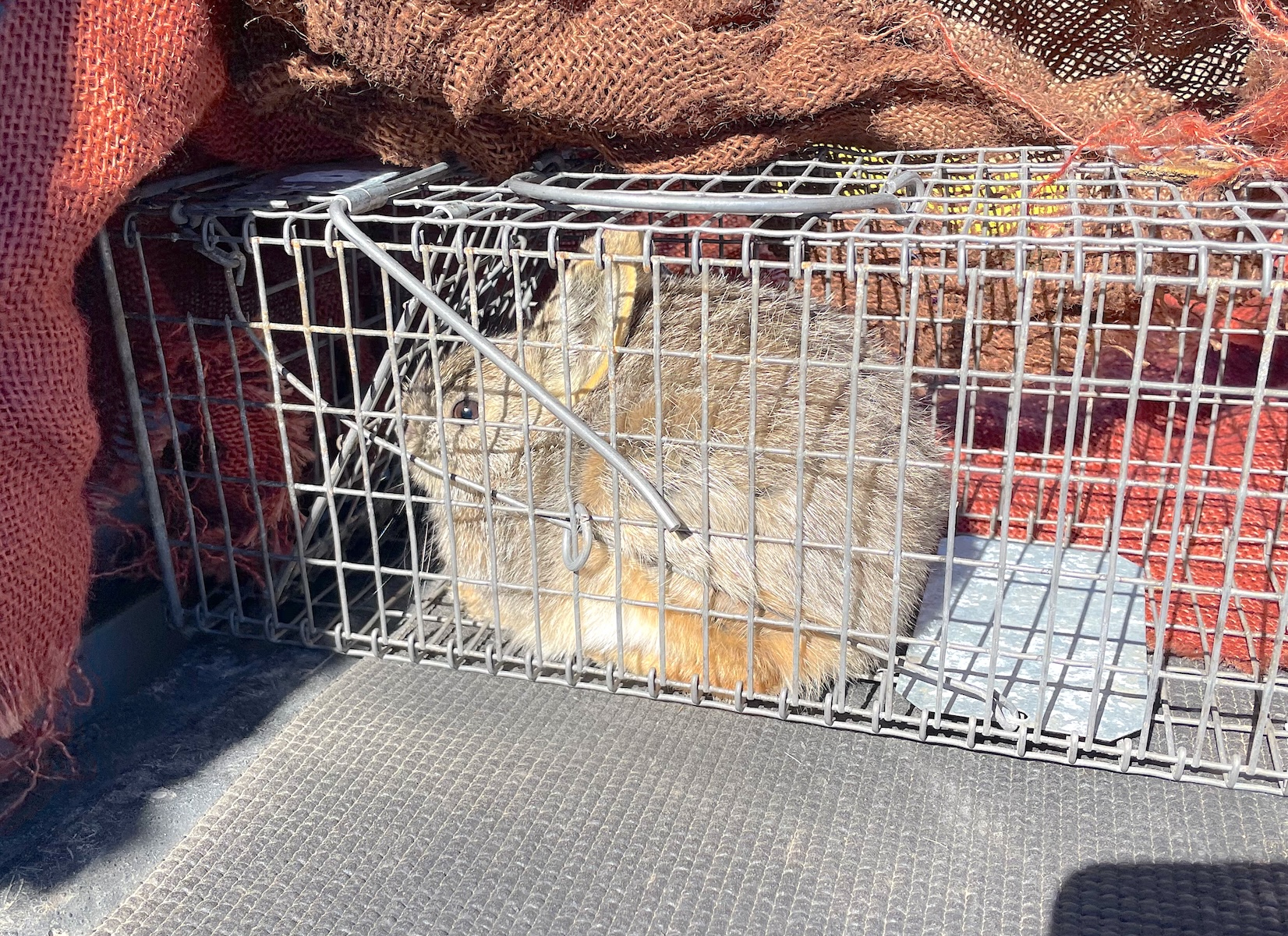
U.S. Fish and Wildlife Service Director Brian Nesvik is listed as the defendant in the groups’ 15-page complaint, which asks a judge to require a 12-month finding by an undefined new date.
Fish and Wildlife spokesperson Christine Schuldheisz told WyoFile in an email that the agency has no comment on active litigation.
The agency has 60 days to respond to the lawsuit, Anderson said.
A “listing workplan” suggests Fish and Wildlife will decide on pygmy rabbits in fiscal year 2028. Nearly 100 other species — from the Yellowstone bison to the Rio Grande shiner — are slated for fiscal years 2026 and 27 and are ahead of the pygmy rabbit in the workplan.
Anderson argued that there’s an urgent need for federal wildlife managers to make a decision. The emergence of rabbit hemorrhagic disease in Nevada — there was a “rapid decline” of pygmy populations near Jiggs — presents a new threat to the species, she said.
“We want to really light a fire under the wildlife agencies to try to figure out what’s going on,” Anderson said. “Nothing would make me happier than to find out that the states think pygmy rabbits are secure and flourishing and in more places than we thought. I just don’t think that’s the case.”
There are some bright spots.
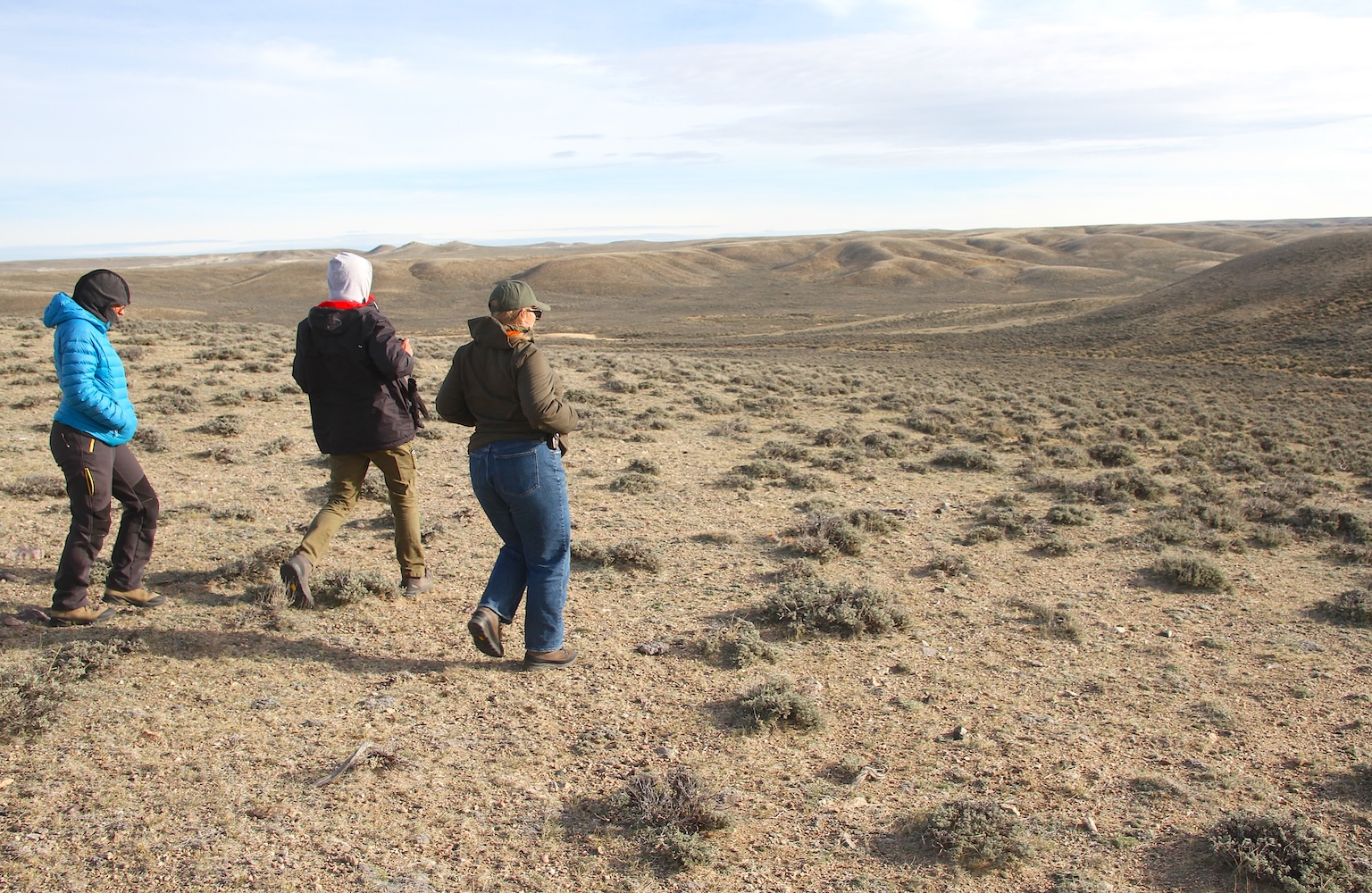
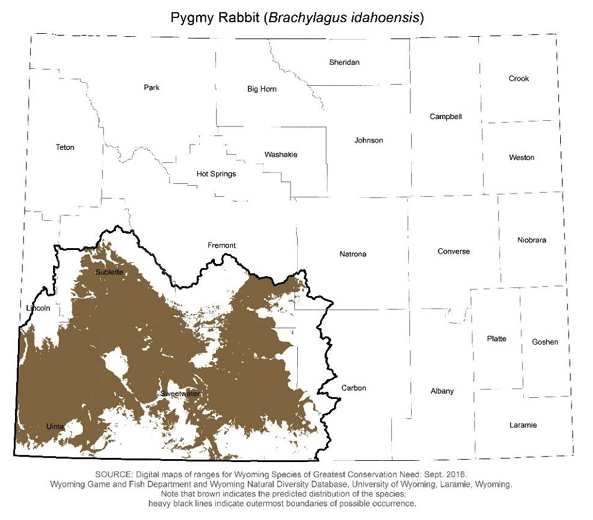
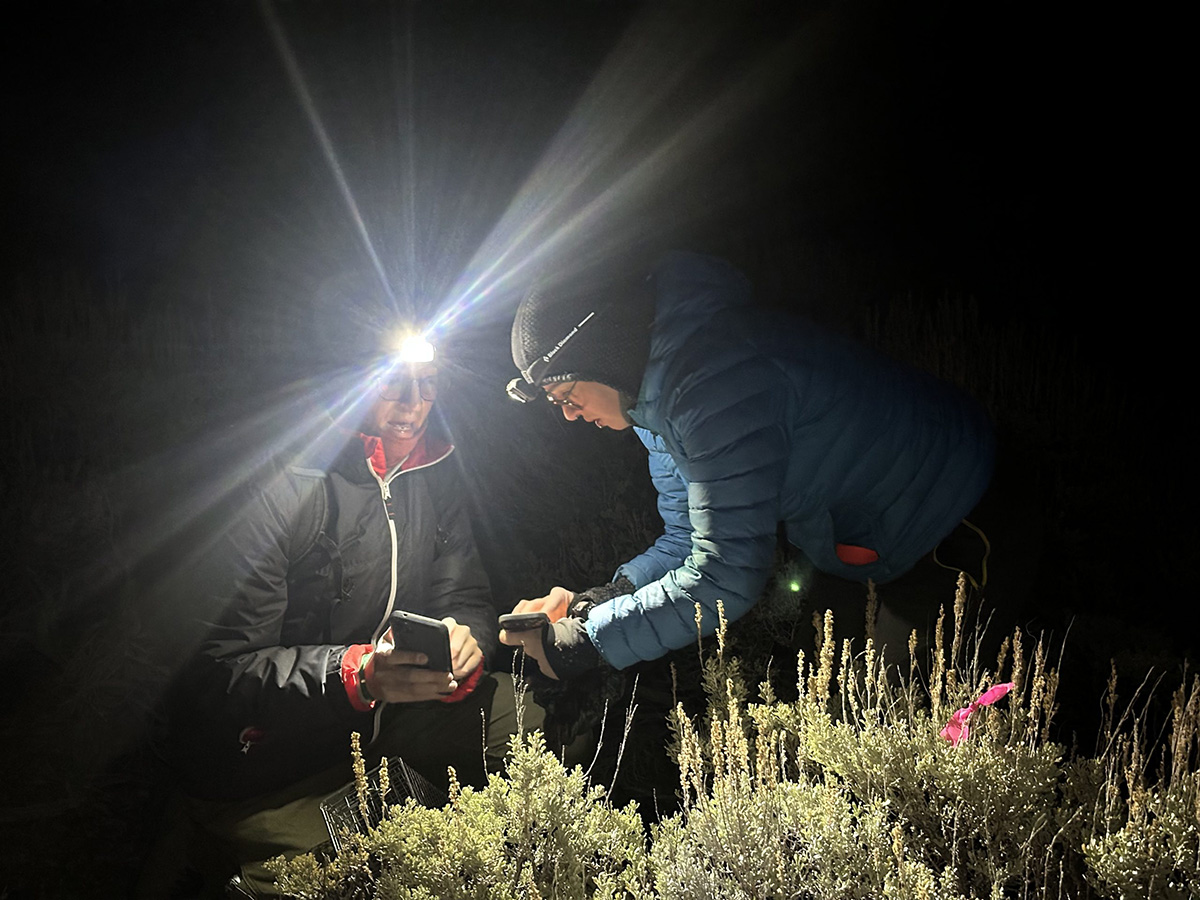
In Wyoming, where pygmy rabbits are a “species of greatest conservation need,” biologists say that populations have fared pretty well relative to other parts of the animal’s range. Earlier this year, biologists searched for pygmy rabbits in 108 different locations and found signs of them at about half those sites. The species has been documented in Wyoming’s southwest corner, with observations in Uinta, Lincoln, Sublette, Sweetwater, Fremont, Carbon and Natrona counties.
Still, threats to pygmy rabbits are many. They’re thermally sensitive and could potentially lose parts of their range as the West heats up. Energy development and sagebrush treatments intended to help other species can also reduce their habitat. When the Fish and Wildlife Service found that listing pygmy rabbits “may be warranted” in 2024, the agency cited “the compound effects of fire, cheatgrass, and climate change. ”
“They are an indicator species for the health of the whole ecosystem,” Anderson said. “If pygmy rabbits aren’t there, it’s a sign that something’s wrong with the sagebrush-steppe — much like the sage grouse.”
Environmental groups previously petitioned to list pygmy rabbits in 2003. Although the Fish and Wildlife Service forwent protections for the broader species, the agency did assign an “endangered” status for an isolated, genetically distinct population in Washington.
Judges intervene in Endangered Species Act deadline disputes with some regularity.
In December 2024, for example, U.S. District Court of Wyoming Judge Alan Johnson gave the Biden administration’s Fish and Wildlife Service 45 days to decide on the status of grizzly bears.
The resulting proposal intended to keep grizzlies listed as threatened in the Yellowstone region and across their Lower 48 range, though the Trump administration has delayed finalizing that plan and was granted an extension to make its final decision by Dec. 18.
