


The U.S. Forest Service has again hit pause on the Tensleep Canyon Climbing Management Plan — a years-in-the-making effort intended to guide the establishment of climbing routes in the popular and contested canyon.
This time, the agency cites two reasons it needs more time. First, the Bighorn National Forest Powder River District ranger position is currently unstaffed. Thad Berrett was hired for the job in January 2022, but the position has been vacant since October, according to the agency.
The second is to gain more time to consult with several Native American tribes that requested more work be done on the plan.
The agency had aimed to implement the finalized plan this month. Instead, Forest Supervisor Andrew Johnson decided to adjust the project timeline and release a draft environmental assessment after a new district ranger takes over, according to the agency. That will put implementation several months or longer out.
A plan draft released in fall 2023 heartened some area climbers because it proposed an end to a climbing route development ban that’s been in place since 2019 in the recreation destination.
Instead, the plan draft laid out actions to more selectively manage the proliferation of bolted sport climbing routes along the canyon’s cliffs, which draw hordes of climbers each year and became the focus of a development controversy that roiled the canyon before the 2019 ban.
Proliferation of routes
The plan aims to help the district grapple with management challenges related to Tensleep Canyon’s growing popularity as a recreation destination. With roughly 1,350 established routes, the canyon is one of the most popular sport-climbing destinations in the Northern Rocky Mountains, according to the U.S. Forest Service.
Sport climbing is characterized by the use of metal anchors permanently bolted into the cliff face. Climbers attach carabiners and ropes to them as they ascend.
The 2005 Bighorn National Forest Land and Resource Management Plan predicted the sport would require formalized management; it included recommendations to develop a climbing plan. Those predictions came true. Climbers have flocked to Tensleep Canyon in growing numbers, resulting in symptoms of overuse such as rogue trails, traffic congestion and improperly disposed waste.
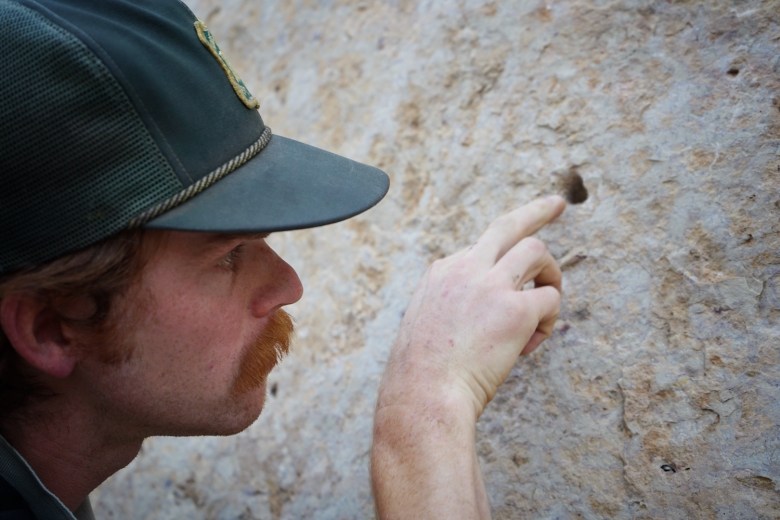
The discovery of manufactured climbing routes — sculpted or altered by human means like glue and drills — also fueled a contentious battle among climbers over ethical development. That controversy culminated in a nighttime raid by individuals who manually chopped bolts from rock faces.
Following these heated actions, the Forest Service in July of 2019 halted the establishment of any new climbing routes or trails in the entire Bighorn National Forest. It then began working on the proposal, which stands to be one of only a handful of Forest Service plans in the country specifically focused on climbing.
The district initiated a scoping process in 2021, but the process was put on ice after then-District Ranger Traci Weaver and other key players left their positions. Berrett stepped into Weaver’s role several months later, and started the process anew in 2022. The second round of preparation included conducting a comprehensive inventory of the canyon’s existing routes, trails and facilities.


The scoping letter, released in October 2023, proposed expressly prohibiting the practice of manufacturing. It also proposed closing certain sensitive areas to development and identifying others where more routes could be installed.
It also put forward plans to improve parking lots along congested areas, remove user-created trails that cause adverse impacts and address improper human waste and pet waste disposal by installing vault toilets and pet waste bag dispensers, among other things.
Shoes to fill, work to do
Upon releasing the scoping letter last fall, the district planned to analyze public comments, work through an environmental analysis and then release a draft environmental assessment for another round of comments.
Staffers did analyze comments and worked through the analysis, according to the agency. But the vacancy of the district ranger position combined with further work required to answer questions of consulted tribes prompted Johnson to adjust the schedule.
The Bighorn National Forest held meetings with tribes throughout 2023 and 2024, the agency said. The planning area has associations with a range of tribes, including the Cheyenne River Sioux, Ogalala Sioux, Crow, Fort Belknap Gros Ventre and Assiniboine, Fort Peck Sioux and Assiniboine, Northern Arapaho, Northern Cheyenne, Rosebud Sioux, Mandan, Hidatsa and Arikara Nation Tribes and Standing Rock Sioux Tribes, according to the agency.

The tribes’ knowledge “was identified as integral to future management decisions within the Tensleep Climbing Management Plan Environmental Assessment project area,” a Forest Service update states.
The Bighorn National Forest is exploring opportunities to conduct traditional cultural surveys performed by tribal historic preservation office staff, the agency said. “These surveys would help facilitate the incorporation of traditional knowledge into management decisions and avoid adverse effects on cultural or natural resources significant to the tribes.”
Good article. Hopefully the banning of route manufacturing will continue. And while actual native archaeological should be protected; a tribe just saying some area is sacred to them is not a reason to close it to others.
There is this thing called separation of religion and government.
I applaud the Forest Service’s efforts to tackle this issue. It is so needed in many areas of the state! The issue is most certainly complicated and sticky, but it appears we are now in a situation of paralysis by analysis. It’s past time to bite the bullet and get this done.
Theere is so little “natural” scenery left, do we really need to have even this area covered with “steps” made of metal? The walls should be left “natural”, that is why folks visit the area….not to watch climbers. Let’s leave some places just for their beauty, not conquering.
There are not metal steps placed in the rock; Google rock climbing bolt to see what is.
And if it was left natural; the road and all trails would be removed; the legal basis for Federal lands is to utilize them for citizen benefits while protecting them for future use as well.
It is beneficial users that keep those who want to privatize public lands from being able to do so.
I am quite sure there are powerful developers who would love to buy it from the government and put in forested estates for the rich that could also have private climbing areas.