

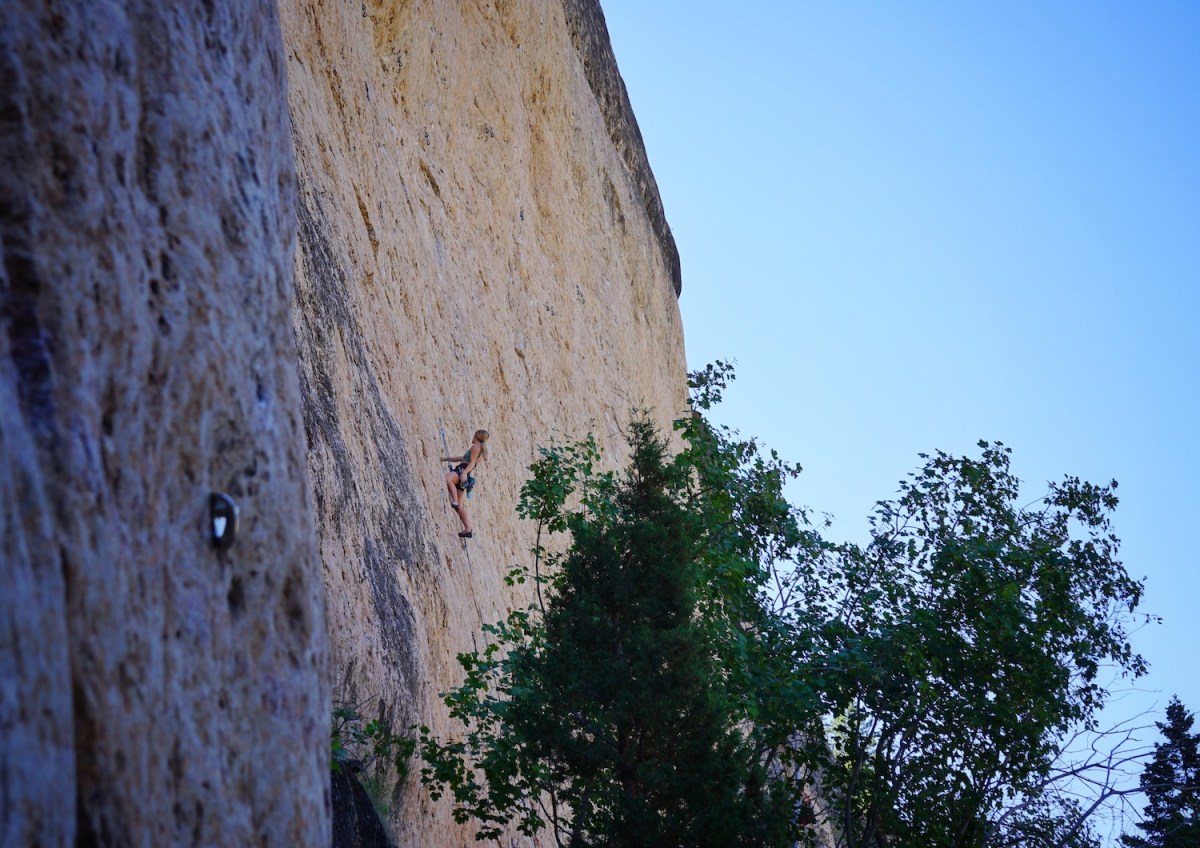
The Bighorn National Forest’s newly released Tensleep Canyon Climbing Management Plan proposal could spell the end of a route development ban that’s been in place in the popular and contested recreation spot since 2019.
Instead, the plan proposes actions to more selectively manage the proliferation of bolted sport climbing routes along the canyon’s cliffs, which draw hordes of climbers each year and became the focus of a development controversy that roiled the canyon before the 2019 ban.
“We’re trying to support the continued enjoyment of rock climbing,” Powder River District Ranger Thad Berrett said. “And then we want to protect the resources consistent with our Forest Plan.”
The climbing management plan proposes to expressly prohibit the controversial practice of “manufacturing” — using drills, glue and other tools to manipulate rock faces for easier climbing routes. It also proposes to close certain sensitive areas to development.
The agency released the plan’s scoping letter last week, kickstarting a period when forest officials gather public input. The ultimate version will dictate the sport’s management in a 26,537-acre area of the Bighorn National Forest.
This is the second iteration of a document climbers have awaited for years. The process was delayed by staff turnover in pivotal roles. Once those were filled, officials opted to start anew, Berrett said. The second round of preparation included conducting a comprehensive inventory of the canyon’s existing routes, trails and facilities.
“We just decided to start again,” Berrett said. “So we used the new [inventory] information, used the information we gathered from the previous scoping and input we received and put together a new proposed action.”
The agency has scheduled two upcoming meetings on the plan, and the public has until Nov. 24 to submit comments.
History
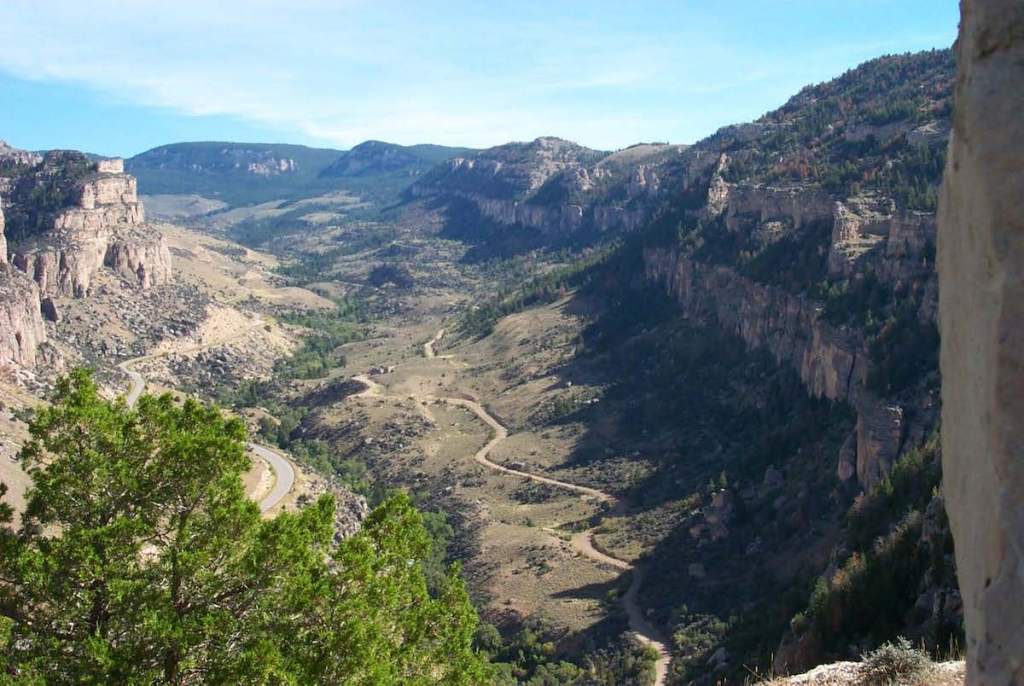
The plan aims to help the district grapple with management challenges related to the Tensleep Canyon’s growing popularity as a recreation destination. With roughly 1,350 established routes, the canyon is one of the most popular sport-climbing destinations in the Northern Rocky Mountains, according to the U.S. Forest Service.
Sport climbing is characterized by the use of metal anchors permanently bolted into the cliff face. Climbers attach carabiners and ropes to them as they ascend.
The 2005 Bighorn National Forest Land and Resource Management Plan predicted the sport would require formalized management; it included recommendations to develop a climbing plan.
Since that time, climbers have flocked to Tensleep Canyon in growing numbers, resulting in symptoms of overuse such as rogue trails, traffic congestion and improperly disposed waste.
The discovery of manufactured climbing routes also fueled a contentious battle among climbers over ethical development that boiled over in a nighttime raid by individuals who manually chopped bolts from rock faces and affixed padlocks to bolts. The practice of manufacturing is widely condemned among climbers — though forest officials also noted the bolt-choppers damaged the resource.
Following these heated actions, the Forest Service in July of 2019 halted the establishment of any new climbing routes or trails in the entire Bighorn National Forest. It then began working on the plan, which stands to be one of only a handful of Forest Service plans specifically focused on climbing.
The district initiated a scoping process for the plan in 2021, but the process was put on ice after then-District Ranger Traci Weaver and other key players left their positions. Berrett stepped into Weaver’s role several months later.
What’s in it
The plan proposes several actions aimed at balancing the sport with human safety and resource protections. They include:
- Improving parking lots along congested areas of U.S. Highway 16.
- Removing user-created trails that cause adverse impacts to cultural and natural resources.
- Prohibiting rock climbing through much of the Leigh Creek Research Natural Area — an area where sensitive plant and animal species have been identified — and removing several climbing routes there.
- Addressing improper human waste and pet waste disposal by installing vault toilets and pet waste bag dispensers.
- Identifying cliff walls available to route development, and prohibiting the placement of new climbing gear on several crags that have been identified as being developed to maximum capacity, having limited parking or not conducive to development.
- Providing a process for route developers to notify the Forest Service of plans to develop a cliff face in a bolting proposal form.

The district will analyze public comments it gathers during this scoping period and then will work through an environmental analysis before releasing a draft environmental assessment for another round of comments, Berrett said. The district is working on its management plan and environmental analysis in tandem, he said, so that it will have the ability to actually implement the finalized plan’s actions and not have to wait on the National Environmental Policy Act progress.
The agency’s goal in developing the plan is to come up with a document that reflects the community’s desires, Powder River Lead Climbing Ranger Ryan Sorenson said. “It’s important for me and I think everybody who worked on this plan that the community has a voice in it,” he said, adding that it’s also designed to be changed as needed.
“I think we’re trying to build in as much of an adaptive framework as we can in this plan, because we really don’t know what’s going to happen and we just want to monitor as best as we can and be able to kind of adapt things as we go on,” Sorenson said.
The Bighorn National Forest will hold two informational public meetings on the climbing plan: a virtual meeting 6 p.m. to 7:30 p.m. on Nov. 13 (register here) and an in-person meeting from 6-7:30 p.m. Nov. 15 at the Ten Sleep High School cafeteria. The agency will accept comments on the plan through Nov. 24.

Devils Tower has for decades has had anchored steel loops to aid rappeling off the national monument. They certainly do not impugn the rock, and add much needed safety to the descent experience. We know lots of “no bolts!” activists who campaign for purity of routes and have at times taken vigilante actions. Compromise is always a part of public policy.
“We decided to start all over”, because we know that climbers, who don’t get government salaries and benefits for participating, would respond with fewer comments, and that allows us to just adopt the template from a certain multimillion dollar Colorado nonprofit that represents 1% of climbers, instead.
This reads as if the NPS is still grappling with the plan. They need to get the nuts (as well as the bolts) under control pronto before the mountains become mole hills.
common sense approach on the part of the USFS – it takes time of course and the Federal regulations must be followed with formal public input – but the final results will be well worth going through the process of generating a good management plan.