

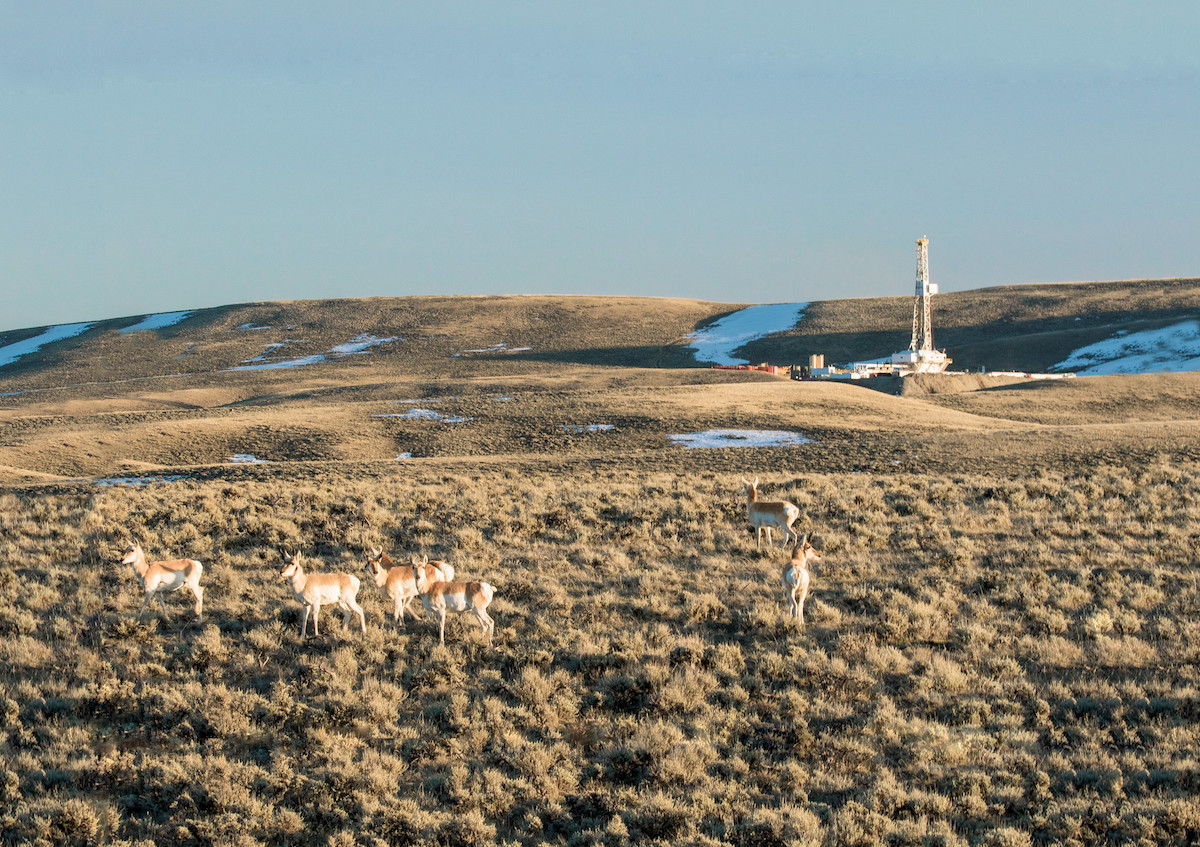
The federal government and state of Wyoming must repay energy companies $109 million for money reaped from oil and gas leases illegally approved by the BLM in 2019, a federal judge ruled earlier this month.
Operating under directives issued by the first Trump administration, the Bureau of Land Management ignored legal restrictions on oil and gas leasing in prime greater sage grouse habitat, according to an order from Brian Morris, chief federal district judge in Montana.
Morris issued the refund order over federal, state and industry objections outlined in a long-running suit brought by conservation groups. BLM shortcomings were significant enough to nullify the agency’s leasing approval and require repayment of most revenue from the sales, according to the ruling.
Morris wrote that the energy companies along with federal and state governments should have anticipated the consequences of engaging in an uncertain venture.
“The risk of economic harm from procedural delay and industrial inconvenience ‘is the nature of doing business, especially in an area fraught with bureaucracy and litigation,’” Morris wrote, quoting another ruling about the venturesome nature of the energy business under a politicized agency.
Morris allowed already-producing wells on nine leases to continue operating, despite their illegal approval. Halting operations and forcing restoration of those sites would be counterproductive and illogical, he ruled.
“The egg has been scrambled and there is no apparent way to restore the status quo,” he wrote, again quoting another ruling.
“The risk of economic harm from procedural delay and industrial inconvenience ‘is the nature of doing business, especially in an area fraught with bureaucracy and litigation.’”
Chief Judge Brian Morris, U.S. District Court of Montana
Unreasonably misconstrued
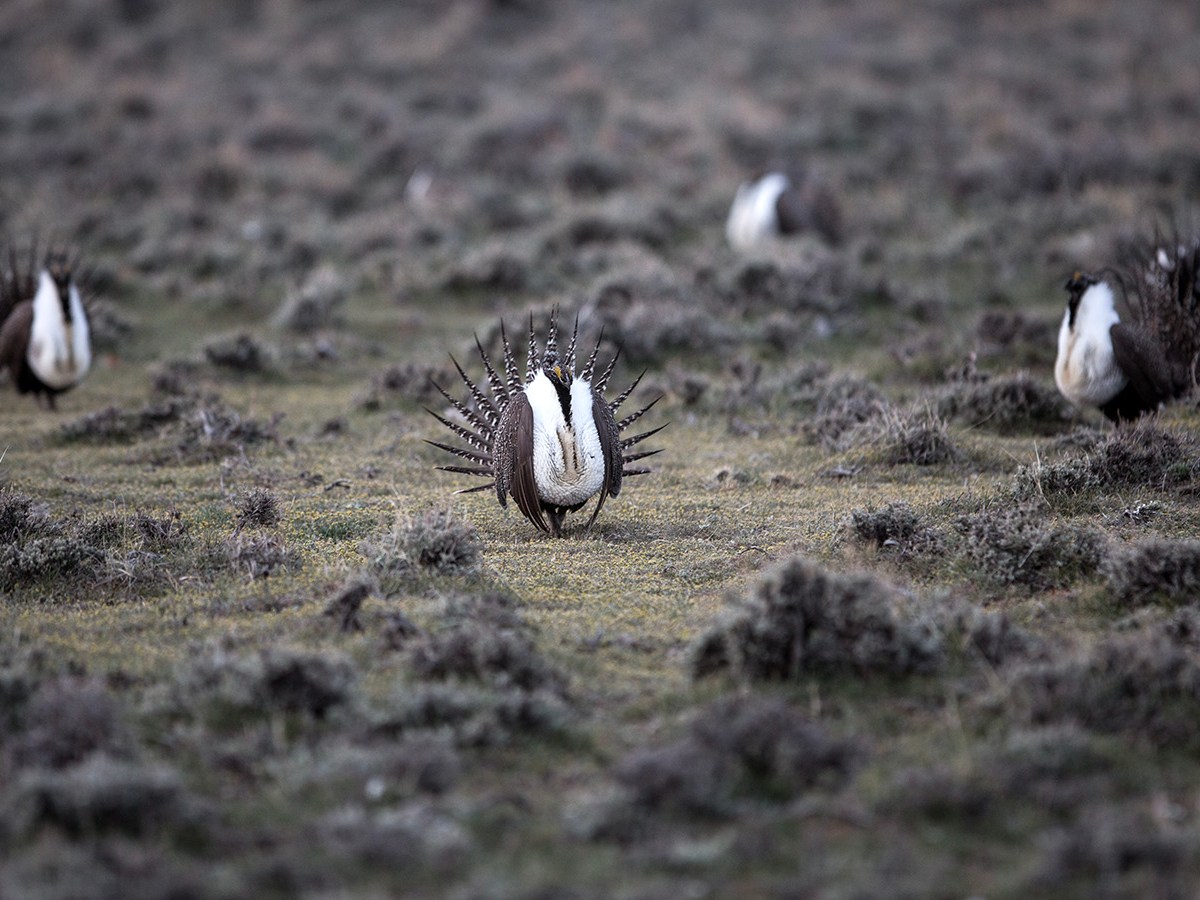
At issue was whether the BLM followed legally adopted plans requiring the agency to prioritize lease sales outside of greater sage grouse habitat. Wyoming holds the world’s best and most abundant sage grouse habitat and 2015 BLM plans sought to protect it, and the imperiled bird, by disturbing other public land instead.
But in 2018, Interior Secretary Ryan Zinke issued a memorandum that “unreasonably misconstrued” the 2015 grouse preservation strategy, the judge wrote. Zinke’s memo “conflicts” with the leasing prioritization plan to keep sage grouse off the list of threatened and endangered species.
The contested lease sales covered 2.5 million acres in Wyoming.
Conservationists hailed the ruling saying it keeps grouse habitat protected, as it should be. “The administration wants to lease every corner of our national public lands to the oil and gas industry,” Ben Tettlebaum, senior legal director of The Wilderness Society said in a statement, “but today’s important decision defends our freedom to enjoy public lands that the sage grouse calls home.”

Allowing the already-producing wells to continue operating is “a small reprieve in a sweeping ruling,” Gov. Mark Gordon said in a statement.
“The continued production of producing leases prevents unnecessary waste and provides valuable revenue to the State and local communities,” his statement reads. “Three of the nine producing leases have already provided $15.1 million in taxes to the state.”
Although Zinke’s memorandum ran roughshod over federal rules directing development away from grouse habitat, Wyoming’s own Sage Grouse Executive Order protects the bird by guiding development away from important habitat, Gordon’s statement said.
The state is reviewing the ruling and has not decided whether to appeal it, the governor’s office said.
The federal government will reduce Wyoming’s future revenues in increments to alleviate disruptive impacts, the ruling states.
An industry representative criticized the case as an example of forum shopping — filing the court action in a venue sympathetic to conservationists’ causes.
That practice “has become pervasive in federal natural resource management in this country,” Ryan McConnaughey, vice president and director of communications for the Petroleum Association of Wyoming, said in a statement. “Those opposed to any oil and natural gas development on public lands have found a sympathetic ear in Montana and continue to file there rather than in Wyoming.”
The Montana Wildlife Federation, Wilderness Society, National Audubon Society and National Wildlife Federation filed the lawsuit. It named the Secretary of the Interior — now Doug Burgum — as the defendant.
The state of Wyoming, Western Energy Alliance, Anschutz Exploration Corporation, Peak Powder River Acquisitions, R&R Royalty, Chesapeake Exploration, Continental Resources, Jonah Energy and Rockies Resources Holdings intervened on the side of the government.



Are you sure it was illegal?
Please protect our beloved wildlands
“An industry representative criticized the case as an example of forum shopping — filing the court action in a venue sympathetic to conservationists’ causes.”
Sore losers just like the freedom caucus. If they don’t get their way it’s because of a bad venue or judge. If all of them would honor the law, there wouldn’t be any problems. RESPECT the law and our PUBLIC lands.
Nailed it-! Hopefully Gordon doesn’t appeal and drag it on further ….