

WyoFile now provides Al-generated audio versions of all articles.Feel free to send feedback to casey@wyofile.com
Do you have questions about this story? Or information to share? Reach out to Maya Shimizu Harris at maya@wyofile.com.
This story discusses suicide. If you or someone you know is having suicidal thoughts, you can call or text the Suicide Prevention Lifeline at 988.
CASPER—Blaise Chivers-King, the former Wyoming Boys’ School resident suing staff over alleged abuse, was tormented by feelings of hopelessness and a desire to end his life after staff repeatedly confined him to a detention room with little connection to the outside world, he testified Tuesday at the trial spurred by his lawsuit.
Images and video footage presented to the jury Tuesday showed Chivers-King attempting suicide or engaging in self harm while in detention, including at multiple points trying to strangle himself. The former boys’ school resident testified that staff told him to clean his blood after he had banged his head against the wall. He also tried to rip his braces off his teeth to use as an implement to stab himself.
“I was just trying to do everything I can to just end it,” Chivers-King, who spoke softly, said. He began to quietly cry at one point as he recounted his desire to end his life.
Chivers-King is one of six former boys’ school residents who lodged complaints against the facility in 2024. The school, which detains delinquent boys ages 12 to 21, is a 38-acre residential facility near Worland that’s overseen by the Wyoming Department of Family Services. Chivers-King, who spent time at the boys’ school between 2020 and 2022 when he was 15 and 17, alleged school staff violated his 14th Amendment rights by placing him in isolation, using excessive force and infringing on due process.
Chivers-King’s lawyers have argued that when he needed help, boys’ school staff instead subjected him to unnecessary solitary confinement and force.
Chivers-King testified that his placement in the detention room felt arbitrary. He described feeling confused when staff kept him isolated even after he had become calm. “I felt like I was tricked,” he said. “If you’re good enough to get out of the room, it didn’t work. And if you were bad, you still had the same thing that happened when you were good.” Whether his confinement served a legitimate purpose is central to determining if boys’ school staff violated the 14th Amendment, which protects detained people from arbitrary punishment.
The defense has argued that school staff were responding to safety concerns and did their best under difficult circumstances to keep everyone, including Chivers-King, safe. State attorneys’ questions and evidence have focused on the former resident’s behavioral and mental health difficulties before his time at the boys’ school and moments at the facility when he suddenly became violent — including punching, kicking, head-butting and biting staff — after appearing to be calm.
Defense lawyers have also pointed to times when staff made efforts to help Chivers-King, including giving him a pencil to write and draw with and a self-help book when he was in detention.
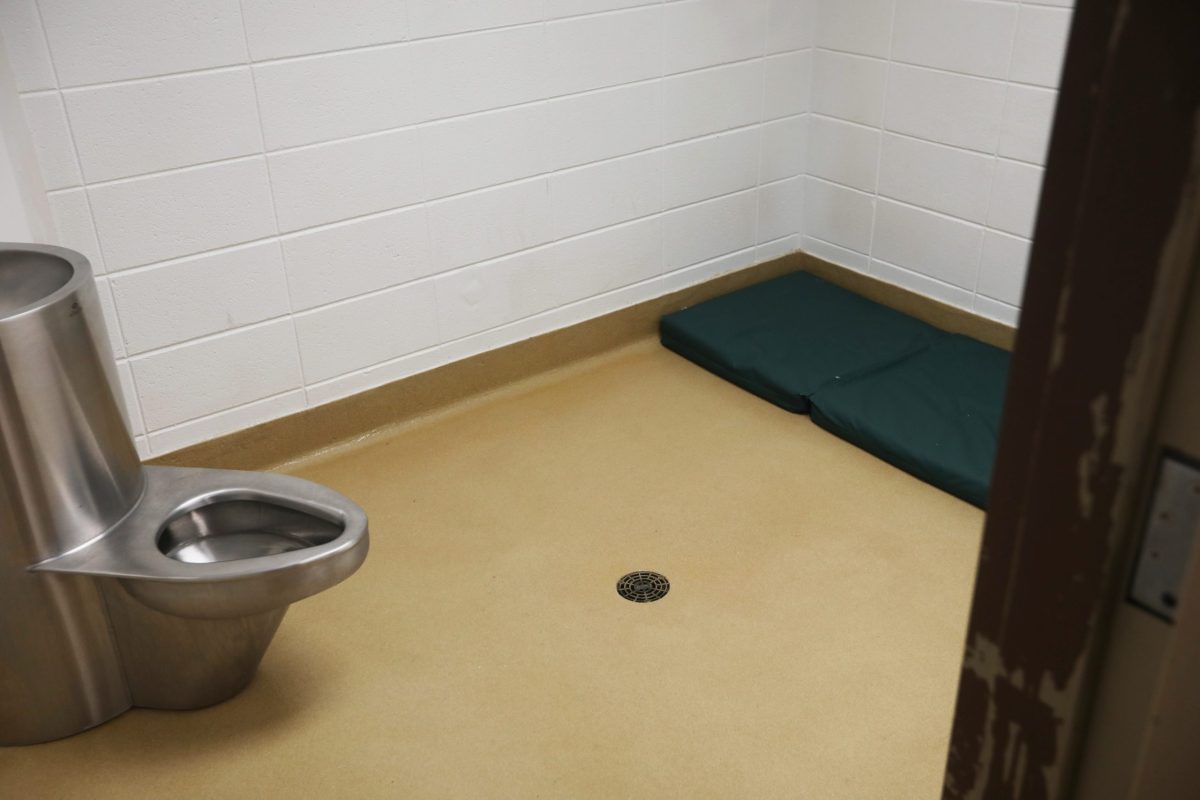
Attorneys showed multiple images of the school’s detention facilities throughout Tuesday’s witness testimony. The white cinderblock rooms are barren besides a toilet and a mattress that staff provided at night. Photos showed a detention room with a metal gate outside the door. Another image showed discoloration in the corner of a room, which Chivers-King testified was from kids sitting there and having the color from their clothing rub off on the wall.
The rooms don’t have windows that look outside, and staff covered the window in the door with a magnet. His inability to see people or sunlight made time move “extremely slow,” Chivers-King said. “It felt like a never-ending whirlpool, like a blackhole.” Attorneys showed video footage of Chivers-King attempting to look through the crack under the door and a staff member covering it with a mattress.
A school document listing requirements for Chivers-King to earn a good day in detention included the expectation that he would sit in the corner of the room without falling asleep. Chivers-King said he struggled with these expectations. “I was getting antsy,” he said. “I just needed someone to talk to.”
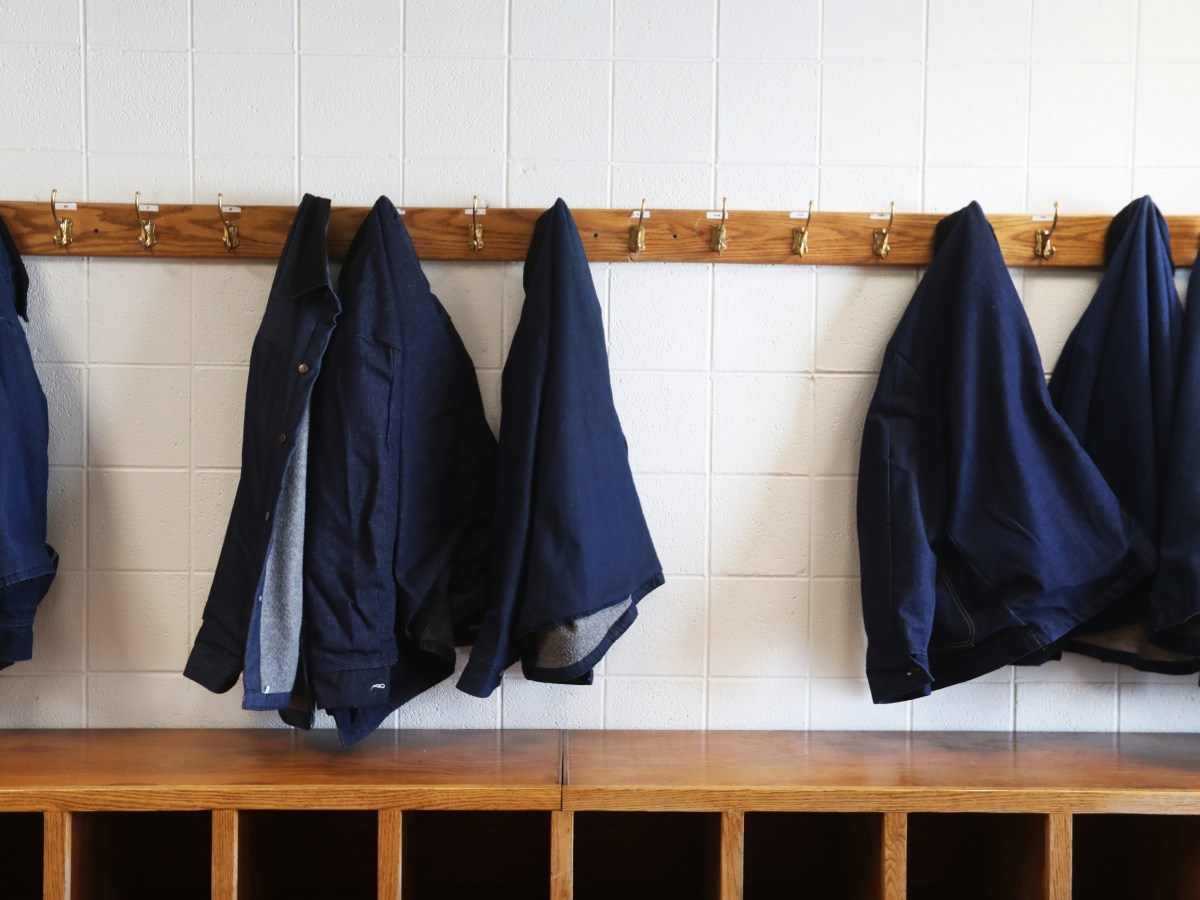
Videos of Chivers-King in isolation showed him pacing the room, hitting the overhead light and the plexiglass over the detention room cameras, standing on the toilet, shoulder checking the door, knocking on the window in an attempt to get the magnet off, popping the sprinkler system, ripping his clothing and a pillow and sitting on the floor covering his face with his hands. “I was trying to get attention, to get somebody to talk to, trying to figure out why I was still left in the room,” Chivers-King said.
Washakie County Sheriff’s deputies took Chivers-King to the county jail after he broke the sprinkler in a detention room. Chivers-King testified that he was treated better at the jail than he was at the boys’ school. “I wanted to stay there, actually,” he said.
The trial, which began Monday and is expected to take five to seven days, is the first of several concerning former residents’ accusations of abuse against the school. The next is scheduled to start Dec. 7.