
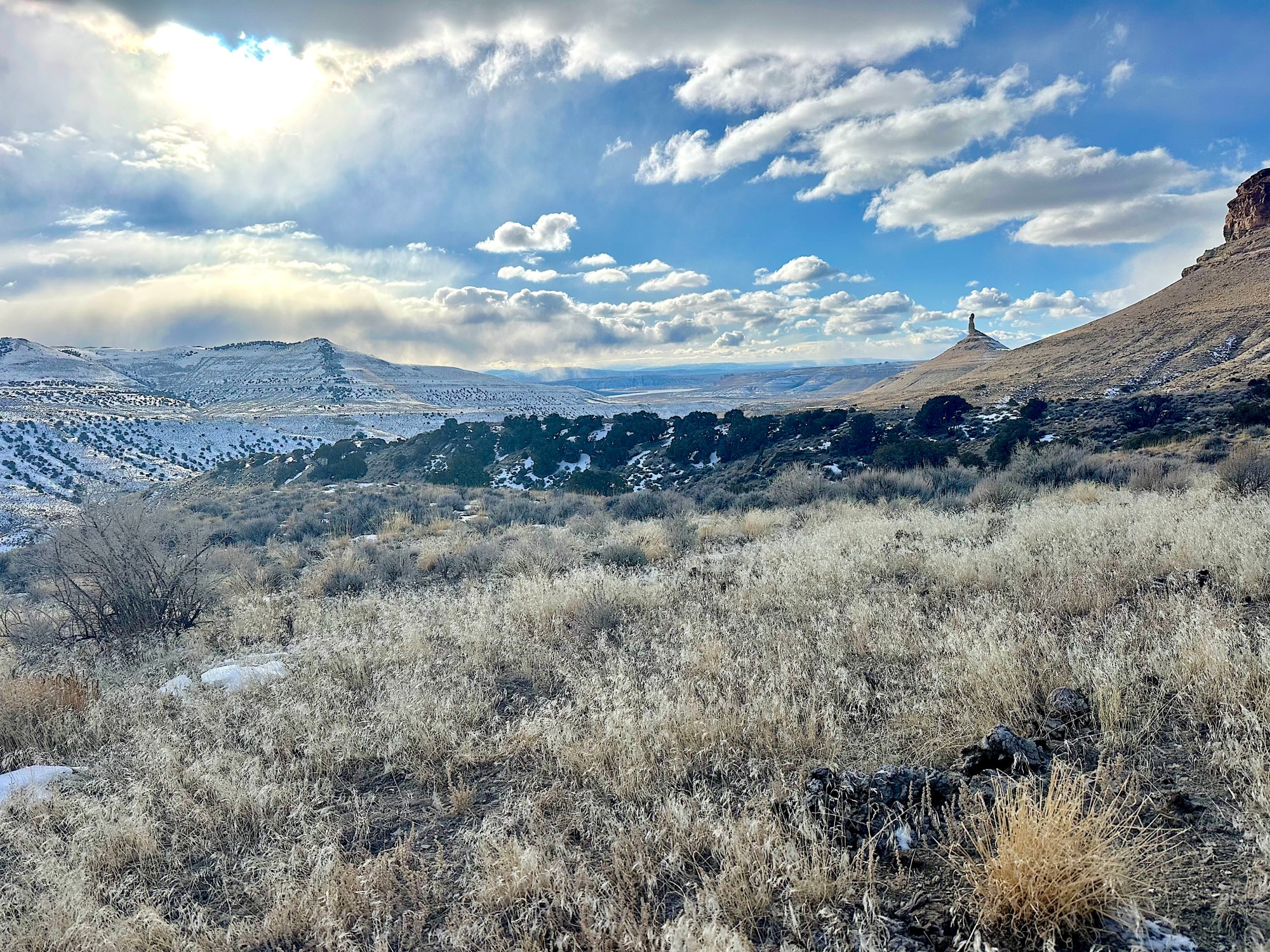


POWDER RIVER BASIN—Brian Mealor scanned the prairie east of Buffalo, but his mind drifted west to a haunting scene in northern Nevada.
In the burn scar of the Roosters Comb Fire, a single unwelcomed species had taken over, choking out all competitors. Mealor saw few native grasses or shrubs, scarcely a wildflower.
Not even other weeds.
“Literally everything you see is cheatgrass,” Mealor recalled of his June tour of the scar. “I just stood there, depressed.”
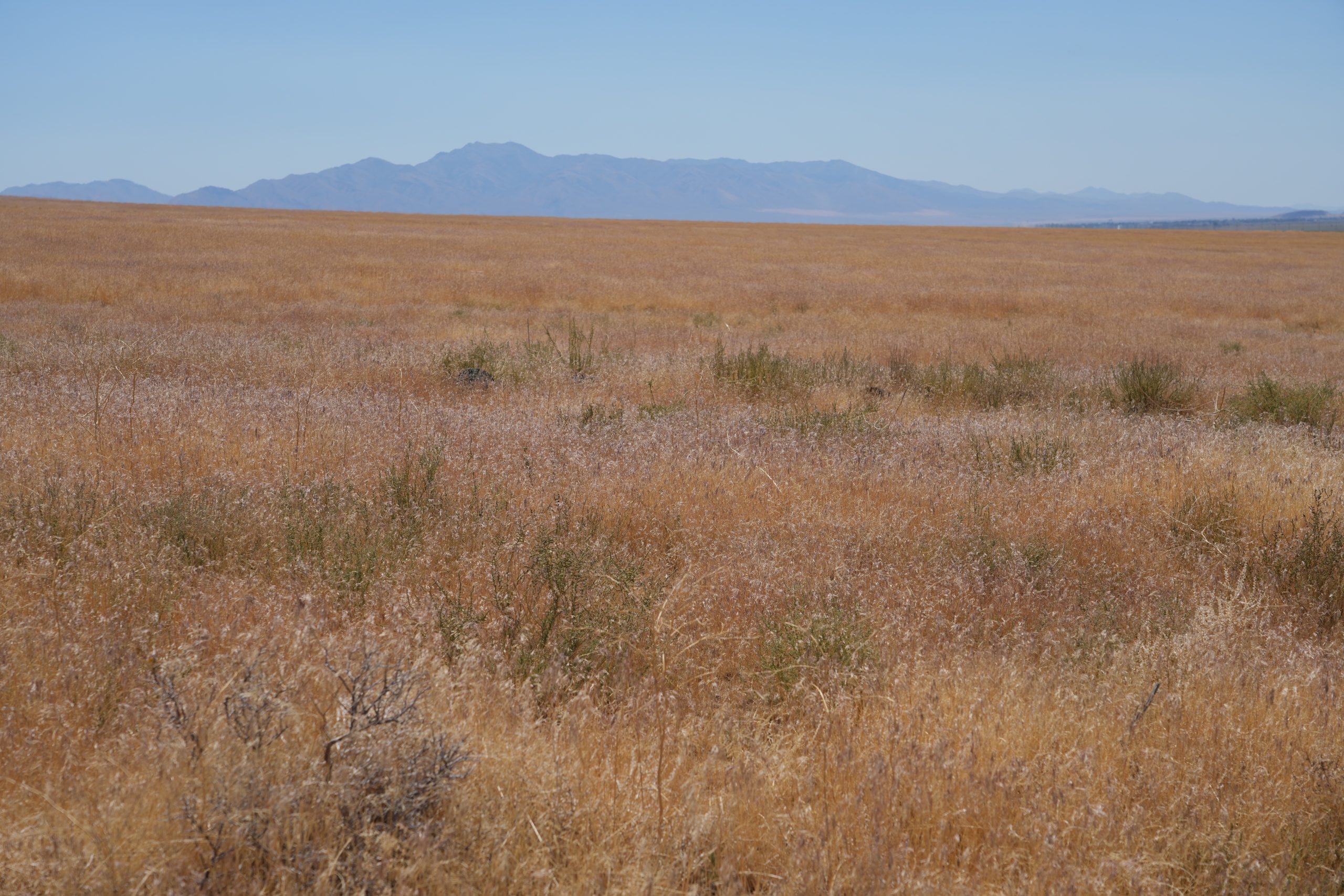
Mealor already knew plenty about the Eurasian species’ capacity to decimate North American ecosystems since he leads the University of Wyoming’s Institute for Managing Annual Grasses Invading Natural Ecosystems. But he was still shocked walking through the endless cheatgrass monoculture taking over the 220,000 once-charred acres northwest of Elko.
The same noxious species, he knew, is steadily spreading in Wyoming.
The ecological scourge made Silver State officials so desperate that they were planting another nonnative, forage kochia, because it competes with less nutritious cheatgrass and offers some nourishment for native wildlife, like mule deer.
“They’ll just die, because there’s nothing there,” Mealor said. “That’s why we have to do stuff. Because we could turn into that.”
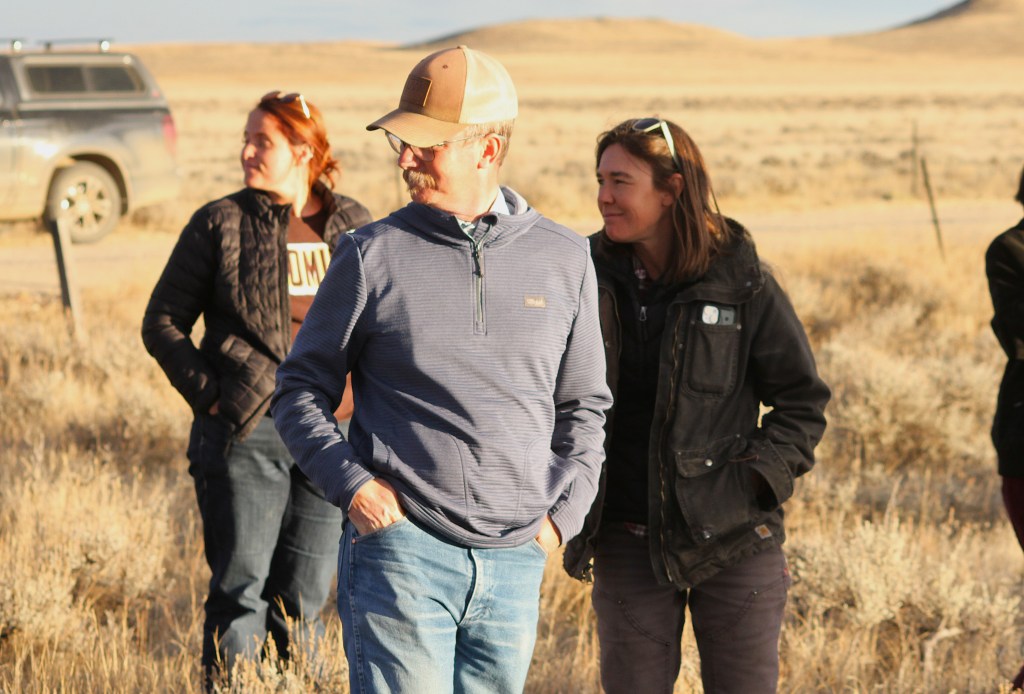
Scientists, rangeland managers and state and county officials are doing everything in their power to prevent Wyoming from becoming another landscape lost to cheatgrass. There’s a powerful new herbicide that’s helping. And funds enabling the spraying of hundreds of thousands of acres are being secured and raised. Yet, Wyoming is still losing its cheatgrass fight, and ultimately far more resources are needed to turn it around.
“Let’s not kid ourselves,” said Bob Budd, executive director of the Wyoming Wildlife and Natural Resource Trust. “The magnitude of the need is utterly staggering. We’re talking hundreds of millions of dollars over the next decade. That’s daunting.”
Budd voiced that warning Tuesday while addressing a statewide group that focuses on bighorn sheep, which depend on seasonal ranges being invaded by cheatgrass. A recent study co-authored by Mealor underscores the need to act soon to protect Wyoming’s wildlife. UW researchers concluded that cheatgrass, which is only edible in spring, could cost northeast Wyoming’s already struggling mule deer half their current habitat in the next couple of decades.
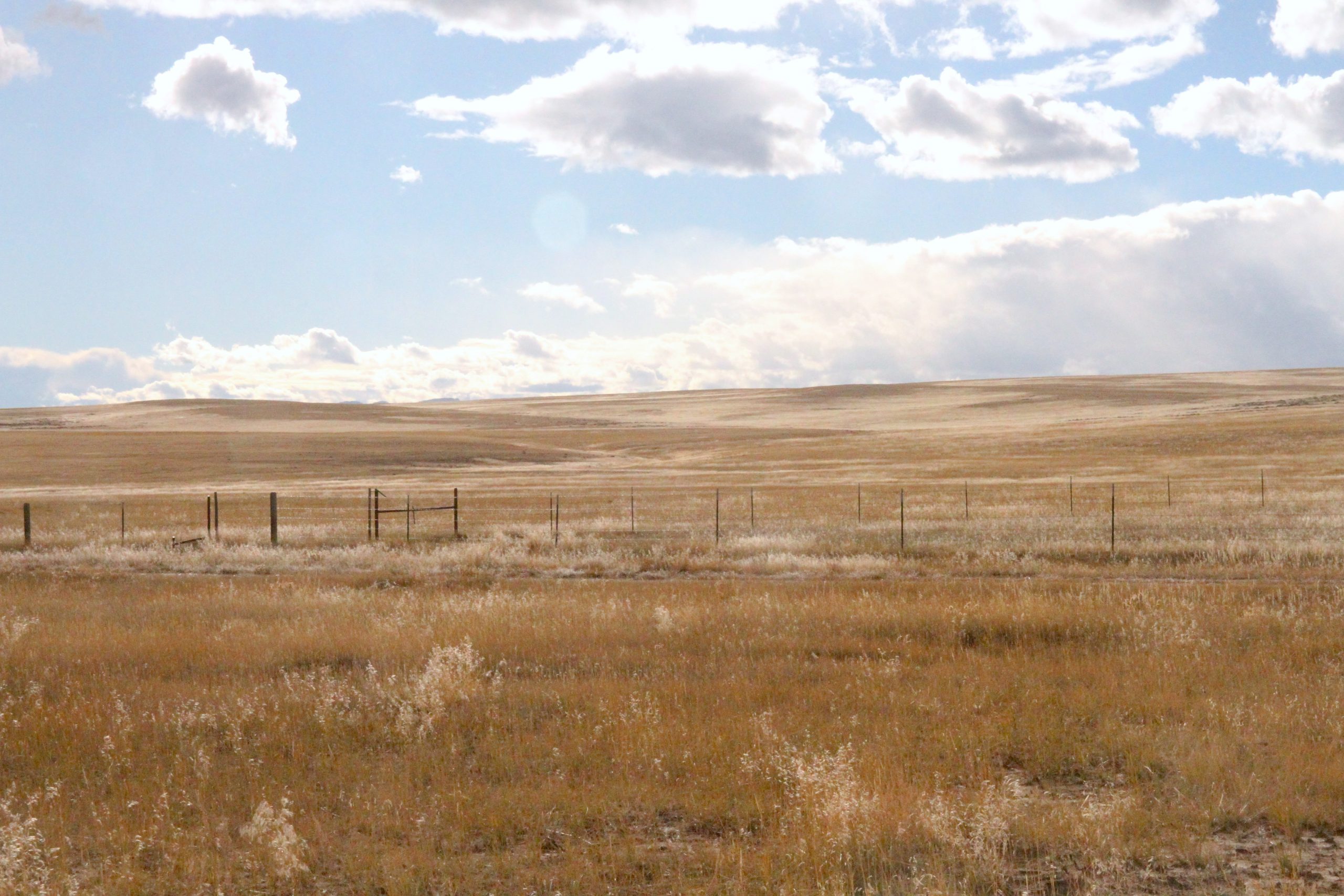
On Nov. 6, the Sheridan-based professor joined fellow academics, biologists and volunteers on a field trip to a mixed-grass prairie. Like the Nevada burn scar, this was a Wyoming landscape on the mend from wildfire. In fact, it wasn’t a grassland until last year.
Before Aug. 21, 2024, the ground where they stood had been considered the best of what’s left of northeast Wyoming’s sagebrush biome.
Transformation
A lightning storm that sparked a conflagration abruptly ended that era. Over the course of two days, the House Draw Fire tore a 10-mile-wide, almost 60-mile-long gash into the landscape, inflicting over $25 million in damage. In a fiery blink, the native plant community mostly disappeared.
Once-prized sagebrush within roughly 100,000 acres of the burn area is basically gone, a worrisome loss of habitat for the region’s already struggling sage grouse. What grew back isn’t a monoculture, like in Nevada. Native species are easily found. But portions of the Powder River Basin’s rolling hills are now dominated by big densities of cheatgrass and Japanese brome, another invasive annual grass. Without mature sagebrush shrubs to compete with, there’s reason to believe the invaders, which flourish with fire, will expand their grip.
“It’s not like you have a fire and all of a sudden you’re just completely covered with cheatgrass,” Mealor said. “There’s a lag.”

The Johnson County Natural Habitat Restoration Team is throwing everything it can at the fire scar to try to prevent invasive grasses from taking over. Armed with $12 million in state funds, crews will aerially spray some 120,000 acres with a cheatgrass-killing herbicide. Aerial sagebrush seeding is also underway on 3,000 acres of burned-up sage grouse nesting habitat. And there are even funded plans to build hundreds of simple erosion-controlling Zeedyk structures to protect the wet meadows within the fire scar.
Yet, on a broader scale, Mealor is a realist about the immense challenge of keeping cheatgrass and its noxious counterparts at bay in Wyoming, let alone enabling sagebrush to stage a comeback — a costly, complicated feat.
“If we were talking about a 25,000-acre fire here and there,” Mealor said, “it would be a little different.”
About a half-million acres of northeastern Wyoming burned in 2024, the state’s second-largest fire year in modern history. Wyoming lawmakers agreed to carve out $49 million for wildfire recovery grants statewide, less than half of Gov. Mark Gordon’s requested amount. Optimistically, Mealor said, the awarded sum might be enough to treat a million acres. That sounds significant — it’s half the acreage of Yellowstone. But cheatgrass is spreading just about everywhere in a state that spans 62 million acres.

“If you think about it from a statewide level, it’s not a lot,” Mealor said of the funding. “That’s not an attack. I’m not downplaying the importance of the money that was set aside by the Legislature for this. It’s a lot of money. But it’s also not enough.”
The governor, who’s a rancher by trade, has voiced the same concern. Pushing for $20 million in cheatgrass spraying funds during the Legislature’s 2024 budget-making process, Gordon acknowledged Wyoming is “losing the battle” against invasive annual grasses. Lawmakers ultimately agreed to $9 million, less than half the requested amount, according to the budget.
‘Best of the best’
The incursions that cheatgrass, Japanese brome and fellow invasives medusahead and ventenata are making into Wyoming rangelands are significant because of what’s at stake. The Equality State is the cornerstone of what remains of the sagebrush-steppe biome, a 13-state ecosystem vanishing at a rate of 1 million-plus acres per year.
“Half of the best of the best is in Wyoming,” said Corinna Riginos, who directs the Wyoming science program for The Nature Conservancy.

The Lander-based scientist is spearheading a Camp Monaco Prize-winning project that seeks to safeguard the Greater Yellowstone Ecosystem from cheatgrass. The flanks of the ecosystem, such as the Golden Triangle, southwest of the Wind River Range, contain some of the most expansive unbroken tracts of sagebrush remaining on Earth. Distribution maps show that almost all of those areas are in Wyoming. It’s no coincidence that the same places also host remarkable biological phenomena, like the world’s largest sage grouse lek and longest mule deer migration.
Riginos’ research is focused on defensive measures to catch and kill cheatgrass early on, when it exists at low levels. Keeping the invasion out of core tracts of sagebrush, she said, is a more efficient use of funds than trying to shift heavily contaminated landscapes back to what they used to be.
“Maybe we live with what they are, we cope with it, rather than trying to recover from it,” Riginos said of cheatgrass-dominated areas.
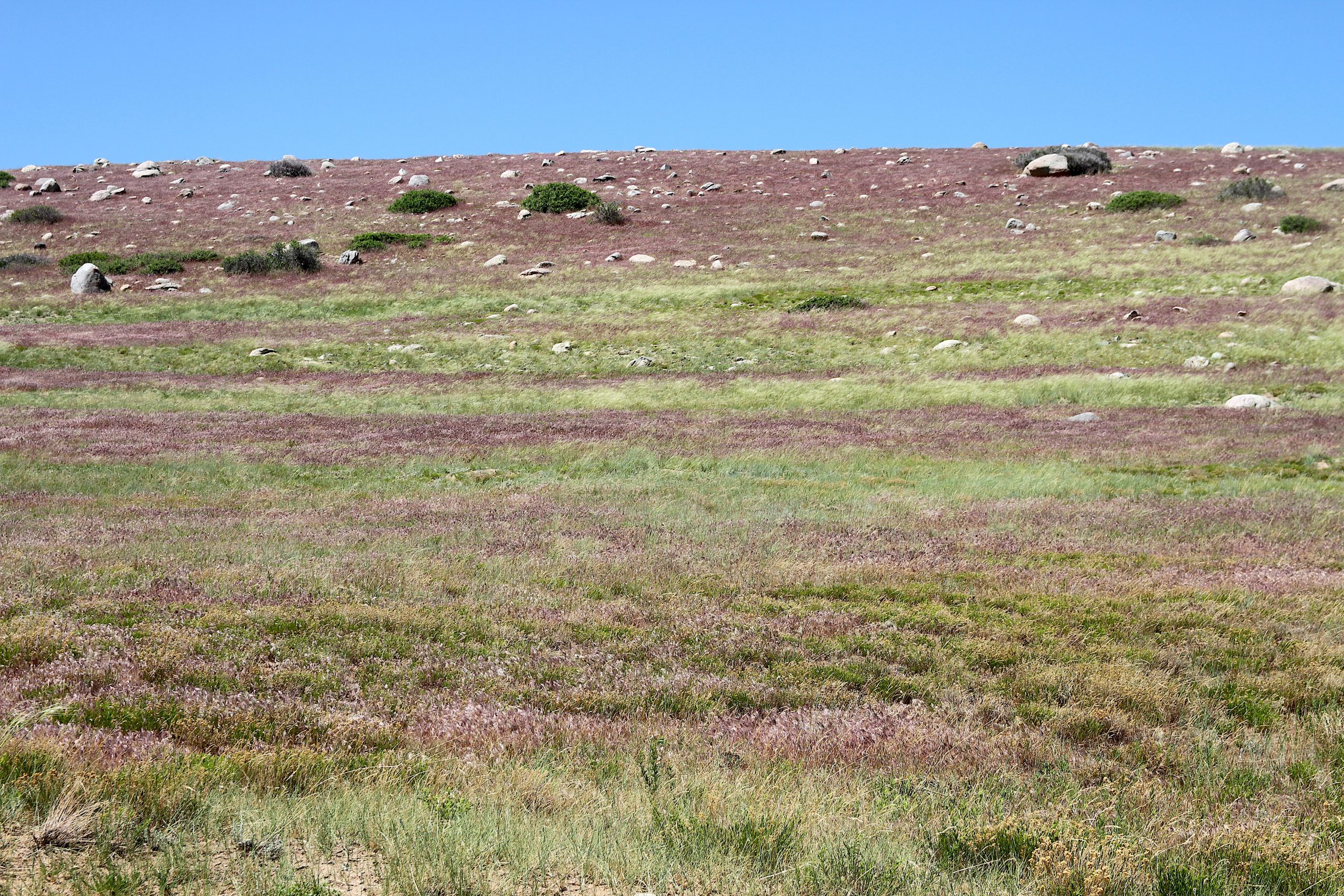
Within Wyoming, invasive grass experts don’t have to go far from the world’s most unsullied sagebrush stands to find heavily infested landscapes. In June 2024, Riginos toured cheatgrass treatments in the Wind River Indian Reservation’s Washakie Park area. Although they stood about 40 straight-line miles from the Golden Triangle, scientists, wildlife managers and weed experts on the tour were surrounded by hillsides purple-hued from cheatgrass.
“You have to respect it, as an organism,” Riginos said. “The adaptability and just kind of sheer ability to get a toehold and take over is pretty remarkable.”
Cheatgrass gets its name from its ability to “cheat” surrounding vegetation out of moisture and nutrients. Its mechanism for success is essentially a head start. It germinates in the fall and starts growing in cold temperatures. Then it overwinters, matures, throws off prolific amounts of seeds and dies by midsummer when native grasses and forbs are much earlier in their life cycle.

On top of the advantageous life cycle, the West’s ever-increasing, climate-driven wildfires help cheatgrass flourish. When a cheatgrass-infested area burns and becomes more cheatgrass dominant, it’s more prone to burn again, creating a vicious feedback loop.
Giving cheatgrass yet another advantage, research has shown the plant in North America adapts well to different locales. That trait enables it to flourish in a wide range of temperatures and moisture conditions across the West, Riginos said.
“I feel that this is the most existential, sweeping threat to our western ecosystems.”
Corinna riginos
“I don’t want to see the West become a wasteland of cheatgrass, I really don’t,” she said. “I feel that this is the most existential, sweeping threat to our western ecosystems. It really concerns me.”
Closing in
All those traits have enabled an impressive, though foreboding, expansion. Since its introduction from Europe in the 1800s, cheatgrass has spread to all 50 states and parts of Canada and Mexico. There are signs it’s not slowing down. Rangeland ecologists have detected an eightfold increase in cheatgrass across the Great Basin since the 1990s, according to the National Wildlife Federation.
Simultaneously, sagebrush-dominated landscapes have sustained a decline. A 2022 U.S. Geological Survey report found that an average of 1.3 million acres are being lost or degraded every year. That’s an area larger than Rhode Island.
Although the spread of Wyoming cheatgrass hasn’t been as overwhelming as in lower-elevation, drier western states, the invasion has, and continues to be, successful. A whitepaper distributed by the Wyoming Outdoor Council in the state Capitol during the 2024 funding fight reported that invasive annual grasses already affect 26% of the Equality State’s landmass, which pencils out to over 16 million acres.

Historically, Wyoming land managers believed that much of the nation’s least-populated state was too high and too cold for cheatgrass to gain much ground. But the climate has tilted in its favor, according to Jeanne Chambers, an emeritus U.S. Forest Service research ecologist who has studied cheatgrass for decades.
“Cooler temperatures, especially those cold nighttime temperatures, used to keep cheatgrass at bay,” Chambers said. “But now that things are warming up and people and livestock and animals are all over the place, the propagules — the seeds — are getting everywhere.”
As a result, slightly lower-elevation reaches of Wyoming, like the Bighorn Basin, are seeing more and more cheatgrass, she said. The same goes for where the salt desert transitions into sagebrush in the state’s southwestern corner.
“Those areas are pretty vulnerable,” Chambers said.
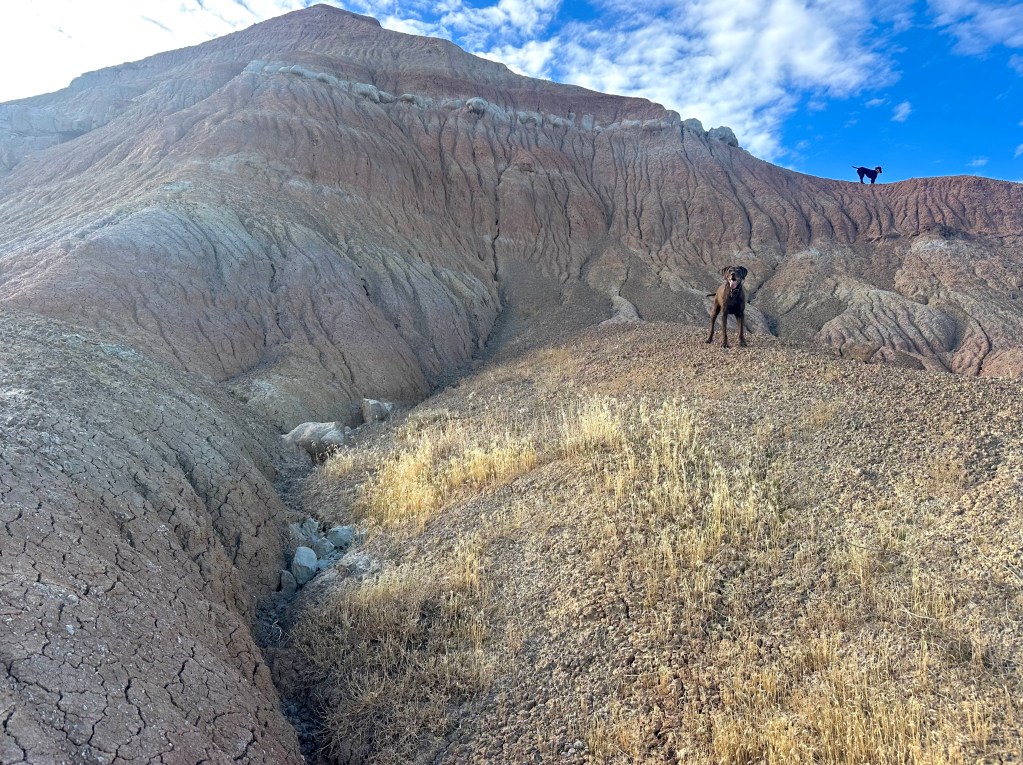
Wyoming specialists in those communities corroborate the claims.
“Cheatgrass is moving into our county, primarily on the south end — but it’s not exclusive to the south end,” Sweetwater County Weed and Pest Supervisor Dan Madson said. “There are hot spots throughout the county invading mule deer, antelope and elk habitats, as well as sage grouse core areas.”
Some of the encroachments are well north into the Green River Basin and Red Desert, noted sagebrush strongholds. North of Rock Springs, north of Superior and in the Seedskadee National Wildlife Refuge are all places being actively invaded, Madson said.
Sweetwater County is scaling up its response, Madson said. The county is spending about $750,000 to spray nearly 12,000 acres of cheatgrass this year and plans to treat more like 15,000 acres in 2026.
But money is a limiting factor. Wyoming landscapes have been the recipient of many millions of federal dollars, including from the Inflation Reduction Act and Bipartisan Infrastructure Law, which have complemented the state’s contributions.
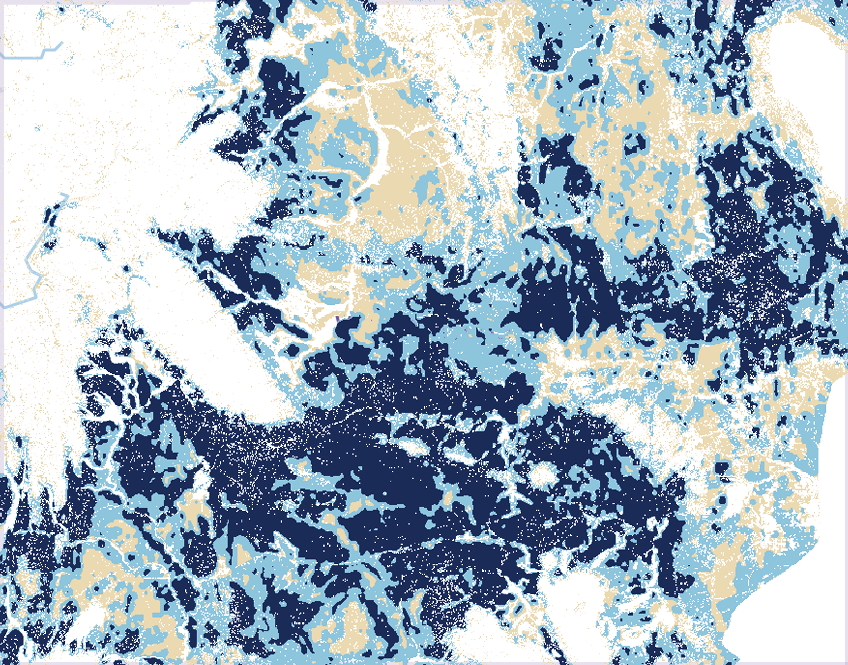
Still, the pace of infestation statewide and in Sweetwater County far exceeds the total resources available.
“We could easily, easily triple that [15,000 acres] in a year,” Madson said, “and still have enough to do for the rest of my career.”
Funding issues aren’t only due to federal government turmoil. One potential pot of $11 million that would have been directed toward spraying evaporated when the Wyoming Senate opted to forgo a supplemental budget.
“That money got lost,” said Budd, at the Wyoming Wildlife and Natural Resource Trust. “It actually hurt some parts of the state that were doing a very good proactive job, managing to keep cheatgrass down.”
‘Defending the core’
The upper Green River Basin is one example of a landscape where cheatgrass advances have been reversed. Its remoteness, harsh climate and high elevation helped, but those factors alone didn’t prevent a slow incursion of the virulent vegetation early in the century. By 2014, for example, hues of red and purple — hallmarks of cheatgrass — were painting the ridges rising over Boulder Lake.
The Sublette County Weed and Pest District fought the invasion with repeated treatments. In 2018 alone, some 30,000 acres of the western front of the Winds were aerially sprayed. It worked.
By the summer 2020, no cheatgrass was being detected at Boulder Lake, once a hotspot, District Supervisor Julie Kraft said. Nowadays, she said, no major problem areas remain in Sublette County.
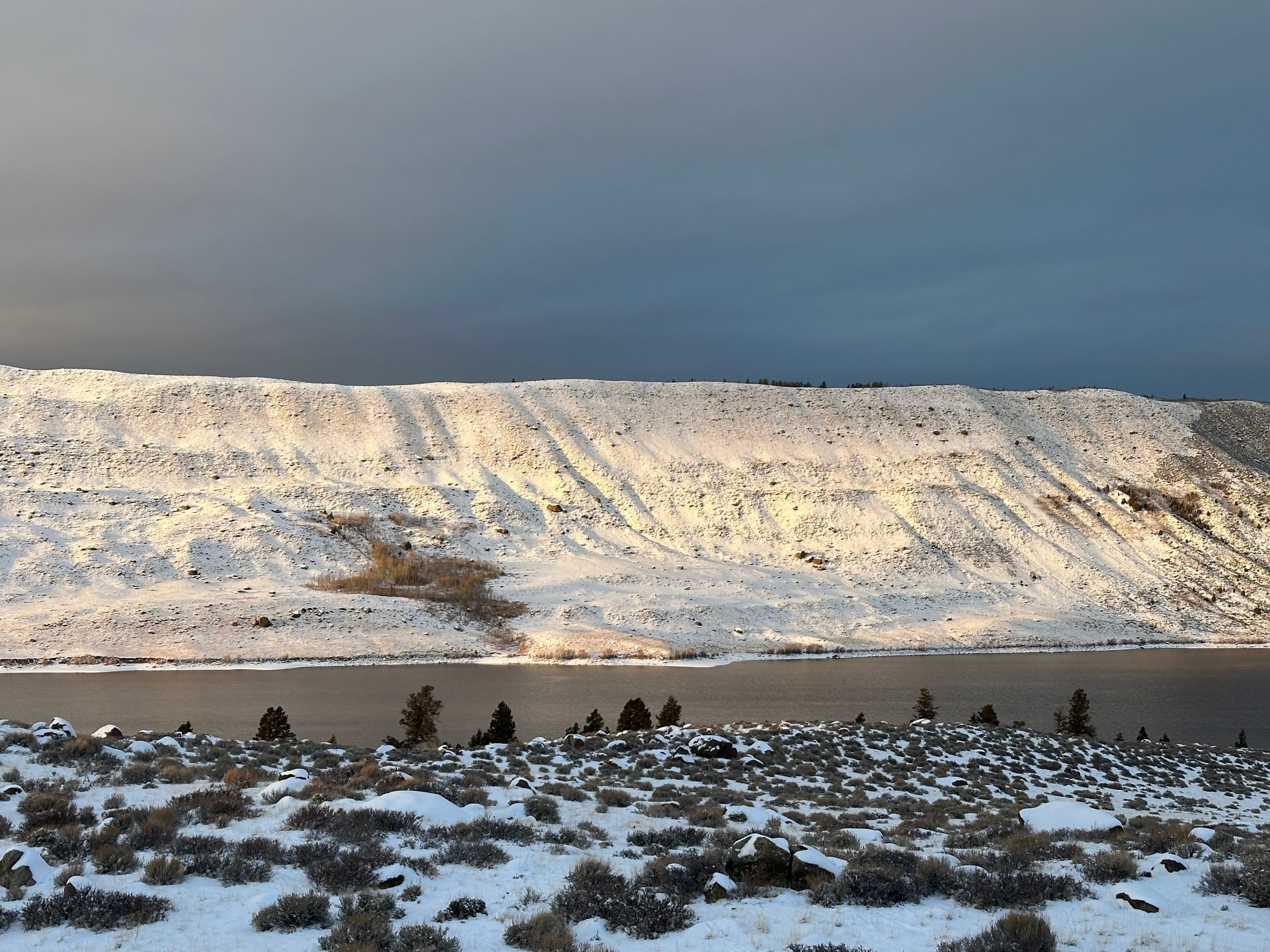
Kraft even felt “good” about the future of her cheatgrass fight, expressing uncommon optimism for those grappling with an organism overtaking so many places.
“A couple of years ago, I might not have said the same thing,” Kraft said. “But with this new tool, and particularly because of the influx of money that came [during] the [Biden] administration, it allowed us to do so much more.”
That new tool is an herbicide, Indaziflam. It’s a product, also known by its trade name, Rejuvra, that provides far more enduring protection against cheatgrass than any previous chemical treatment. It works by attacking the seedbank and shallow root structure of cheatgrass, while not infiltrating the soil deep enough to kill perennial native grasses and plants like sagebrush.
“It depletes it down until there won’t be a seedbank of cheatgrass anymore,” Kraft said. “We’ve seen that on our sites. Year one, you can go out and grab handfuls of cheatgrass seed off the top of the soil. Year two, you can’t find those handfuls anymore. By year three, you can’t dig [cheatgrass seeds] out of the bottoms of sagebrush.”
The June 2024 outing that drew Riginos, the Nature Conservancy scientist, to Washakie Park along the east slope of the Winds included a stop at an experimental Indaziflam treatment plot.
Although a mix of the herbicide had been misted over strips of cheatgrass nearly four years earlier, its effect remained obvious and unmistakable. Curing, purple drooping brome blanketed untreated strips, and native green grasses filled the niches between.
“It’s holding still,” said Aaron Foster, Fremont County’s weed and pest supervisor, who led the cheatgrass treatment tour on the reservation. “It’s been holding now for four growing seasons. Pretty impressive.”
Indaziflam is a relative newcomer to Wyoming’s cheatgrass-killing battle. The Environmental Protection Agency didn’t clear it for use on rangelands until 2020. Some federal authorizations came even more recently, with the Bureau of Land Management approving its use in July 2024, after years of urging from western states including Wyoming.
“With this approval, Indaziflam will be eligible for application on 18 million acres of BLM land in Wyoming,” Gordon said in a press release, noting the policy change would have been “even more welcome” if BLM had made the announcement before states and counties were planning their spraying season.
Judicious spraying
Out of necessity, Wyoming’s weed and pest districts and federal land managers are extremely strategic about where to put Indaziflam. It’s notoriously costly. Typically, time in the air is the biggest expense in aerial weed spraying work. But that’s not the case with the Envu-produced chemical. At Washakie Park, Foster reported paying $42-$43 per acre in product alone, adding up to about triple the cost of the helicopter.
Kraft, in Sublette County, didn’t mince words about why Rejuvra’s so pricey.
“It was a specialty herbicide used on specialty crops — almonds, I believe,” Kraft said. “They found out it worked on cheatgrass and now they have this western monopoly on this herbicide that works great. It’s expensive, and it goes up every year.”
A Wyoming sales representative for Envu stood behind its breakthrough chemical’s high per-ounce cost. Compared to competing herbicides that need to be sprayed more often, in the long term Rejuvra is a bargain, David Collins said.
“It’s actually the cheapest product to utilize,” he said. “You’re applying it once instead of every year or every other year, and you’re also saving on application cost.”
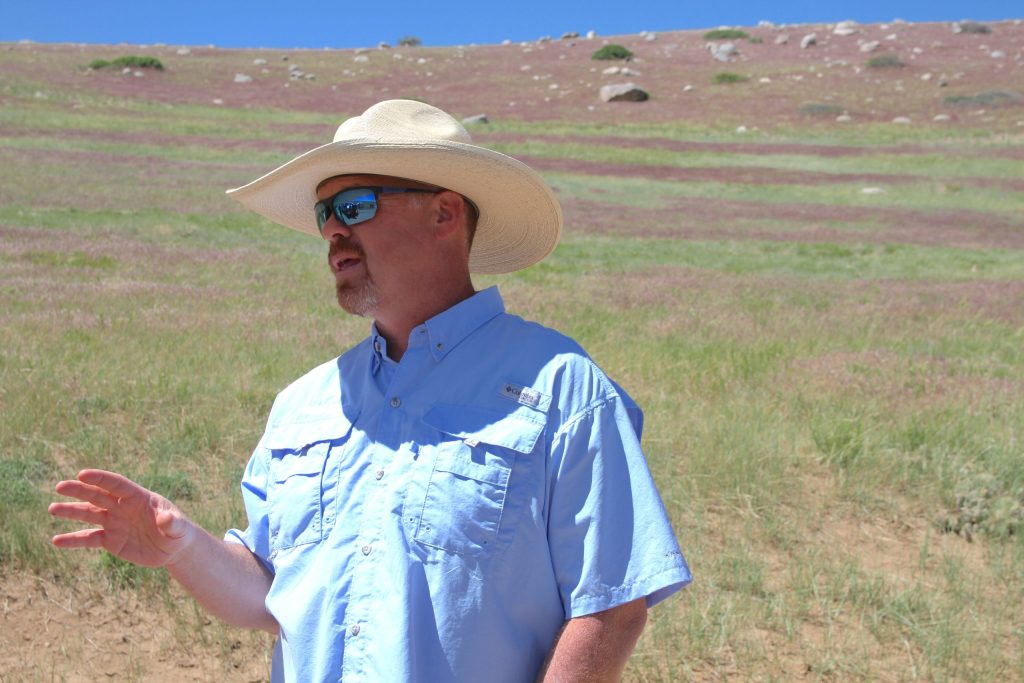
With limited resources, Fremont County’s spraying plan is to focus on swaths of the landscape that haven’t been extensively invaded: the Absaroka and Winds foothills toward Dubois and the Red Desert are two examples. But the “core problem area” — the cheatgrass-infested county center, which has lots of human disturbance — is considered a much lower priority, Foster said.
“I think you have to kind of accept that we’re going to have cheatgrass forever.”
Aaron foster
“I think you have to kind of accept that we’re going to have cheatgrass forever,” he said. “And areas like that are going to be impacted by it most severely forever, too.”
Out where the House Draw Fire burned, the Johnson County restoration team is planning to spend big on Indaziflam — spraying burned areas that are now grasslands and unburned sagebrush to the tune of $9.3 million, consuming more than three-quarters of its state grant.
Ultimately, those tending the fire’s scar opted not to spray immediately. Instead, they took a breath, collected data on where cheatgrass and Japanese brome now dominate and where native vegetation grew back.

“If we were to spray in the black, without knowing that any of the perennial vegetation was going to survive, it could have just been bare ground for four or five years,” said Jaycie Arndt, a University of Wyoming assistant research scientist.
Now, more than a year after the House Draw Fire burned, its scar also hosts big concentrations of some native grasses, too. Western wheatgrass and blue grama were two species that also surrounded the weed scientists and landowners on their recent tour.
Healthy native grasses can be one of the best defenses against cheatgrass.
“Sometimes the focus needs to be more on maintaining and increasing our perennial grasses and forbs as competitors,” said Chambers, the longtime Forest Service researcher. Cheatgrass, she added, is “naturalized” into a lot of western landscapes and is “always going to be there on one level or another.” Retaining native vegetation helps maintain resiliency to the attack.
The House Draw Fire recovery plan also calls for facilitating the return of the ever-depleting sagebrush biome. Ultimately, the state sunk $2.5 million into aerial sagebrush seeding — a technique that’s never been used in Wyoming.
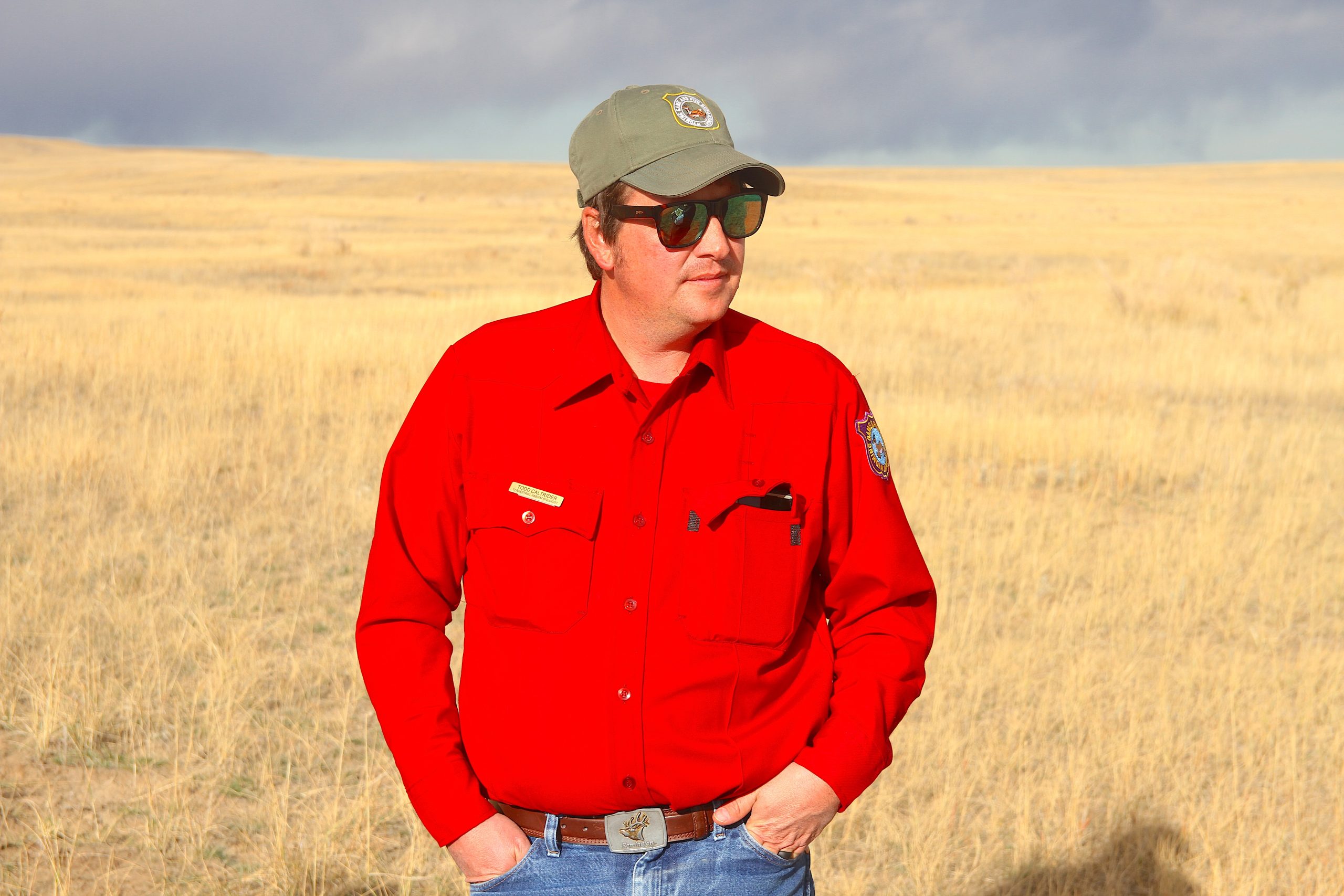
“This whole thing was an experiment,” said Todd Caltrider, a terrestrial habitat biologist with the Wyoming Game and Fish Department. “I looked for literature on aerial seeding for sagebrush in the Northern Great Plains, and there wasn’t any.”
Caltrider spoke from a private land monitoring plot southeast of Buffalo, where sagebrush seedlings, reaching a few inches skyward, could be seen sprouting from the soil. They were among the cherished few. Results were worse than anticipated, with seedlings growing back at an average rate of one plant per acre.
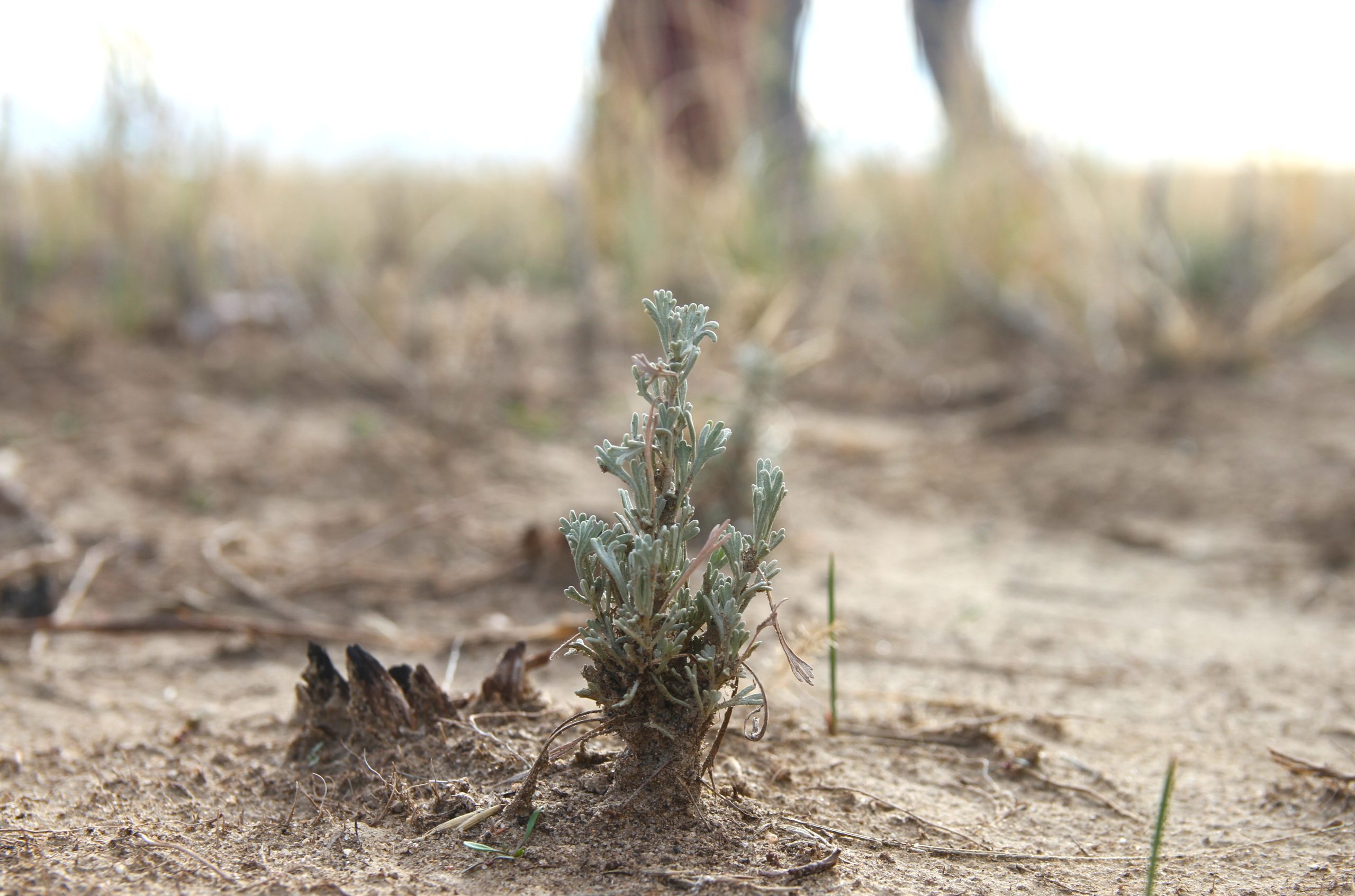
Even without cheatgrass to compete with, sagebrush comes back painstakingly slow. Individual plants can take decades to mature. But after a wildfire, the ecosystem evolved to recover even more slowly than that: Wyoming big sagebrush takes as long as 200 to 350 years to return to dense stands of mature plants, research has found.
“If that’s the case, of course we’re not seeing any [recovery],” Mealor said.
The UW weed scientist’s feet lingered in the burn scar of what was once the Powder River Basin’s best sagebrush. Because of the House Draw Fire, it might functionally be a grassland for the rest of his life. The hope, of course, is that it won’t be a sea of cheatgrass.
I survey a couple of hundred ranches a year throughout every western state. In my opinion the number one management issue on every single property I visit is a disrupted natural fire cycle. The vigor and diversity of the native vegetation, whether it be grassland, shrubland, or forest has usually been suffering for several decades, if not a century plus, due to the lack of that critical natural disturbance.
And that makes the plant communities less diverse, less vigorous, and more vulnerable to invasion by noxious species. For the arid grasslands and shrublands, cheatgrass and medusahead are the absolute worst. Unfortunately those species do best on both ends of the fire spectrum, becoming easily established with extreme lack of fire and taking over after extreme fire. One extreme leads to the other and an annual grass monoculture is the result if left to its own devices.
We need fire, and ideally not the super hot and massive variety that has become the norm through our misguide fire prevention efforts. And we need treatment in those places so that they come back refreshed and diverse.
Those places that burn intentionally or unintentionally make the best treatment sites, because they zero out the decadent vegetation, turn it into available carbon, and buy you years to build toward a healthier landscape until it is time for the next fire.
This article states the cheatgrass part of the situation well. But if we want to live in a state with healthy productive vegetation and minimal noxious weeds, we need a citizenry that has a complex and nuanced view of fire and how it fits into a healthy landscape. We need fire, and our native landscapes need some help to get back to the point where that natural maintenance can happen beneficially and free of cost.
Good article about an important subject. Well done.
I think we should also consider other ways to control the weeds via grazing. Alan Savory has a lot of ideas regarding this.
Indaziflam many sound new to you, but after Sebastian, Nissan, et al tested it for Bayer in 2016, I heard about it and used it on 60 acres of cheatgrass on my property in central Montana. The county weed guy got me some at a discount, $1600/ gallon and I used a gallon and a half on my property. That was in 2019. The cheatgrass has been controlled since that time, except a little pops up, here and there, around prairie dog holes where the soil is disturbed, but it doesn’t spread. You see, cheatgrass “cheats” by rooting in the top 1/4 inch of soil. There, its roots intercept the very light 0.05 inch rains we often get, taking all the moisture for itself. Indaziflam is designed to bind in the top 1/2 inch of soil and is VERY persistent. Established grasses and forbs are not affected (maybe wheatgrass) because they are deeper rooted. I don’t work for Bayer. I do believe in their product.
Tumbleweeds also seem to be a pretty bad problem in some areas of the state
We have successes in Laramie County with cheatgrass. The Laramie County Conservation District has treated an area up at Curt Gowdy State Park using a pre-emergent that allows the native species to grow in the spring. The before and after pics are astounding and gives me hope if the State of Wyoming can get on board. Will be expensive, but do we have a choice?
Really good article. We need to fund this work. Let’s change Wyoming’s laws and regulations, as necessary, to re-direct the ridiculous amounts of money the state spends on dams to this wholly worthwhile work of fighting the degradation of our grasslands and sagebrush steppe. Consider these 3 water project, that will merely provide limited late-season, highly subsidized water to a very few irrigators: West Fork dam in the Little Snake Basin, estimated cost $150 million (originally $80 million); Alkali Reservoir, Bighorn Basin, $85 million (originally $30 million); Leavitt Reservoir expansion, also Bighorn Basin, $78 million (originally $40 million). Wyoming will face tighter budgets in the coming years, and we should spend our money in ways that yield real benefits.
Great article Mike, but when you try to look at costs associated with the devil, (cheat grass). you failed to mention veterinarian bills to pet owners as well as livestock vet bills associated with cheat grass. I personally have spent over 10K on vets who treated my hunting dogs who had cheat grass seeds embedded in their paws.
Who knows the impact that cheat grass has had on wildlife.
I am confident that cheat grass has killed untold numbers of pets, livestock and wildlife.
Really appreciate this piece of work, only wish it got more distribution. The challenges are nuanced and the scales that we are just now trying to work at are immense. Brian is top-notch, too, and my staff has enjoyed consulting with him on our efforts in Oregon.
In my opinion, cheat grass has a. Enormous amount of it’s spread due to mowing along roads. I’ve seen it become more prevalent around our place, with rows along every road. I don’t know how you curb that.
What about Laboratory and regulatory reviews that share that indaziflam is highly toxic to fish and highly to moderately toxic to aquatic invertebrates, and that it’s safe to assume it is also toxic to amphibians? If that’s the case what would spraying do to Trout Streams, etc in Wyoming.
What will Cheat grass infestations do to ranch land values?
The Bureau of Lies and Mismanagement aka the Bureau of Livestock and Mines likes to blame fire for the cheatgrass epidemic. While true to an extent, another huge cause of the cheatgrass outbreak is severe overgrazing of public lands, especially in the Big Horn Basin. The relentless annual ground pounding by cattle and sheep leave nothing but dirt and the only thing that’ll grow is cheatgrass. I agree with Mr. Marx, the Nature Conservancy is a joke and look at much of their land on Heart Mountain, infested with cheatgrass. Maybe they should clean up their own property before attempting to be the spokesman for public lands
So true
What a shame it is that cheatgrass is only recently gaining the attention of our public land managers. As a lifelong Wyoming native, with a bachelor’s degree in Range Management from the University of Wyoming (1979), I observed cheatgrass dominating the Big Horn Basin and much of Johnson County thirty (30) years ago. Too bad it’s taken so long to actively manage this invasive grass. Think of where we might be today if the BLM would have managed livestock grazing thirty years ago to limit the spread of cheatgrass.
I observed the cheatgrass invasion, along with yellow star thistle, in Eastern Oregon and Washington 40-50 years ago. More recently spotted knapweed, Dalmatian toadflax, Scotch thistle and Rush skeleton weed. Early control measures go a long way toward limiting the spread of noxious weeds. In areas of Central Montana Canada thistle is out of control, musk thistle and leafy spurge are becoming problems. No one seems to care, not the local county weed district or our local city.
Natives used to regularly set fire to the prairie to control, what I can only surmise, invasive species, wishing for good forage for bison and deer. I worry about drift in spraying, having an apple orchard. We used to have cheatgrass on our place until we plowed and planted alfalfa. This was twenty years ago. No more alfalfa, but no more cheat grass either. Sadly, we no longer keep horses, so no need for the hay. Just a thought.
Nice work, Mike. Depressing as hell, but top shelf journalism.
👍
Livestock grazing is a huge promoter of cheatgrass. But what the heck, the public can pay for its control.
No doubt some ranchers will expect taxpayers to fund cheatgrass control on land they own, too.
Grazing fees on public lands should be substantially increased to help pay for cheat grass control.
Usually you and I agree on everything, but I’m not with you here.
Legend has it that the DoT introduced cheatgrass as a quick ground cover. Then, it became noxious and the “authorities” decided to blame the spread of cheatgrass on “overgrazing.”
We’ve been assiduous stewards of our pastures for decades and we’ve still battled the invasion of this weed—and it’s been far more difficult lately.
I blame drought and wind erosion which both damage the root systems of perennial grasses.
No responsible rancher overgrazes. We’ve been cutting numbers for that past several years in response to the drought.
A terrific piece of reporting, both alarming and a bit hopeful.
it’s always a moment of cringe when the “Nature Conservancy” is mentioned due to the fact that this Org first and foremost is a huge leverage machine of public funds and in the past has used these monies to enhance the pocketbooks of their executives.
Brilliant logic!
It’s not logic, it’s fact.
Ok qanon boomer