

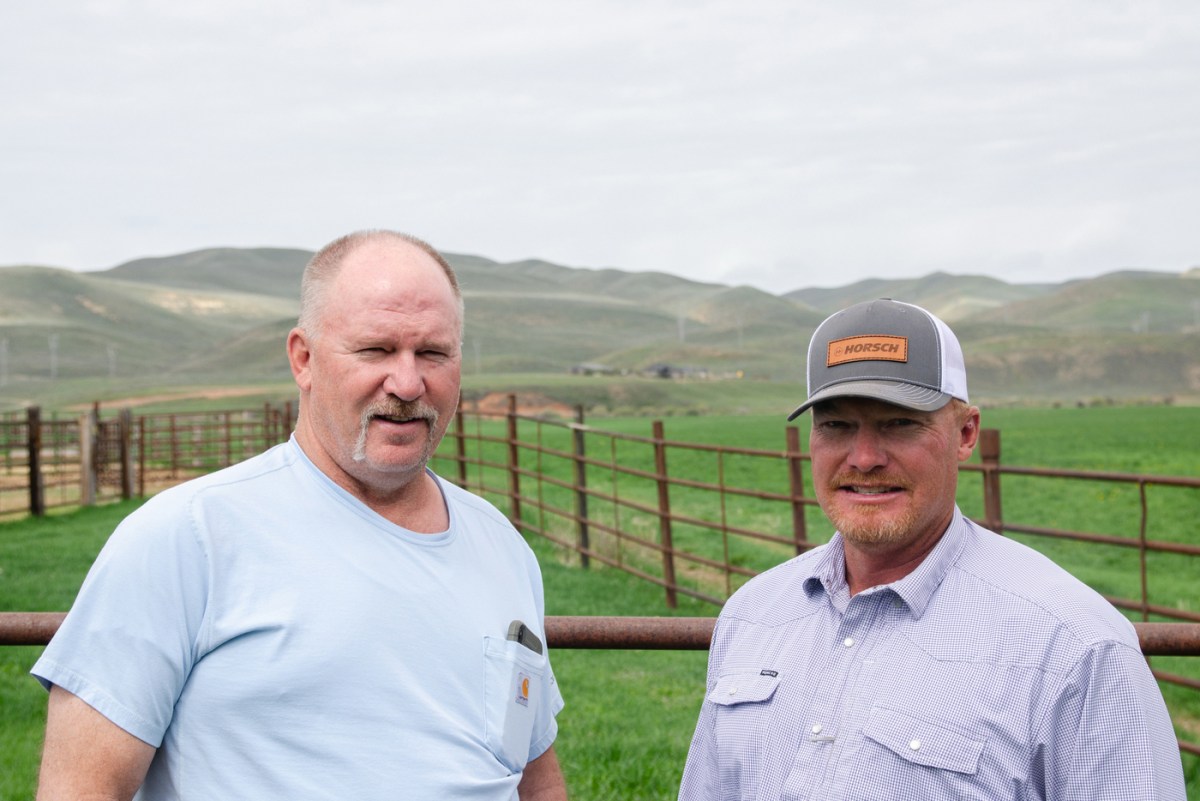
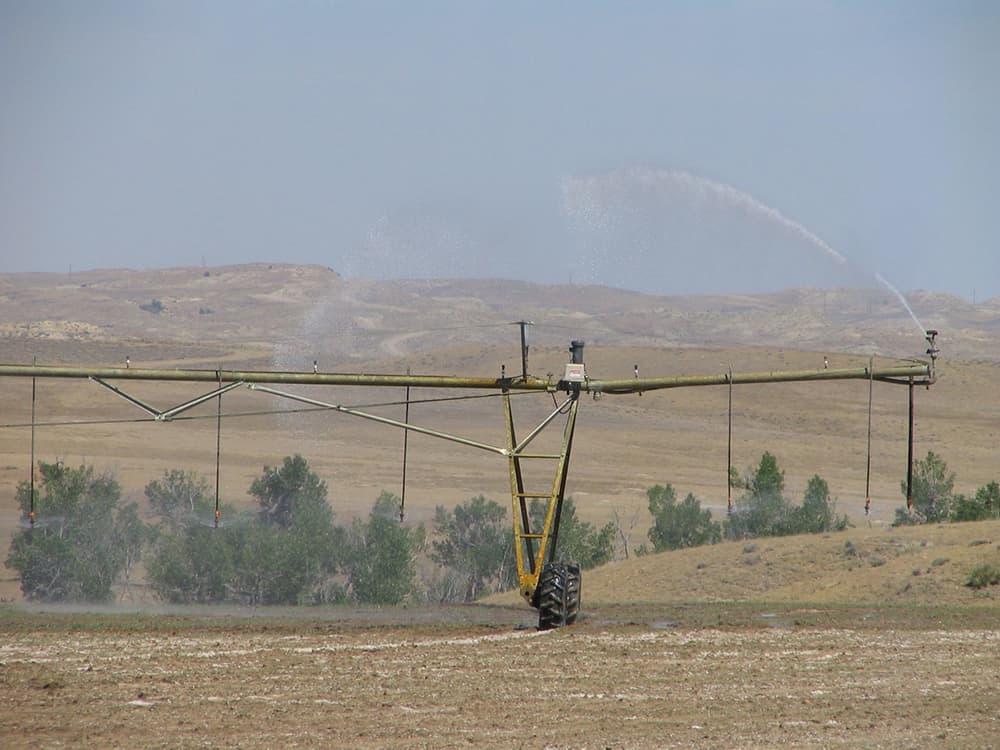
The need to flip on electric pumps to irrigate alfalfa fields came early this season for Cokeville-area farmers and ranchers Tim Teichert and Jason Thornock, thanks to extraordinarily dry conditions.
Pumping water from streams and underground aquifers takes a lot of electricity, and ag folks like Teichert and Thornock wince when they have to flick their switches to the on position: Thus begins the ticking of the utility meter. What’s usually a $150,000 irrigation-season electric bill for Thornock and $90,000 for Teichert will be higher — possibly tens of thousands of dollars, they say.
But the drought-induced extra expense might pale in comparison to what their electric provider has in store for them — come drought or not.
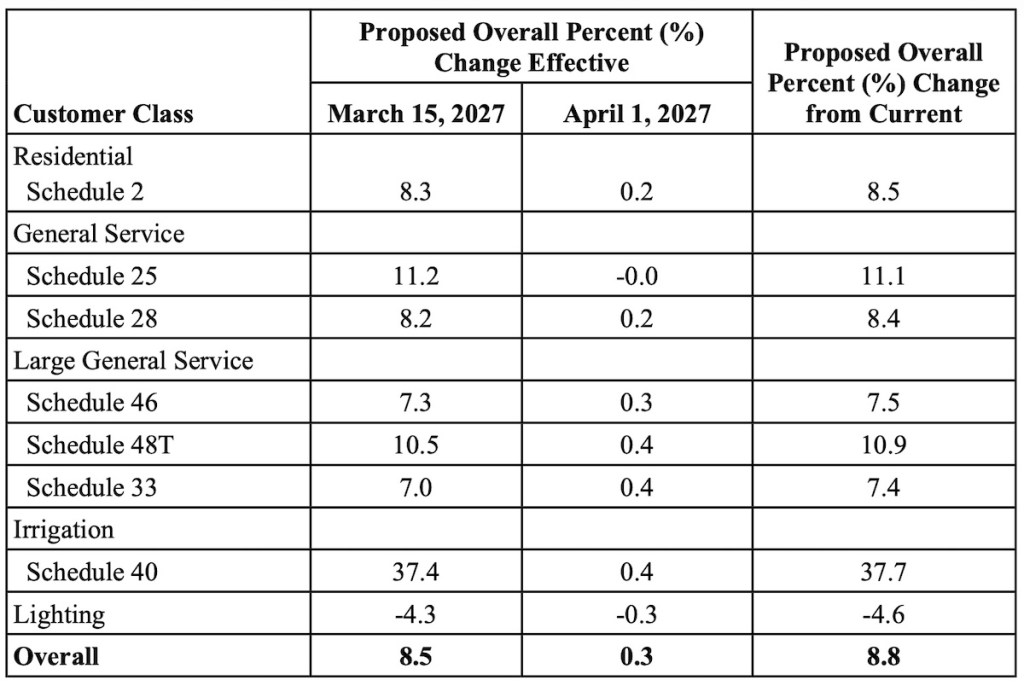
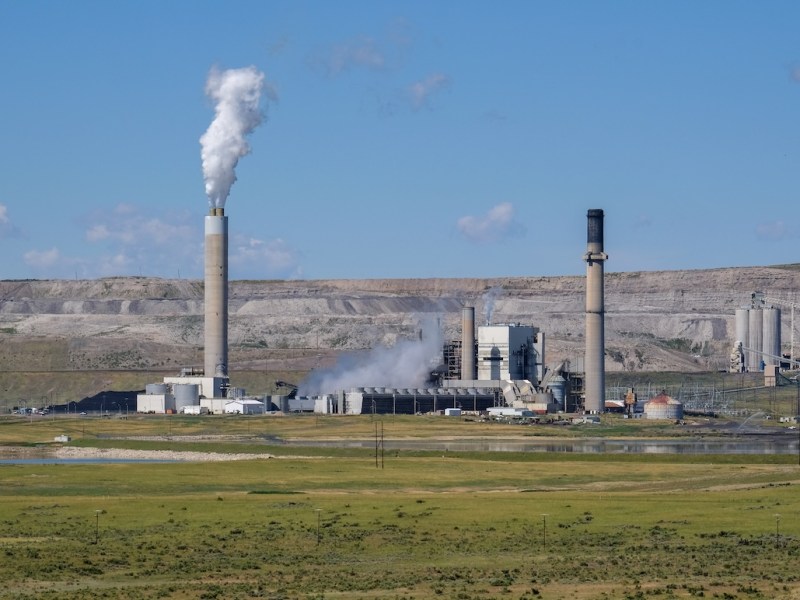
Rocky Mountain Power, Wyoming’s largest regulated electric utility, filed a request to the Wyoming Public Service Commission in May for a $71 million rate hike, which averages to an 8.8% increase among its 150,000 customers in the state, according to the company.
For irrigators like Teichert and Jason Thornock, it’s a 37.7% increase — if state regulators give Rocky Mountain Power what it’s asking for.
“It’s going to kill us,” Thornock told WyoFile. “They’re going to make it very difficult to be a farmer in Rocky Mountain Power’s service area.”
Class system
Utilities commonly charge different rates to different customer classifications. Typically, customers with especially large electrical pulls on the system — think oil refineries and trona-and-soda ash operations, for example — pay higher rates because they demand more from the utility’s systemwide infrastructure and ongoing investments. Same goes for “Irrigation, Schedule 40,” where Teichert and Thornock — as well as about 1,000 other Wyoming irrigators — find themselves on the utility’s ledger.
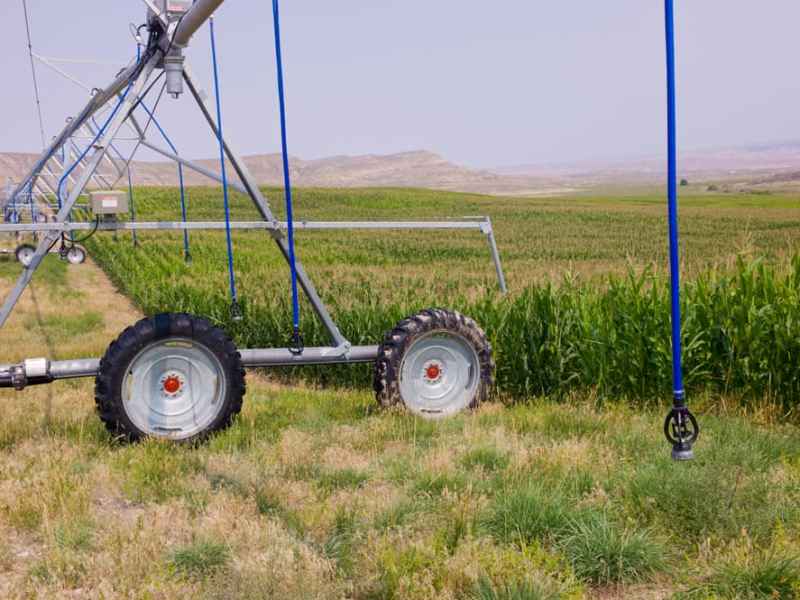
Wyoming farmers and ranchers, who have the opportunity and means, have been shifting from flood irrigation — which requires no or minimal electricity — to pump-and-pivot irrigation in recent years to make more efficient use of limited water resources, Wyoming Stock Growers Association Executive Vice President Jim Magagna said.
“I don’t see how anybody can afford to do it when they suddenly face increases like this,” Magagna told WyoFile. “Particularly at a time of drought and when they’re already facing high costs, at a time when fertilizer costs have increased dramatically due to the Iranian situation.”
Rocky Mountain Power has been under scrutiny for a series of rate hikes in recent years. Excluding annual fuel cost adjustments, Wyoming regulators have allowed the company to increase its base rates nearly 16% since 2024. A 5.5% hike hit monthly bills in 2024, and rates increased another 10.2% in 2025.
Cost of service
So what’s driving this year’s proposed $71 million rate hike?
First, the company — a division of Warren Buffett’s PacifiCorp — wants to ensure a 7.56% rate of return, it said.
In public documents, Rocky Mountain Power also cites some $4.5 billion in new capital projects across six states, higher operations and maintenance costs, inflationary pressures and a projected $10 million to create a “Wyoming wildfire liability self-insurance reserve fund.”
For the average residential customer, the proposed hike pencils out to a monthly base rate increase from $23 to $25, according to the company. Base rate is a service charge, meaning customers will see an increase regardless of how much power they use.
Customer classification rate increases for various “large” electrical-demand users, excluding irrigated agriculture, range from 7.4% to 10.9%, according to public documents.
“The recommended cost of service study incorporated in this case fairly allocates costs among the service schedules in a manner that reflects the demands and energy usage of the customer classes,” Rocky Mountain Power states in documents provided to the state. Irrigation customers account for about 0.4% of total energy usage on Rocky Mountain Power’s system in Wyoming.
When pressed for details about what’s driving the proposed 37.7% rate increase for ag irrigation, Rocky Mountain Power pointed to a 638-page document filed with the Public Service Commission.
“It’s going to kill us. They’re going to make it very difficult to be a farmer in Rocky Mountain Power’s service area.”
Jason Thornock, ag irrigator
“The company proposes a rate design that makes movement towards [cost of service] while balancing impacts to individual customers,” according to one passage regarding the Section 40 classification.
“Rates for the various customer classes should cover the cost of providing service,” Rocky Mountain Power spokesperson David Eskelsen told WyoFile via email. “Different kinds of customers present different costs, such as the magnitude and characteristics of their demand on the electric system, voltage requirements and line extension costs.
“As the company has measured usage during peak periods by irrigation customers, their use of the system increased 30% compared to the 2024 general rate review, which contributes to the need for the above-average increase in rates,” Eskelsen added. “Combined with the smaller increases for this class in the past two general rate reviews, the increase proposed is necessary to move them closer to actual cost of service.”
Beyond a customer’s demand on a utility’s system, other factors define distinct customer classifications. Among them are voltage requirements. While the average home requires 120 and 240 volts, large irrigation pumps can require 480 volts.
If costs to reliably serve high-voltage power to irrigation customers are rising, it hasn’t been fully explained to them, Thornock and Teichert say. Plus, the service they’re paying for hasn’t been reliable.
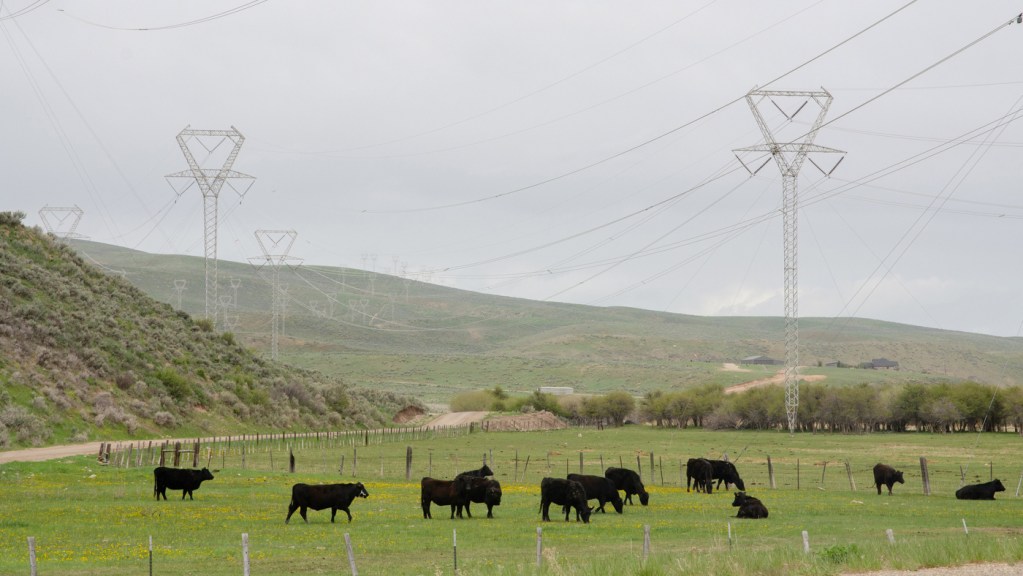
“Rocky Mountain Power sends us dirty power,” Teichert said, describing power currents that send fluctuating, rather than stable, currents of voltage. He added that their irrigation pumps and motors require a consistent 480 volts. But, “it fluctuates all day long.”
The variation of voltage is problematic, Thornock said, because it can cause pumps to malfunction. “I had to replace a pump-motor yesterday — probably a $10,000 motor — because of dirty power.”
Equally perplexing, Thornock and Teichert said, is this the first time in recent history that Rocky Mountain Power has singled out agricultural irrigation for a major rate hike. In 2023, the state allowed a 1.5% increase, and in 2024 it ordered a 2.9% reduction.
No relief
Two years ago, Teichert and Thornock rang alarm bells about the threat of rising electrical costs to the agriculture industry. They concluded that a personal investment in solar arrays might help — if only the Legislature would raise the cap on net metering from 25 kilowatts of self-generation to 200 kilowatts.
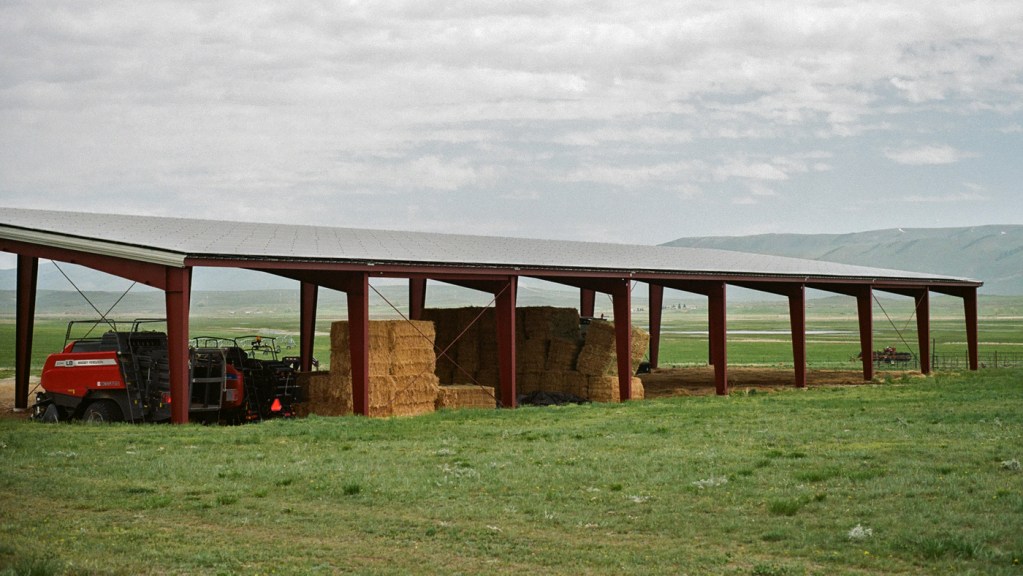
Net metering is a credit system. If a utility customer generates their own electricity, and occasionally more than they need, the extra power goes back onto the grid for use by other customers. The customer feeding electricity back to the utility earns credits at the retail rate for the power on a month-to-month basis. If there are remaining credits at the end of the year, the utility pays out those credits at a lesser, wholesale rate.
But Wyoming law caps the net-metering credit system at 25 kilowatts.
“We can’t provide enough power on demand for those three months when we’re using it,” Thornock said, “but we can bank enough power for the nine months that we’re not using it to offset our power demand.
“We’re not asking for a handout,” Thornock added, “but apparently we can produce power for less than Rocky Mountain Power can. Unfortunately, we have to use their grid to bank the power.”
Although the irrigators earned allies in their net-metering cap increase quest, House Bill 183, “Net metering amendments” in 2025 got so watered down in the legislative process that it died for lack of support, according to proponents.
Without any avenues for relief, Rocky Mountain Power’s proposed increase on ag irrigation is a threat to Wyoming’s agricultural industry, said Magagna of the Stock Growers Association.
“I just don’t think it’s defensible in any way,” he said. “Even if they, perhaps, undercharged in the past, you gradually make up for that. You don’t try to do it in one fell swoop. I think it’s just an embarrassment regarding their understanding of and respect for the ag industry.”
Green River Republican Rep. Scott Heiner, who co-chairs the Legislature’s Minerals, Business and Economic Development Committee, said he pressed Rocky Mountain Power representatives during a recent hearing about the steep rate hike proposal for irrigators. They were not “aware of this part of the proposal,” Heiner told WyoFile, adding, “I will do all I can to be a voice for agriculture as we oppose this rate increase.
“It appears that [Rocky Mountain Power] may be trying to ‘cost shift’ with this rate increase to put more of the burden on those that don’t have the voice to be heard,” Heiner continued. “With the Wyoming drought and shortage of water, this may drive our ranchers and farmers out of business.”
The Wyoming Public Service Commission is accepting public comment through June 18 for the initial review phase of the rate case. Written comments should mention Docket No. 20000-710-ER-26, and can be emailed to at wpsc_comments@wyo.gov.

all this so they can take the water to use in their ai data centers, contaminate and then track, trace, database everyone in the country claiming we need it to protect us from china. then they pay off their venture because they own the utility companies.
One question I have for these men is who actually paid for your pumps and wells. Did you do it 100% by your self or did you get subsidized for them by thr federal government? How much is this really costing you in profit? Im not saying that RM isn’t in the wrong here but I also wonder how much of this is also these men complaining that they have to shell out their own money to keep things running instead of the tax payers’.
Too bad Cokeville cant be served by Lower Valley Energy who has some of the lowest rates in the nation and is just North of them. Rocky Mountain Power is poorly run and Lower Valley Energy is very well run.
I’m still waiting for President Trump to cut everyone’s utility bill in half like he promised during his campaign.
Makes no sense at all to reject any solar imputs you can get.
Even a simple man can see it.
Another issue you might look at besides a federal administration that knows absolutely nothing about any of the states in the union. Our own legislature who has done everything they can to make RMP a subject of their ridiculous laws and policies. Running off green energy, forcing the unproven technology of carbon capture, and demanding RMP use coal. RMP wants to retire these old plants that are expensive to maintain and have outlived their useful life. We should open this state to green energy and allow it to help reduce our electrical costs. Vison of a bright future for Wyoming has to include realistic energy production and use.
Ag business models that are “based” in irrigation are losing their viability. Increase in cost of power is one factor that making well-based irrigation cost prohibitive. The cost of building 100 million dollar dams for 100 irrigators (La Prele and Battle Creek) is another.
The cost of raising cattle and growing the hay to feed them will change the economic face of Wyoming. Current multi-generational family ties to the land will fade away as ranch kids see no future, no way to support themselves.
Wyoming could end up with dozens and dozens of Jeffrey Cities if the legislature doesn’t recognize and prepare for the aftermath of losing most agriculture west of the Laramie Range. Unfortunately, there is no evidence that there are any visionaries amongst them, or any motivation to do any real planning for the future.
Marc Reisner’s 1986 “Cadillac Desert: The American West and its Disappearing Water” is the classic story laying out the West’s history of water wars. In the 20th century settling the West and providing water and power for people and business was the focus. We are no longer settling the West.
Small ranchers and farmers in Wyoming and across the West are leaving the land, abandoning the homestead or selling out to corporate interests as power and water needs change. Business models based in the old way don’t work any more. Bleizeffer’s story chronicles one piece in a gigantic jigsaw puzzle that is the American economy.
Wyoming irrigation based ranching is not the canary in the coal mine. That bird has flown. The world is different now. The sooner people get curious and ask “how” it has changed and is changing, the sooner its effects on individual, family and community life in Wyoming will be clear. Until real people ask what they need to do to fit into this new world, and be part of change, be change agents, the stories we hear will be those of woe and loss.
Wow. Totally agree. Wyoming can’t keep doing things the old way. Well said about the canary in the coal mine having flown away.
RMP rates are going to be even higher when ratepayers have to start paying for an expensive billion dollar nuclear power plant. Raising the net metering cap and changing the true up date to a solar year will help and benefit ratepayers who have invested in installing solar or wind to generate power.
Rates are going to be even higher when proposed data centers triple the current electric use of the entire state of Wyoming.
Electricity is going to be even “dirtier” if data centers are allowed to connect to the public grid.
And how about natural gas prices when data centers want to use that energy source to generate their electricity?
RMP barely makes money in WY. That is the cost of electricity, not saying farmers are anti solar and wind but I know much of WY is. It sucks but it is what it is. I won’t use AI, I hate it. AI is causing rates to increase, the current president’s war with Iran has caused energy prices to increase along with overall inflation increases. This country is NOT going in a good direction, this administration is screwing hunters over and over again and we still have over two years. If you voted for him it is on you, he caused this.
Lol, the last president declared war on energy causing prices to spike.
They are ALL doing their part to destroy this country.
Whether someone votes R or D, who they voted for “caused this”.
No, Biden didn’t declare war on energy. He declared a change in energy, and it is the intelligent thing to do. You can’t compare the orange menace to anyone else, he’s the worst of the worst and should be taken out of office and jailed.
Great article, raise the net metering cap and let our agricultural producers, home owners, school districts, small businesses, hospitals and everyone else develop energy independence.